Free Shipping above ₹449 order value
Category
Stories from the farm, the kitchen, and everywhere in between.
Navigate the Pradhan Mantri Mudra Yojana to secure funding for your food venture in India - eligibility, the Shishu/Kishor/Tarun tiers, documents, and how to apply.
Navigate the Udyam Registration portal step-by-step to secure your MSME status. Unlock government schemes, priority lending, and tax benefits for your Indian enterprise.
Unlock growth for your food processing MSME with the CGTMSE scheme. Understand its limits, eligible lenders, fee structure, and how to claim the credit guarantee, making…

Navigate the Prime Minister's Employment Generation Programme (PMEGP) for your food processing venture. Understand subsidy slabs, project cost ceilings, and application…
Explore how SIDBI's SMILE, STAR, and 4E schemes can fuel your spice or dehydrated food business growth. Understand eligibility, interest rates, and application insights…
Discover how Zero Defect Zero Effect (ZED) certification can transform your Indian MSME, improving quality, reducing waste, and unlocking government incentives through…
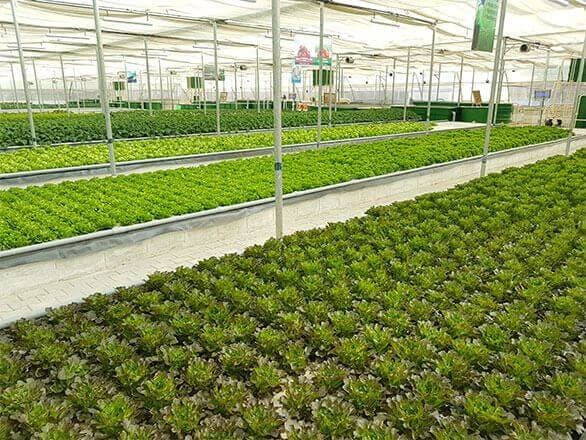
Discover how a village-level solar dehydration unit transforms seasonal produce into shelf-stable powders, supported by PMFME subsidies, offering a viable income for…
Discover how Farmer Producer Organisations can transform raw spice produce into high-value products through shared processing, boosting farmer incomes and fostering…
Learn how to launch a small-scale dehydrated greens business in India, covering sourcing, processing, FSSAI compliance, market strategies, and initial capital…
Discover how women-led Self-Help Groups (SHGs) are transforming rural economies by launching successful agri-food micro-enterprises with government support and community…
Discover how India's TReDS platforms empower Micro, Small, and Medium Enterprises to secure quick working capital by discounting invoices, boosting liquidity and growth…
Understand the step-by-step guide to registering your FPO in India. Learn about the crucial financial support like the ₹15 lakh equity grant and ₹2 crore credit…
Unlock potential with MNRE and MoFPI schemes. Explore unit economics, typical payback periods, and how subsidies reduce capital outlay for micro food enterprises using…

Navigate the essentials of launching a spice venture in India, from FSSAI licensing tiers to GST, Udyam registration, packaging compliance, and initial investment…
Navigate the Indian spice export market with this comprehensive guide covering IEC code, AGMARK, RCMC, finance options, and key international markets to help your…
Discover how the Pradhan Mantri Formalisation of Micro Food Processing Enterprises (PMFME) scheme offers a 35% credit-linked subsidy, supports ODOP, and provides seed…
Navigate the regulatory landscape for small food processing units in India. Discover the key registrations like FSSAI, Udyam, GST, and more, with official portals and…
Explore practical online models for Indian farmers to reach consumers directly, understand what it takes, potential pitfalls, and realistic margins for sustainable…
Demystify NPOP organic certification in India. Learn about the application process, associated costs, timelines, and decide if it's the right move for your small food…
Discover practical, organic Instagram and Reel strategies to grow your small Indian food brand without ad spend. Learn content pillars and conversion tactics.
From SHG networks to FPO startups - the grassroots food entrepreneurship that mainstream media rarely covers

Cultivation, yield, government support, value addition, and how to get 3x the commodity price for your harvest
From first product to first 1,000 orders - what actually works and what the success stories skip over
Beyond the ideology - a practical assessment of ZBNF, its government support, and where it delivers results

From spice blending to dehydrated greens to nutraceuticals - where the money is moving in Indian agriculture
What FPOs are, how they work, how to form one, and why they are the most important agricultural institution India is building right now
Same country, radically different spice cultures. The geography and history that made Indian food four distinct worlds.
One month. Six simple swaps. What actually happens when you go back to basics.
The philosophical and practical case for building your diet around what grows near you
A practical guide to maintaining nutritional quality when grocery budgets are under pressure
Not doomsday prepping - just practical, nutritionally complete preparation that every resilient household maintains
