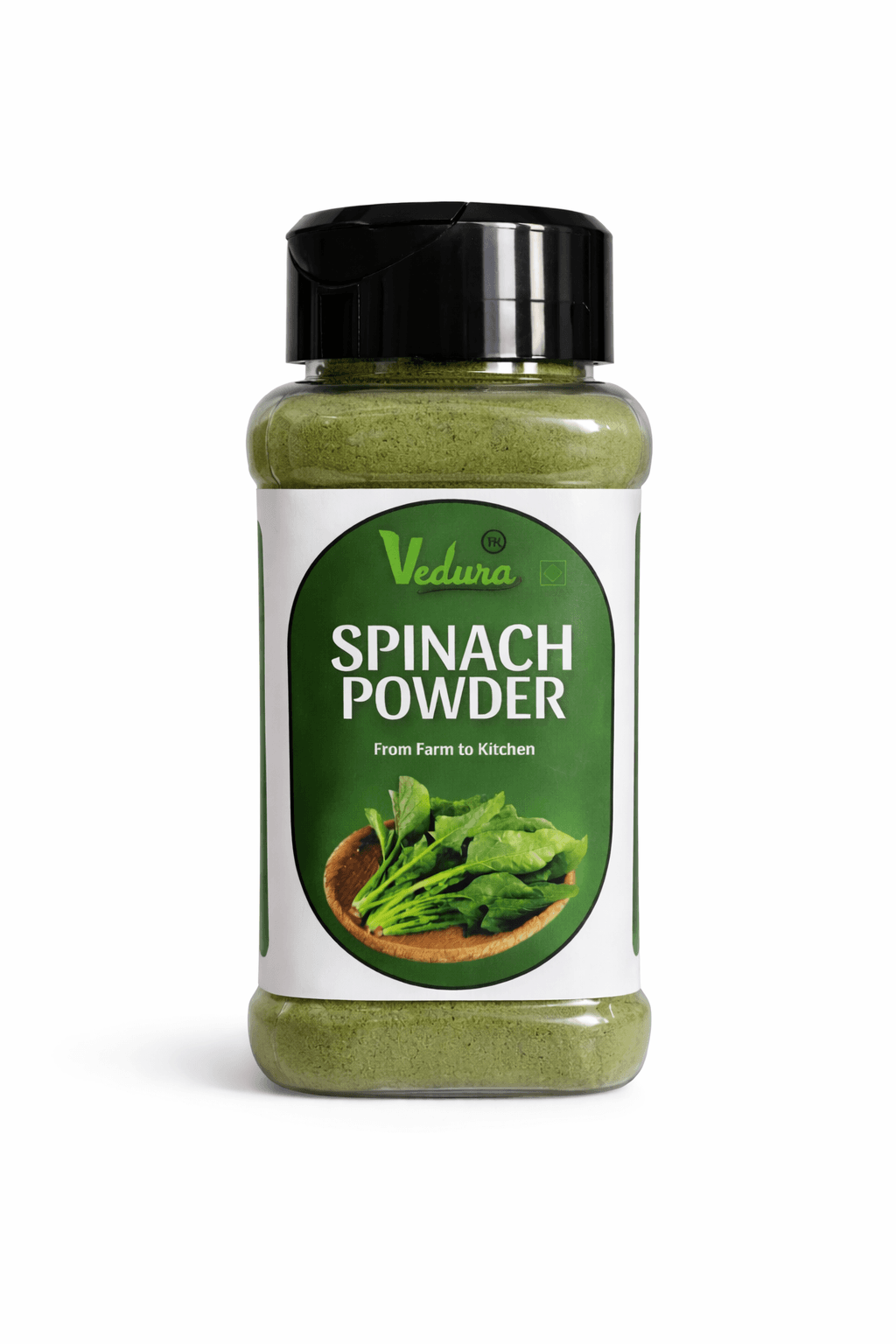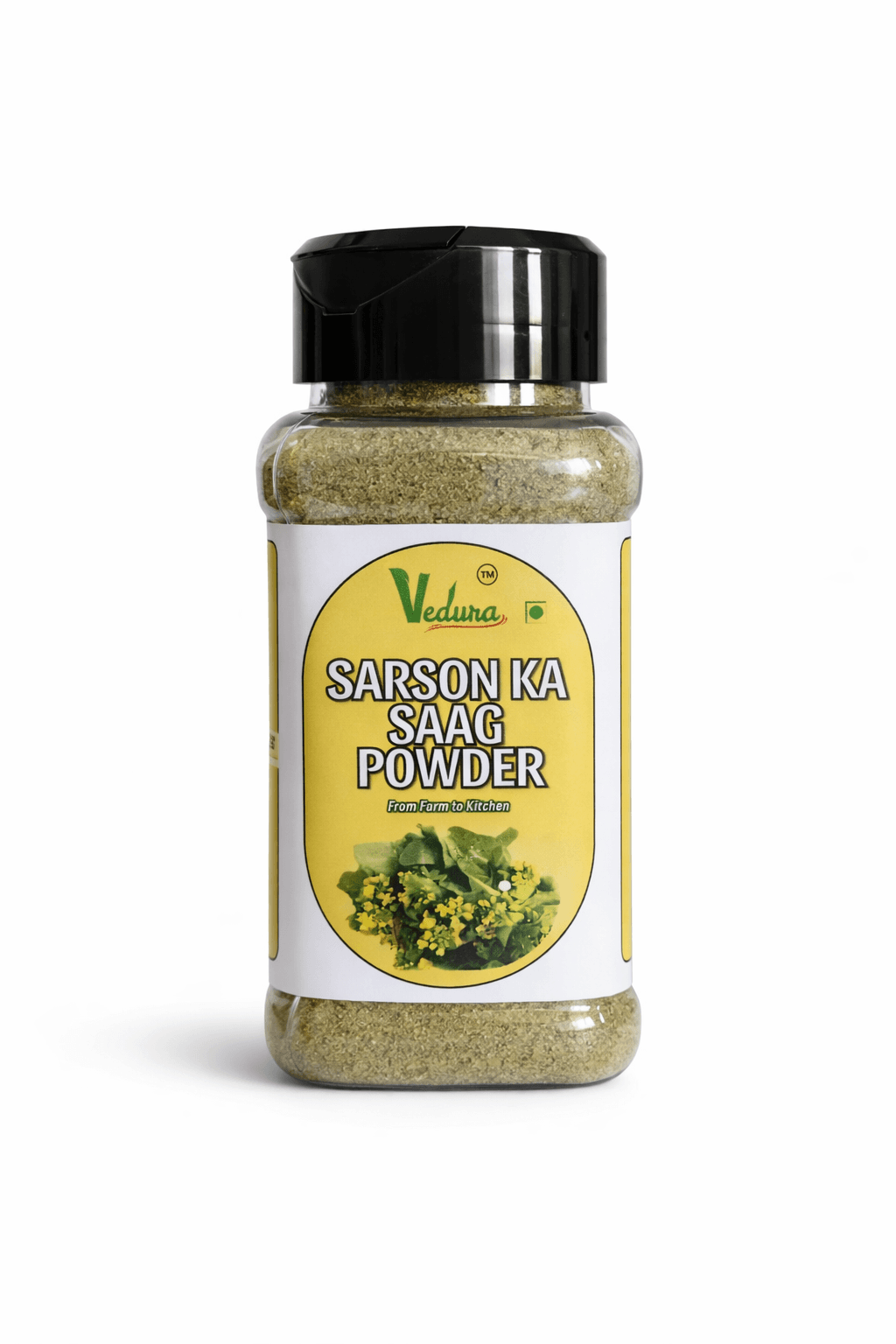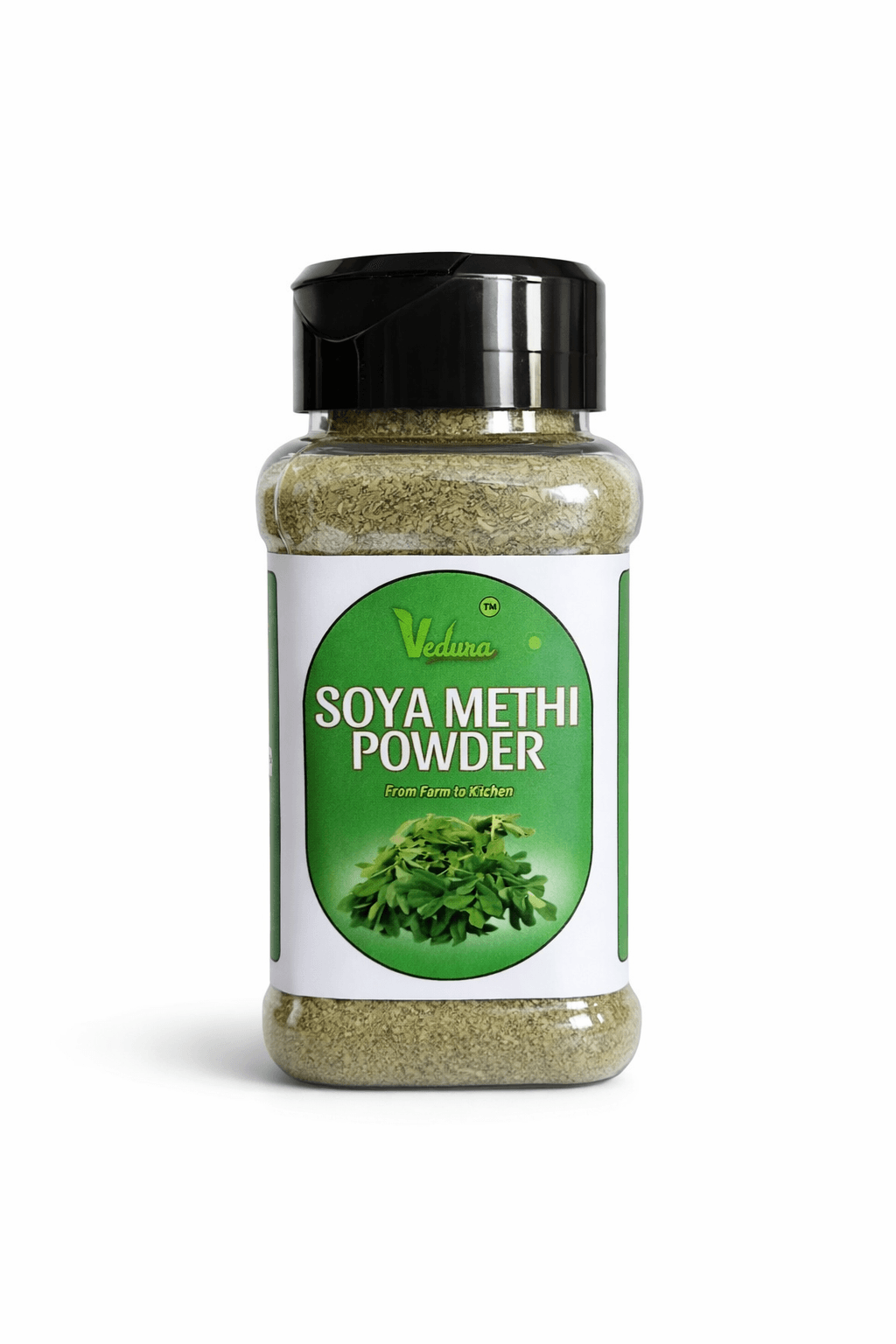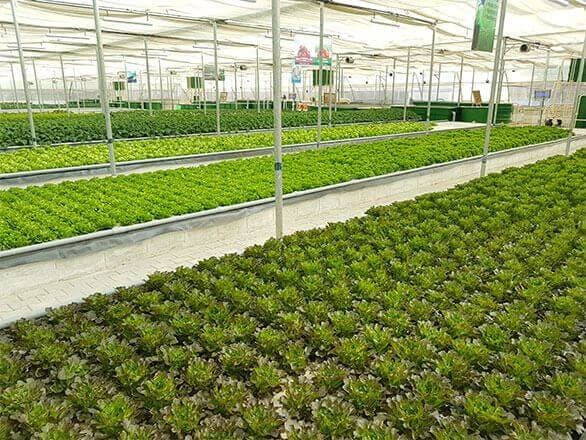

* **Solar Drying**: For micro-enterprises, solar drying is a cost-effective and environmentally friendly method. It involves spreading washed and chopped greens on trays in direct sunlight, often in a covered, mesh-protected structure to prevent contamination. While slow, it requires minimal capital investment. * **Dehydrators/Tray Dryers**: These units offer more controlled drying conditions, allowing for faster processing and better retention of colour and nutrients. Electric or gas-powered dehydrators are a step up in investment but provide consistent quality regardless of weather conditions. For example, to create a product similar to Vedura Foods' dehydrated spinach powder, consistent low-temperature drying is key for preserving natural goodness. You can find their high-quality dehydrated spinach powder at https://www.vedurafoods.com/product/dehydrated-spinach-powder.
Regardless of the method, ensure the greens are thoroughly washed, blanched (briefly dipped in hot water) to deactivate enzymes and retain colour, and uniformly spread for efficient drying. The goal is to reduce moisture content to below 8-10% to prevent microbial growth.
Quick Summary
Starting a micro-brand for dehydrated greens like palak (spinach), methi (fenugreek), or sarso (mustard greens) offers a viable path for agripreneurs in India. This guide covers the essential steps from sourcing raw materials and processing techniques to navigating FSSAI regulations, choosing market channels (D2C or B2B), and securing initial capital, anchoring the idea in practical, actionable advice.
The Promise of Dehydrated Greens
India's culinary landscape is rich with greens, but their seasonality and perishability often limit their availability and shelf life. Dehydrated greens address this challenge by preserving nutritional value and flavour, making them accessible year-round. For an agripreneur, this presents a significant opportunity to create value-added products with a longer shelf life and broader market appeal. Imagine the convenience for home cooks or the efficiency for restaurants that can use powdered spinach or fenugreek without the hassle of fresh produce storage and wastage.
Sourcing Quality Raw Materials
The foundation of any successful food product is its raw material. For dehydrated greens, this means fresh, high-quality leafy vegetables. Local sourcing is often the most practical and sustainable approach for a micro-brand.
Building Farmer Relationships
Identify farmers in your region who cultivate palak, methi, sarso, or other greens. Establish direct relationships to ensure a consistent supply and negotiate fair prices. Look for produce that is free from excessive pesticides, damage, or wilting. Organic sourcing can be a differentiator, though it may add to the cost. Visiting farms and understanding their cultivation practices will help in quality control and building trust.
Seasonal Availability
Understand the seasonal cycles of different greens. While dehydration extends availability, your raw material supply will still depend on harvest seasons. Planning your procurement around these cycles is crucial for maintaining inventory and managing costs effectively.
Processing: From Leaf to Powder
Once sourced, the greens undergo a transformation process to become a shelf-stable powder. Hygiene and efficiency are paramount at every stage.
Drying Techniques
* Solar Drying: For micro-enterprises, solar drying is a cost-effective and environmentally friendly method. It involves spreading washed and chopped greens on trays in direct sunlight, often in a covered, mesh-protected structure to prevent contamination. While slow, it requires minimal capital investment.
* Dehydrators/Tray Dryers: These units offer more controlled drying conditions, allowing for faster processing and better retention of colour and nutrients. Electric or gas-powered dehydrators are a step up in investment but provide consistent quality regardless of weather conditions. For example, to create a product similar to Vedura Foods' dehydrated spinach powder, consistent low-temperature drying is key for preserving natural goodness. You can find their high-quality dehydrated spinach powder at https://www.vedurafoods.com/product/dehydrated-spinach-powder.
Regardless of the method, ensure the greens are thoroughly washed, blanched (briefly dipped in hot water) to deactivate enzymes and retain colour, and uniformly spread for efficient drying. The goal is to reduce moisture content to below 8-10% to prevent microbial growth.
Grinding and Packaging
Once fully dry and brittle, the greens are ready for grinding. A commercial-grade grinder or pulveriser will convert the dried leaves into a fine powder. Screen the powder to ensure uniform consistency and remove any fibrous material.
Packaging plays a critical role in preserving the product and attracting customers. Use airtight, moisture-proof packaging – stand-up pouches, glass jars, or food-grade plastic containers are common choices. Proper labelling, including ingredients, nutritional information, manufacturing date, expiry date, and FSSAI license number, is mandatory.
Navigating Regulatory Compliance (FSSAI)
Operating a food business in India requires compliance with the Food Safety and Standards Authority of India (FSSAI) regulations. This ensures food safety and builds consumer trust.
FSSAI Registration and Licensing
For micro-brands, the type of FSSAI license depends primarily on your annual turnover and production capacity. Most small-scale dehydrated greens businesses will start with either a basic FSSAI Registration or a State License. As per FSSAI guidelines, a Basic Registration is typically for businesses with an annual turnover up to ₹12 lakh.
FSSAI License Types for Food Businesses
| License Type | Annual Turnover Limit | Key Features |
| :-------------------- | :------------------------- | :----------------------------------------------------------------------------- |
| Basic Registration | Up to ₹12 Lakh | Small-scale operators, street vendors, petty retailers. Simple registration. |
| State License | ₹12 Lakh to ₹20 Crore | Medium-sized manufacturers, storage, transporters, retailers. More stringent. |
| Central License | Above ₹20 Crore | Large manufacturers, importers, central government agencies. Most complex. |
Key FSSAI Requirements
* Hygiene and Sanitation: Adherence to Good Manufacturing Practices (GMPs) and maintaining a clean processing environment is crucial. This includes personal hygiene for workers, proper waste disposal, and pest control.
* Labeling: Labels must be clear, accurate, and comply with FSSAI (Packaging and Labelling) Regulations, 2011. Misleading claims are prohibited.
For comprehensive information, always refer to the official FSSAI portal at https://www.fssai.gov.in.
Market Strategies: D2C or B2B?
Deciding how to sell your dehydrated greens is critical. You can choose a Direct-to-Consumer (D2C) model, Business-to-Business (B2B), or a hybrid approach.
Direct-to-Consumer (D2C)
* Online Storefront: Create an e-commerce website or use platforms like Amazon, Flipkart, or specialised food marketplaces. This allows you to reach customers nationwide.
* Local Markets & Fairs: Participate in farmers' markets, organic fairs, and local exhibitions to engage directly with consumers, gather feedback, and build brand recognition.
* Social Media Marketing: Leverage platforms like Instagram and Facebook to showcase your products, share recipes, and build a community around your brand.
Business-to-Business (B2B)
* Restaurants and Catering: Supply dehydrated greens to hotels, restaurants, and catering services that value consistency and convenience.
* Food Manufacturers: Other food processing units might use your powders as ingredients in their products (e.g., in snack mixes, instant foods, or spice blends).
* Wholesalers/Distributors: Partner with distributors who can carry your products to a wider network of retailers.
Consider starting with a D2C model to test the market and gather feedback, then gradually expand into B2B as your production capacity and brand reputation grow.
Capital and Funding Your Venture
Starting any business requires capital for equipment, licenses, raw materials, packaging, and initial marketing. For a micro-brand, judicious use of funds is key.
Initial Investment Areas
* Equipment: Dehydrator (if not solar), grinder, packaging machine (manual or semi-automatic), weighing scales.
* Licenses & Certifications: FSSAI registration/license fees.
* Raw Materials: Initial stock of fresh greens.
* Packaging: Pouches, jars, labels.
* Working Capital: Funds for day-to-day operations, marketing, and unforeseen expenses.
Government Support Schemes
India's government offers various schemes to support Micro, Small, and Medium Enterprises (MSMEs) in the food processing sector. The Pradhan Mantri Formalisation of Micro Food Processing Enterprises (PMFME) Scheme, launched by the Ministry of Food Processing Industries (MoFPI), is particularly relevant.
This scheme aims to enhance the competitiveness of individual micro-enterprises. It provides financial assistance, including a credit-linked capital subsidy of 35% of the eligible project cost, with a maximum ceiling of ₹10 lakh per unit. For common infrastructure, support is provided for up to 35% of the project cost. As per the latest scheme guidelines available on pmfme.mofpi.gov.in, individual micro food processing units, FPOs, SHGs, and cooperatives are eligible. This scheme can significantly reduce the financial burden of setting up your dehydrated greens unit.
FAQs
Q: What is the minimum investment required to start a dehydrated greens micro-brand?
A: The minimum investment can vary widely. With a basic solar drying setup and manual grinding, you could start with as little as ₹50,000 to ₹1 lakh for initial raw materials, basic packaging, and FSSAI registration. However, investing in a small electric dehydrator and semi-automatic grinder might push the initial capital to ₹2-5 lakh for better efficiency and quality.
Q: Is FSSAI registration difficult for a small business?
A: FSSAI registration for a small business (Basic Registration) is relatively straightforward. It can be done online through the FSSAI portal by submitting basic documents like identity proof, address proof, and a declaration of food safety. For a State License, the process is slightly more involved but manageable with proper documentation and adherence to hygiene standards.
Q: How can I ensure the nutritional quality of my dehydrated greens?
A: To preserve nutritional quality, focus on fresh raw materials, proper blanching (briefly cooking greens in hot water before drying to deactivate enzymes), and low-temperature drying methods. Over-drying or drying at very high temperatures can degrade heat-sensitive nutrients. Packaging in airtight containers also helps prevent oxidation and nutrient loss.
Q: What is the shelf life of dehydrated greens powder?
A: When properly dried to a low moisture content (typically below 8-10%) and stored in airtight, dark, and cool conditions, dehydrated greens powder can have a shelf life of 12 to 24 months. Light, moisture, and heat are the main enemies of shelf stability, so appropriate packaging is crucial.
Q: Can I export dehydrated greens from India as a micro-brand?
A: While possible, exporting requires additional certifications and adherence to international food safety standards (e.g., ISO, HACCP, country-specific regulations) beyond FSSAI. It's generally advisable for a micro-brand to focus on establishing a strong domestic presence first before considering international markets, given the complexities and higher capital requirements involved.
Q: Are there any specific challenges in sourcing greens for dehydration?
A: Yes, challenges include seasonality impacting consistent supply, price fluctuations based on harvest and demand, and ensuring the quality and cleanliness of produce, especially concerning pesticide residues. Building strong, reliable relationships with local farmers is key to mitigating these challenges.
Explore topics
Continue your Vedura journey
Explore product pages, practical recipes, and research-led explainers connected to this topic.
Comments
Be the first to comment.