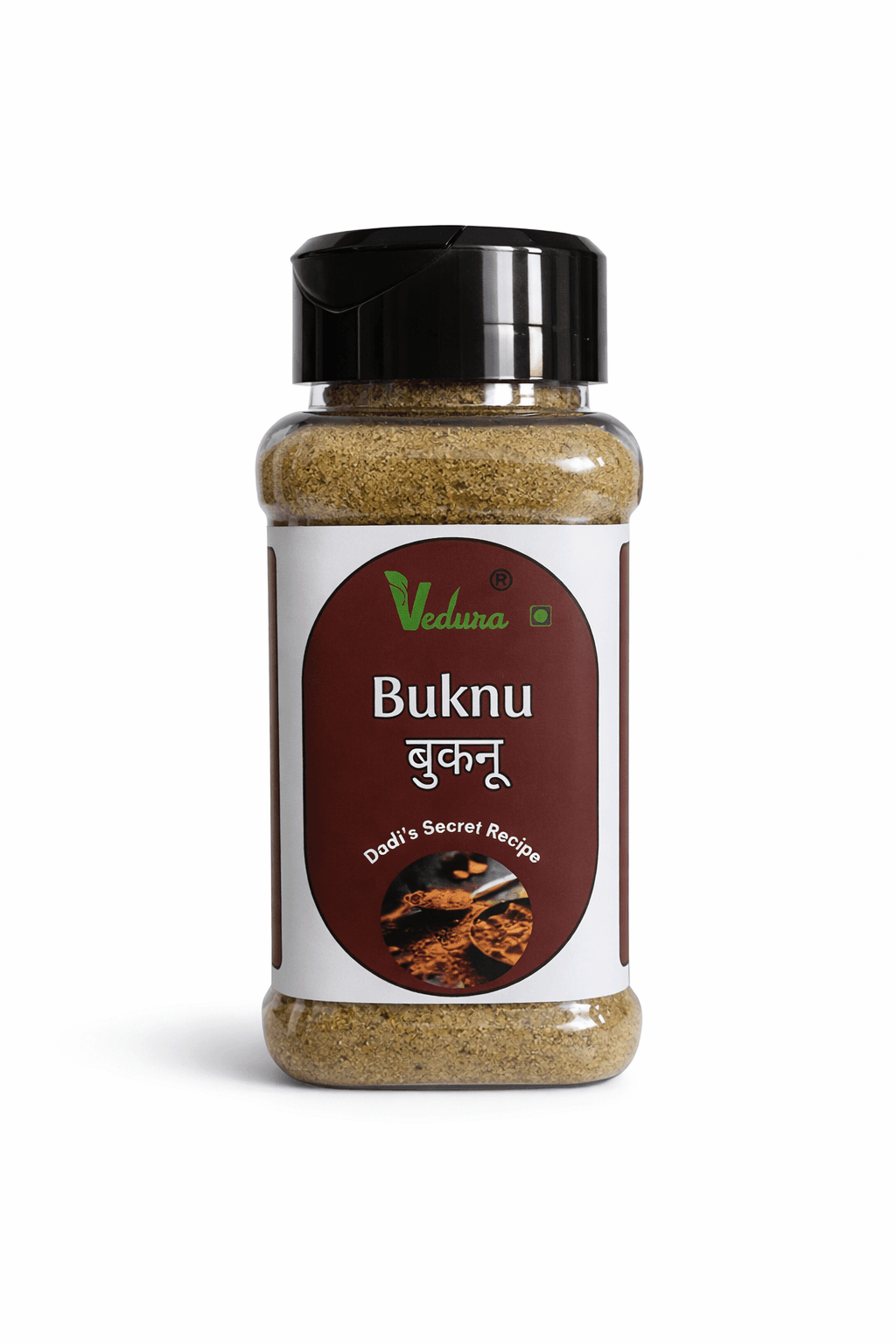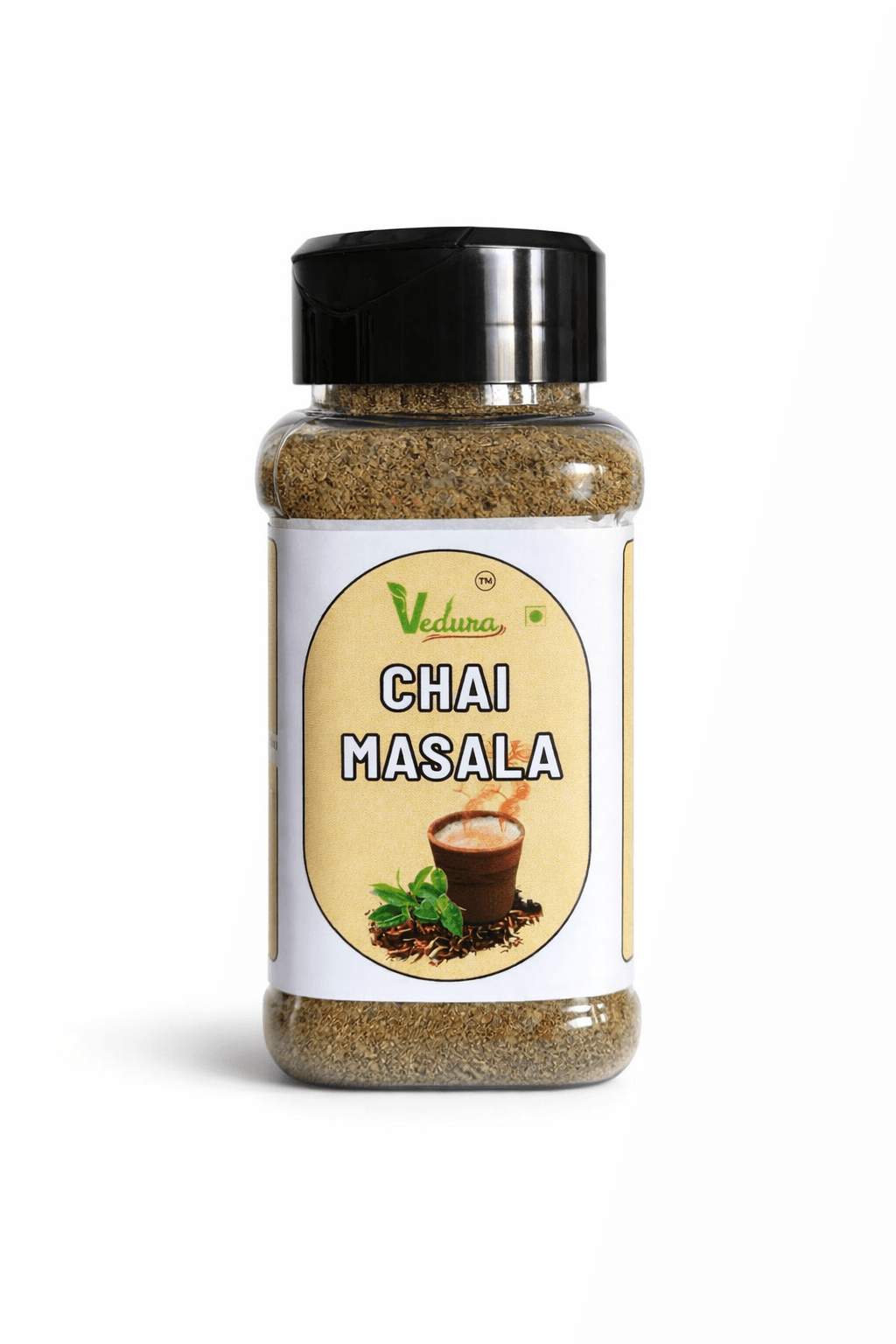

For an FPO, this isn't just about higher prices; it's about control, empowerment, and building a sustainable future. By taking on processing themselves, farmers move up the value chain, capturing a larger share of the consumer rupee. This shift from 'farm-to-market' to 'farm-to-processed-product-to-market' fundamentally changes the economic landscape for agricultural communities.
* **Cleaning and Sorting Machinery:** To remove impurities and grade spices based on quality. * **Drying Units:** For spices requiring moisture reduction before grinding. * **Grinding Mills:** To convert whole spices into powder form. * **Packaging Lines:** For hygienically packing the processed spices into various consumer-friendly sizes. * **Quality Control Lab:** Essential for ensuring product safety, purity, and adherence to standards like FSSAI (Food Safety and Standards Authority of India).
Quick Summary
An FPO (Farmer Producer Organisation) led spice processing business offers a powerful model for Indian farmers to significantly enhance their income by adding value to their raw produce. By pooling resources for shared grinding, grading, and packaging, FPOs can bypass intermediaries, access better markets, and benefit from government support schemes like the Pradhan Mantri Formalisation of Micro Food Processing Enterprises (PM FME) scheme and assistance from NABARD and SFAC.
The Promise of Value Addition for Farmers
India stands as the largest producer, consumer, and exporter of spices globally. Yet, a significant portion of this immense produce is sold in its raw form, often at prices dictated by market fluctuations and intermediaries. This leaves farmers with a thin margin, limiting their potential for economic growth. The concept of value addition – transforming raw produce into a finished or semi-finished product – holds immense promise, especially in the spice sector.
For an FPO, this isn't just about higher prices; it's about control, empowerment, and building a sustainable future. By taking on processing themselves, farmers move up the value chain, capturing a larger share of the consumer rupee. This shift from 'farm-to-market' to 'farm-to-processed-product-to-market' fundamentally changes the economic landscape for agricultural communities.
How an FPO-Led Spice Processing Model Works
Pooling Resources and Produce
At its core, an FPO-led processing unit thrives on collective strength. Individual farmers, often small or marginal landholders, may lack the capital, machinery, or market access for processing. An FPO addresses this by pooling the produce of its members, achieving economies of scale. This collective bargaining power also extends to procurement of essential inputs and accessing shared infrastructure.
The Processing Journey: From Farm to Market
The process begins with the collective harvesting and aggregation of spices like turmeric, chili, coriander, or cumin from member farmers. The FPO then establishes a central processing unit equipped with:
* Cleaning and Sorting Machinery: To remove impurities and grade spices based on quality.
* Drying Units: For spices requiring moisture reduction before grinding.
* Grinding Mills: To convert whole spices into powder form.
* Packaging Lines: For hygienically packing the processed spices into various consumer-friendly sizes.
* Quality Control Lab: Essential for ensuring product safety, purity, and adherence to standards like FSSAI (Food Safety and Standards Authority of India).
This integrated approach ensures consistency in quality, better control over the production process, and the ability to brand the FPO's own products, fetching premium prices in the market.
Financial Framework and Support Systems
Revenue Sharing and Farmer Benefits
A crucial aspect of a successful FPO model is a transparent and equitable revenue-sharing mechanism. After deducting operational costs and reinvestment, the profits from processed spice sales are distributed among member farmers, typically proportionate to the quantity and quality of raw produce supplied. This direct linkage to market success motivates farmers to produce better quality raw materials and participate actively in the FPO's operations. The increased margin from processing directly translates to higher take-home income for farmers, insulating them from volatile raw commodity prices.
Here’s a simplified illustration of potential value addition:
| Item | Raw Sale Price (per kg) | Processed Sale Price (per kg) | Value Added (%) |
| :-------- | :---------------------- | :---------------------------- | :-------------- |
| Turmeric | Rs. 60 | Rs. 150 | 150% |
| Chilli | Rs. 100 | Rs. 250 | 150% |
| Coriander | Rs. 70 | Rs. 180 | 157% |
*(Estimates vary widely based on market, quality, and processing costs.)*
Government Schemes and Funding
The Indian government actively promotes FPOs and food processing initiatives through various schemes. Key support mechanisms include:
* NABARD (National Bank for Agriculture and Rural Development): NABARD is a pivotal institution supporting FPOs, offering credit lines, promotional support, and capacity building programs. Their dedicated fund for FPOs facilitates access to finance for infrastructure development and working capital.
* SFAC (Small Farmers' Agribusiness Consortium): SFAC provides an equity grant to FPOs, matching member equity up to a certain limit (currently Rs. 15 lakhs per FPO) to enhance their creditworthiness. They also administer the Credit Guarantee Fund Scheme for FPOs.
* PM FME Scheme (Pradhan Mantri Formalisation of Micro Food Processing Enterprises): Administered by the Ministry of Food Processing Industries (MoFPI), this scheme aims to formalise and support micro food processing units. FPOs are eligible for capital subsidies at 35% of the eligible project cost, with a maximum limit of Rs. 10 lakhs. The scheme also offers credit-linked subsidies, marketing, and branding support. Detailed guidelines and applications can be found on the official portal: `https://pmfme.mofpi.gov.in`.
* Agriculture Infrastructure Fund (AIF): This fund provides medium to long-term debt financing facilities for investment in viable projects for post-harvest management infrastructure and community farming assets.
Steps to Establish an FPO Spice Unit
1. FPO Formation: Begin by mobilising farmers in a specific area who cultivate similar spices. Register the FPO under the Companies Act, 2013, or Cooperative Societies Act. As per SFAC guidelines, an FPO generally requires a minimum of 300 members in plain areas and 100 in hilly/northeastern regions.
2. Market Research: Conduct thorough research to identify demand for specific processed spice products, potential buyers (wholesalers, retailers, institutional buyers), and competition.
3. Business Plan Development: Create a comprehensive business plan detailing project costs, revenue projections, operational strategy, and a clear vision for growth. This is crucial for securing funding.
4. Infrastructure Setup: Procure land (if not already available) and establish the processing unit. This involves sourcing and installing appropriate machinery, setting up a quality control lab, and ensuring compliance with local regulations.
5. Licensing and Certifications: Obtain necessary licenses, primarily the FSSAI license for food processing. Depending on market aspirations (e.g., organic, export), additional certifications might be required.
6. Capacity Building and Training: Train FPO members and staff in processing techniques, quality control, packaging, marketing, and financial management. NABARD and SFAC often support such training initiatives.
Beyond Profits: Community Building and Sustainability
The FPO-led spice processing model transcends mere economic gains. It acts as a powerful community builder, fostering a sense of ownership and collective identity among farmers. It creates local employment opportunities, reducing rural-urban migration. By establishing robust supply chains and quality standards, FPOs can even explore export markets, bringing global recognition to local produce. This approach embodies a sustainable model of rural development, empowering farmers to become agri-entrepreneurs and custodians of their own economic destiny.
FAQ
s
Q: What is an FPO and how is it different from a cooperative?
A: An FPO, or Farmer Producer Organisation, is a legal entity formed by farmers. While both FPOs and cooperatives are member-driven, FPOs are typically registered under the Companies Act, 2013, making them more like a private limited company with farmer shareholders, offering greater flexibility in business operations and access to capital compared to traditional cooperatives.
Q: What types of spices are most suitable for FPO processing in India?
A: Spices with high demand and significant value addition potential are ideal. Common examples include turmeric, chili, coriander, cumin, ginger, and cardamom. These spices are widely cultivated across various regions of India and have established domestic and international markets for their processed forms (powders, oils, oleoresins).
Q: What key licenses and registrations are required for an FPO spice processing unit?
A: The primary license required is the FSSAI (Food Safety and Standards Authority of India) license, mandatory for all food businesses. Additionally, the FPO itself needs to be registered, typically under the Companies Act, 2013. Other general business registrations like GST (Goods and Services Tax) and local municipal permissions will also be necessary.
Q: How do FPOs ensure fair prices for their member farmers?
A: FPOs ensure fair prices by eliminating multiple layers of intermediaries, directly linking farmers to the processing unit and end-markets. They often implement a transparent pricing mechanism, sometimes based on prevailing market rates plus a premium for quality, and distribute profits from processed sales back to members, ensuring a larger share of the value chain reaches the producer.
Q: What are some of the common challenges an FPO might face in setting up a spice processing business?
A: Key challenges include securing adequate initial capital for machinery and infrastructure, ensuring consistent quality and supply of raw materials, developing effective marketing and branding strategies for processed products, and navigating complex regulatory compliance. Access to skilled labour and technical expertise for machinery operation and maintenance can also be a hurdle.
Q: Can FPOs led spice processing businesses explore export opportunities?
A: Yes, FPOs can absolutely explore export opportunities. By focusing on high-quality produce, adhering to international food safety standards (like ISO 22000 or HACCP), and obtaining necessary certifications (like organic certification if applicable), FPOs can tap into global markets. Government bodies like the Spices Board of India provide guidance and support for spice exporters, helping FPOs expand their reach beyond domestic borders.
Explore topics
Continue your Vedura journey
Explore product pages, practical recipes, and research-led explainers connected to this topic.
Comments
Be the first to comment.