
| Item | Description | Impact on Business | |---|---|---| | **Raw Material Cost** | Seasonal vegetables procured directly from farmers | Influences input cost, best when sourced during peak season for lower prices | | **Processing Cost** | Slicing, drying, grinding, packaging, labor, electricity (minimal) | Direct operational expense, efficiency improves margins | | **Packaging Cost** | Food-grade pouches, containers, labeling | Affects product presentation and shelf appeal, crucial for market value | | **Maintenance** | Regular upkeep of dryer and machinery | Ensures longevity of assets, minimal for solar dryers | | **Revenue Potential** | Sale of dehydrated powders/flakes/pieces | Higher unit price than fresh produce, year-round sales potential | | **Subsidy Impact** | PMFME 35% credit-linked subsidy (up to Rs. 10 lakh) | Significantly reduces initial capital expenditure, improving ROI |
By carefully managing costs, especially raw material procurement during peak harvest, and tapping into diverse market channels, agripreneurs can achieve healthy profit margins.
Quick Summary
A village-level solar dehydration micro-unit presents a compelling business opportunity for agripreneurs, transforming seasonal vegetable surpluses into high-value, shelf-stable powders and flakes. This model is significantly boosted by government initiatives like the Pradhan Mantri Formalisation of Micro Food Processing Enterprises (PMFME) scheme, accessible via the official portal at https://pmfme.mofpi.gov.in, which offers a 35% credit-linked subsidy on eligible project costs, up to Rs. 10 lakh.
The Agripreneur Opportunity: Solar Dehydration
Addressing Post-Harvest Losses
India's agricultural sector, while robust, grapples with significant post-harvest losses, particularly for fruits and vegetables. Estimates from the Ministry of Agriculture & Farmers Welfare suggest that a substantial portion of fresh produce perishes before reaching consumers, leading to economic setbacks for farmers and food waste. This challenge creates an opportunity for innovative solutions that extend shelf life and add value at the local level.
The Power of the Sun
Solar dehydration emerges as an economically viable and environmentally friendly method to combat this wastage. By harnessing abundant solar energy, fresh produce can be dried, significantly reducing moisture content and inhibiting microbial growth, thereby extending shelf life from days to months or even years. This simple yet effective technology allows agripreneurs to convert perishable goods into shelf-stable commodities like vegetable powders, flakes, and dried fruits, opening new market avenues and ensuring year-round income.
Setting Up Your Micro-Unit
Essential Equipment
A basic solar dryer micro-unit requires relatively low capital investment. Key components typically include a solar collector (to absorb sunlight), a drying chamber (where produce is placed), and an air circulation system (passive or forced). Simple cabinet-type or tunnel-type solar dryers are common for micro-scale operations. Beyond the dryer itself, ancillary equipment such as vegetable slicers, blenders/grinders for powdering, and basic packaging machinery will be needed.
Ideal Location and Operational Flow
The ideal location for a solar dehydration unit is in a rural area, close to agricultural hubs and farmers, ensuring a consistent supply of fresh produce. Proximity to a reliable power source (even if minimal for grinders or forced air fans) and good transportation links for sourcing raw materials and distributing finished products is crucial. The operational flow involves sourcing fresh vegetables, washing, slicing or dicing, loading into the dryer, monitoring the drying process, and finally, packaging the dehydrated product. Quality control at each step is paramount to ensure food safety and product standards.
Funding Your Venture: Government Support
The PMFME Scheme Explained
The Indian government is actively promoting the formalisation and growth of micro food processing enterprises through schemes like the Pradhan Mantri Formalisation of Micro Food Processing Enterprises (PMFME) scheme, implemented by the Ministry of Food Processing Industries (MoFPI). This credit-linked subsidy scheme aims to provide financial, technical, and business support for existing and new micro food processing units. Under PMFME, individual micro enterprises are eligible for a credit-linked capital subsidy of 35% of the eligible project cost, with a maximum subsidy of Rs. 10 lakh. This makes setting up a solar dryer micro-unit significantly more accessible for aspiring agripreneurs.
Navigating the Application Process
To avail benefits under the PMFME scheme, prospective agripreneurs must register their unit and apply through the official PMFME portal: https://pmfme.mofpi.gov.in. The process typically involves submitting a detailed project report, Udyam registration, bank account details, and other necessary documents. Support for preparing Detailed Project Reports (DPRs) and accessing credit is often available through District Resource Persons (DRPs) appointed under the scheme. Prospective applicants are advised to thoroughly review the scheme guidelines available on the MoFPI website or consult with local NABARD offices for guidance.
Unit Economics & Market Potential
From Fresh to Shelf-Stable
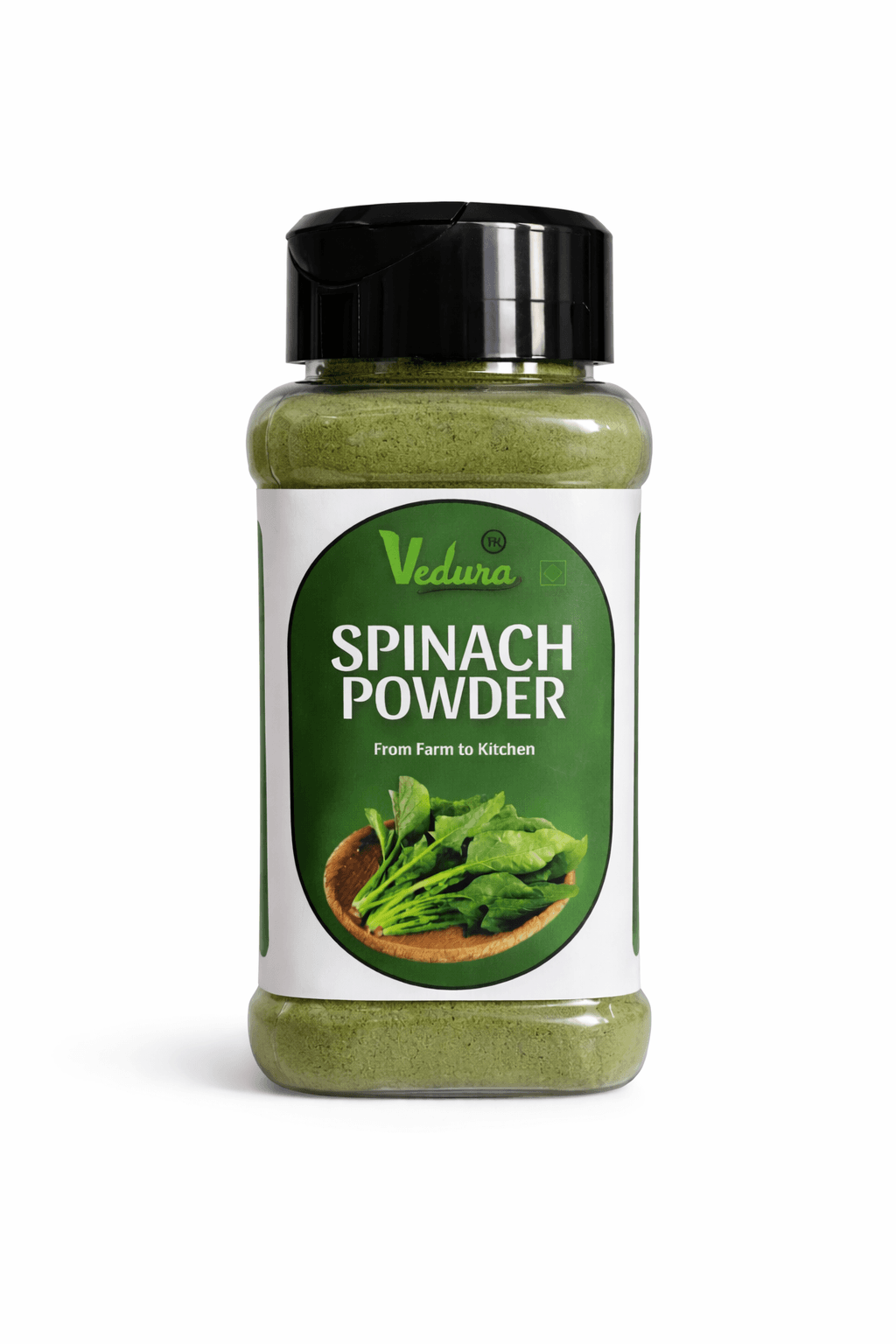
The beauty of solar dehydration lies in its ability to transform highly perishable, low-value fresh produce into shelf-stable, higher-value products. For instance, surplus tomatoes can become tomato powder, onions into dried flakes, and leafy greens like spinach or drumstick leaves into nutritious powders. These products have a significantly longer shelf life, reduce transportation costs due to reduced weight, and can command better prices due to their convenience and extended usability.
Who Buys Your Product?
The market for dehydrated products is diverse. Food processing companies are major buyers, using these ingredients in instant mixes, soups, snacks, and seasonings. Institutional buyers like caterers, hotels, and even schools can be target customers. Furthermore, the burgeoning e-commerce sector and local retail markets offer direct-to-consumer opportunities for packaged dried vegetables and powders. With growing consumer awareness about natural and healthy ingredients, the demand for minimally processed, additive-free dehydrated products is on the rise.
Cost and Revenue Considerations
To illustrate the potential, consider the economics of a micro-unit:
| Item | Description | Impact on Business |
|---|---|---|
| Raw Material Cost | Seasonal vegetables procured directly from farmers | Influences input cost, best when sourced during peak season for lower prices |
| Processing Cost | Slicing, drying, grinding, packaging, labor, electricity (minimal) | Direct operational expense, efficiency improves margins |
| Packaging Cost | Food-grade pouches, containers, labeling | Affects product presentation and shelf appeal, crucial for market value |
| Maintenance | Regular upkeep of dryer and machinery | Ensures longevity of assets, minimal for solar dryers |
| Revenue Potential | Sale of dehydrated powders/flakes/pieces | Higher unit price than fresh produce, year-round sales potential |
| Subsidy Impact | PMFME 35% credit-linked subsidy (up to Rs. 10 lakh) | Significantly reduces initial capital expenditure, improving ROI |
By carefully managing costs, especially raw material procurement during peak harvest, and tapping into diverse market channels, agripreneurs can achieve healthy profit margins.
Getting Started: A Step-by-Step Guide
Phase 1: Planning and Research
Begin by conducting thorough market research in your chosen area. Identify which vegetables are abundant seasonally and have potential demand as dehydrated products. Develop a robust business plan, detailing your production capacity, target markets, financial projections, and operational strategy. Understand the local agricultural ecosystem and build relationships with farmers for raw material sourcing.
Phase 2: Implementation and Operation
Once your business plan is solid and funding secured (e.g., via PMFME), proceed with procuring a suitable solar dryer and ancillary equipment. Ensure proper training for yourself and any staff on food safety, hygiene, and the drying process. Start with a small batch to refine your process and product quality, gradually scaling up as you gain experience and market traction. Continuous quality improvement and aggressive marketing will be key to sustained success.
FAQ
s
Q: What is the initial investment required for a solar dryer micro-unit?
A: The initial investment can vary widely based on the scale and type of solar dryer. Simple cabinet dryers might cost a few tens of thousands of rupees, while larger tunnel dryers or those with forced air systems could range into a few lakhs. The PMFME scheme provides a significant capital subsidy, making even more advanced setups financially feasible.
Q: What kind of products can be made using a solar dryer?
A: A wide array of products can be made, including dehydrated vegetable powders (e.g., onion, garlic, tomato, spinach, carrot), fruit leathers, dried herbs, and even spices. The versatility depends on the type of produce available and market demand for its dried form.
Q: How long does it take to dry vegetables using a solar dryer?
A: Drying time is highly dependent on factors like the type of vegetable, its moisture content, slice thickness, ambient temperature, humidity, and the efficiency of the solar dryer. It can range from a few hours for thin slices in optimal conditions to several days for denser items or during cloudy weather.
Q: Is special training required to operate a solar dryer?
A: While the basic operation is straightforward, training in food processing, hygiene standards (as per FSSAI guidelines), and quality control is highly beneficial. Understanding the optimal drying temperatures and times for different products helps ensure product quality and safety.
Q: Where can I sell the dehydrated products?
A: You can sell to local kirana stores, directly to consumers through local markets or online platforms, to larger food processing companies that use dried ingredients, or to institutional buyers like hotels and caterers. Exploring both B2B and B2C channels can maximize your market reach and revenue streams.
Explore topics
Continue your Vedura journey
Explore product pages, practical recipes, and research-led explainers connected to this topic.
Comments
Be the first to comment.