
For agri-businesses, SHGs offer a unique advantage. Members often possess traditional agricultural knowledge and direct access to raw materials from their farms or local communities. This inherent connection to the agricultural value chain, combined with the collective's ability to procure inputs in bulk and share processing infrastructure, makes SHGs ideal vehicles for establishing micro-food processing units. Women's leadership within these groups is crucial, driving local innovation and addressing community needs directly.
The PMFME scheme aims to formalise and upgrade existing micro food processing units and support new units. For SHGs, the scheme is particularly beneficial. SHG members or the SHG itself can apply for support. As per the scheme guidelines available on the official portal, https://pmfme.mofpi.gov.in, existing SHGs already engaged in food processing activities are eligible for seed capital of Rs. 40,000 per member for working capital and purchase of small tools. For new or existing enterprises, including those run by SHGs, the scheme provides credit-linked capital subsidy at 35% of the eligible project cost, with a maximum subsidy of Rs. 10 Lakh. This financial backing is crucial for purchasing machinery, setting up infrastructure, and meeting initial operational expenses.
Quick Summary
Women-led Self-Help Groups (SHGs) are increasingly becoming catalysts for rural economic development by establishing viable agri-micro enterprises. With focused government initiatives like the Pradhan Mantri Formalisation of Micro Food Processing Enterprises (PMFME) Scheme, these groups can access crucial seed capital, training, and market linkages, transforming collective strength into sustainable businesses in sectors such as spice grinding, pickle making, and dehydrated foods.
The Power of Self-Help Groups in Agri-Business
Self-Help Groups (SHGs) have long been a cornerstone of rural development in India, primarily functioning as collectives for savings and micro-credit among women. What began as a means to foster financial independence has evolved into a powerful platform for collective entrepreneurship. When women come together in an SHG, they pool not just their resources, but also their knowledge, skills, and social capital. This collective strength reduces individual risk, enhances access to credit, and builds a supportive ecosystem for new ventures.
For agri-businesses, SHGs offer a unique advantage. Members often possess traditional agricultural knowledge and direct access to raw materials from their farms or local communities. This inherent connection to the agricultural value chain, combined with the collective's ability to procure inputs in bulk and share processing infrastructure, makes SHGs ideal vehicles for establishing micro-food processing units. Women's leadership within these groups is crucial, driving local innovation and addressing community needs directly.
Viable Agri-Micro Enterprise Ideas for Women SHGs
SHG networks can successfully operate various agri-micro enterprises, adding value to agricultural produce and creating local employment. Here are some promising avenues:
Spice Grinding and Packaging
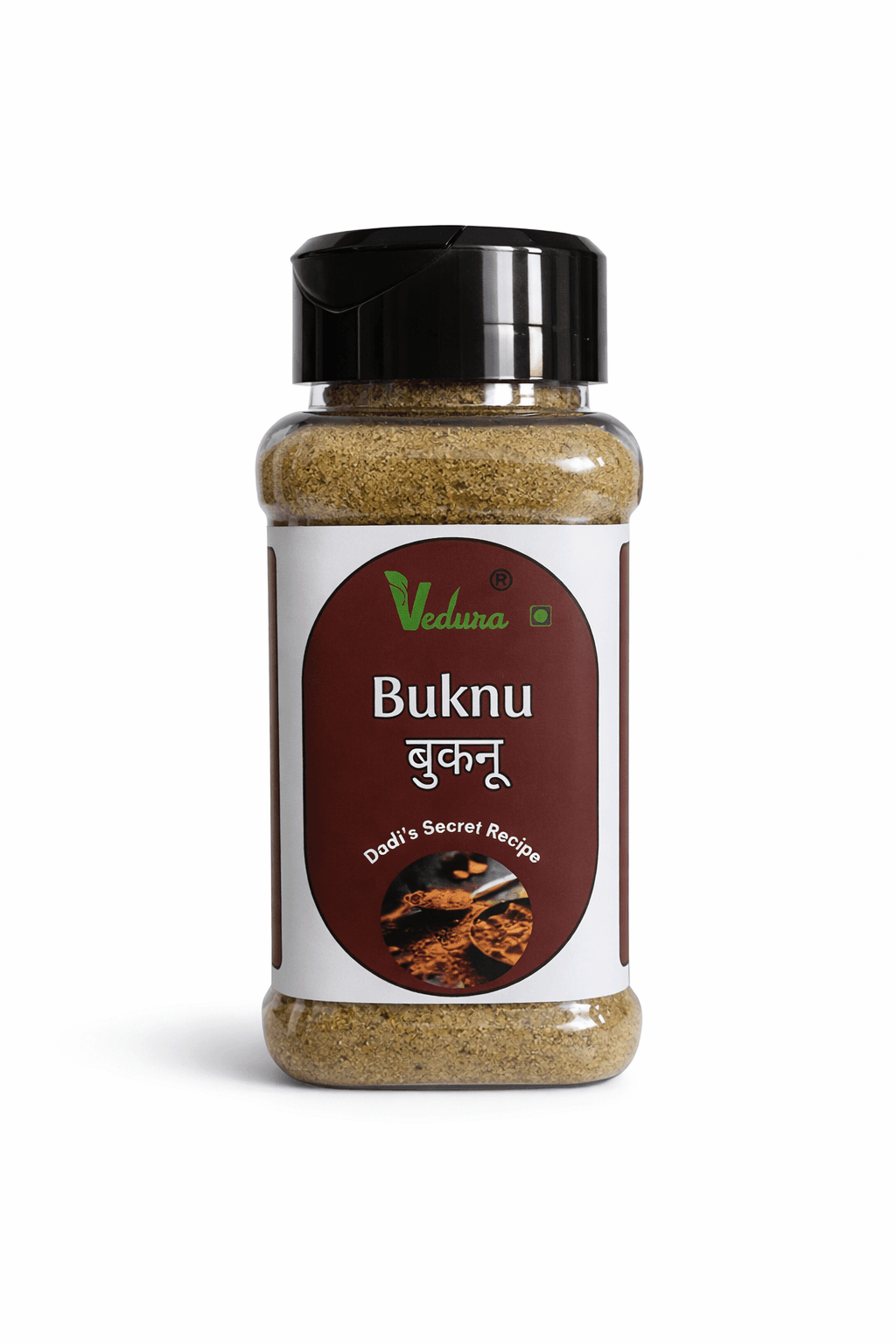
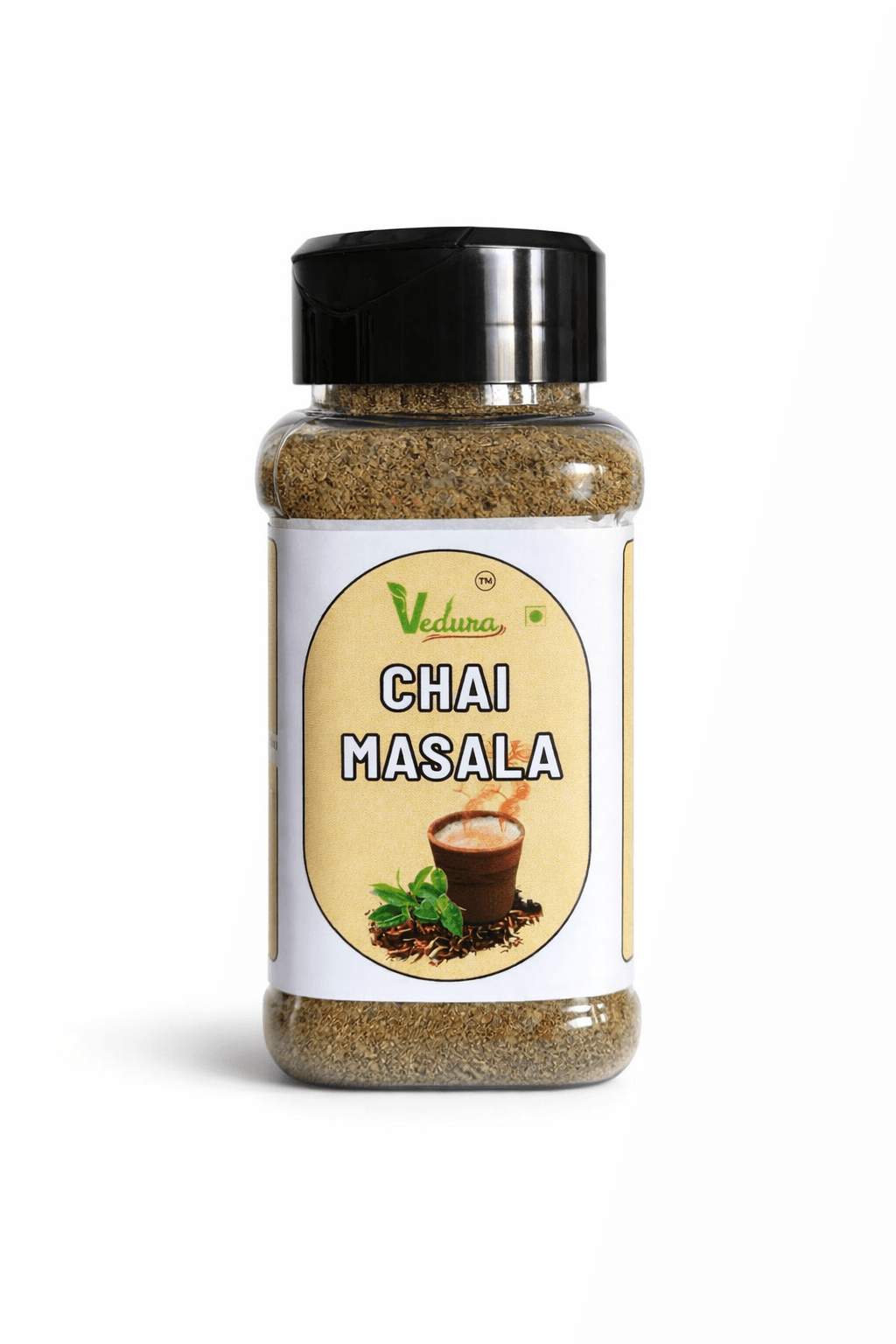
India is the 'spice bowl of the world,' yet much of the value addition happens at larger scales. SHGs can tap into the local demand for fresh, unadulterated ground spices. By sourcing whole spices directly from farmers, cleaning, grinding, and packaging them hygienically, SHGs can offer a premium product. This model requires basic grinding machinery, packaging materials, and adherence to food safety standards as mandated by the Food Safety and Standards Authority of India (FSSAI). The market for quality, locally processed spices is robust among home cooks and small eateries.
Pickle and Preserve Making
Pickles, chutneys, and jams are integral to Indian cuisine and offer excellent opportunities for value addition to fruits and vegetables. Women in SHGs often have traditional recipes and expertise in preparing these items. Using seasonal, locally grown produce, SHGs can create a range of authentic products. This business requires good quality raw materials, basic processing equipment (like cutting tools, cooking vessels), and proper packaging to ensure shelf life. Marketing can leverage local festivals, community markets, and tie-ups with local retailers.
Dehydrated Greens and Vegetables
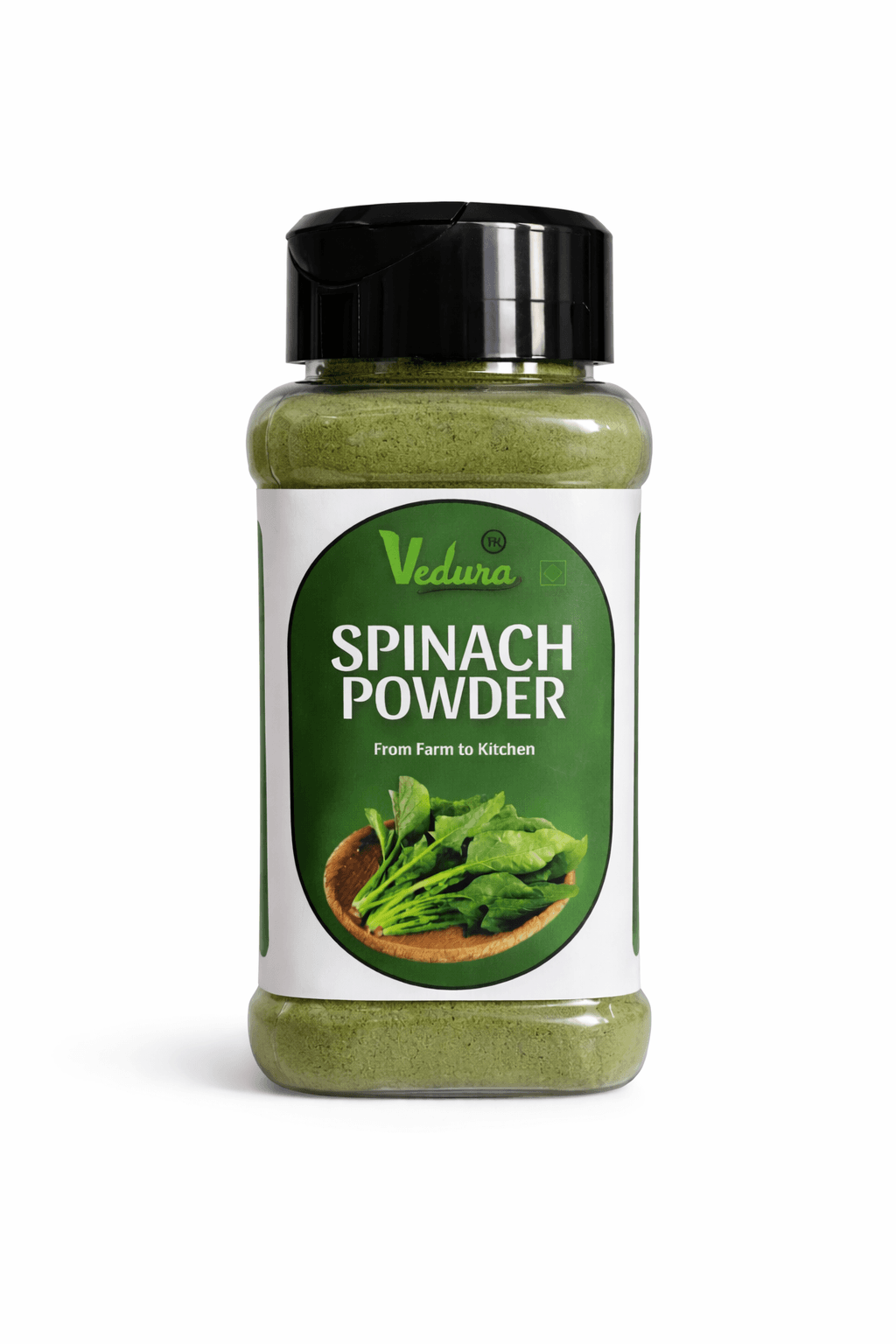
Post-harvest losses are a significant challenge in Indian agriculture. Dehydration is a simple yet effective method to preserve seasonal produce like leafy greens (spinach, fenugreek), onions, tomatoes, and other vegetables, extending their shelf life and creating year-round availability. SHGs can invest in solar dryers or small-scale electric dehydrators. The resulting dehydrated products cater to both rural and urban consumers looking for convenience and nutritional value. This process not only reduces waste but also provides a stable income source by processing surplus produce during peak seasons.
Government Support: Paving the Path to Enterprise
Recognizing the potential of micro-enterprises, especially those led by women, the Indian government has introduced several schemes to provide financial and technical assistance. A key enabler is the Pradhan Mantri Formalisation of Micro Food Processing Enterprises (PMFME) Scheme, launched by the Ministry of Food Processing Industries (MoFPI).
The PMFME scheme aims to formalise and upgrade existing micro food processing units and support new units. For SHGs, the scheme is particularly beneficial. SHG members or the SHG itself can apply for support. As per the scheme guidelines available on the official portal, https://pmfme.mofpi.gov.in, existing SHGs already engaged in food processing activities are eligible for seed capital of Rs. 40,000 per member for working capital and purchase of small tools. For new or existing enterprises, including those run by SHGs, the scheme provides credit-linked capital subsidy at 35% of the eligible project cost, with a maximum subsidy of Rs. 10 Lakh. This financial backing is crucial for purchasing machinery, setting up infrastructure, and meeting initial operational expenses.
Beyond direct financial aid, the scheme also provides extensive training, technical know-how, and handholding support to ensure the success of these ventures. Institutions like NABARD (National Bank for Agriculture and Rural Development) also play a pivotal role in promoting and linking SHGs to financial institutions, further strengthening their access to credit and market opportunities, as highlighted in various NABARD reports on rural development.
Realistic Scale and How to Begin
Starting an agri-micro enterprise through an SHG requires careful planning and a phased approach. The key is to begin with a realistic scale and gradually expand.
1. Idea Validation and Market Research: Before investing, conduct local market research. Identify demand, potential competitors, and pricing strategies. Understand the preferences of your target customers.
2. Skill Assessment and Training: Evaluate the existing skills within the SHG. Identify gaps and arrange for necessary training in food processing techniques, hygiene standards, packaging, and basic business management. PMFME provides support for such training.
3. Business Plan Development: Create a simple yet comprehensive business plan outlining product, market strategy, operational plan, financial projections, and required funding. This plan will be essential for applying for scheme benefits and loans.
4. Registration and Compliance: Register the SHG enterprise appropriately. This typically involves Udyam Registration (for micro-enterprises via udyamregistration.gov.in) and obtaining an FSSAI license, which is mandatory for all food businesses. Compliance with local regulations is also important.
5. Accessing Funding: Leverage the SHG's existing relationship with banks for micro-finance. Apply for schemes like PMFME, utilizing the credit-linked subsidy. Many banks have specific schemes for SHG linkages promoted by NABARD.
6. Pilot Production and Quality Control: Start with small-batch production. Focus on maintaining consistent quality, taste, and hygiene. Gather customer feedback to refine products and processes.
7. Marketing and Distribution: Initially, focus on local markets, direct sales, and community networks. As the enterprise grows, explore partnerships with local stores, online platforms, and institutional buyers.
By following these steps, women-led SHGs can build robust and sustainable agri-micro enterprises that not only provide income but also contribute significantly to local economies and food security.
FAQs
Q: What is a Self-Help Group (SHG) in the context of agri-business?
A: A Self-Help Group (SHG) in agri-business is a small, informal association of rural women who pool their savings and resources to access micro-credit and collectively undertake economic activities. In the agri-business context, they often collaborate to process agricultural produce, add value, and market finished food products, leveraging their collective strength and local knowledge.
Q: How can women's SHGs access funding for agri-micro enterprises?
A: Women's SHGs can access funding primarily through bank linkages, often facilitated by NABARD, for micro-finance loans. Additionally, government schemes like the Pradhan Mantri Formalisation of Micro Food Processing Enterprises (PMFME) provide significant support, offering credit-linked subsidies and seed capital to eligible SHGs for setting up or upgrading food processing units.
Q: What are the initial steps for an SHG to start a food processing unit?
A: The initial steps include identifying a viable product idea based on local demand and raw material availability, conducting market research, developing a basic business plan, and undergoing necessary training in food processing and hygiene. Following this, the SHG should register their enterprise (e.g., Udyam Registration) and obtain an FSSAI license.
Q: What kind of training is available for women agripreneurs in SHGs?
A: Various training programs are available, often supported by government schemes like PMFME, covering aspects such as specific food processing techniques, product development, quality control, packaging, food safety and hygiene (FSSAI standards), and basic business management skills like accounting and marketing. These are crucial for building capacity and ensuring sustainable operations.
Q: How do SHG-led enterprises ensure product quality and market reach?
A: Product quality is ensured through strict adherence to FSSAI guidelines, proper hygiene practices, and standardized processing methods. Market reach is achieved through initial local sales, participation in community markets, tie-ups with local retailers, and leveraging digital platforms or government-supported marketing channels as the enterprise scales. Building a strong local brand identity also plays a key role.
Q: What is the maximum subsidy available under the PMFME scheme for SHG enterprises?
A: Under the Pradhan Mantri Formalisation of Micro Food Processing Enterprises (PMFME) Scheme, eligible SHG enterprises can receive a credit-linked capital subsidy at 35% of the eligible project cost, with a maximum subsidy limit of Rs. 10 Lakh. Additionally, existing SHGs engaged in food processing can receive seed capital of Rs. 40,000 per member for working capital and small tool purchases.
Explore topics
Continue your Vedura journey
Explore product pages, practical recipes, and research-led explainers connected to this topic.
Comments
Be the first to comment.