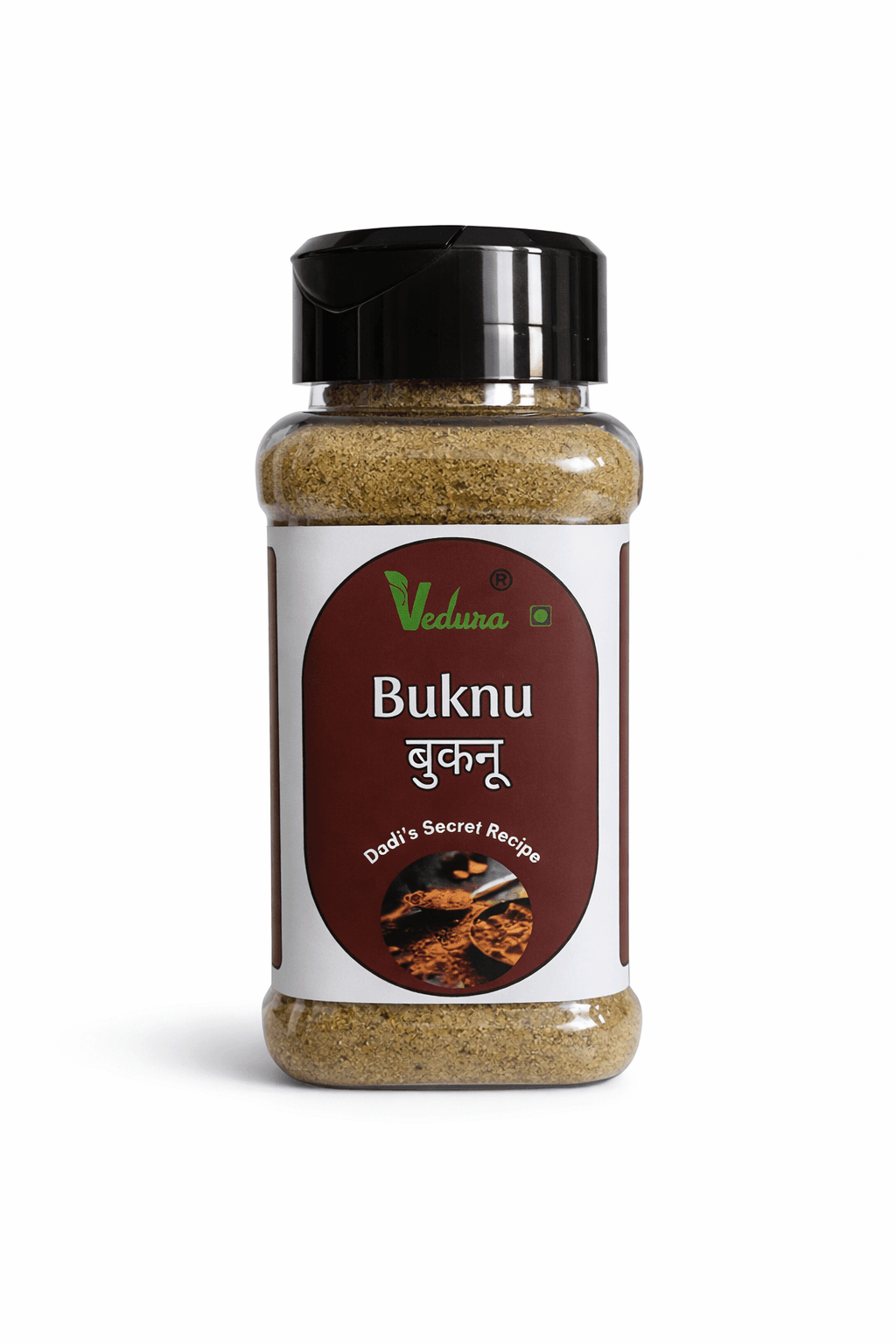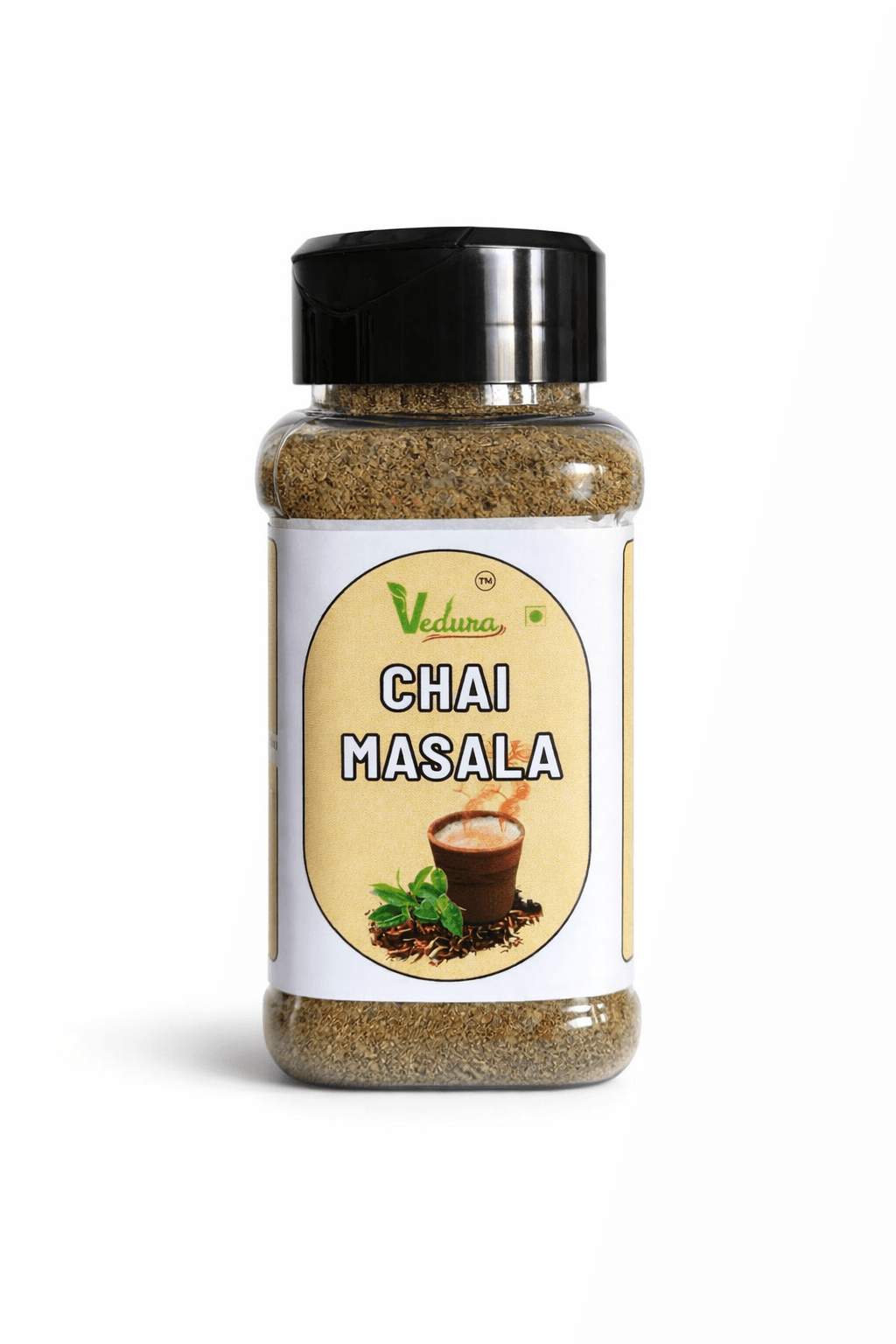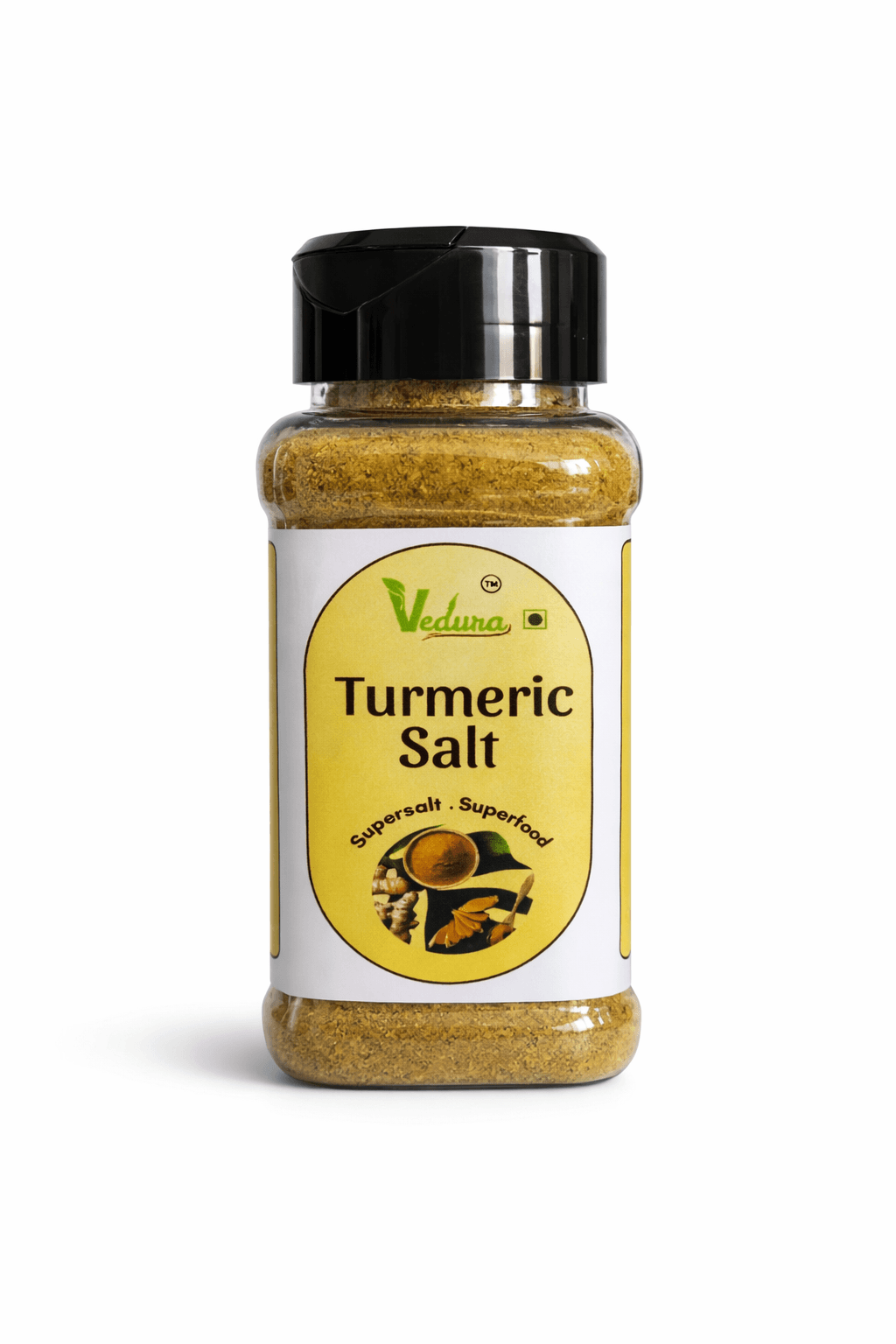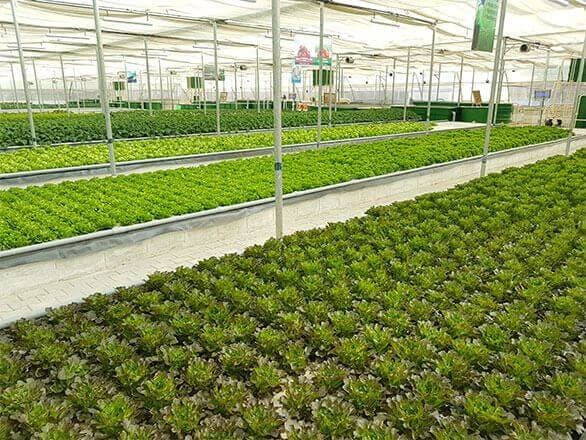

Consumers today are increasingly discerning, seeking not just quality but also authenticity and a story behind their food. A hyperlocal brand can deliver precisely that, offering freshness and a direct link to the land that mass-produced products often cannot. This approach reduces complex supply chains, minimizing logistics costs and environmental impact, while empowering local economies.
For instance, an entrepreneur might identify a specific type of organic black pepper cultivated by tribal communities in the Western Ghats, or a heritage variety of rice from a particular village in Uttarakhand. Researching local agricultural produce and engaging with farmer producer organizations (FPOs) or agricultural universities like those under the Indian Council of Agricultural Research (ICAR) can provide invaluable insights into viable options.
Quick Summary
The hyperlocal farm-to-brand model offers Indian agripreneurs a powerful path to building profitable food businesses. By focusing on a single ingredient sourced directly from a specific region, entrepreneurs can create high-value products, leveraging traceability as a key selling point. Government initiatives like the Pradhan Mantri Formalisation of Micro Food Processing Enterprises (PMFME) scheme provide crucial financial and technical support to help these small-scale ventures thrive.
The Hyperlocal Edge: Why India Needs This Model
In India's diverse agricultural landscape, a "hyperlocal farm-to-brand" strategy presents an exciting opportunity for food entrepreneurs. This model centers on building a business around one specific agricultural ingredient, sourced exclusively from a defined geographic area. Imagine a brand selling only unique turmeric from Sangli, or a special variety of chili powder from Guntur. This deep connection to the source allows for unparalleled quality control, fosters strong community ties with farmers, and builds consumer trust through transparent traceability.
Consumers today are increasingly discerning, seeking not just quality but also authenticity and a story behind their food. A hyperlocal brand can deliver precisely that, offering freshness and a direct link to the land that mass-produced products often cannot. This approach reduces complex supply chains, minimizing logistics costs and environmental impact, while empowering local economies.
Identifying Your Signature Ingredient and Region
The first step in this journey is to pinpoint your "signature ingredient." This should ideally be a crop that is abundant and well-regarded in a particular region. Consider:
* Regional Specialties: Is there a particular spice, grain, fruit, or vegetable for which a specific district is famous? Think about GI (Geographical Indication) tagged products or those with unique local characteristics.
* Processing Potential: Can this ingredient be value-added with relatively simple processing? Examples include drying and milling for spices, making flours from millets, or creating dehydrated greens.
* Market Demand: Is there a local or niche market for this product? Can you differentiate it from existing offerings through superior quality or unique origin story?
For instance, an entrepreneur might identify a specific type of organic black pepper cultivated by tribal communities in the Western Ghats, or a heritage variety of rice from a particular village in Uttarakhand. Researching local agricultural produce and engaging with farmer producer organizations (FPOs) or agricultural universities like those under the Indian Council of Agricultural Research (ICAR) can provide invaluable insights into viable options.
Building Your Value Chain: From Farm Gate to Market Shelf
Once an ingredient and region are chosen, the real work begins: establishing a robust, transparent value chain.
Sourcing & Farmer Engagement
Directly engaging with farmers is paramount. This involves forming long-term relationships, offering fair prices that incentivize quality, and providing guidance on best agricultural practices, potentially even helping with organic certification. Clear contracts and consistent procurement build trust and ensure a reliable supply of raw material.
Processing & Value Addition
Processing should be minimal yet impactful, focused on preserving the ingredient's natural qualities while enhancing its market appeal. This could involve:
* Cleaning and Grading: Essential for quality consistency.
* Drying: Using solar dryers or small-scale mechanical dryers for spices, fruits, or greens.
* Milling/Grinding: For flours, spices, or powders.
* Packaging: Using food-grade materials that protect product integrity and appeal to consumers.
Micro-food processing units, often operating at the village or block level, are ideal for this model. The Ministry of Food Processing Industries (MoFPI) actively promotes such setups.
Branding & Packaging
Your brand story is the soul of your hyperlocal product. Emphasize the origin, the specific farmers (without naming them individually), the purity, and the traditional methods. Packaging should be attractive, informative, and reflect the product's premium quality. Crucially, clearly communicate the traceability aspect – perhaps with a batch number that links back to the specific farm cluster or harvest period.
Distribution
Initially, focus on local markets, farmer's markets, and direct-to-consumer (D2C) online sales. As the brand grows, explore partnerships with specialty food stores, organic outlets, and e-commerce platforms that align with your brand ethos.
Government Support for Agripreneurs: Schemes and Subsidies
India's government is keenly aware of the potential in the food processing sector, especially for micro and small enterprises. Several schemes offer significant support:
The Pradhan Mantri Formalisation of Micro Food Processing Enterprises (PMFME) Scheme is a cornerstone for agripreneurs. Launched under the Ministry of Food Processing Industries, it aims to enhance the competitiveness of existing individual micro-enterprises in the unorganized segment and promote formalization.
Key benefits of the PMFME scheme:
* Credit-Linked Subsidy: 35% of the eligible project cost, with a maximum limit of ₹10 lakh per unit.
* Seed Capital: For Self-Help Groups (SHGs) to purchase equipment and working capital.
* Training & Technical Support: For skill development, FSSAI standards, and business plan preparation.
* Marketing & Branding Support: For common infrastructure, brand building, and market access.
Eligibility for the individual unit component generally requires the applicant to be an existing micro food processing enterprise (proprietorship, partnership, SHG, farmer producer organization, etc.) intending to upgrade its unit. The official portal for application and detailed guidelines is accessible at https://pmfme.mofpi.gov.in.
NABARD (National Bank for Agriculture and Rural Development) also plays a vital role, providing refinance support to banks for extending credit to the agriculture and rural development sectors, including food processing units and FPOs. Their various initiatives aim to strengthen rural infrastructure and entrepreneurship.
| Feature | PMFME Scheme (Individual Units) |
| :-------------------- | :------------------------------------------------------------- |
| Objective | Formalization and upgrade of micro food processing enterprises |
| Eligible Entities | Existing micro-enterprises, SHGs, FPOs |
| Financial Support | 35% credit-linked subsidy on eligible project cost |
| Maximum Subsidy | ₹10 lakh per unit |
| Focus | Value addition, formalization, market access |
Financial Viability and Scaling Up
Starting small is key. Begin with a manageable production volume and a clear understanding of your costs – raw materials, processing, packaging, and marketing. The value addition through processing and branding allows for higher margins compared to selling raw produce. While initial capital might seem daunting, government schemes like PMFME significantly reduce the financial burden.
As your brand gains traction, consider reinvesting profits to upgrade equipment, expand your product line (perhaps adding complementary products from the same region), or increase production capacity. Scaling should be organic and demand-driven, ensuring that the core values of quality and traceability are never compromised. Building a strong community of loyal customers who appreciate your product's unique story and ethical sourcing will be your greatest asset for sustainable growth.
FAQs
Q: What is a hyperlocal farm-to-brand business?
A: It's a business model where an entrepreneur focuses on sourcing a single agricultural ingredient from a specific, limited geographic region and transforms it into a branded food product. The emphasis is on local sourcing, direct farmer relationships, and transparent traceability to the origin.
Q: How does traceability benefit my brand?
A: Traceability builds immense consumer trust by allowing them to know the exact origin of their food, often down to the farm cluster or harvest batch. It assures quality, authenticity, and ethical sourcing, distinguishing your product in a crowded market and justifying a premium price.
Q: Which government schemes support this model in India?
A: The Pradhan Mantri Formalisation of Micro Food Processing Enterprises (PMFME) scheme is highly relevant, offering a 35% credit-linked subsidy (up to ₹10 lakh) for individual micro-enterprises to upgrade their units. Other schemes from NABARD and state agricultural departments can also provide support.
Q: What kind of products are suitable for a hyperlocal approach?
A: Products with distinct regional characteristics, those that benefit from minimal processing, or ingredients traditionally associated with a specific area are ideal. Examples include single-origin spices, heritage grains, specialty flours, dehydrated fruits or vegetables, and unique culinary oils.
Q: How much capital is needed to start small?
A: The initial capital can vary widely based on the product and scale. However, by starting with basic processing equipment and leveraging schemes like PMFME, which provides a significant subsidy on project costs, entrepreneurs can begin with a relatively modest investment. Focus on proof of concept before scaling.
Q: How can I ensure quality control from local farmers?
A: Establish clear quality parameters and communicate them to farmers. Implement regular checks at the time of procurement. Provide training on post-harvest handling and storage. Building strong, long-term relationships based on trust and fair practices is key to ensuring consistent quality.
Explore topics
Continue your Vedura journey
Explore product pages, practical recipes, and research-led explainers connected to this topic.
Comments
Be the first to comment.