
When most people picture a startup founder in India, they picture a 26-year-old in Bengaluru or Mumbai with a laptop and a pitch deck. They don't picture a 40-year-old woman in Pratapgarh, Uttar Pradesh, running a precision dehydration unit at the edge of her spinach farm, testing moisture levels with a calibrated hygrometer, and selling her output at five times the price she used to receive at the mandi.
That second image is the one Vedura Foods is working to make normal.
The Agripreneur Is India's Next Entrepreneur - Here's Why Vedura Is Betting Everything on Them
When most people picture a startup founder in India, they picture a 26-year-old in Bengaluru or Mumbai with a laptop and a pitch deck. They don't picture a 40-year-old woman in Pratapgarh, Uttar Pradesh, running a precision dehydration unit at the edge of her spinach farm, testing moisture levels with a calibrated hygrometer, and selling her output at five times the price she used to receive at the mandi.
That second image is the one Vedura Foods is working to make normal.
We call her an agripreneur - and we believe the agripreneur is the most important entrepreneur India hasn't fully recognised yet.
The Structural Shift Already Underway
India's agricultural story is changing faster than the headlines suggest. Over the past decade, high-value horticulture crops - fruits and vegetables - have grown in output value at nearly twice the pace of traditional cereal crops. Livestock has surged. Spice cultivation has expanded. Farmers, particularly in states like UP, are diversifying into crops that command premium pricing when managed well.
India recorded its highest-ever foodgrain production of 357.73 million tonnes in 2024-25 - nearly 8% higher than the previous year. Horticulture output reached 369 million tonnes in the same period. The agricultural sector contributed approximately 16% of India's GDP in FY 2024-25 and directly supports the livelihoods of more than 46% of the population.
The raw material for an agripreneur revolution is already in the ground. What has been missing is the value addition infrastructure to capture it.
The Processing Gap: India's Biggest Unlocked Opportunity
Here is a number that defines an era of opportunity: India currently processes less than 10% of its agricultural output. In countries like the USA, it's over 65%. In China, closer to 40%. This gap is not a failure - it is an invitation.
Every percentage point of processing uptake translates into farmer income, rural employment, and export value. The government understands this. The Production Linked Incentive scheme for food processing has a ₹10,900 crore outlay specifically to create global food brands and expand processing capacity. Under PMKSY, over 1,185 projects are now operational, having driven ₹21,900 crore in investment and impacting 51 lakh farmers with 7.22 lakh jobs. The PMFME scheme has supported over 2 lakh micro food processing enterprises.
A national infrastructure for farm-gate value addition is being built. It needs a model to run through it.
Why the Centralised Model Isn't Enough
The standard food processing industry model works like this: large processing plants buy raw agricultural produce from farmers, process it centrally, and distribute nationally. The farmer remains a raw material vendor - price-taker, not value-creator.
This model has a fundamental problem: it does nothing about the spoilage window between harvest and plant. By the time vegetables reach a central processing facility, days may have passed. Nutritional value has already declined. A portion has already been lost to transport damage. And the farmer has already accepted a mandi price that reflected abundance, not quality.
Vedura's model inverts this. Processing happens at the farm-gate - within 48 hours of harvest, before nutritional decline begins, before transport damages set in, and before the mandi volatility clock starts ticking. The farmer doesn't just supply us - the farmer becomes the first processor in the chain.
This is what distinguishes an agripreneur from an agricultural labourer: ownership of the process, not just the crop.
What Skill Uplifting Actually Looks Like
The word "training" gets used loosely in Indian agricultural development. Too often it means a one-day workshop with laminated handouts. At Vedura, it means something more specific.
Our agripreneur programme builds competency in three areas:
Moisture Management: Understanding the difference between dehydration that strips water and dehydration that preserves biological activity. The Goldilocks Zone - operating within a temperature band that removes moisture without killing enzymes or degrading chlorophyll - is a technical skill, not a folk technique.
Food Safety and Hygiene Standards: FSSAI compliance isn't optional if you want your product to move through institutional and retail channels. Farmers who understand hygiene protocols aren't just safer - they're credentialled as processors, not just growers.
Value-Chain Economics: Understanding that a kilogram of wet spinach at ₹5 and a kilogram of dehydrated spinach at ₹40+ are the same material at different points of processing. Understanding your cost of processing, your margin, and your Fair-Trade pricing with Vedura transforms a farmer into a small business owner.
This is rural industrialisation from the bottom up - dignified, skilled employment that stays in the village rather than migrating to the city.
The Numbers That Make This a National Imperative
India's food processing sector is on a trajectory to reach $535 billion by 2025-26 and potentially $1.1 trillion by FY35 according to the Viksit Bharat 2047 report. Processed food exports already reached USD 10.09 billion in 2024-25. The government has set a target of creating 9 million food processing jobs over the next five years.
Meanwhile, rural households are shifting their spending. Processed food and beverages now account for nearly 10% of rural food expenditure and 11% in urban areas - already exceeding spending on fresh meat, vegetables, and fruits in both categories. Demand is outrunning supply of quality processed products.
And through all of this, 86% of India's farmers remain small and marginal - holding less than two hectares of land, with limited access to institutional credit, cold chain infrastructure, or processing technology.
The agripreneur model doesn't require those farmers to become large. It requires them to become smarter about what happens after the harvest - and to have a partner who gives them the tools to do so.
Vedura's Position in This Story
We are not an NGO, and we are not a charity. We are a business that has identified the intersection of a market opportunity and a social imperative, and we are building infrastructure at that intersection.
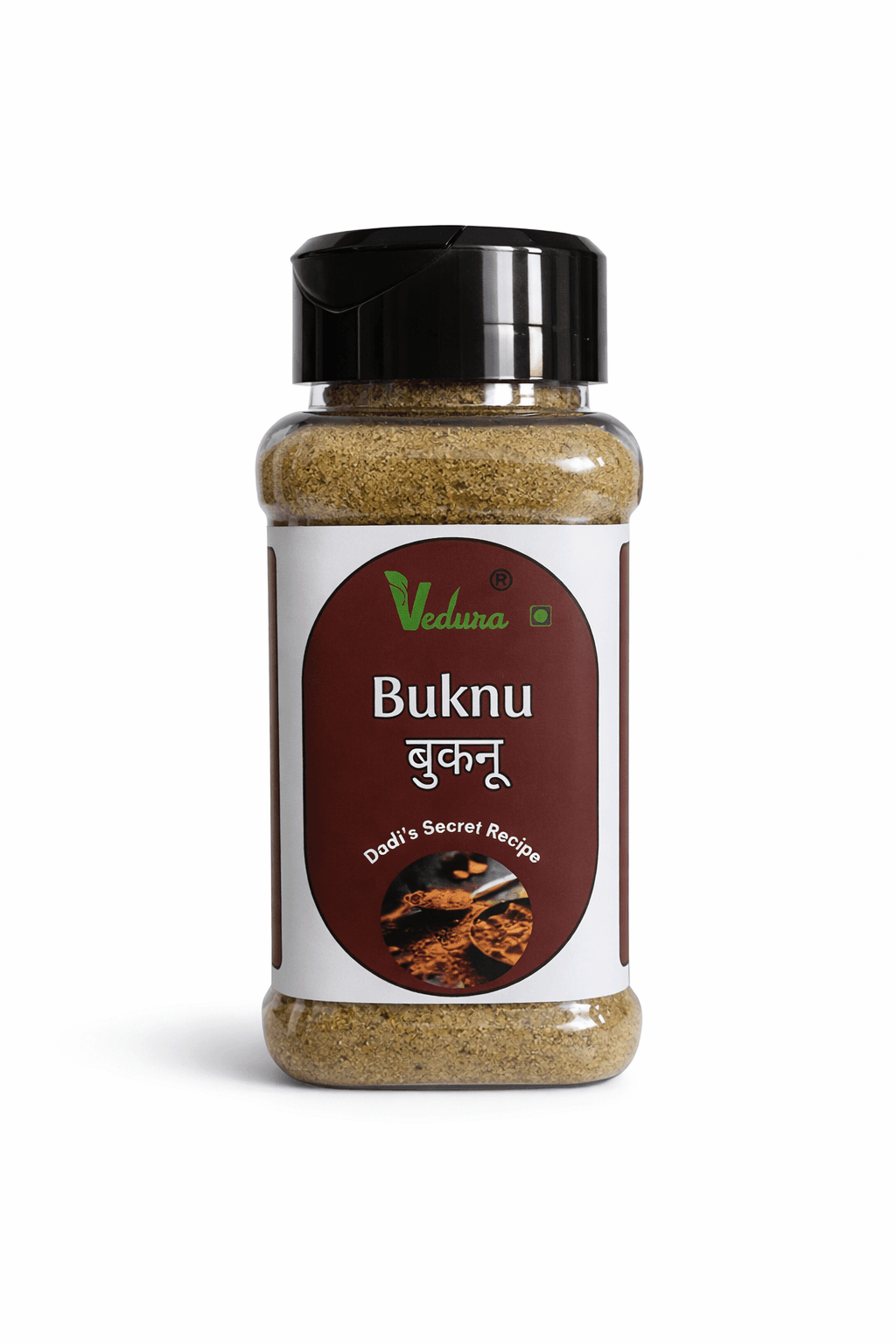
Our dehydrated greens product line addresses the urban consumer's need for convenient, nutritionally honest food. Our Buknu/Turmeric Salt product line addresses the booming functional foods market with a heritage formulation that no competitor has yet standardised. Our agripreneur network addresses the farm-gate value creation problem that costs India ₹1,52,790 crore in post-harvest losses every year.
All three are connected. The same farmer who grows the spinach that becomes Vedura greens can grow the turmeric and spices that supply our Buknu production. The same training infrastructure that teaches dehydration management also builds food safety literacy. The same Fair-Trade pricing model that protects the vegetable farmer protects the spice farmer.
This is not a product company. This is a supply chain reinvention - one agripreneur at a time, beginning in the soil of Uttar Pradesh, where India's agricultural abundance is greatest and where the tools to capture its value have, for too long, been absent.
India grows enough. It's time it earned enough, too.
FAQs
What is an agripreneur?
An agripreneur is a rural entrepreneur who captures more of agriculture's value through processing, value addition, branding, or market access, rather than selling raw produce at commodity prices.
Why is agripreneurship important for India?
India produces enormous agricultural surplus but loses much of its value to post-harvest waste and intermediaries; agripreneurship keeps more of that value with farmers and rural communities. See our piece on India's post-harvest loss.
How can a farmer become an agripreneur?
By moving up the value chain - processing, dehydrating, grading, or branding produce - often through collectives like FPOs and supported by government schemes.
What is Vedura's role in agripreneurship?
Vedura builds decentralised, farmer-owned preservation and value-addition infrastructure, turning agricultural surplus into shelf-stable products like its dehydrated greens and spices.
Vedura Foods - Made in India, Made for India. Prayagraj, Uttar Pradesh.
Follow our journey at vedurafoods.in
Explore topics
Continue your Vedura journey
Explore product pages, practical recipes, and research-led explainers connected to this topic.
Comments
Be the first to comment.