Let us be direct about what this article is and is not.
It is not a doomsday prepping guide. It is not premised on the belief that catastrophic civilisational collapse is imminent. It is a practical guide to maintaining a household food reserve that provides security and flexibility in the kinds of disruptions that actually occur - floods, earthquakes, extended power outages, supply chain disruptions, illness in the family, unexpected job loss, or the kind of sustained price spikes that global instability creates.
What Every Indian Household Should Have in a 30-Day Emergency Food Kit
Let us be direct about what this article is and is not.
It is not a doomsday prepping guide. It is not premised on the belief that catastrophic civilisational collapse is imminent. It is a practical guide to maintaining a household food reserve that provides security and flexibility in the kinds of disruptions that actually occur - floods, earthquakes, extended power outages, supply chain disruptions, illness in the family, unexpected job loss, or the kind of sustained price spikes that global instability creates.
India is a country where these events occur regularly. In 2023 alone, significant floods affected food distribution in Himachal Pradesh, Uttarakhand, and parts of South India. Cyclones regularly disrupt coastal food supply chains. The COVID-19 lockdowns of 2020 demonstrated, forcefully, what happens when supply chains are disrupted without warning and households have no reserves.
A 30-day food reserve is not paranoia. It is the household equivalent of a first aid kit - you hope you never need it fully, but you are glad to have it when you do.
The Nutritional Framework
A 30-day emergency food kit for an Indian household of four should provide approximately 2,000 calories per person per day, adequate protein (50-60g per day), micronutrients to prevent deficiency conditions over a 30-day period, and sufficient variety to maintain palatability (people who dislike their emergency food do not eat it).
The Indian kitchen's traditional architecture maps almost perfectly onto these requirements.
The Complete 30-Day Kit for a Family of Four
GRAINS (Calorie foundation)
- Whole wheat atta: 10 kg (provides ~30 rotis per day for four people)
- Rice (basmati or regular): 8 kg
- Poha (beaten rice): 2 kg - fast-cooking, versatile
- Oats: 2 kg - nutritionally dense, minimal cooking required
- *Storage*: Sealed metal or thick plastic containers with bay leaves
PROTEIN (Dal and legumes)
- Masoor dal: 2 kg
- Moong dal (whole and split): 2 kg
- Toor dal: 2 kg
- Chana dal: 1 kg
- Rajma: 1 kg
- Kabuli chana: 1 kg
- *Total*: ~9 kg provides approximately 40-50g protein per person per day when combined with grain
- *Storage*: Airtight glass or steel containers
FATS
- Ghee: 2 x 500g tins - shelf-stable without refrigeration for 6-9 months sealed
- Cold-pressed mustard oil: 2 litres
- *Note*: Fat is calorie-dense and essential for fat-soluble vitamin absorption. Do not understock this category.
MICRONUTRIENTS - The critical category most emergency kits miss
This is where dehydrated greens become genuinely important in an emergency food context. Fresh vegetables are unavailable or inaccessible during actual emergencies. The consequence - eating a calorie-adequate but micronutrient-deficient diet for 30 days - causes measurable health degradation.
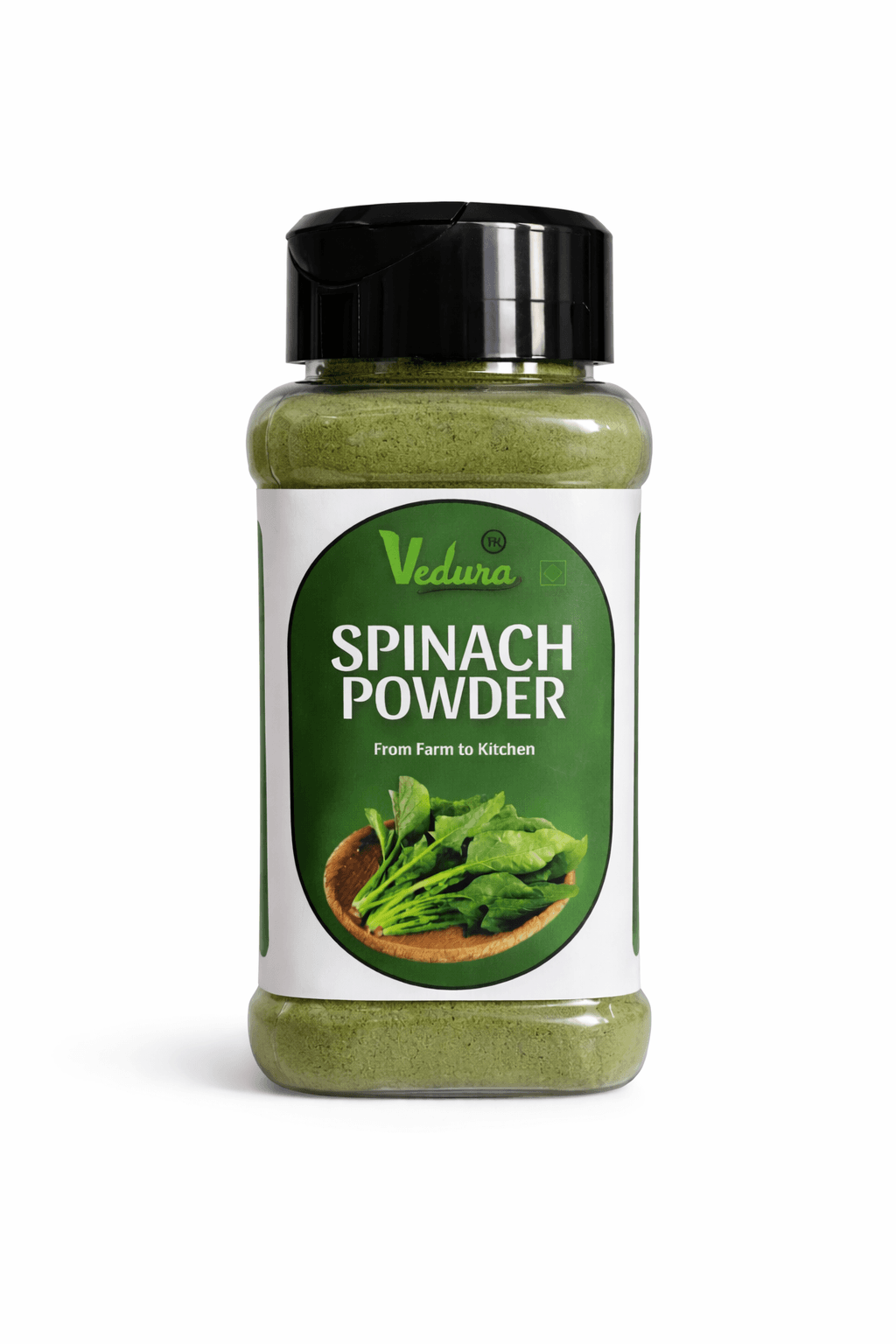
- Dehydrated spinach powder: 200g - iron, folate, Vitamin K
- Dehydrated sarso powder: 150g - Vitamins A, C, K, glucosinolates
- Dehydrated methi powder: 150g - blood sugar support, fibre, iron
- Dehydrated coriander powder: 150g - antioxidants, digestion, chelation
- Dehydrated bathua powder: 150g - calcium, iron, phosphorus
These five items together weigh under 800g, require no refrigeration, last 12 months, and collectively provide a comprehensive micronutrient profile that keeps a family nutritionally complete for 30 days even with no fresh produce available. Cost: approximately Rs 600-800 total. The nutritional insurance value is orders of magnitude higher.
SPICES AND SEASONING
- Turmeric salt: 100g - flavour, anti-inflammatory, finishing salt
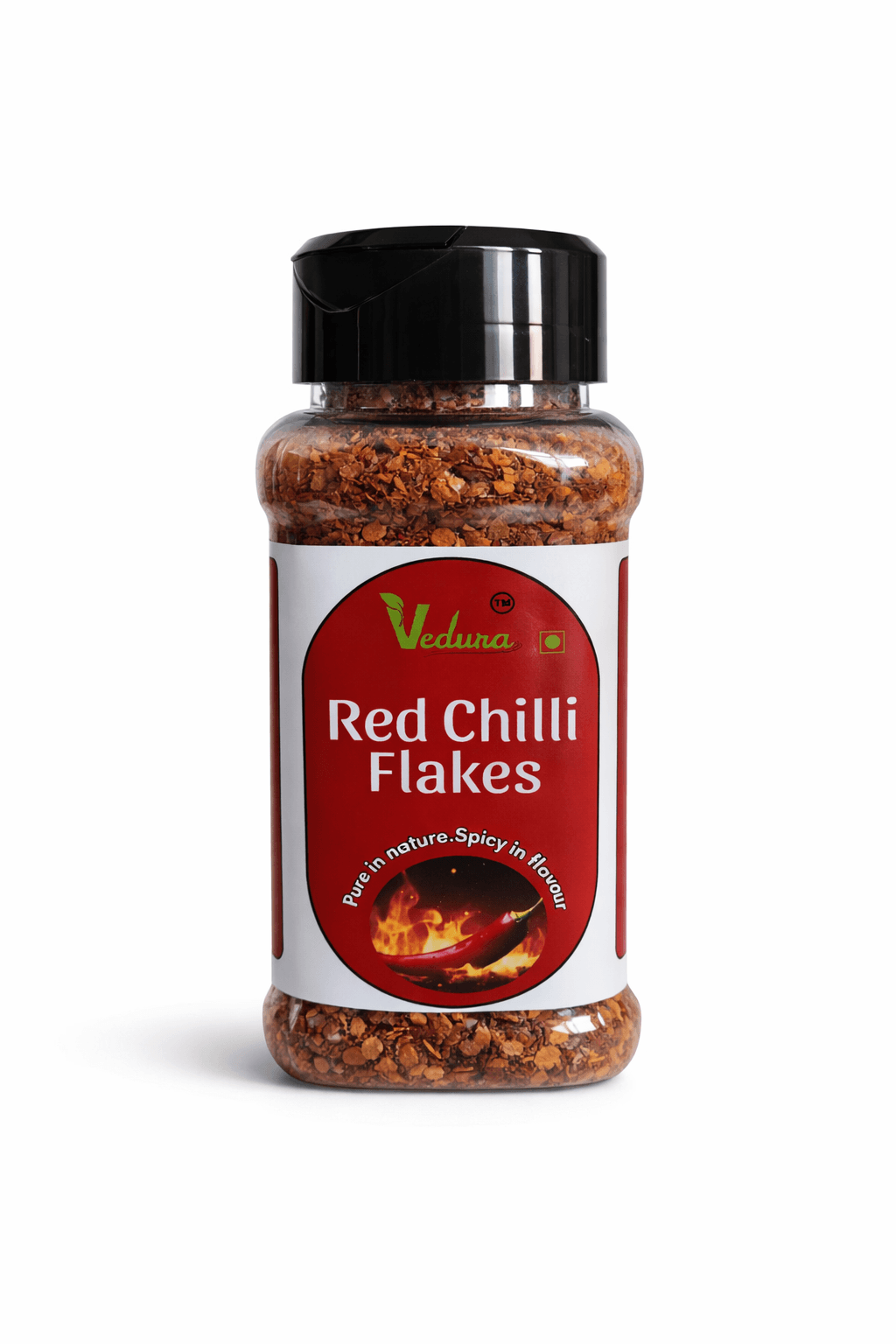
- Red chilli flakes: 50g
- Green chilli flakes: 50g
- Whole cumin, coriander seeds, mustard seeds: 100g each
- Black pepper: 50g
- Dry ginger powder: 50g
- Hing (asafoetida): small quantity
- *Note*: Spices are not a luxury in emergency food - they are palatability management. People who are stressed, displaced, or uncomfortable will not eat food they find unpalatable regardless of its caloric content. Flavour maintains food intake.
SHELF-STABLE DAIRY AND PROTEIN
- UHT milk: 6-8 litres (long shelf life, refrigeration not required until opened)
- Dried milk powder: 500g
- Peanut butter: 2 x 500g - high protein, high calorie, versatile
MISCELLANEOUS
- Sugar: 2 kg
- Salt: 2 kg (iodised)
- Baking soda and baking powder: emergency bread applications
- Instant yeast (sealed): bread-making without commercial supply
Cost and Storage
The complete kit for a family of four costs approximately Rs 6,000-8,000 at current prices - less than three months of typical household food waste. It occupies approximately 50-60 litres of storage volume (roughly two large storage boxes).
Rotate items regularly - use and replace on a rolling basis so nothing expires. The kit is not a sealed time capsule. It is a live pantry managed with slightly more intentionality than usual.
The Mindset Shift
The most important thing about building a 30-day food reserve is not the specific items - it is the mindset shift from consumption-as-you-go to maintained-reserve.
This is how Indian households have always managed food, before modern supply chain convenience made weekly shopping the default. The global uncertainty of 2025 is not a reason to panic. It is a reason to recover a habit that made Indian households genuinely resilient for centuries.
Build the kit. Maintain it. Use it freely. The calm it provides is worth far more than its cost.
Explore topics
Continue your Vedura journey
Explore product pages, practical recipes, and research-led explainers connected to this topic.
Comments
Be the first to comment.