India produces enormous agricultural surpluses that are consumed in their raw form at the lowest point of the value chain - often by the same farmers who grew them, at commodity prices set by intermediaries. The gap between raw agricultural commodity prices and consumer-end prices for processed, branded, or value-added versions of the same ingredient is where agri-entrepreneurship lives.
Here are 15 specific opportunities with genuine market traction in 2025.
15 High-Potential Agri Value Addition Business Ideas for India in 2025
India produces enormous agricultural surpluses that are consumed in their raw form at the lowest point of the value chain - often by the same farmers who grew them, at commodity prices set by intermediaries. The gap between raw agricultural commodity prices and consumer-end prices for processed, branded, or value-added versions of the same ingredient is where agri-entrepreneurship lives.
Here are 15 specific opportunities with genuine market traction in 2025.
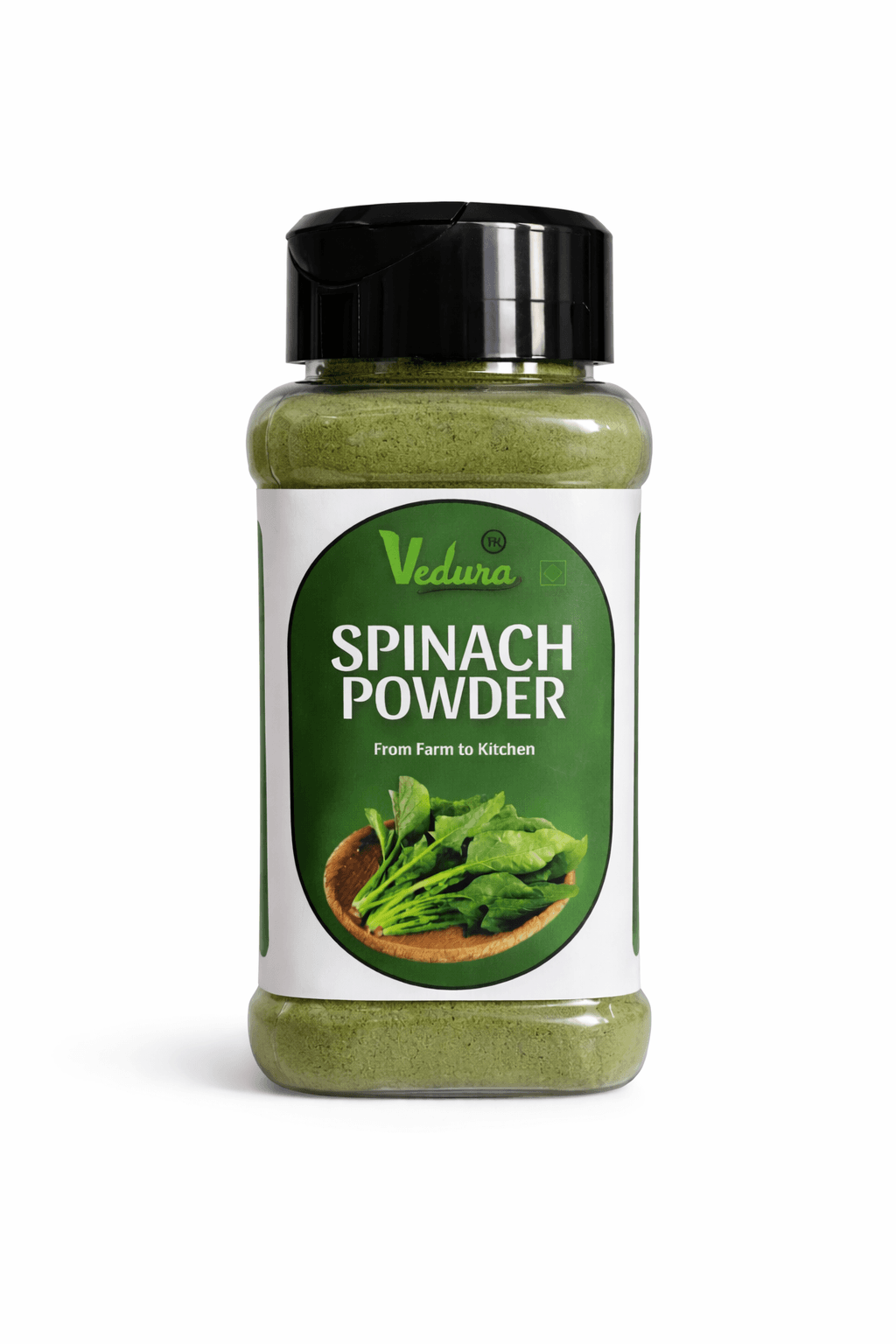
1. Dehydrated Vegetable and Green Powder Production
Market opportunity: The Indian dehydrated vegetable market is projected to grow at 7-8% CAGR through 2028. Demand is driven by D2C health food brands, restaurant supply chains, and institutional buyers (hospitals, hotels, airlines) seeking shelf-stable vegetable inputs.
Investment range: Rs 5-25 lakh for a basic dehydration setup (tray dryers or tunnel dryers) capable of processing 50-100 kg fresh material per cycle.
Competitive advantage: Hyperlocal sourcing of seasonal surplus. A unit in Punjab can source sarso and bathua at harvest-time lows and process them into dehydrated powder with 8-12 month shelf life - capturing value from a seasonal surplus that would otherwise be wasted.
Government support: PMFME subsidy (35% on eligible project cost), Cold Chain infrastructure support under SAMPADA.
2. Spice Blending and Regional Masala Production
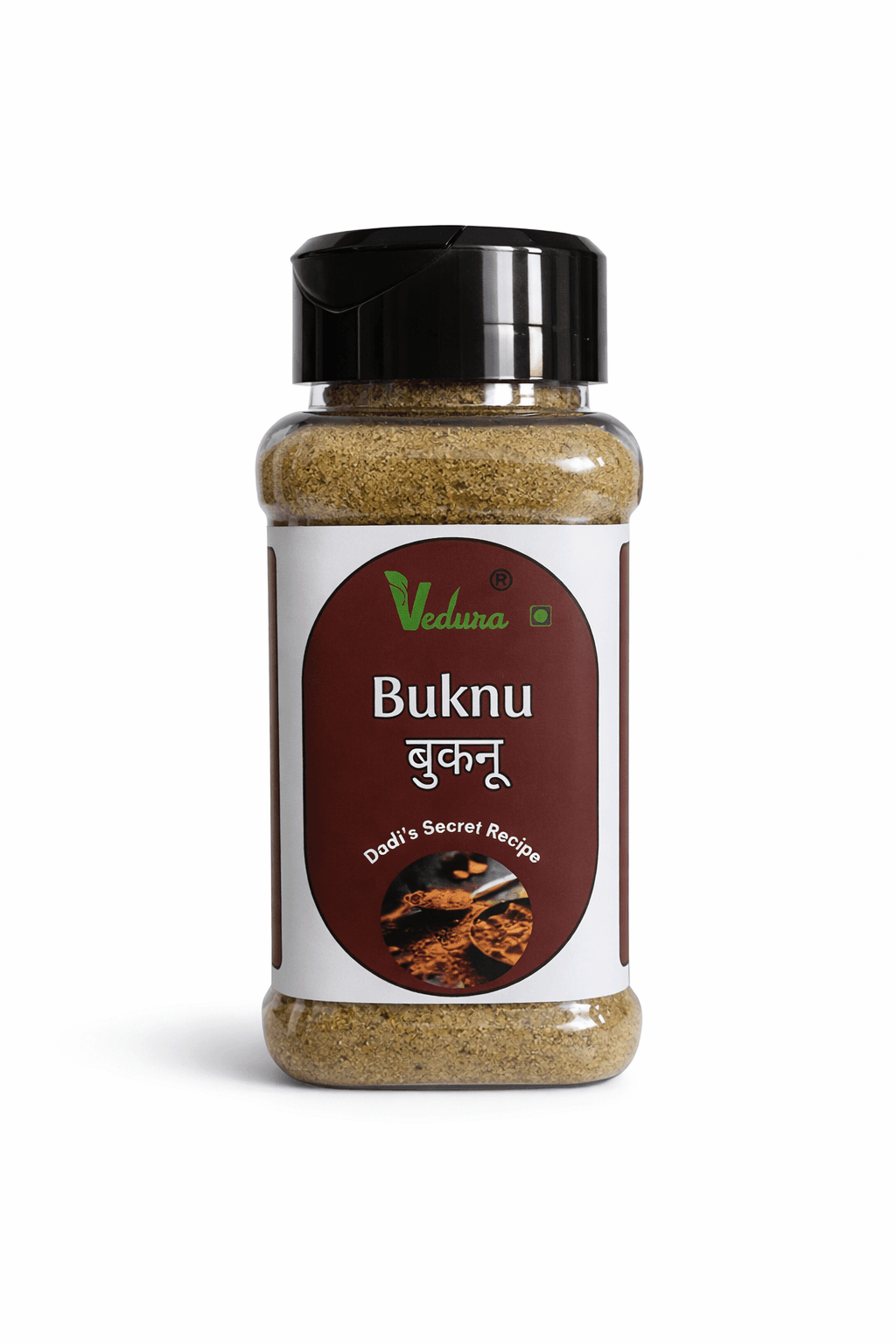
Market opportunity: India's branded spice market is Rs 25,000 crore+ and growing at 10%+ annually. Regional and heritage blends (Buknu, regional sambars, state-specific masalas) are significantly under-represented in organised retail - a white space for founder-led brands.
Investment range: Rs 3-15 lakh for a stone-grinding and blending setup with basic FSSAI-compliant packaging facility.
Competitive advantage: Authentic regional provenance. A Varanasi-based producer of Buknu has a geographic and cultural credibility that a Bangalore-based large company cannot replicate.
3. Cold-Pressed Oil Production
Market opportunity: Cold-pressed oil category is growing at 15%+ in modern trade and D2C. Mustard, groundnut, sesame, coconut, and sunflower all have premium D2C potential at 2-4x commodity oil prices.
Investment range: Rs 8-20 lakh for a wood-pressed or cold-pressed extraction unit.
Key certification: FSSAI manufacturing license, which is now significantly streamlined for MSMEs through the FSSAI Simplified Registration system.
4. Organic Turmeric Processing and Export
Market opportunity: Global organic turmeric demand is growing at 12%+ annually. Indian turmeric - particularly from Erode and Wayanad - commands significant premiums in US, EU, and Middle East markets. Organic certification opens export markets at 40-80% price premium over conventional.
Investment range: Rs 10-40 lakh including polishing, grading, and hygienic packaging equipment.
Critical step: APEDA registration for agricultural exports + organic certification body accreditation (PGS-India or third-party certification for export markets).
5. Nutraceutical and Health Food Supplement Production
Market opportunity: India's nutraceutical market is projected to reach Rs 1.4 lakh crore by 2025. Capsule and powder supplement production from Indian herbs - ashwagandha, turmeric, moringa, methi, amla - is a rapidly growing segment.
Investment range: Rs 20-60 lakh for GMP-compliant supplement production. Regulatory requirements are more demanding - FSSAI product approval required for health claims.
6. Pickle and Preserve Production with Regional Heritage
Market opportunity: Artisanal and regional pickles are a premium growth category in urban India. Rajasthani ker sangri achaar, South Indian avakaya, Kashmiri murabba - regional pickles with authentic geographic credentials command 3-5x premium over generic pickle brands.
Investment range: Rs 2-10 lakh for a HACCP-compliant pickle production unit.
D2C opportunity: Instagram and quick commerce have created direct market access for artisanal pickle brands that did not exist five years ago.
7. Dried Fruit and Nut Processing
Market opportunity: India is the world's largest producer of mangoes, guavas, and several other fruits - most consumed fresh with significant seasonal waste. Dried mango, dried amla, dried jamun, and similar products have growing urban market demand.
Investment range: Rs 5-20 lakh for solar or electric drying infrastructure.
Government support: Agricultural Processing Fund through NABARD, PMFME for micro units.
8. Herbal Tea and Infusion Blending
Market opportunity: Indian herbal tea market growing at 12-15% annually. Tulsi, ginger, ashwagandha, moringa, and turmeric-based infusions have premium consumer demand driven by wellness trends.
Investment range: Rs 3-12 lakh for blending, cutting/grinding, and hygienic pouch packaging.
Competitive advantage: Traceability and direct farm sourcing are differentiators that premium buyers in this category specifically seek.
9. Functional Food Ingredient Supply to Food Industry
Business model: Rather than consumer-facing, this is B2B supply of functional ingredients to food manufacturers - dehydrated spinach powder for noodle manufacturers, turmeric extract for biscuit companies, dried herb blends for restaurant chains.
Market opportunity: India's food manufacturing sector is the largest buyer of processed agricultural ingredients. B2B supply requires less marketing investment than consumer brands but requires more consistent quality and volume reliability.
10. Baby and Infant Food Production
Market opportunity: India's organised baby food market is growing at 8-10% annually with significant demand for natural, organic, and Indian-heritage formulations - rice-based, ragi-based, millet-based products with clean ingredient lists.
Investment range: Rs 15-50 lakh. Regulatory requirements are more demanding (specific FSSAI standards for infant food).
11. Solar Dehydration Cooperative for Small Farmers
Business model: A farmer collective (FPO structure) invests in shared solar dehydration infrastructure, processing members' surplus seasonal produce into shelf-stable products for collective marketing.
Market opportunity: Addresses both the waste problem and the income problem simultaneously. Rural solar energy costs have declined dramatically, making solar dehydration economically viable at smaller scale.
12. Millet-Based Food Products
Market opportunity: The International Year of Millets (2023) has created global attention and domestic government support for millet-based food products. Bajra, jowar, ragi, and kodo millet products are in active demand from health-conscious consumers.
Government support: Special millet promotion schemes under MoFPI and state agriculture departments. PMFME priority category in millet-growing states.
13. Fermented Food Production
Market opportunity: Urban consumers are seeking authentic fermented Indian foods - traditional kanji, regional fermented pickles, probiotic-rich dairy preparations - as gut health awareness drives category growth.
Investment range: Rs 3-15 lakh for hygienic fermentation and cold storage infrastructure.
14. Contract Farming and Assured Buyback for Premium Crops
Business model: An agri-entrepreneur establishes contracts with farmers to grow specific premium crops (organic turmeric, specific chilli varieties, heirloom grain varieties) at agreed prices, then sells to premium food brands or exports.
Value created: Risk reduction for farmers (price certainty), quality assurance for buyers (specification adherence), and margin capture for the entrepreneur in between.
15. Agri-Tourism and Farm Experience
Market opportunity: A growing urban segment is willing to pay for authentic farm experiences - visiting working farms, participating in harvest, understanding ingredient origins. For farms producing premium ingredients (saffron farms, turmeric farms, spice gardens), agri-tourism creates an additional revenue stream from the same asset.
The Common Thread Across All 15
Every business on this list follows the same value creation logic: take agricultural raw material at commodity prices, apply knowledge, process, certification, packaging, or market access - and capture a higher price point at the consumer or institutional end.
The intervention required is not large capital. It is specific knowledge, consistent quality standards, and access to the right market channel. All three are more accessible in 2025 than they have been at any previous point in Indian agricultural history.
Most of these ideas pair naturally with the government schemes that subsidise processing equipment, and several work best through an FPO structure. Dehydration in particular is the model behind Vedura's own dehydrated greens range.
FAQs
What is agri value addition?
Agri value addition means processing, packaging, certifying, or branding raw agricultural produce so it sells at a higher price than the commodity form - for example turning fresh greens into shelf-stable dehydrated powder.
Which agri value-addition business needs the least capital?
Spice blending and herbal-tea infusion blending are among the lowest-capital entries, often starting at Rs 3-12 lakh for a basic compliant setup.
Is dehydrated food a good business in India?
Yes. The dehydrated vegetable market is projected to grow at 7-8% annually, driven by D2C health brands, restaurant supply chains, and institutional buyers seeking shelf-stable inputs.
What government support exists for value-addition businesses?
PMFME offers a 35% subsidy on eligible processing-unit costs for micro enterprises, alongside cold-chain and infrastructure support under the SAMPADA umbrella scheme.
How much more can value addition earn versus selling raw produce?
It varies by product, but premium processed and branded forms commonly sell at several times the raw-commodity price, while processing costs typically rise far less.
Explore topics
Continue your Vedura journey
Explore product pages, practical recipes, and research-led explainers connected to this topic.
Comments
Be the first to comment.