Every January, millions of Indians make a resolution to eat healthier. By February, most of those resolutions have dissolved into the same meal patterns that existed before. The problem is not lack of intention. The problem is that "eating healthy" has been made to seem complicated, expensive, and dependent on ingredients that require a specialty store and an Instagram account to source.
This challenge is different. It uses the Indian kitchen exactly as it already exists - its spices, its dals, its greens, its traditions. No exotic superfoods from abroad. No complicated macros to count. Six specific swaps, thirty days, and a commitment to paying attention to how you feel.
The 30-Day Indian Kitchen Challenge
Every January, millions of Indians make a resolution to eat healthier. By February, most of those resolutions have dissolved into the same meal patterns that existed before. The problem is not lack of intention. The problem is that "eating healthy" has been made to seem complicated, expensive, and dependent on ingredients that require a specialty store and an Instagram account to source.
This challenge is different. It uses the Indian kitchen exactly as it already exists - its spices, its dals, its greens, its traditions. No exotic superfoods from abroad. No complicated macros to count. Six specific swaps, thirty days, and a commitment to paying attention to how you feel.
The Rules
There are only three:
1. Complete each weekly swap for all seven days of that week before moving to the next.
2. Keep a running note - on your phone, on paper, anywhere - of what you notice. Energy levels, digestion, sleep, skin. The observations are yours and they matter.
3. Share one meal per week somewhere - WhatsApp, Instagram, with a family member. Accountability that costs nothing.
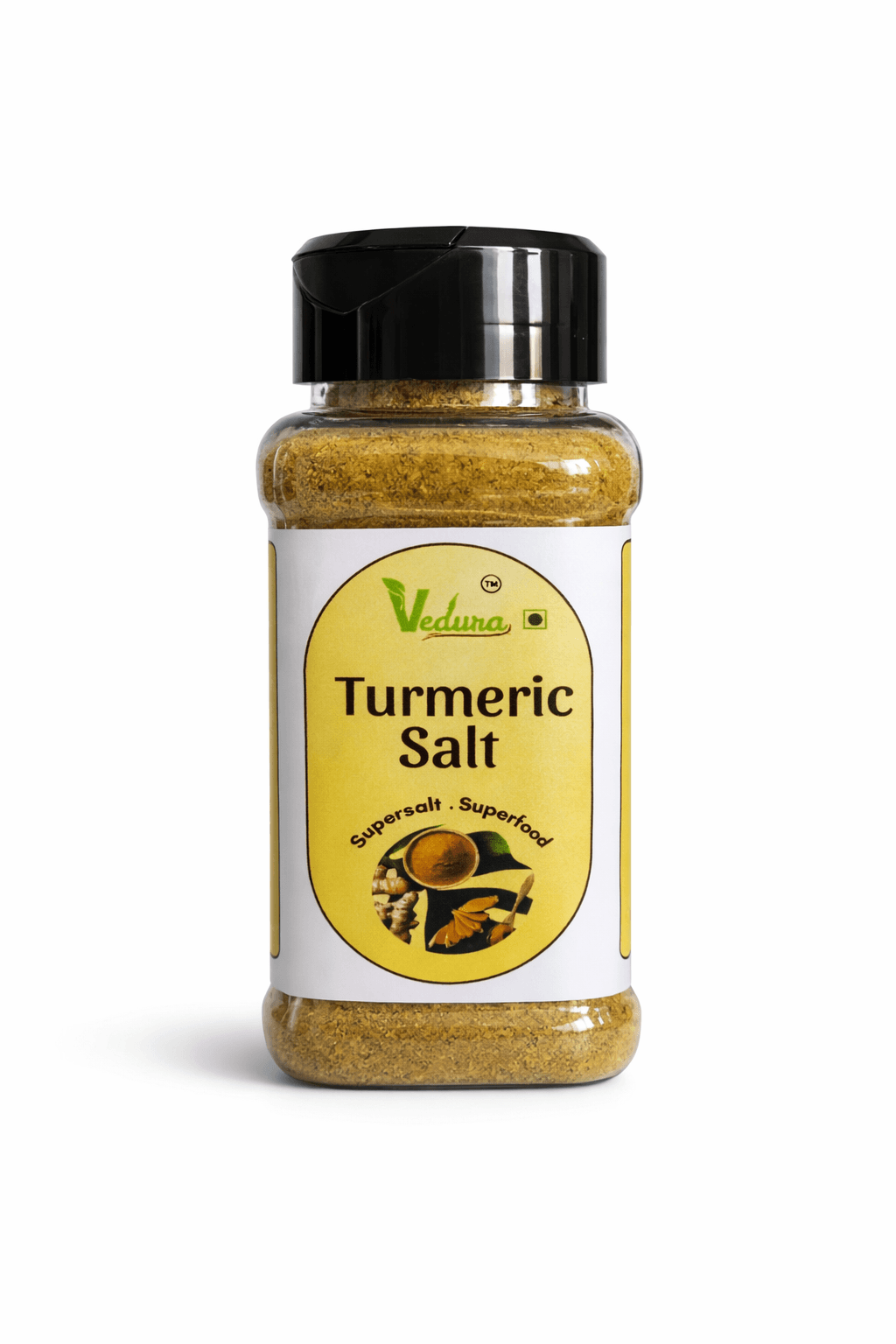
Week 1: Replace Table Salt With Turmeric Salt
Every time you reach for salt this week, reach for turmeric salt instead. On dal, on eggs, on popcorn, on roasted vegetables, in your morning toast butter. Everywhere salt goes, turmeric salt goes.
What you might notice: By day three or four, most people notice the food looks more appealing - the golden colour is genuinely beautiful. By day seven, the earthiness becomes part of the expected flavour. The anti-inflammatory curcumin is working quietly through every meal.
The reflection question: Did you miss plain salt? What did the colour change do to your relationship with the food?
Week 2: One Green Per Meal, Every Meal
This week, every meal must contain a green - fresh or powdered. No exceptions.
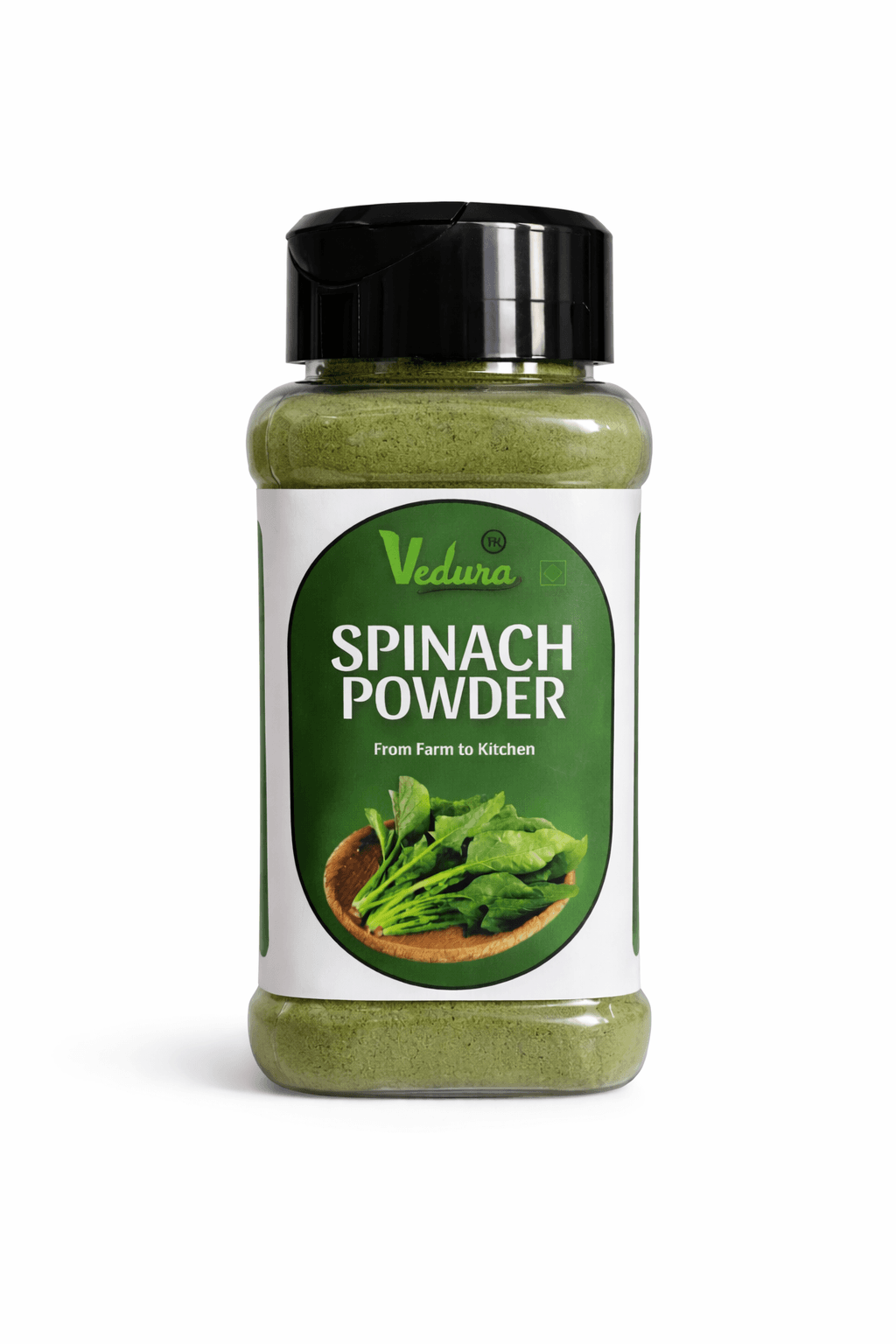
Breakfast: a teaspoon of spinach powder in your morning chai oats or paratha atta. Lunch: coriander powder stirred into your dal at the last moment. Dinner: methi in the sabzi, sarso in the roti flour, bathua in the raita.
This sounds strict. It is, and that is the point. The strictness reveals how easy it actually is - once you have the powders in your pantry, hitting this target requires almost no extra effort. The difficulty you anticipate mostly does not materialise.
What you might notice: By the end of week two, most people report better digestion. The fibre, the micronutrients, and the prebiotic compounds in leafy greens produce measurable gut-level results within two weeks of consistent daily consumption.
Week 3: No Packaged Snacks - Replace With Spiced Indian Alternatives
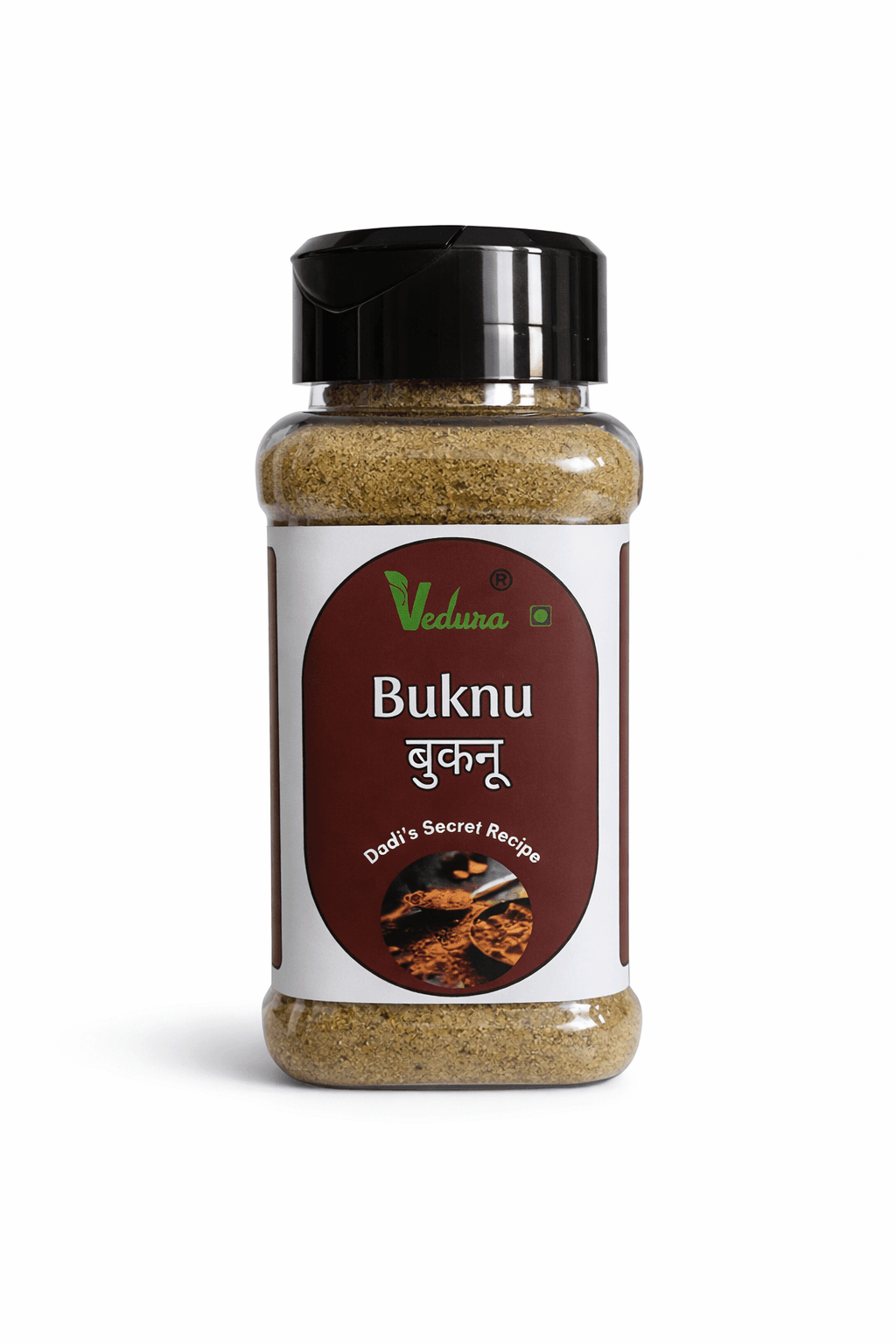
This week, every time you reach for a packet of biscuits, chips, or namkeen, replace it with a spiced Indian alternative: roasted chana with Buknu, fresh fruit with a pinch of Buknu and kala namak, popcorn with turmeric salt and green chilli flakes, roasted makhana with spice seasoning.
What you might notice: The first two days are the hardest because packaged snacks are engineered for craving. By day four, the craving pattern shifts. The spiced alternatives are genuinely satisfying in ways the packaged versions are not - because the flavour is real rather than synthetic.
The cost observation: Calculate what you spent on packaged snacks in an average week. Compare it to the cost of the alternatives. Most people find the natural options cost less.
Week 4: Cook One Traditional Indian Recipe You Have Never Made
Buknu over fresh guava and cucumber. Bathua raita from scratch. Sarso ka saag with makki ki roti. A proper haldi doodh with fresh ginger, black pepper, and honey - not an instant mix.
Find one recipe from your region's culinary tradition that you have never made and cook it this week. Look up the recipe. Source the ingredients. Make it once.
What you might notice: The process of making something traditional from scratch produces a relationship with food that convenience cooking does not. You understand what went into it. You notice the smell of the ingredients individually. You eat it differently.
What the 30 Days Builds
This challenge is not a diet. It does not restrict calories or eliminate food groups. It rebuilds a relationship with Indian ingredients - their smell, their function, their flavour - that modern convenience food has quietly eroded.
At the end of thirty days, the people who complete it typically report two things: they feel measurably better, and they are surprised by how little effort it took.
The Indian kitchen was always capable of this. The challenge is just a structured reminder.
Explore topics
Continue your Vedura journey
Explore product pages, practical recipes, and research-led explainers connected to this topic.
Comments
Be the first to comment.