The Indian direct-to-consumer (D2C) food space has produced some compelling growth stories, and it is easy to read those and assume the path is mostly about a good logo and a strong Instagram presence. The opportunities are genuinely real - but the operational realities behind the success stories are rarely discussed. This guide walks through what actually works, in the order it actually matters.
Your first product is the single most important decision you will make. It should satisfy three criteria: - Verifiable differentiation - something a buyer can taste, see, or read on the label, not just a marketing claim - Defensible positioning - a reason you can own this product that a larger company cannot easily copy, such as regional heritage or direct farm sourcing - Repeat purchase potential - food brands live or die on reorders, so a product people finish and rebuy beats a novelty they try once
How to Start a D2C Food Brand in India: The Honest Guide for 2025
The Indian direct-to-consumer (D2C) food space has produced some compelling growth stories, and it is easy to read those and assume the path is mostly about a good logo and a strong Instagram presence. The opportunities are genuinely real - but the operational realities behind the success stories are rarely discussed. This guide walks through what actually works, in the order it actually matters.
Step 1: Product Selection
Your first product is the single most important decision you will make. It should satisfy three criteria:
- Verifiable differentiation - something a buyer can taste, see, or read on the label, not just a marketing claim
- Defensible positioning - a reason you can own this product that a larger company cannot easily copy, such as regional heritage or direct farm sourcing
- Repeat purchase potential - food brands live or die on reorders, so a product people finish and rebuy beats a novelty they try once
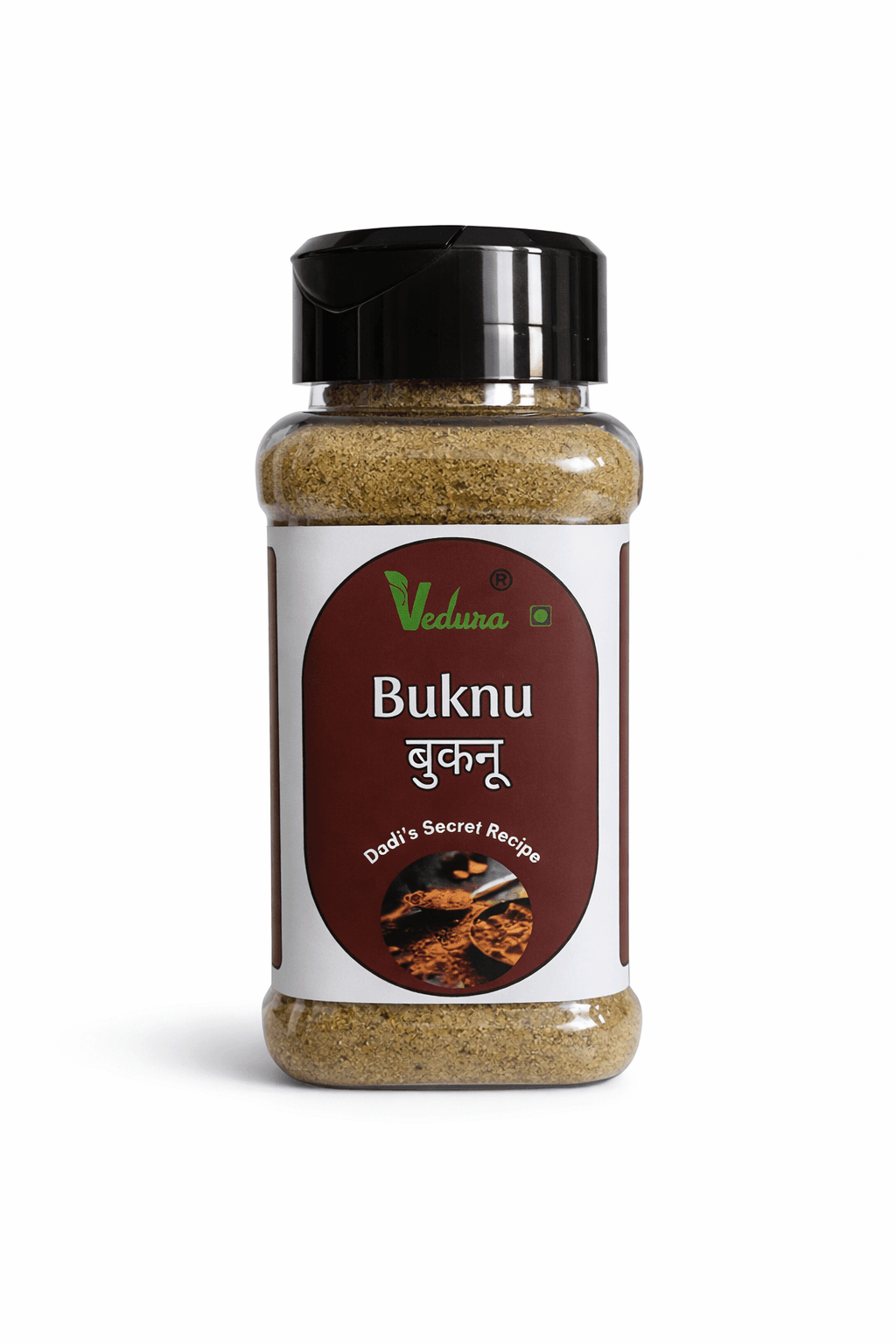
A regional spice blend with authentic provenance, for instance, has a defensibility that a generic commodity product never will.
Step 2: Compliance First
Before your first sale, get the legal foundation in place:
1. FSSAI registration or license (see our FSSAI guide for small food businesses)
2. Udyam (MSME) registration - fast, free, and required for most government schemes
3. GST registration, as applicable to your turnover and channels
4. Legally compliant packaging labels - ingredients, nutrition, FSSAI logo and number, net weight, and manufacturer details
Skipping this step is the most common early mistake, and it is also the one that can get listings pulled from marketplaces overnight.
Step 3: Packaging as a Conversion Engine
Packaging does two jobs. First it must be functional - resealable, durable, and protective of a food product's shelf life. Then it must feel premium and communicate clearly. A clean information hierarchy, readable compliance details, and an honest description of what is inside convert browsers into first-time buyers far more reliably than decoration alone.
Step 4: Channel Strategy
Different channels do different jobs, and the sequencing matters:
- Quick commerce (Blinkit, Instamart, Zepto) for urban velocity once you can sustain availability
- Your own website for the best margins and direct ownership of customer data
- Marketplaces (Amazon, Flipkart) for scale, after you have proof of repeat demand
- Instagram and WhatsApp for early traction, testimonials, and direct conversations
Most brands try to be everywhere at once and stretch themselves thin. Win one channel before adding the next.
Step 5: Unit Economics
Most food brands do not fail on taste or branding - they fail on weak contribution margins and high customer acquisition cost (CAC). Sustainable growth comes from:
- Strong gross margins built in at the product-costing stage
- Controlled logistics and packaging costs
- High repeat purchase rates
- Low CAC earned through content, SEO, and word of mouth rather than paid ads alone
If the maths only works at scale you may never reach, the model is fragile.
What Success Stories Often Skip
The early years of a food brand involve formulation iterations, packaging rework, compliance fixes, fulfilment headaches, and relentless customer feedback loops. None of this makes the highlight reel. The brands that endure treat operations with the same seriousness as branding - because in food, consistency is the brand.
FAQs
How much money do I need to start a D2C food brand in India?
It varies widely by category, but many founders start lean with a single hero product, outsourced or small-batch production, and reinvested revenue rather than large upfront capital.
Do I need FSSAI registration before selling food online?
Yes. FSSAI registration or a license is legally required before your first sale, and marketplaces will ask for it during onboarding.
Which sales channel is best for a new food brand?
Start with one - often your own website plus Instagram - to build proof and margins, then expand into quick commerce and marketplaces once repeat demand is established.
What is the most common reason D2C food brands fail?
Weak unit economics: thin margins combined with high customer acquisition cost. Profitability per order, not just growth, is what sustains a brand.
Explore topics
Continue your Vedura journey
Explore product pages, practical recipes, and research-led explainers connected to this topic.
Comments
Be the first to comment.