| License Type | Annual Turnover | Business Type | Validity | Approximate Fees (₹) | | :----------- | :-------------- | :------------ | :------- | :------------------- | | Basic Registration | Up to ₹12 Lakhs | Small-scale retailers, hawkers, temporary stalls, petty manufacturers | 1 to 5 years | 100/year | | State License | ₹12 Lakhs to ₹20 Crores | Medium to large manufacturers, distributors, storage units, restaurants within a single state | 1 to 5 years | 2,000 to 7,500/year | | Central License | Above ₹20 Crores OR operating in multiple states OR importing/exporting | Large manufacturers, importers, exporters, businesses operating in two or more states, e-commerce food businesses | 1 to 5 years | 7,500/year |
It is crucial to assess your projected turnover and operational model accurately to apply for the correct license. Misclassification can lead to penalties or delays. Documents typically include identity proof, address proof, business premise proof, and details about your food product.
Quick Summary
Starting a spice business in India requires navigating key regulatory frameworks. This guide covers the essential steps, including securing the appropriate Food Safety and Standards Authority of India (FSSAI) license, registering for Goods and Services Tax (GST), obtaining an Udyam registration for Micro, Small, and Medium Enterprises (MSME), understanding packaging compliance, and estimating initial setup costs typically ranging from ₹2-5 lakhs.
The Foundation: FSSAI License for Spice Businesses
At the heart of any food business in India is the FSSAI license, mandated by the Food Safety and Standards Act, 2006. This ensures the safety and quality of food products for consumers. For a spice business, obtaining the correct FSSAI license is non-negotiable and depends primarily on your annual turnover and scale of operations. The FSSAI portal (https://foscos.fssai.gov.in) is the official platform for applying.
FSSAI License Tiers
There are three main categories of FSSAI licenses, each with specific eligibility criteria and requirements:
| License Type | Annual Turnover | Business Type | Validity | Approximate Fees (₹) |
| :----------- | :-------------- | :------------ | :------- | :------------------- |
| Basic Registration | Up to ₹12 Lakhs | Small-scale retailers, hawkers, temporary stalls, petty manufacturers | 1 to 5 years | 100/year |
| State License | ₹12 Lakhs to ₹20 Crores | Medium to large manufacturers, distributors, storage units, restaurants within a single state | 1 to 5 years | 2,000 to 7,500/year |
| Central License | Above ₹20 Crores OR operating in multiple states OR importing/exporting | Large manufacturers, importers, exporters, businesses operating in two or more states, e-commerce food businesses | 1 to 5 years | 7,500/year |
It is crucial to assess your projected turnover and operational model accurately to apply for the correct license. Misclassification can lead to penalties or delays. Documents typically include identity proof, address proof, business premise proof, and details about your food product.
Beyond FSSAI: GST Registration and Udyam
While FSSAI ensures food safety, other registrations are vital for the legal and financial operation of your spice business.
GST Registration
Goods and Services Tax (GST) is a critical indirect tax levied on most goods and services in India. For a spice business, GST registration becomes mandatory if your annual turnover exceeds ₹40 lakhs (for goods) or ₹20 lakhs (for services) in most states. For certain special category states, these thresholds are ₹20 lakhs and ₹10 lakhs, respectively. Even if your turnover is below the threshold, voluntary GST registration can be beneficial, allowing you to claim Input Tax Credit (ITC) on your purchases and appear more credible to B2B clients and distributors.
Udyam Registration (MSME)
Udyam Registration is a government initiative to register Micro, Small, and Medium Enterprises (MSMEs) and provide them with various benefits. This registration is entirely online, free, and self-declaratory, accessible via https://udyamregistration.gov.in. An enterprise is classified based on investment in plant and machinery/equipment and turnover:
* Micro Enterprise: Investment up to ₹1 Crore and turnover up to ₹5 Crore.
* Small Enterprise: Investment up to ₹10 Crore and turnover up to ₹50 Crore.
* Medium Enterprise: Investment up to ₹50 Crore and turnover up to ₹250 Crore.
Registering as an MSME can unlock benefits like priority sector lending, collateral-free loans, subsidies, and schemes for quality certification and technology upgrades, as outlined by the Ministry of MSME.
Packaging Compliance and Labeling
Packaging is not just about aesthetics; it's a critical component of food safety and legal compliance. For spice products, FSSAI mandates specific information on labels to ensure consumer awareness and safety.
Mandatory Labeling Information
According to FSSAI guidelines, your spice product packaging must prominently display:
* Name of the food product (e.g., "Turmeric Powder").
* List of ingredients (if a blend), in descending order of weight or volume.
* Nutritional information per 100g/ml or per serving.
* Net weight or volume.
* Manufacturing date, Best Before date, and Expiry date.
* Batch number/Lot number.
* FSSAI logo and license number.
* Name and complete address of the manufacturer/packer/importer.
* Customer care details (email/phone).
* Country of origin for imported products.
* Vegetarian symbol (green dot).
Packaging Material Considerations
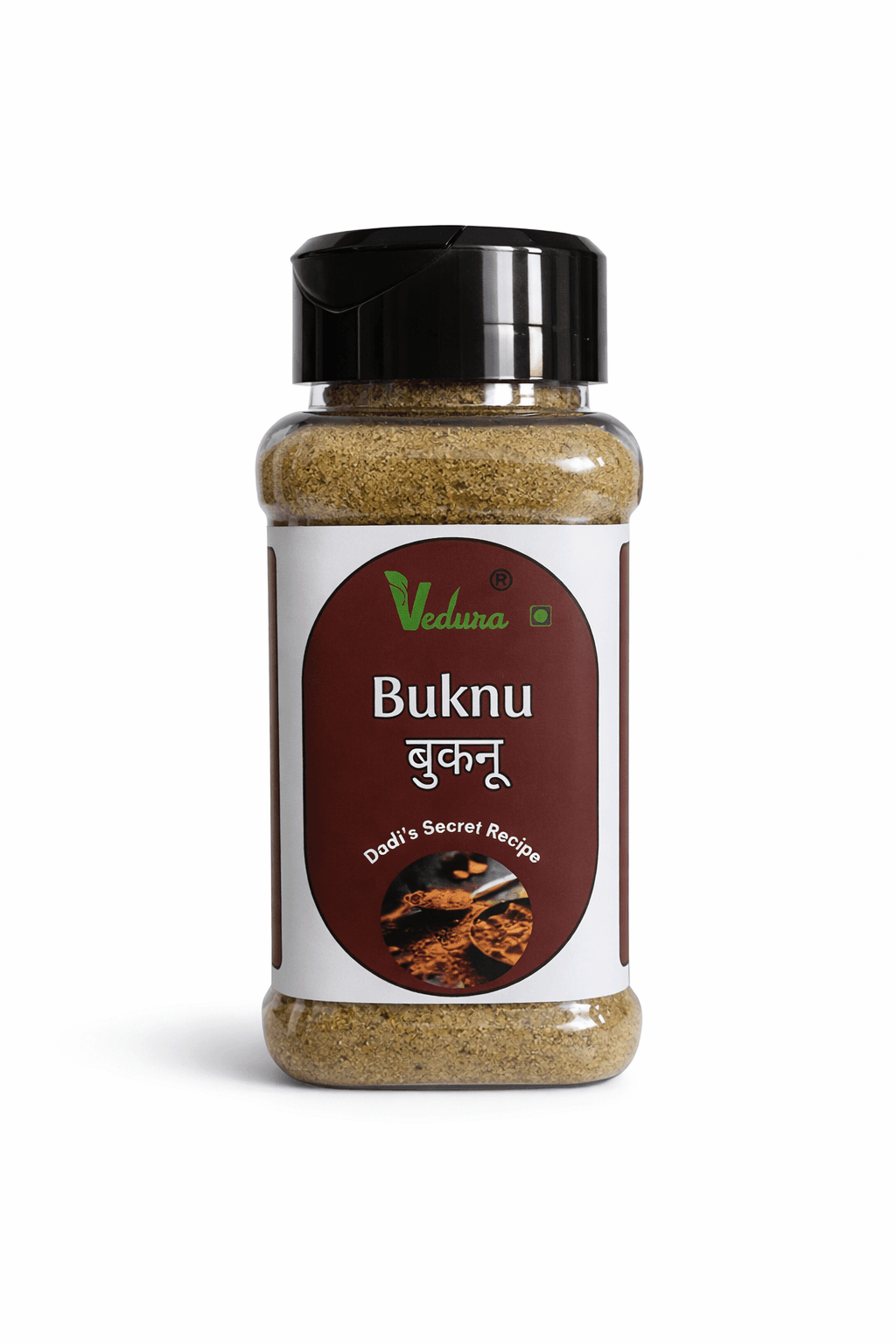
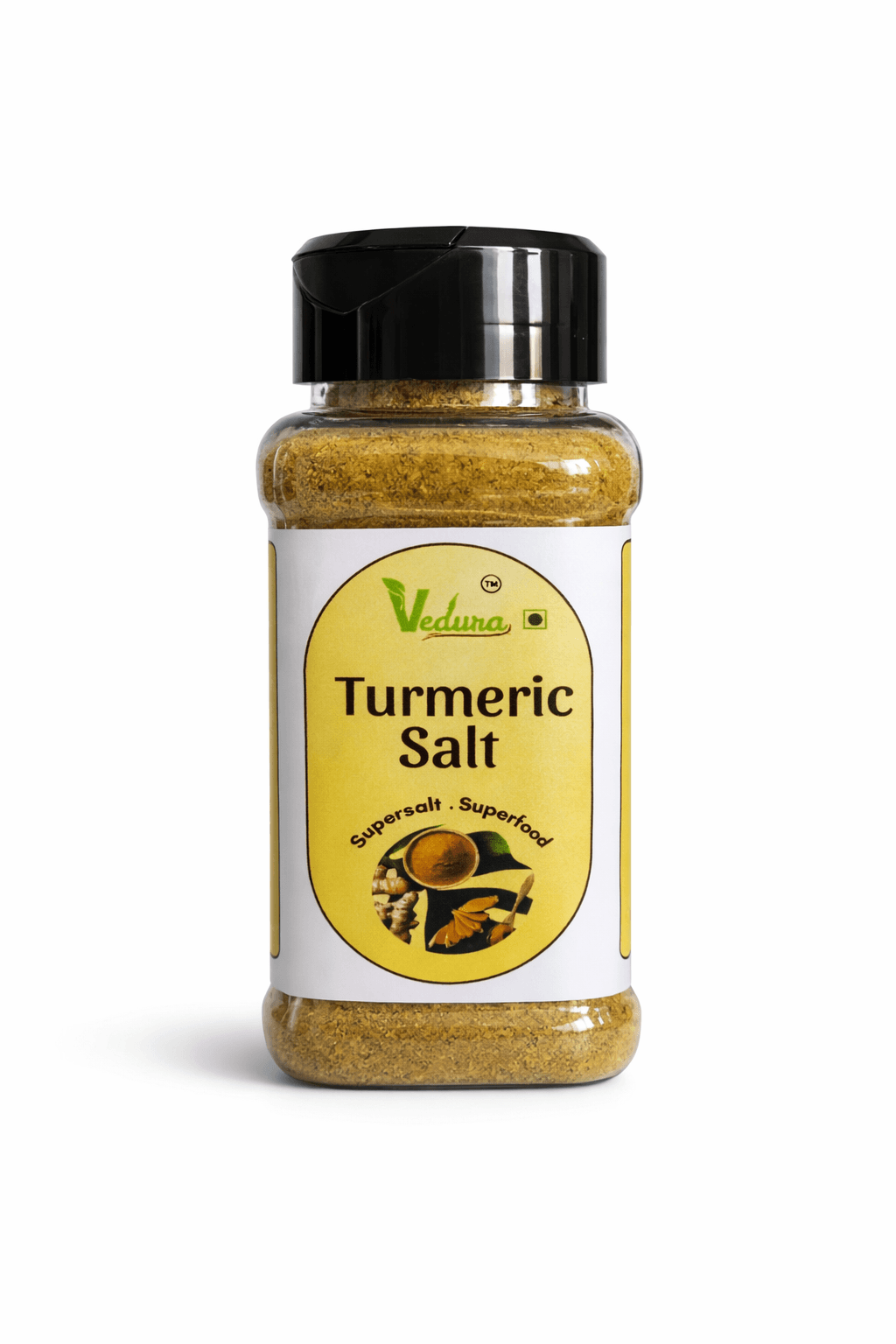
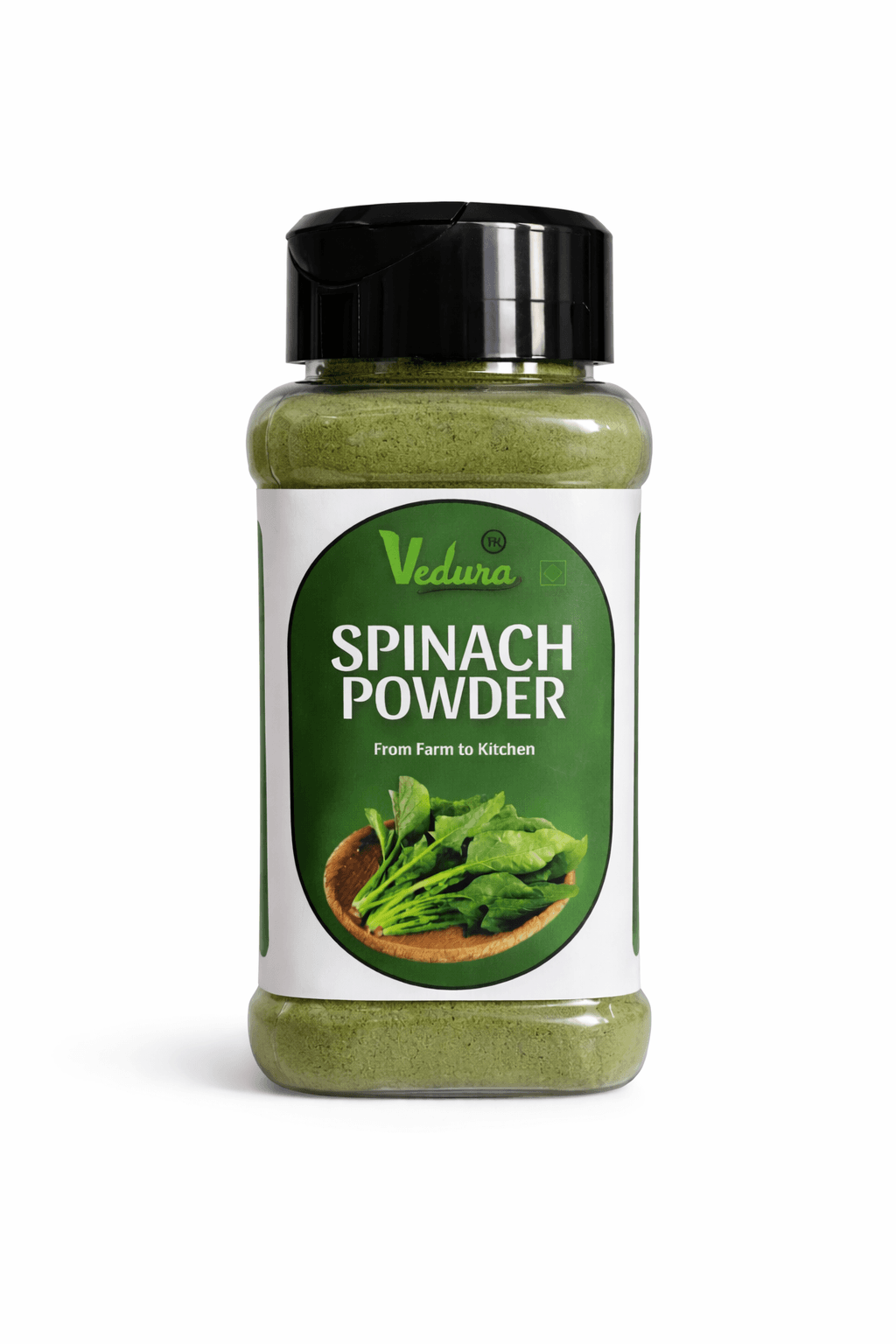
Packaging materials must be food-grade, non-toxic, and capable of protecting the spices from moisture, light, and contaminants. Common choices include stand-up pouches, PET jars, or tin containers, depending on the target market and price point. Ensuring robust, tamper-proof packaging is essential for maintaining product integrity and consumer trust.
Estimating Your Initial Setup Cost (₹2-5 Lakhs)
Starting a spice business can be scaled from a home-based operation to a small manufacturing unit. A realistic initial investment for a small to medium-scale operation typically falls within the range of ₹2-5 lakhs, excluding significant land or building acquisition costs.
Breakdown of Initial Expenses:
* Regulatory Compliance (₹10,000 - ₹30,000): FSSAI license fees, GST registration assistance, Udyam registration (free).
* Raw Material Sourcing (₹50,000 - ₹1,50,000): Initial inventory of whole spices like turmeric, chili, coriander, cumin, etc. Bulk purchasing can offer better rates.
* Processing Equipment (₹70,000 - ₹2,00,000): For grinding, blending, and sieving. This could include a small commercial grinder (pulverizer), a blender, and sieving machines. For drying greens, a small solar dryer might be considered.
* Packaging Materials (₹30,000 - ₹70,000): Pouches, jars, labels, sealing machines.
* Working Capital (₹50,000 - ₹1,00,000): Funds for daily operations, labor, marketing, and unforeseen expenses during the initial months.
* Space Rental/Utilities (Variable): If not operating from home, rent for a small processing unit or storage space. Utilities like electricity and water.
This estimate allows for purchasing basic machinery and sufficient raw materials to start production, focusing on a few key spice varieties. As per reports by NABARD, micro-enterprises in food processing often begin with similar capital outlays, leveraging various government schemes for support.
Common Pitfalls to Avoid
Many new entrepreneurs face challenges. Being aware of common pitfalls can help you navigate the initial phase more smoothly.
Non-Compliance with Regulations
Ignoring FSSAI, GST, or Udyam requirements can lead to hefty fines, business closure, and reputational damage. Regular audits and staying updated on regulatory changes are crucial.
Poor Quality Control
In the spice business, quality is paramount. Inconsistent quality, adulteration, or poor hygiene practices can quickly erode consumer trust. Implement strict quality checks from raw material sourcing to final packaging.
Inadequate Market Research
Launching products without understanding market demand, competition, and pricing strategies can lead to poor sales. Identify your niche, target audience, and unique selling proposition.
Underestimation of Working Capital
Many businesses fail due to insufficient working capital. Ensure you have enough funds to cover operational expenses for at least 6-12 months, as sales might take time to pick up.
Ignoring Branding and Marketing
Even the best product needs visibility. Invest in good branding, attractive packaging, and effective marketing strategies, both online and offline, to reach your target customers.
FAQs
Q: What is the minimum investment for a spice business in India?
A: A small-scale spice business can be started with an initial investment ranging from ₹2-5 lakhs, covering basic machinery, raw materials, packaging, and regulatory fees. This allows for a focus on a few key products and can be scaled up as the business grows.
Q: Do I need a GST number to sell spices online?
A: Yes, generally, if you are selling spices online through e-commerce operators, GST registration is mandatory, irrespective of your turnover. This is because e-commerce operators typically require sellers to be GST-registered.
Q: How long does it take to get an FSSAI license?
A: The processing time for an FSSAI license typically ranges from 15 to 60 days, depending on the type of license (Basic, State, or Central) and the completeness of your application. Basic registration can be quicker, while State and Central licenses involve more rigorous verification.
Q: What are the key documents required for FSSAI registration?
A: Essential documents include identity proof (Aadhaar, PAN), address proof (utility bills), business premise proof (rent agreement or ownership documents), a blueprint of the processing unit, and details of the food product category. Depending on the license type, additional documents like partnership deeds or company registration certificates may be required.
Q: Can I start a spice business from home?
A: Yes, you can start a spice business from home, especially for small-scale operations or direct-to-consumer models. However, you will still need to comply with FSSAI Basic Registration (if turnover is below ₹12 lakhs) or a State License (if turnover exceeds ₹12 lakhs), and ensure your home kitchen meets hygiene standards and local municipal regulations.
Q: What are the main challenges for new spice entrepreneurs?
A: New spice entrepreneurs often face challenges such as intense competition from established brands, maintaining consistent product quality and sourcing, navigating complex regulatory compliance, establishing a reliable distribution network, and securing adequate working capital. Effective market research and a robust business plan are crucial for overcoming these hurdles.
Explore topics
Continue your Vedura journey
Explore product pages, practical recipes, and research-led explainers connected to this topic.
Comments
Be the first to comment.