India's food Consumer Price Index has remained elevated through 2024-25. Vegetables have shown the greatest price volatility - onion and tomato price spikes have become an almost annual occurrence. Edible oil prices remain well above pre-2022 lows. The overall food grocery bill for the average Indian urban household has increased meaningfully over the past three years.
This is not a context in which the advice to "just buy premium organic produce" is useful. This is a context that requires practical, kitchen-level intelligence about how to maximise nutritional quality per rupee spent.
Food Inflation Is Real in 2025. Here's How to Eat Better for Less.
India's food Consumer Price Index has remained elevated through 2024-25. Vegetables have shown the greatest price volatility - onion and tomato price spikes have become an almost annual occurrence. Edible oil prices remain well above pre-2022 lows. The overall food grocery bill for the average Indian urban household has increased meaningfully over the past three years.
This is not a context in which the advice to "just buy premium organic produce" is useful. This is a context that requires practical, kitchen-level intelligence about how to maximise nutritional quality per rupee spent.
The good news: Indian food culture has developed exactly this intelligence over centuries. It just needs to be applied with intention.
Principle 1: The Most Nutritious Indian Foods Are Among the Cheapest
This is the most important fact in this entire article, and it is underappreciated.
Masoor dal: approximately Rs 80-100 per kg. Provides 25g protein per 100g dry weight, excellent iron, folate, and complex carbohydrates.
Whole moong: approximately Rs 100-120 per kg. Complete protein profile. One of the most nutritionally dense foods available in any market.
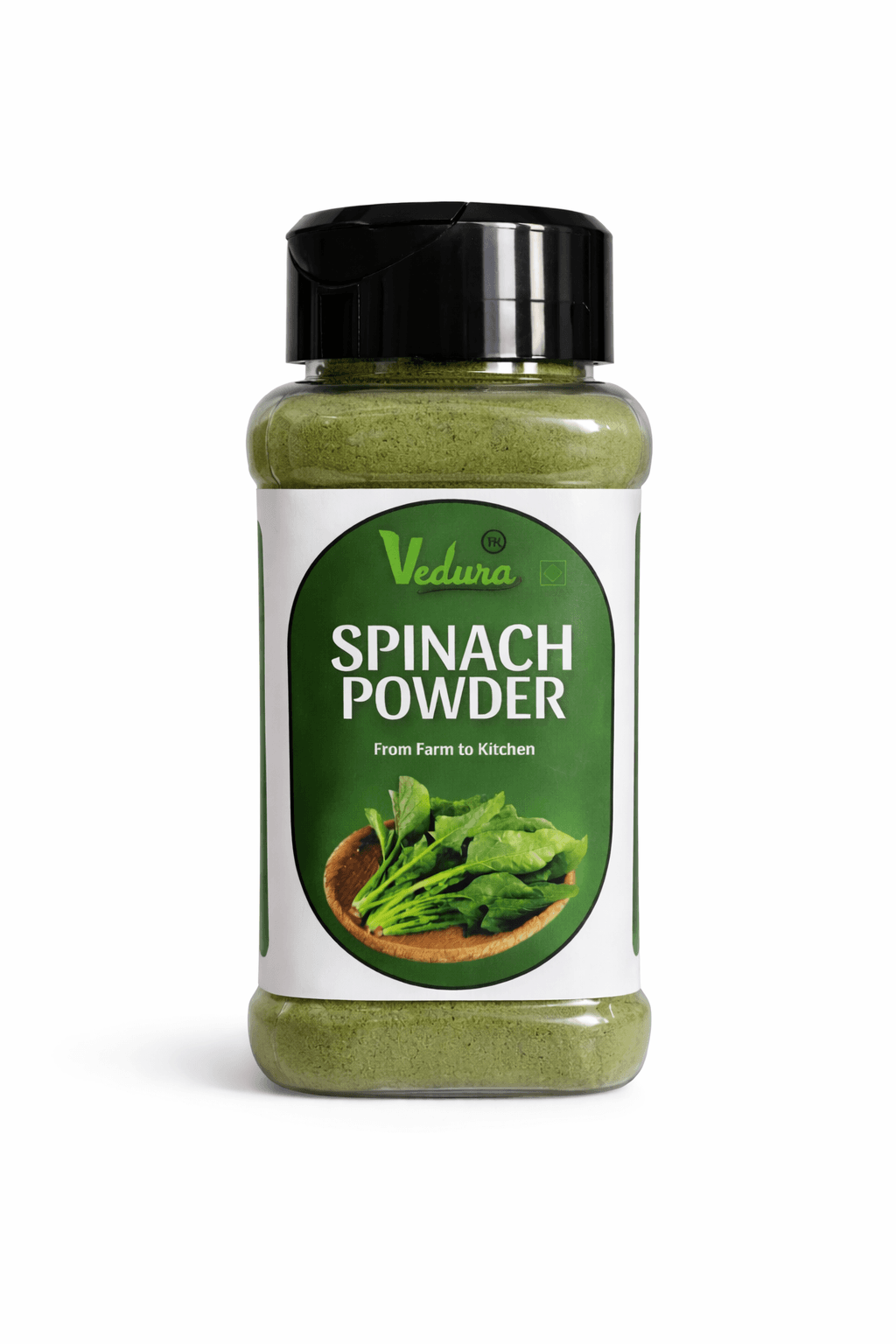
Dehydrated spinach powder: approximately Rs 150-200 for 50g, which provides the equivalent nutrition of 250g of fresh spinach per teaspoon - making it approximately Rs 2-3 of nutrition per serving. Fresh spinach at Rs 40-60 per 250g bunch delivers the same nutrition at 15-20x the cost per serving.
Turmeric: approximately Rs 30-40 for a substantial supply. Anti-inflammatory, antioxidant, visually and aromatically transformative.
The most nutritionally valuable parts of the Indian diet are also the most economically accessible. This is not an accident - it is the product of centuries of food culture developing around ingredients that are both available and nourishing.
Principle 2: Protein From Dal Costs a Fraction of Protein From Meat or Paneer
Per 10 grams of protein:
- Masoor dal: approximately Rs 4-6
- Chicken (at Rs 200/kg): approximately Rs 18-22
- Paneer (at Rs 350/kg): approximately Rs 20-25
- Eggs (at Rs 8 each): approximately Rs 10-12
Dal protein is not inferior protein. It is complementary-amino-acid protein that, when combined with rice or roti in the same meal, delivers a complete amino acid profile. Dal-chawal is one of the most cost-efficient complete protein meals in global food culture.
In an inflationary environment, shifting protein sourcing toward dal and legumes while reducing portion sizes of more expensive animal proteins is the most nutritionally sound, budget-conscious adjustment available.
Principle 3: Reduce Fresh Vegetable Dependency, Not Vegetable Consumption
The most expensive food category in the current environment is the fresh vegetable category - precisely because it is most exposed to the climate disruption and supply chain variability described in earlier articles on this blog.
The mistake is to reduce vegetable consumption when prices rise. The nutritional consequence of eliminating greens from the diet is real and accumulates over months. Iron deficiency, folate depletion, Vitamin K reduction - these are measurable health outcomes of sustained vegetable restriction.
The intelligent response is to shift the form of vegetable consumption during price spikes rather than the quantity.
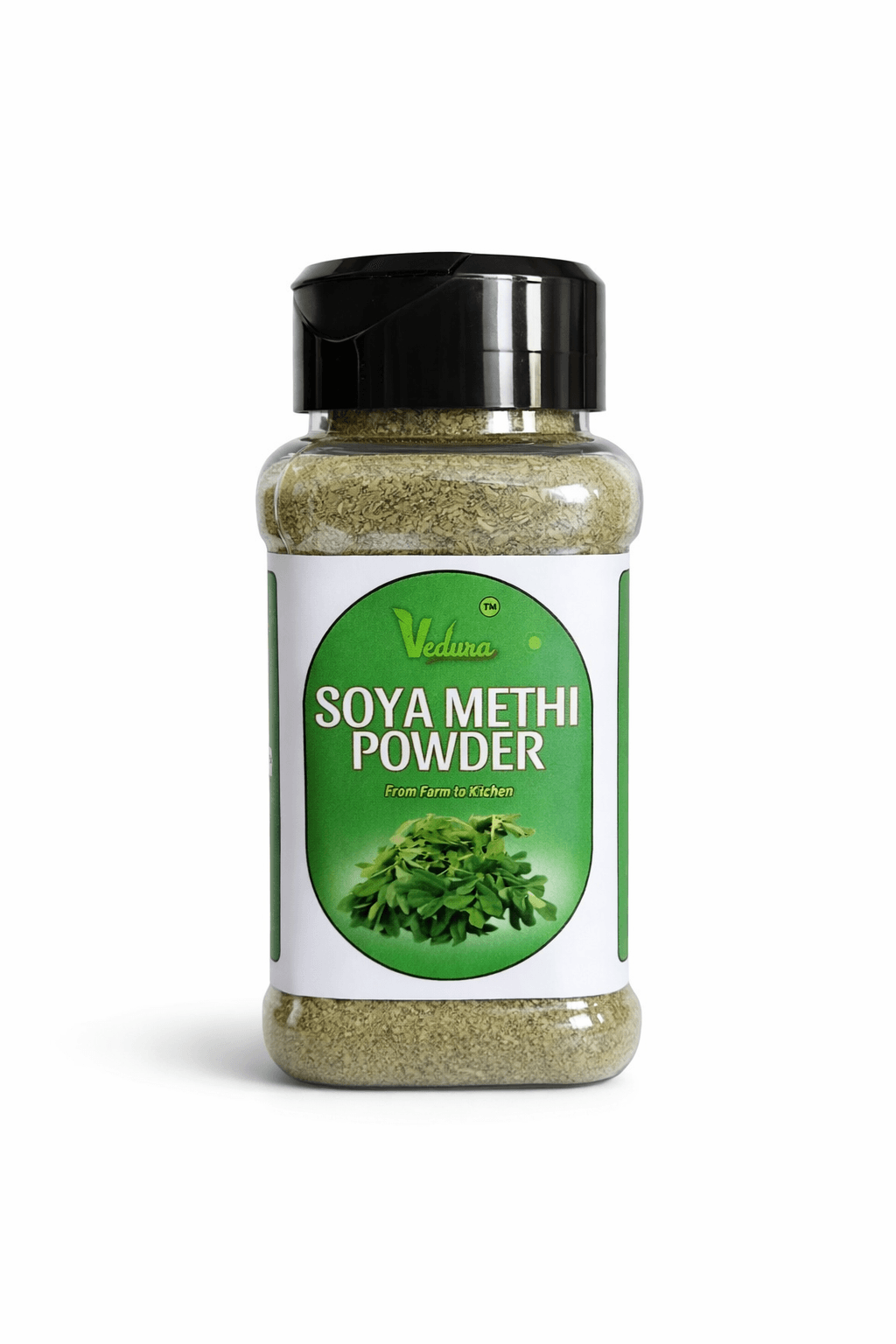
Dehydrated spinach, coriander, methi, and sarso powders are priced at a stable, predictable cost that does not spike when monsoon rains fail or transport costs increase. A teaspoon of spinach powder in dal replaces the nutritional contribution of a portion of fresh spinach at a fraction of the cost during a price spike - and at approximately equivalent cost during normal periods.
Practical Weekly Budget Reallocation
For a family of four on a Rs 4,000-5,000 weekly food budget under inflationary pressure:
Increase spend:
- Dal and legumes: the most cost-efficient nutrition available
- Whole spices and spice blends: minimal cost, maximum flavour and nutritional return
- Dehydrated greens (monthly purchase rather than weekly): stable price, consistent nutrition
Reduce spend:
- Fresh vegetables at peak prices: buy only what is at seasonal low cost
- Processed and packaged snacks: lowest nutrition per rupee, highest price sensitivity
- Imported food categories: most exposed to global supply chain inflation
Hold spend:
- Dairy: dahi and chaas are among the best value protein and probiotic sources available
- Ghee in moderate quantities: nutritional density justifies cost
The Intelligence That Survives Inflation
Indian food culture built its nutritional intelligence around scarcity as well as abundance. The recipes and habits that emerged from centuries of variable harvests, uncertain supply, and tight household budgets are not outdated history.
They are, in a period of food inflation and global supply chain disruption, among the most relevant and practical food systems anyone in the world can access.
The dal, the greens, the spices - cheap, nutritious, Indian, and available. Use them deliberately.
Explore topics
Continue your Vedura journey
Explore product pages, practical recipes, and research-led explainers connected to this topic.
Comments
Be the first to comment.