
This shift is crucial for empowering rural economies. By bypassing multiple intermediaries, farmers can capture a larger share of the value chain, reinvest in their farms, and respond directly to market demand. It's a move towards a more equitable and efficient food system, driven by digital connectivity that is increasingly accessible even in remote villages.
Quick Summary
Direct-to-Consumer (D2C) online selling offers Indian farmers a powerful avenue to enhance income and market reach. Key models include Farmer Producer Organization (FPO)-led brands, participation in agri-marketplaces, and leveraging social commerce platforms like WhatsApp. Success hinges on consistent quality, digital literacy, efficient logistics, and understanding the true costs and benefits to achieve realistic margins.
The Rise of Farmer-Direct Online Sales
For generations, Indian farmers have navigated complex supply chains, often receiving a fraction of the final consumer price. The advent of digital technology and a growing consumer preference for fresh, traceable produce has paved the way for farmers to sell directly online. This D2C approach not only promises better remuneration for cultivators but also fosters transparency and builds trust with consumers who seek authenticity.
This shift is crucial for empowering rural economies. By bypassing multiple intermediaries, farmers can capture a larger share of the value chain, reinvest in their farms, and respond directly to market demand. It's a move towards a more equitable and efficient food system, driven by digital connectivity that is increasingly accessible even in remote villages.
Understanding D2C Models for Farmers
Several viable models exist for farmers looking to sell directly to consumers online, each with distinct advantages and requirements.
FPO-Led Brands
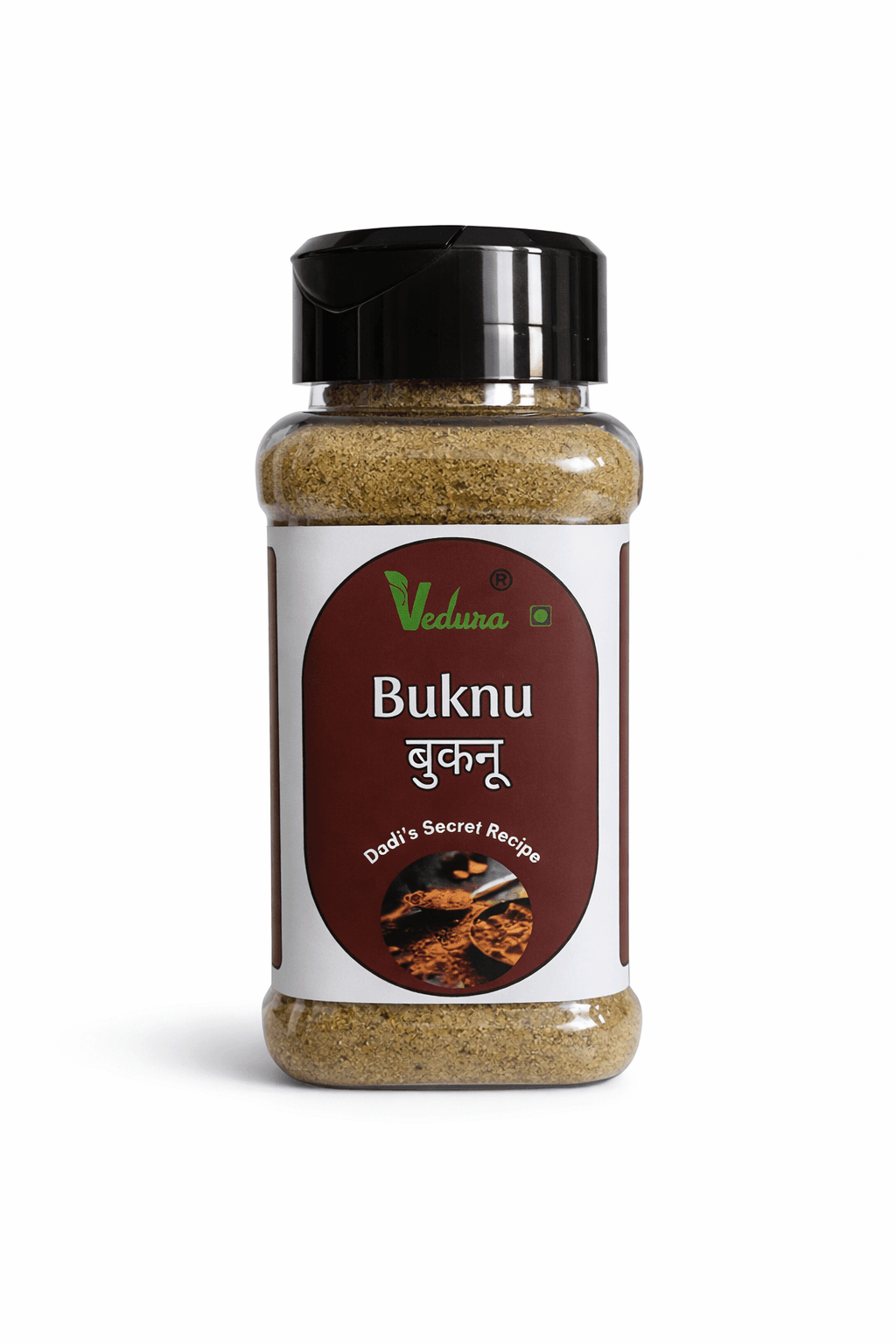
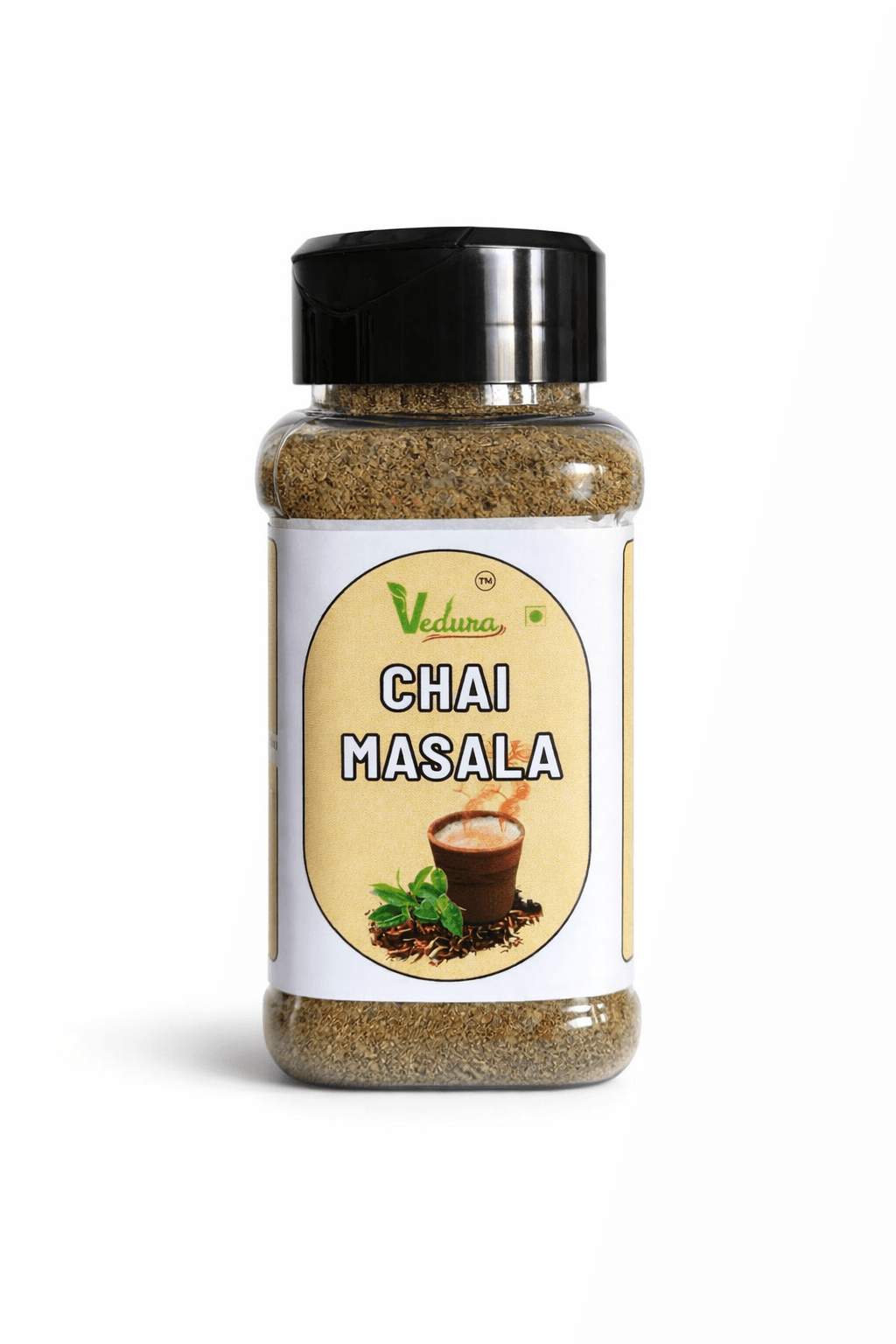
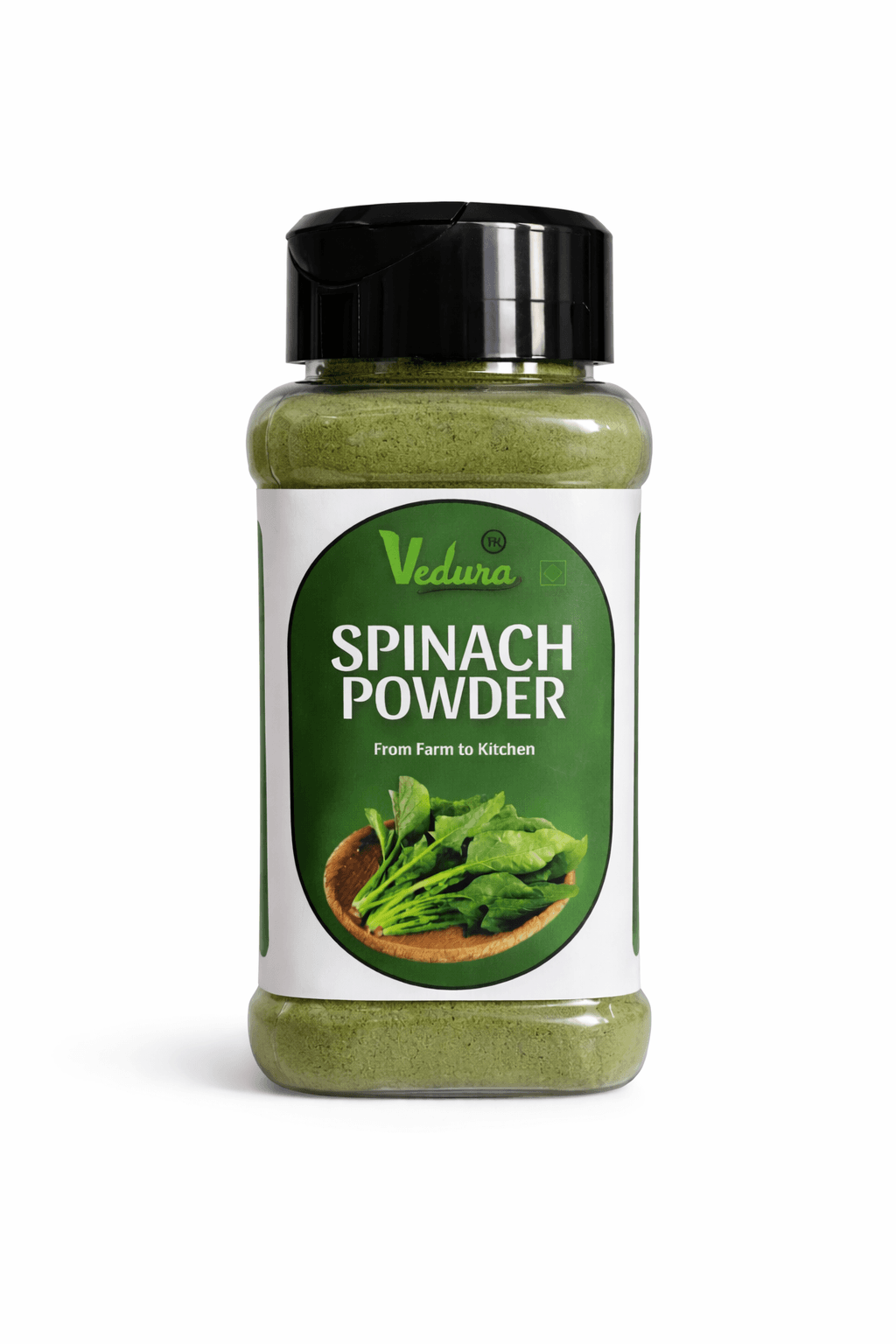
Farmer Producer Organizations (FPOs) are registered bodies of farmers pooling resources for collective benefits. An FPO can establish its own brand, develop a unique product line (e.g., packaged spices, dehydrated greens, organic staples), and sell directly through its dedicated website or mobile application. This model allows for greater control over branding, quality, and pricing. FPOs can also leverage collective bargaining power for better packaging, logistics, and marketing services. This approach requires significant initial investment in brand development, e-commerce infrastructure, and marketing, but it offers the highest potential for long-term brand equity and margin capture.
Online Marketplaces & Aggregators
Farmers or FPOs can list their produce on existing online agri-marketplaces or general e-commerce platforms. These platforms provide ready access to a large customer base and often handle payment processing and some aspects of logistics. While offering a wider reach with lower upfront investment in setting up an online store, this model means sharing a percentage of sales as commission and less control over branding and customer relationships. Examples include specialized platforms focused solely on farm produce, or larger e-commerce players with dedicated fresh produce sections.
Direct Social Commerce (WhatsApp, Local Groups)
For individual farmers or small groups, social media platforms like WhatsApp offer a low-cost, immediate way to connect with local consumers. Farmers can share daily harvest updates, photos, and price lists through broadcast lists or community groups. Orders can be placed directly, and delivery can be managed locally. This model thrives on personal relationships and community trust. While scalable to a limited extent, it's excellent for testing the waters, building a loyal local customer base, and minimizing initial digital overheads. However, managing orders and logistics individually can be time-consuming as sales grow.
What It Takes: Essential Components for Online D2C
Regardless of the chosen model, successful farmer-direct online selling requires attention to several critical areas.
Quality Control & Standardization
Consumers buying online expect consistency. Establishing clear standards for grading, sorting, and packaging produce is paramount. This includes adhering to food safety norms set by bodies like the Food Safety and Standards Authority of India (FSSAI). Implementing good agricultural practices (GAPs) and maintaining transparency about sourcing can build consumer confidence. For value-added products, proper processing, packaging, and clear ingredient labeling are essential.
Digital Literacy & Marketing
Farmers need basic digital skills to manage online orders, communicate with customers, and update product listings. This includes using smartphones effectively, understanding basic e-commerce interfaces, and engaging with social media. Effective marketing involves compelling product descriptions, high-quality photographs, and storytelling that highlights the farm's unique identity and sustainable practices. Digital marketing can be as simple as engaging content on a social media page or as sophisticated as targeted online advertisements.
Logistics & Last-Mile Delivery
This is often the biggest hurdle for perishable goods. Farmers must consider cold chain solutions for temperature-sensitive items and efficient last-mile delivery. Options include partnering with local delivery services, setting up an in-house delivery fleet for local orders, or collaborating with other farmers for consolidated deliveries. The Ministry of Agriculture & Farmers Welfare's Agricultural Infrastructure Fund (AIF) offers financial support for creating post-harvest management infrastructure, which can include cold storage and logistics facilities, making such investments more feasible for FPOs.
Payment Gateways & Customer Service
Secure and convenient online payment options are non-negotiable. Integrating reliable payment gateways allows consumers to pay digitally. Equally important is responsive customer service – addressing queries, managing feedback, and handling returns or complaints professionally. Building a reputation for excellent service fosters repeat business and positive word-of-mouth.
Realistic Margins and Pitfalls to Avoid
While D2C promises higher farmer incomes, it's vital to have a realistic understanding of the margins and potential challenges.
The Margin Promise vs. Reality
Selling directly online can allow farmers to retain 20-40% more of the final consumer price compared to traditional mandi sales. However, this comes with new costs: packaging, marketing, delivery, payment gateway fees, and customer service. These operational expenses need careful budgeting. NITI Aayog reports have consistently highlighted the significant value captured by intermediaries in India's agricultural supply chains, underscoring the potential for farmers to earn more by direct sales, provided they manage the new overheads efficiently.
Common Pitfalls
* Underestimating Logistics Costs: Delivery, especially for perishables, can be expensive and complex. Poor planning can quickly erode potential margins.
* Inconsistent Product Quality: A single bad experience can lead to lost customers and negative reviews, damaging brand reputation.
* Lack of Digital Presence & Engagement: An online store or social media page needs active management and consistent communication to attract and retain customers.
* Poor Inventory Management: Overstocking leads to spoilage, especially for fresh produce, while understocking leads to missed sales opportunities.
D2C Online Models for Farmers: A Comparison
| Feature | FPO-Led Brand | Online Marketplace | WhatsApp/Social Commerce |
|--------------------|-----------------------|------------------------|--------------------------|
| Initial Investment | Moderate-High | Low-Moderate | Very Low |
| Reach | National/Regional | National | Local/Community |
| Brand Control | High | Low-Moderate | Moderate-High |
| Logistics Burden | High (shared) | Moderate (often platform-supported) | High (individual) |
| Marketing Effort | Moderate-High | Low-Moderate | Moderate |
| Margin Potential | High | Moderate | Moderate-High |
| Complexity | High | Moderate | Low |
Government Support & Future Outlook
The Indian government recognizes the importance of empowering farmers through direct market linkages. Schemes like the Pradhan Mantri Formalisation of Micro Food Processing Enterprises (PM-FME) scheme, administered by the Ministry of Food Processing Industries (MoFPI), support individual micro food processing units and FPOs with credit-linked subsidies for upgrading technology, branding, and marketing. NABARD also plays a crucial role in promoting and funding FPOs, strengthening their capacity to undertake such ventures. The future of farmer-direct online sales in India looks promising, with increasing digital penetration, agritech innovations, and evolving consumer preferences driving this transformative shift.
FAQs
Q: What are the main benefits for farmers selling directly online?
A: The primary benefits include higher profit margins by cutting out intermediaries, greater control over pricing and branding, direct access to consumer feedback, and the ability to build a strong, trusted brand identity. It also fosters greater transparency in the food supply chain.
Q: How can small individual farmers start selling online without an FPO?
A: Small individual farmers can start by leveraging social commerce platforms like WhatsApp or local community groups. They can take orders directly, manage local deliveries, and build a customer base in their immediate vicinity. This approach minimizes initial investment and focuses on direct relationships.
Q: What role do FPOs play in farmer-direct online sales?
A: FPOs are instrumental in aggregating produce, ensuring quality control, and building a collective brand. They can invest in shared infrastructure like processing units, packaging, and cold storage, which individual farmers might find challenging. This collective strength enables them to launch robust online D2C brands and scale operations more effectively.
Q: What are the biggest challenges in setting up a D2C online channel for farm produce?
A: Key challenges include ensuring consistent product quality and standardization, managing complex logistics for perishable goods, developing digital marketing skills, and setting up reliable online payment and customer service systems. Overcoming these requires careful planning and potentially strategic partnerships.
Q: How important is packaging and branding for online farm sales?
A: Packaging and branding are extremely important for online sales. Attractive, functional, and food-safe packaging protects the produce during transit and enhances its appeal. Strong branding helps differentiate products in a crowded market, communicates quality, and builds consumer trust and loyalty, which are vital for repeat business.
Q: Are there government schemes to help farmers set up online sales?
A: Yes, several government initiatives indirectly or directly support farmers in this endeavor. The Agricultural Infrastructure Fund (AIF) under the Ministry of Agriculture & Farmers Welfare provides financial support for post-harvest management infrastructure. Additionally, the PM-FME scheme from the Ministry of Food Processing Industries supports micro food processing enterprises, including FPOs, in areas like branding and marketing, which can be crucial for online D2C success.
Explore topics
Continue your Vedura journey
Explore product pages, practical recipes, and research-led explainers connected to this topic.
Comments
Be the first to comment.