Here’s a comparative look:
| Feature | Regular Salt (Iodised) | Turmeric Salt (e.g., Vedura's) | |:------------------|:-------------------------------------------------|:---------------------------------------------------------------| | **Primary Role** | Pure salinity, flavour enhancement, iodine source | Salinity, earthy flavour, golden colour, mild curcumin boost | | **Flavour Profile** | Neutral, purely salty | Earthy, mildly pungent, slightly bitter, warm | | **Colour** | White/clear (table salt), pink (Himalayan rock salt) | Vibrant golden yellow | | **Key Additive** | Iodine (essential micronutrient) | Turmeric (curcuminoids) | | **Everyday Use** | Universal, foundational for all dishes | Specific dishes where turmeric flavour/colour is desired | | **Health Focus** | Iodine intake, thyroid health | Anti-inflammatory, antioxidant (mild benefit from seasoning) |
Quick Summary
For most everyday cooking, regular salt remains the foundational choice, providing essential salinity without altering primary flavours. Turmeric salt, on the other hand, offers a distinct earthy aroma, a golden hue, and a mild curcumin boost, making it excellent for specific dishes where its flavour and colour can enhance the outcome. The 'better' choice depends entirely on your culinary goal and desired flavour profile.
The Core Difference: Beyond Just Flavour
Salt is arguably the most fundamental ingredient in any kitchen, defining the very perception of taste. While plain salt offers pure salinity, turmeric salt introduces a layer of complexity, drawing on India's 'golden spice'.
Regular Salt: The Culinary Foundation
Regular salt, primarily sodium chloride, comes in various forms like common table salt (often iodised), sea salt, and rock salt (like Himalayan pink salt or kala namak). Its primary role is to enhance existing flavours, balance sweetness, and preserve foods. It's a neutral canvas, allowing other ingredients to shine. Most Indian households rely on iodised common salt to prevent iodine deficiency, a critical public health initiative supported by bodies like the Indian Council of Medical Research – National Institute of Nutrition (ICMR-NIN).
Turmeric Salt: Flavour and Function
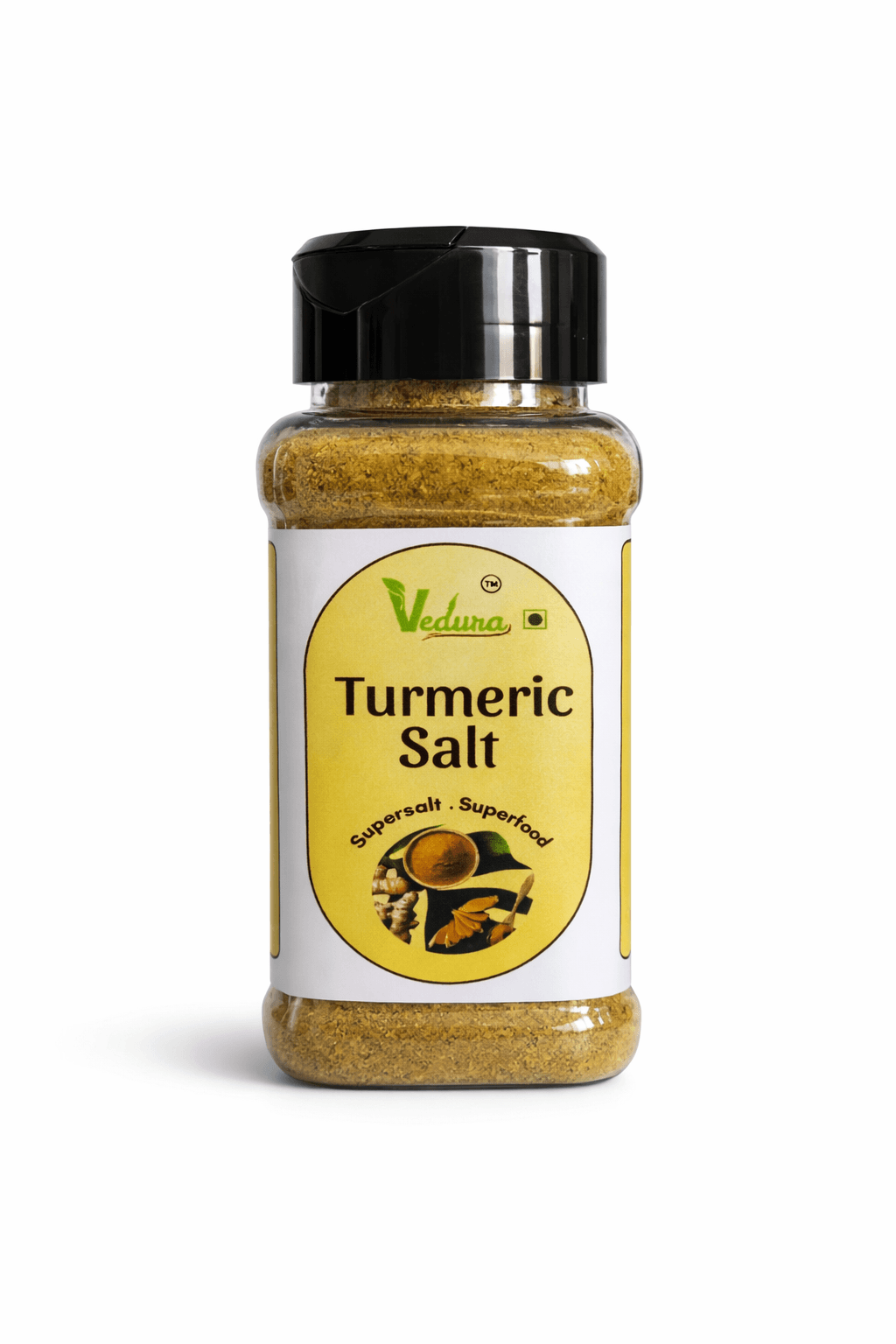
Turmeric salt is a blend of salt and ground turmeric root (haldi). It’s designed to infuse both the savouriness of salt and the distinct flavour, aroma, and vibrant colour of turmeric into dishes. The turmeric component brings with it curcumin, the active compound responsible for many of the spice's perceived health benefits. This blend is not merely a seasoning; it's a flavour enhancer and a visual upgrade, adding warmth and an earthy, slightly peppery note.
Nutritional Nuances: Curcumin vs. Iodine
While both salts are predominantly sodium chloride, their distinguishing additions offer different nutritional considerations.
Curcumin's Promise
Turmeric is celebrated globally for its potential health benefits, largely attributed to curcuminoids, particularly curcumin. Research suggests curcumin possesses anti-inflammatory and antioxidant properties. While turmeric salt incorporates this, it’s important to note that the concentration of curcumin in a typical seasoning amount of turmeric salt is relatively low. For significant therapeutic effects, concentrated curcumin supplements are usually required, often with bioavailability enhancers like black pepper (piperine).
Iodine's Importance
Regular iodised salt plays a crucial role in public health, especially in India, where iodine deficiency can lead to severe health issues, including goitre and cognitive impairment. The Food Safety and Standards Authority of India (FSSAI) actively promotes the use of iodised salt. If turmeric salt is used exclusively, and it is not fortified with iodine, one might miss out on this vital micronutrient.
Here’s a comparative look:
| Feature | Regular Salt (Iodised) | Turmeric Salt (e.g., Vedura's) |
|:------------------|:-------------------------------------------------|:---------------------------------------------------------------|
| Primary Role | Pure salinity, flavour enhancement, iodine source | Salinity, earthy flavour, golden colour, mild curcumin boost |
| Flavour Profile | Neutral, purely salty | Earthy, mildly pungent, slightly bitter, warm |
| Colour | White/clear (table salt), pink (Himalayan rock salt) | Vibrant golden yellow |
| Key Additive | Iodine (essential micronutrient) | Turmeric (curcuminoids) |
| Everyday Use | Universal, foundational for all dishes | Specific dishes where turmeric flavour/colour is desired |
| Health Focus | Iodine intake, thyroid health | Anti-inflammatory, antioxidant (mild benefit from seasoning) |
Culinary Applications: When to Choose Which
The choice between turmeric salt and regular salt often comes down to the dish you're preparing and the desired culinary outcome.
Everyday Staples
Regular salt is indispensable for dishes where you want pure seasoning without altering the intrinsic flavour of the ingredients. Think about baking, where turmeric's flavour might clash, or in delicate broths and salads where a neutral salt allows the freshness to dominate. It's the go-to for adjusting seasoning during cooking, boiling pasta or vegetables, and brining meats.
Adding a Golden Hue and Earthy Depth
Turmeric salt shines in dishes where the flavour and colour of turmeric are welcome additions. It can be particularly effective in:
* Marinades: For chicken, fish, or paneer, lending a beautiful golden colour and earthy undertone.
* Scrambled Eggs/Tofu: Adds a sunny colour and a hint of spice.
* Roasted Vegetables: Sprinkle on potatoes, cauliflower, or carrots for an enhanced flavour and appealing golden finish.
* Rices and Pulses: A pinch in your *dal* or *pulao* can deepen their aroma and give them a warm, inviting colour.
* Snacks: Great for seasoning popcorn, roasted nuts, or homemade chips.
For those looking to easily integrate the benefits and distinctive taste of turmeric, products like Vedura's turmeric-salt offer a convenient and high-quality option, ensuring a consistent blend of flavour and goodness.
Honest Limitations and Considerations
While turmeric salt is a fascinating addition to the pantry, it's important to understand its limitations.
Curcumin Absorption
As mentioned, the amount of curcumin in a typical serving of turmeric salt is unlikely to provide significant therapeutic benefits. Curcumin's bioavailability (how well the body absorbs it) is also generally low. For maximum absorption, turmeric is often consumed with black pepper (containing piperine) and a source of fat.
Sodium Intake
Regardless of the type, both turmeric salt and regular salt are primarily sodium chloride. Excessive sodium intake is linked to high blood pressure and other health concerns. The recommendation from health bodies like the World Health Organization (WHO) is to limit sodium intake to less than 5 grams (approximately one teaspoon) of salt per day. Moderation is key for both types of salt.
Cost and Availability
Turmeric salt tends to be more expensive than regular table salt due to the added processing and the cost of quality turmeric. While regular salt is ubiquitous, turmeric salt might require a specific search or purchase from specialty stores or direct from brands like Vedura Foods.
Who is Turmeric Salt For?
Turmeric salt is ideal for:
* Flavour Explorers: Those who enjoy experimenting with new flavour profiles and want to add an earthy, warm dimension to their cooking.
* Health-Conscious Cooks: Individuals who appreciate the mild health-supportive properties of turmeric and wish to integrate it subtly into their daily diet.
* Visual Enhancers: Cooks who enjoy adding a natural, vibrant golden colour to their dishes without artificial colouring.
* Convenience Seekers: For quick seasoning that provides both salt and turmeric in one go, simplifying the spice cabinet.
FAQs
Q: Is turmeric salt healthier than regular salt?
A: While turmeric contains beneficial compounds like curcumin, the amount of turmeric in a serving of turmeric salt is typically too small to provide significant health benefits comparable to concentrated supplements. Regular iodised salt, however, offers a crucial micronutrient in iodine, vital for thyroid health. Neither is inherently 'healthier' overall; they serve different purposes.
Q: Can I use turmeric salt in all my cooking?
A: You can, but it depends on your desired flavour. Turmeric salt imparts a distinct earthy, slightly peppery taste and a golden colour. It works wonderfully in Indian curries, roasted vegetables, marinades, and egg dishes. However, for delicate flavours in baking, desserts, or certain clear broths, regular neutral salt might be a more appropriate choice to avoid overpowering other ingredients.
Q: What is the main benefit of turmeric salt?
A: The main benefit of turmeric salt is its dual functionality: it seasons food with pure salinity while simultaneously infusing it with the unique earthy flavour, aroma, and vibrant golden colour of turmeric. It also offers a mild presence of curcumin, known for its antioxidant properties, albeit in small culinary quantities.
Q: Does turmeric salt taste different from regular salt?
A: Yes, turmeric salt tastes distinctly different from regular salt. While both provide salinity, turmeric salt adds a warm, earthy, slightly pungent, and sometimes mildly bitter undertone characteristic of turmeric. Regular salt is purely saline and neutral, allowing other flavours to dominate.
Q: How much turmeric is in turmeric salt?
A: The concentration of turmeric can vary between brands. Typically, turmeric salt contains a smaller proportion of turmeric to salt, often around 5-15% turmeric. This ratio is designed to provide a noticeable flavour and colour without making the salt overly strong or bitter for seasoning purposes.
Q: Can turmeric salt replace iodised salt?
A: If your turmeric salt is not specifically fortified with iodine, it cannot fully replace iodised salt. Iodised salt is a vital source of dietary iodine, essential for thyroid function and overall health, particularly in regions where iodine deficiency is prevalent. It's advisable to ensure adequate iodine intake through other sources or by using iodised salt for general cooking.
Explore topics
Continue your Vedura journey
Explore product pages, practical recipes, and research-led explainers connected to this topic.
Comments
Be the first to comment.