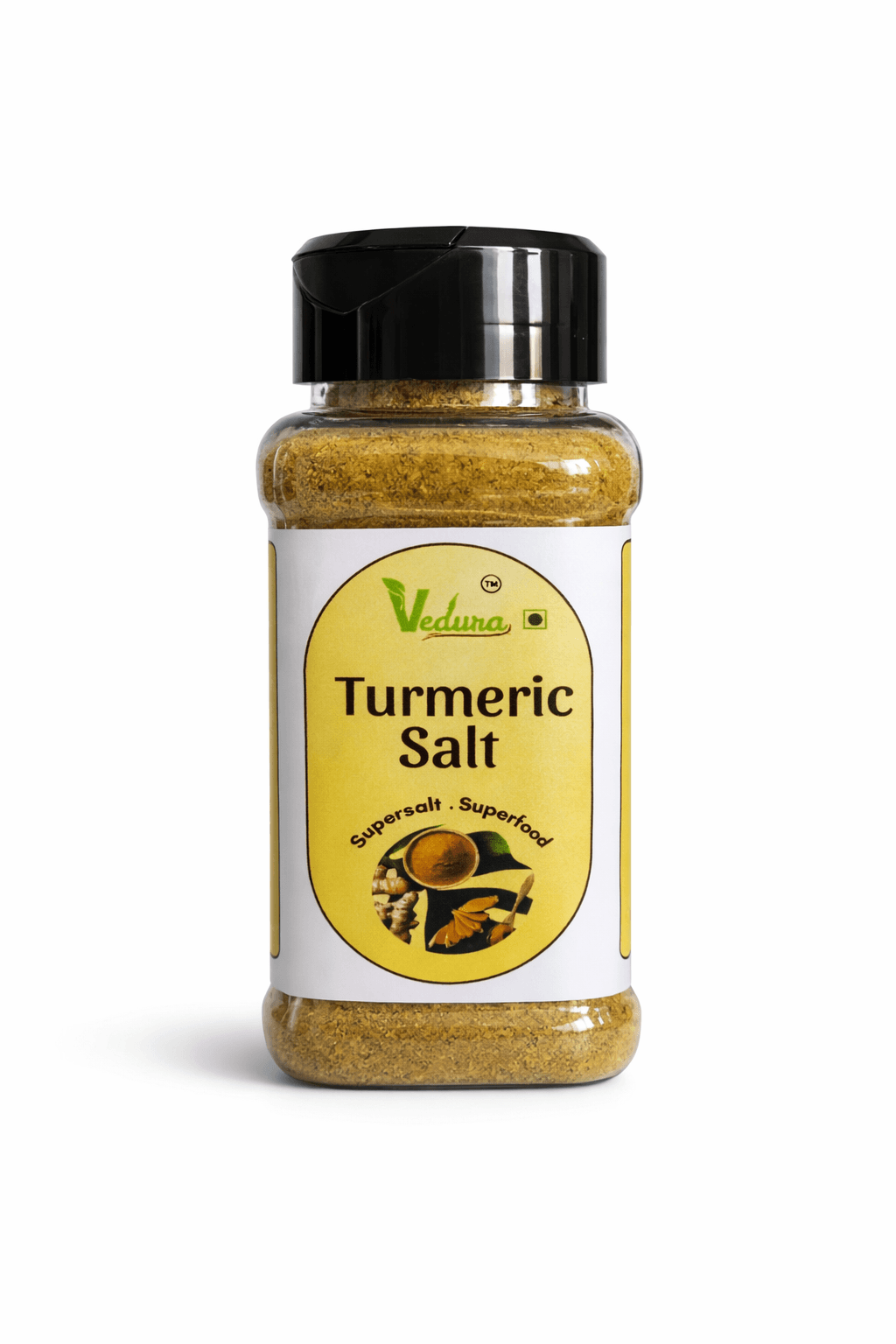
Turmeric salt, on the other hand, is a blend where regular salt is combined with turmeric powder. Turmeric (Curcuma longa), a revered spice in Indian kitchens and Ayurvedic medicine, imparts its distinctive golden-yellow colour and a warm, earthy, slightly pungent flavour. The addition of turmeric transforms plain salt into a seasoning that offers more than just saltiness; it brings a complex flavour profile and some of the well-documented properties of turmeric itself.
Turmeric salt, however, introduces a new dimension. The characteristic earthy, warm, and slightly peppery notes of turmeric become part of the seasoning. This isn't merely salt with a hint of turmeric; it's a seasoning that carries the aromatic depth of the spice. When used, it adds a subtle warmth and a gentle, grounding flavour that complements many dishes, particularly those in Indian, Middle Eastern, and Southeast Asian cuisines. It can impart a beautiful golden hue to food, which is often appreciated in presentation.
Quick Summary
Choosing between turmeric salt and regular salt involves balancing pure salinity with nuanced flavour and mild health benefits. While plain salt offers universal seasoning, turmeric salt provides earthy notes and a touch of curcumin, making it ideal for specific Indian dishes and for those seeking an extra layer of flavour and wellness. Both have their place in a well-stocked kitchen, depending on the dish and desired outcome.
Understanding the Basics: What Are We Comparing?
At its core, salt is sodium chloride, a fundamental mineral essential for human health in moderation and indispensable in cooking for enhancing flavour. When we talk about "regular salt," we usually refer to common table salt, sea salt, or rock salt, which are primarily pure sodium chloride. Their main function is to provide salinity and highlight other flavours in food.
Turmeric salt, on the other hand, is a blend where regular salt is combined with turmeric powder. Turmeric (Curcuma longa), a revered spice in Indian kitchens and Ayurvedic medicine, imparts its distinctive golden-yellow colour and a warm, earthy, slightly pungent flavour. The addition of turmeric transforms plain salt into a seasoning that offers more than just saltiness; it brings a complex flavour profile and some of the well-documented properties of turmeric itself.
Flavour Profile: Beyond Just Salty
Plain salt's flavour profile is straightforward: pure salinity. It's a blank canvas, designed to amplify the natural tastes of ingredients without adding its own dominant notes. This makes it incredibly versatile, suitable for all cuisines and dishes, from baking to savoury cooking.
Turmeric salt, however, introduces a new dimension. The characteristic earthy, warm, and slightly peppery notes of turmeric become part of the seasoning. This isn't merely salt with a hint of turmeric; it's a seasoning that carries the aromatic depth of the spice. When used, it adds a subtle warmth and a gentle, grounding flavour that complements many dishes, particularly those in Indian, Middle Eastern, and Southeast Asian cuisines. It can impart a beautiful golden hue to food, which is often appreciated in presentation.
The Curcumin Advantage: Health Benefits
Turmeric's reputation as a "super-spice" largely stems from curcumin, its primary active compound. Curcumin is celebrated for its powerful antioxidant and anti-inflammatory properties, which have been extensively studied. Research, including insights from institutions like the Indian Council of Medical Research - National Institute of Nutrition (ICMR-NIN), highlights turmeric's potential role in various health benefits, from supporting digestive health to joint well-being.
While turmeric salt does contain curcumin, it's crucial to manage expectations. The amount of turmeric in a typical turmeric salt blend is relatively small compared to what you might consume by adding pure turmeric powder directly to a dish or taking a supplement. Therefore, while turmeric salt offers a mild health nudge, it shouldn't be considered a primary source for therapeutic doses of curcumin. Its main advantage lies in subtly integrating turmeric's flavour and mild benefits into everyday cooking without needing a separate step.
Everyday Culinary Applications
Where Plain Salt Shines
Regular salt is the backbone of almost all cooking. It's your go-to for seasoning pasta water, baking bread, curing meats, or simply ensuring your omelette tastes perfectly balanced. Its neutrality makes it indispensable for dishes where you want the ingredients' natural flavours to take centre stage, or where adding turmeric's distinct taste would be unwelcome, such as in desserts or delicate sauces.
Where Turmeric Salt Excels
Turmeric salt finds its niche in dishes that naturally harmonise with turmeric's flavour. It's an excellent choice for:
* Indian Dals and Sabzis: A natural fit, enhancing the authentic taste.
* Eggs: A sprinkle on scrambled eggs or omelettes adds colour and a warm flavour.
* Roasted Vegetables: Carrots, potatoes, or cauliflower tossed with turmeric salt before roasting develop a beautiful colour and earthy depth.
* Marinades: For chicken, fish, or paneer, it adds both seasoning and a hint of spice.
* Soups and Stews: Especially those with a hearty, earthy base.
For those looking to effortlessly incorporate turmeric's goodness and flavour into their daily meals, products like Vedura's Turmeric Salt (available at https://www.vedurafoods.com/product/turmeric-salt) offer a convenient and high-quality option.
Cost and Practical Considerations
Regular salt is generally inexpensive and widely available in various forms (table, sea, rock, Himalayan pink). It's a pantry staple in every household.
Turmeric salt, being a specialty blend, often comes at a slightly higher price point due to the added ingredient and the blending process. Its availability might be more limited to gourmet stores, organic shops, or online retailers. Both types of salt should be stored in airtight containers in a cool, dry place to prevent clumping and maintain their quality. Turmeric salt may absorb moisture more readily due to the turmeric powder.
Who Should Choose Which?
| Feature | Regular Salt | Turmeric Salt |
| :---------------- | :----------------------------------------- | :------------------------------------------------ |
| Primary Role | Pure seasoning, flavour enhancer | Seasoning with added flavour and mild health benefits |
| Flavour Profile | Purely saline | Saline, earthy, warm, slightly pungent, mild bitter notes |
| Key Ingredient | Sodium chloride | Sodium chloride + Turmeric (Curcuma longa) |
| Curcumin Content | None | Present (variable, less than pure turmeric powder) |
| Colour | White/Translucent | Yellow/Golden |
| Best Used In | All cuisines, universal seasoning | Indian cuisine, eggs, roasted vegetables, marinades, dals |
| Health Aspect | Essential mineral, but excessive intake harmful | Mild anti-inflammatory, antioxidant properties (from turmeric) |
| Cost | Generally lower | Generally higher |
Ultimately, the choice comes down to your culinary goals and personal preferences. For sheer versatility and universal application, regular salt remains unmatched. However, if you're looking to infuse your dishes with the warm, earthy notes of turmeric and gain a touch of its mild health benefits, turmeric salt is an excellent addition to your spice rack. Many home cooks find value in keeping both on hand, using regular salt for foundational seasoning and turmeric salt for specific dishes where its unique character can truly shine.
FAQs
Q: Can turmeric salt replace regular salt in all recipes?
A: While turmeric salt can replace regular salt in many savoury dishes, especially those with Indian or earthy flavour profiles, it is not suitable for all recipes. Its distinct flavour and colour may not be desirable in delicate sauces, baking, or desserts where pure salinity is preferred.
Q: Does turmeric salt provide significant health benefits?
A: Turmeric salt contains curcumin, the active compound in turmeric known for its antioxidant and anti-inflammatory properties. However, the amount of curcumin in a typical serving of turmeric salt is generally lower than what would be consumed in a therapeutic dose of pure turmeric powder or supplements. It offers mild health benefits as part of a balanced diet but should not be relied upon as a primary source for significant health improvements.
Q: Is turmeric salt suitable for all types of diets?
A: Turmeric salt is generally suitable for most diets, including vegetarian and vegan. However, individuals with specific allergies to turmeric or those on low-sodium diets should monitor their intake carefully, just as they would with regular salt. Always check product labels for any additional ingredients or allergens.
Q: How much turmeric is typically in turmeric salt?
A: The proportion of turmeric in turmeric salt varies by brand and blend. Typically, turmeric makes up a smaller percentage of the mixture, often ranging from 5% to 15% of the total volume. This ratio is designed to impart flavour and colour without overpowering the dish or significantly altering the salt's primary function as a seasoning.
Q: Where can I buy quality turmeric salt?
A: Quality turmeric salt can be found at specialty food stores, organic grocery outlets, and online retailers that focus on spices and natural food products. Brands like Vedura Foods, which specialise in natural Indian food products, often offer high-quality turmeric salt made with authentic ingredients. When purchasing, look for products with clear ingredient lists and reputable sourcing.
Q: Can I make turmeric salt at home?
A: Yes, you can easily make turmeric salt at home by combining fine-grained salt (like sea salt) with high-quality turmeric powder. A common ratio is about 1 tablespoon of turmeric powder for every cup of salt, but you can adjust this to your preferred strength. Mix them thoroughly and store in an airtight container.
Explore topics
Continue your Vedura journey
Explore product pages, practical recipes, and research-led explainers connected to this topic.
Comments
Be the first to comment.