According to research from the Indian Council of Medical Research - National Institute of Nutrition (ICMR-NIN), chillies are not just heat providers but also rich in vitamins, antioxidants, and phytochemicals. While red chillies often develop deeper, sometimes sweeter or smokier notes as they ripen, green chillies maintain a more vegetal, pungent, and zesty character. This difference is crucial for chefs and home cooks alike in balancing the overall flavour profile of a dish. The Spice Board of India further categorizes chillies by their pungency and colour values, underscoring the diverse sensory contributions each type brings.
| Feature | Red Chilli Flakes | Green Chilli Flakes | | :-------------- | :----------------------------------------------------------- | :----------------------------------------------------------- | | **Source** | Dried, ripe red chillies (e.g., Byadgi, Guntur Sannam) | Dried, unripe green chillies (e.g., Jwala, unripe Guntur) | | **Heat Profile**| Deeper, lingering, often robust warmth | Sharper, more immediate, sometimes pungent zing | | **Flavour** | Earthy, smoky, sometimes slightly sweet, robust | Fresh, herbaceous, piquant, zesty, vegetal | | **Colour** | Vibrant to deep red | Pale to vibrant green | | **Common Uses** | Pizzas, pasta, hearty curries, marinades, chilli oils, tadkas | Chutneys, raitas, fresh garnishes, specific South Indian dishes, light stir-fries | | **Aroma** | Intense, warm, sometimes earthy | Fresh, bright, piquant, sometimes grassy |
Quick Summary
Red and green chilli flakes, though both derived from chillies, offer distinct culinary experiences. Red flakes, typically made from dried ripe red chillies, provide a pronounced heat and a deeper, smoky flavour, ideal for dishes needing warmth and robust spice. Green flakes, usually from unripe chillies, offer a fresher, sharper pungency and a vibrant colour, best suited for brighter, zesty preparations where a fresh chilli kick is desired.
Understanding Chilli Flakes: A Versatile Indian Staple
Chilli flakes, or crushed red pepper as they're known globally, are a ubiquitous ingredient in kitchens worldwide, and especially cherished in India. They offer a convenient way to add controlled heat and a burst of flavour to dishes, bypassing the chopping and handling of fresh chillies. While often associated with Italian-American cuisine, various forms of dried and crushed chillies have been integral to Indian cooking for centuries, derived from a diverse array of chilli peppers grown across the subcontinent. From the mild, vibrant Kashmiri chilli to the fiery Guntur Sannam, each variety brings its unique character when dried and flaked.
Red Chilli Flakes: The Fiery Classic
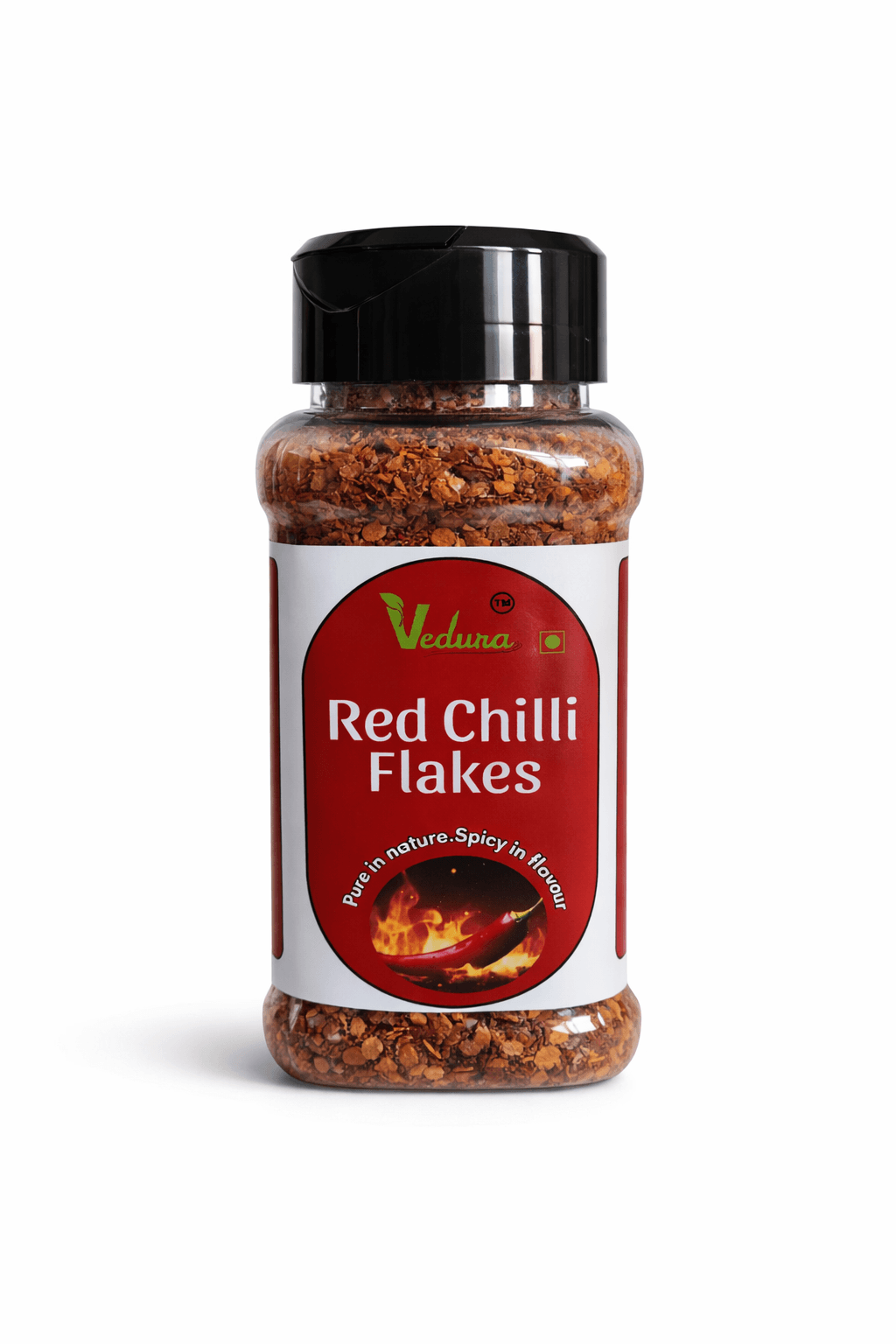
Red chilli flakes are typically made from mature, dried red chillies, which are then coarsely ground. The drying process intensifies their colour and often concentrates their heat and flavour.
Heat and Flavour Profile
The heat of red chilli flakes can vary significantly depending on the chilli variety used. Common Indian varieties like Byadgi, Guntur, and occasionally Warangal are often used. Byadgi chillies, for instance, are known for their deep red colour and moderate heat (ranging from 500 to 15,000 Scoville Heat Units, SHU), while Guntur Sannam chillies offer a more robust kick (typically 30,000 to 50,000 SHU). The flavour tends to be robust, sometimes smoky, with earthy undertones, and a lingering warmth. This characteristic heat comes primarily from capsaicin, concentrated in the placenta and seeds of the chilli.
Colour and Culinary Uses
The vibrant, deep red hue of these flakes is a hallmark, adding visual appeal to dishes. They are incredibly versatile, finding their way into pizzas, pasta, stir-fries, marinades, and an array of Indian curries and tadkas. They are excellent for infusing oils, adding a spicy dimension to roasted vegetables, or sprinkling over eggs. Vedura Foods' red chilli flakes, sourced from quality Indian chillies, embody this classic profile, delivering consistent heat and rich colour. You can find out more about them at https://www.vedurafoods.com/product/red-chilli-flakes.
Green Chilli Flakes: The Fresh Zing
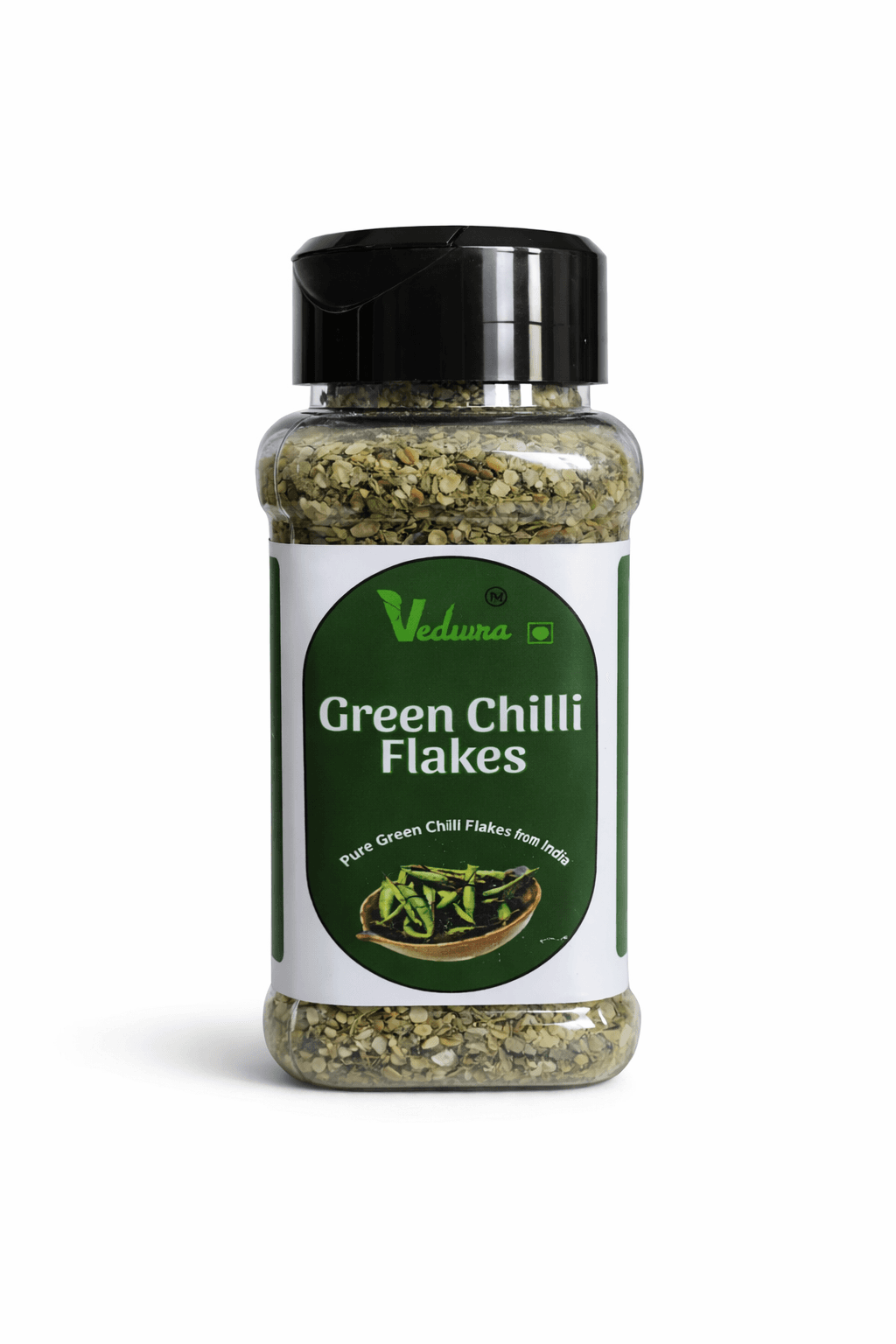
Green chilli flakes are a less common but equally compelling alternative, typically made from unripe chillies that are dehydrated and crushed. Their distinct character makes them indispensable for specific culinary applications.
Heat and Flavour Profile
Unlike their red counterparts, green chilli flakes often retain a fresher, more herbaceous, and sometimes sharper flavour profile. The heat can be equally potent, depending on the variety, but it often presents itself as a brighter, more immediate sensation rather than a deep, lingering warmth. Varieties like Jwala or even unripe Guntur chillies might be used, offering pungency and a distinct freshness. The green stage of a chilli's life cycle means different volatile compounds are present, contributing to its unique aromatic quality.
Colour and Culinary Uses
The pale to vibrant green colour of these flakes adds a visual pop that is different from red flakes. They are particularly well-suited for dishes where you want the fresh, piquant kick of green chillies without the moisture. Think chutneys, raitas, specific marinades for grilled items, or even in certain South Indian preparations where the fresh chilli flavour is paramount. They can also add an unexpected twist to salads or as a garnish for lentil soups and dals, providing a zesty counterpoint.
Heat Levels and Flavour Nuances: Beyond Just Spice
While both red and green chilli flakes deliver heat, their impact on a dish extends far beyond the Scoville scale. The "heat" sensation is complex, involving not just capsaicin but also various aromatic compounds that interact with our taste receptors.
According to research from the Indian Council of Medical Research - National Institute of Nutrition (ICMR-NIN), chillies are not just heat providers but also rich in vitamins, antioxidants, and phytochemicals. While red chillies often develop deeper, sometimes sweeter or smokier notes as they ripen, green chillies maintain a more vegetal, pungent, and zesty character. This difference is crucial for chefs and home cooks alike in balancing the overall flavour profile of a dish. The Spice Board of India further categorizes chillies by their pungency and colour values, underscoring the diverse sensory contributions each type brings.
Culinary Applications: When to Choose Which
Choosing between red and green chilli flakes often comes down to the desired aesthetic and flavour balance.
Choose Red Chilli Flakes For:
* Dishes requiring a deep, sustained heat and robust flavour.
* Italian dishes like pizza, pasta sauces, and garlic bread.
* Indian curries, gravies, and tadkas where a rich, warm spice is needed.
* Marinades for tandoori or grilled meats/paneer, for a smoky, spicy crust.
* Infused oils for a classic chilli oil.
* Recipes where a vibrant red colour is desired.
Choose Green Chilli Flakes For:
* Dishes needing a fresh, sharp, and more immediate heat.
* Chutneys and raitas for a zesty, pungent kick.
* South Indian preparations where the flavour of fresh green chillies is traditionally paramount.
* Salads or garnishes where a bright colour and fresh spice lift the dish.
* Lighter stir-fries or pan-fried vegetables where you want the flavour of fresh chilli without the moisture.
* When a green aesthetic is preferred or to contrast with other colours.
Comparative Overview: Red vs. Green Chilli Flakes
| Feature | Red Chilli Flakes | Green Chilli Flakes |
| :-------------- | :----------------------------------------------------------- | :----------------------------------------------------------- |
| Source | Dried, ripe red chillies (e.g., Byadgi, Guntur Sannam) | Dried, unripe green chillies (e.g., Jwala, unripe Guntur) |
| Heat Profile| Deeper, lingering, often robust warmth | Sharper, more immediate, sometimes pungent zing |
| Flavour | Earthy, smoky, sometimes slightly sweet, robust | Fresh, herbaceous, piquant, zesty, vegetal |
| Colour | Vibrant to deep red | Pale to vibrant green |
| Common Uses | Pizzas, pasta, hearty curries, marinades, chilli oils, tadkas | Chutneys, raitas, fresh garnishes, specific South Indian dishes, light stir-fries |
| Aroma | Intense, warm, sometimes earthy | Fresh, bright, piquant, sometimes grassy |
FAQs
Q: Are green chilli flakes hotter than red chilli flakes?
A: Not necessarily. The heat level depends more on the specific chilli variety used than its colour. However, green chilli flakes often deliver a perception of sharper, more immediate heat due due to their fresh, pungent flavour profile, while red flakes tend to have a deeper, lingering warmth.
Q: Can I substitute red chilli flakes for green chilli flakes, and vice versa?
A: While you can substitute them for heat, be aware that the flavour and colour will change significantly. Red flakes offer a robust, earthy warmth and red colour, whereas green flakes provide a fresher, piquant zing and green hue. Choose based on the desired flavour and aesthetic of your dish.
Q: Do chilli flakes have any health benefits?
A: Yes, chillies, both red and green, are rich in capsaicin, which is known for its anti-inflammatory and pain-relieving properties. They also contain antioxidants and vitamins, particularly Vitamin C and A. The FSSAI (Food Safety and Standards Authority of India) encourages the use of quality spices for both flavour and potential health benefits.
Q: How should I store chilli flakes to maintain their freshness?
A: To maintain their pungency and flavour, chilli flakes should be stored in an airtight container in a cool, dark place, away from direct sunlight and moisture. This prevents them from losing their volatile oils and colour over time, ensuring they stay potent for longer.
Q: What is the typical shelf life of chilli flakes?
A: When stored properly in an airtight container away from heat and light, chilli flakes can last for up to 1-2 years. However, their potency and flavour will gradually diminish over time. For the best flavour, it's advisable to use them within 6-12 months of opening.
Q: Are green chilli flakes commonly available in India?
A: While red chilli flakes are widely available, green chilli flakes are less common in mainstream markets. They are sometimes found in specialty spice stores or online. Their distinct flavour profile makes them a niche but valuable addition for those seeking to replicate the fresh, pungent taste of green chillies in dried form.
Explore topics
Continue your Vedura journey
Explore product pages, practical recipes, and research-led explainers connected to this topic.
Comments
Be the first to comment.