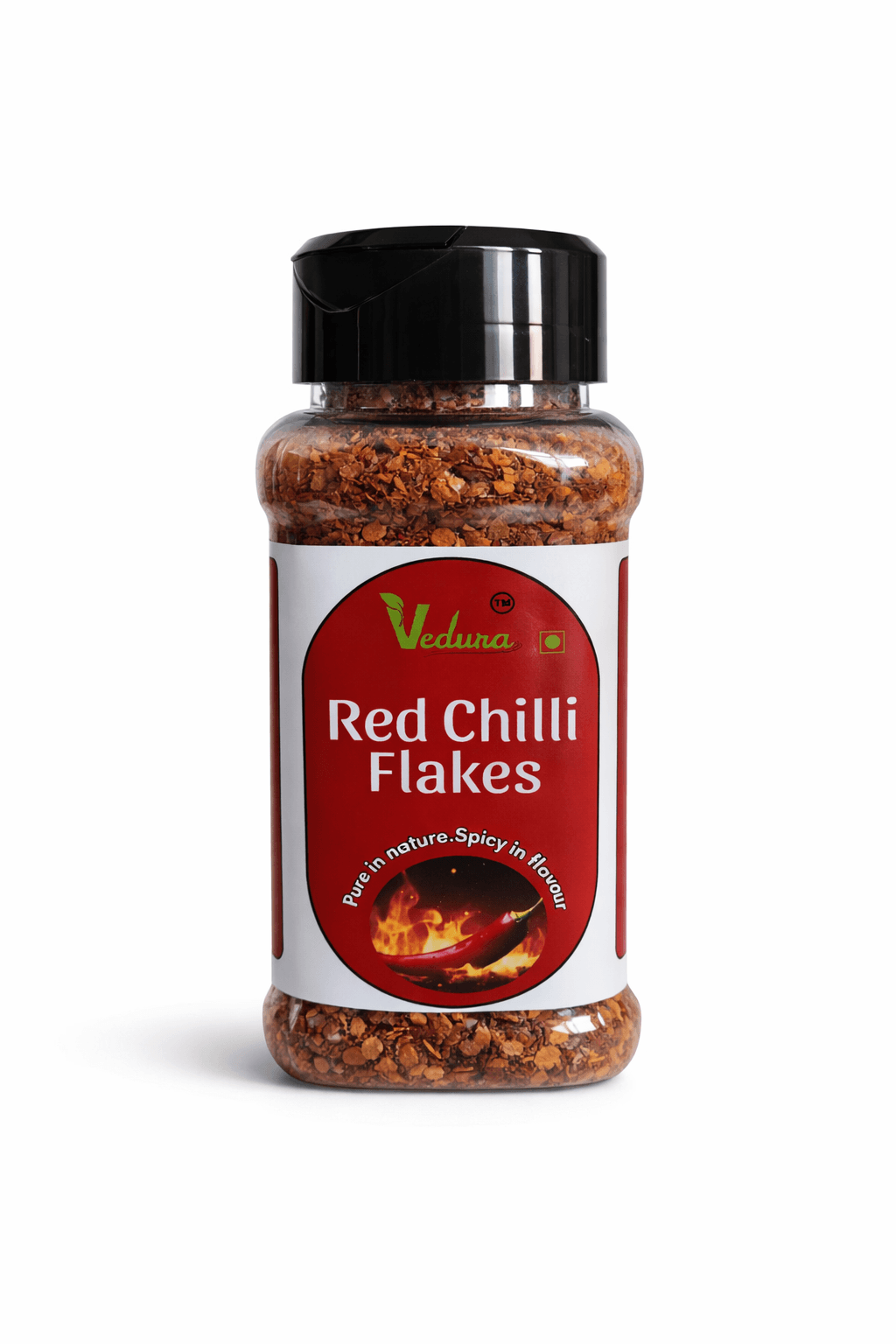
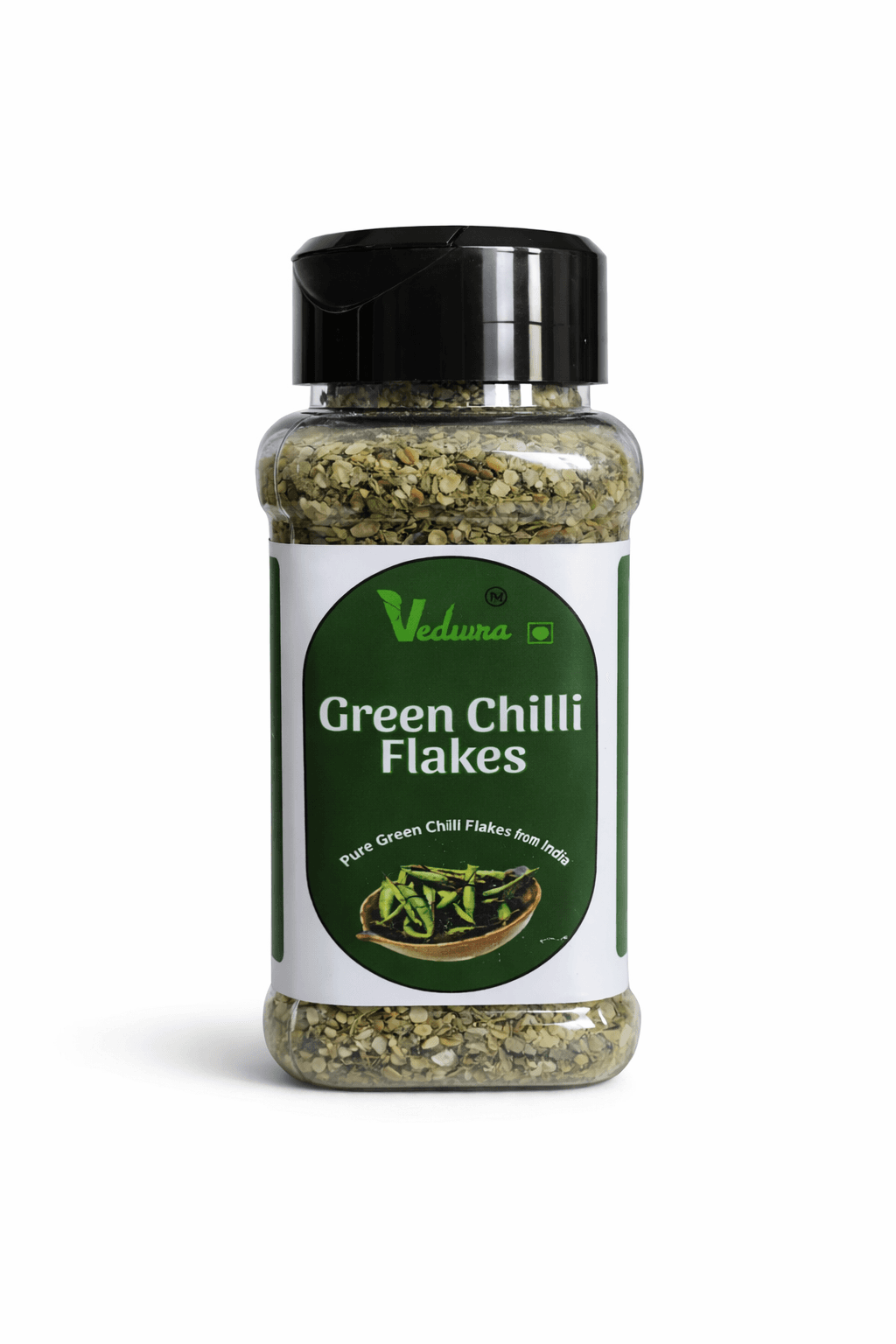
The fundamental difference lies in the maturity of the chilli at the time of harvesting and drying. Red chilli flakes are made from fully ripe red chillies, which have been allowed to mature on the plant, developing their full colour, robust flavour, and capsaicin content. Green chilli flakes, on the other hand, are derived from unripe chillies, harvested while still green, and then processed to retain their distinct characteristics.
Green chillies, harvested before full maturity, undergo a different drying process. To preserve their vibrant green hue and fresh flavour profile, they are often dried quickly, sometimes with controlled heat or air drying. This method prevents them from turning brown and locks in their characteristic sharp, herbaceous notes. The resulting flakes are a testament to the unripe chilli's distinct qualities.
Quick Summary
Green chilli flakes offer a fresher, sharper heat and brighter colour, making them ideal for dishes where a vibrant, immediate spice note is desired. In contrast, red chilli flakes provide a deeper, fruitier, and more sustained heat, along with a rich red hue, perfect for robust curries, marinades, and seasoning oils. Choosing between them depends entirely on the desired flavour, heat, and visual impact in your dish.
The Fiery Dichotomy: Red vs. Green Chilli Flakes
In the vibrant world of Indian cuisine, chillies are indispensable. From the subtle warmth of a tempering to the fiery punch of a curry, their role is paramount. While fresh chillies dominate many recipes, dried chilli flakes offer a convenient, concentrated burst of flavour and heat. But a common question arises: what truly differentiates red chilli flakes from their green counterparts, and when should you use each?
The fundamental difference lies in the maturity of the chilli at the time of harvesting and drying. Red chilli flakes are made from fully ripe red chillies, which have been allowed to mature on the plant, developing their full colour, robust flavour, and capsaicin content. Green chilli flakes, on the other hand, are derived from unripe chillies, harvested while still green, and then processed to retain their distinct characteristics.
Origins and Processing: From Plant to Plate
The journey from a fresh chilli to a dried flake is a critical one that defines its character. Red chillies, once fully ripe, are typically sun-dried or mechanically dried. This drying process concentrates their sugars, deepens their colour, and often enhances their complex flavour notes, sometimes introducing smoky or fruity undertones. The chillies are then deseeded (partially or fully) and crushed into flakes. For a reliably rich and vibrant red, consider Vedura's Red Chilli Flakes, meticulously processed from select Indian red chillies, available at https://www.vedurafoods.com/product/red-chilli-flakes.
Green chillies, harvested before full maturity, undergo a different drying process. To preserve their vibrant green hue and fresh flavour profile, they are often dried quickly, sometimes with controlled heat or air drying. This method prevents them from turning brown and locks in their characteristic sharp, herbaceous notes. The resulting flakes are a testament to the unripe chilli's distinct qualities.
Heat Profile: Beyond Just 'Spicy'
While both types of flakes deliver heat, the *nature* of that heat differs significantly. The heat in chillies is primarily due to capsaicinoids. According to the Spice Board of India, India is one of the largest producers and exporters of chillies, encompassing a vast array of varieties with differing heat levels measured in Scoville Heat Units (SHU).
Red Chilli Flakes often provide a deeper, more sustained heat. The ripening process allows for a full development of capsaicin, which, when combined with the complex flavours of ripe chillies, results in a warmth that builds slowly and lingers on the palate. This heat often feels more integrated into the dish's overall flavour profile.
Green Chilli Flakes tend to offer a sharper, more immediate, and sometimes more pungent heat. Because they are unripe, their capsaicin compounds might interact differently with other volatile compounds, creating a sensation that hits quickly and then dissipates more rapidly than red flakes. It's a 'fresher' kind of heat that can cut through richness.
Flavour Nuances: Aromatic Depth vs. Fresh Zest
The flavour difference is perhaps even more pronounced than the heat profile.
Red Chilli Flakes boast a more complex and robust flavour. They can range from earthy and smoky to subtly sweet and fruity, depending on the chilli variety used. This depth makes them excellent for adding foundational flavour to dishes, complementing other spices without overpowering them. They contribute a rich, warm undertone.
Green Chilli Flakes carry a fresh, pungent, and sometimes grassy or herbaceous flavour. They lack the sweetness and earthiness of their red counterparts, instead offering a bright, zesty character. This freshness makes them suitable for dishes where you want a clean, sharp chilli note that stands out.
Visual Appeal: Colour's Role in Indian Cuisine
Colour is an integral part of how we perceive food, especially in Indian cooking where aesthetics play a significant role.
Red Chilli Flakes imbue dishes with beautiful shades of deep red, orange-red, or brick-red. This rich colour is often associated with warmth, intensity, and a traditional appeal. Think of a vivid Rogan Josh or a bright red chilli oil – the colour is as much a part of the experience as the taste.
Green Chilli Flakes provide a vibrant green or olive-green hue. This colour signals freshness, vitality, and often a sharper, more immediate spice. They are perfect for garnishing or incorporating into dishes where you want to maintain a bright, natural look, such as a fresh raita or a green chutney.
Culinary Applications: When to Use Which
Choosing between red and green chilli flakes comes down to understanding their unique contributions to a dish.
| Feature | Red Chilli Flakes | Green Chilli Flakes |
|---|---|---|
| Source | Dried ripe red chillies | Dried unripe green chillies |
| Heat Profile | Deeper, sustained, often fruitier | Sharper, more immediate, herbaceous |
| Flavour | Robust, smoky, sometimes sweet notes | Fresh, pungent, grassy, vibrant |
| Colour | Deep red to orange-red | Bright green to olive green |
| Best Uses | Curries, marinades, pizza topping, seasoning oils, pickles, robust sabzis | Stir-fries, fresh chutneys, raitas, light gravies, salads, tempering |
Use Red Chilli Flakes for:
* Rich Curries and Gravies: Their deep flavour and colour enhance dishes like Chicken Tikka Masala, Paneer Butter Masala, or any slow-cooked curry.
* Marinades: They add robust flavour and a beautiful reddish tint to tandoori preparations, grilled meats, or paneer.
* Seasoning Oils: Infuse olive oil or mustard oil for a spicy drizzle over pasta, eggs, or even Indian snacks.
* Pickles and Chutneys: Their concentrated flavour is excellent for homemade mango pickles or spicy tomato chutneys.
* Pizza and Pasta: A classic topping for a reason, providing consistent heat and colour.
Use Green Chilli Flakes for:
* Fresh Chutneys and Dips: Their sharp, fresh flavour brightens mint chutney, coriander chutney, or even a spicy yogurt dip.
* Raitas and Salads: For a burst of fresh heat without altering the colour too much, sprinkle over cucumber raita or kachumber salad.
* Stir-fries and Light Gravies: Ideal for Asian-inspired stir-fries or Indian vegetable preparations where you want a crisp, clean spice note.
* Tempering (Tadka): While whole green chillies are common, green flakes can add a unique fresh heat to dals or vegetable dishes.
* Vibrant Garnishes: A pinch can add visual appeal and a fresh kick to a variety of dishes.
Ultimately, both red and green chilli flakes are fantastic additions to any pantry, offering distinct culinary possibilities. Adhering to quality standards set by the Food Safety and Standards Authority of India (FSSAI) ensures that the chilli flakes you choose are safe and potent, delivering the authentic flavour and heat you expect.
FAQs
Q: Can red and green chilli flakes be used interchangeably?
A: While both provide heat, their distinct flavour, colour, and heat profiles mean they are not perfectly interchangeable. Substituting one for the other will significantly alter the final taste and appearance of your dish. For instance, using green flakes where red is called for might result in a sharper, less robust flavour and a different visual.
Q: Are green chilli flakes generally milder or hotter than red?
A: There's a common misconception that green chillies are always milder. In flake form, green chilli flakes often deliver a sharper, more immediate heat, while red chilli flakes provide a deeper, more sustained warmth. The perception of heat can vary based on the specific chilli variety and individual palate.
Q: How does the flavour profile differ significantly?
A: Red chilli flakes typically offer a richer, more complex flavour that can be earthy, smoky, or subtly fruity due to the ripening process. Green chilli flakes, being from unripe chillies, possess a fresher, more pungent, and sometimes herbaceous or grassy flavour profile, providing a brighter spice note.
Q: What are the best ways to store chilli flakes for freshness?
A: To maintain their potency, flavour, and colour, chilli flakes should be stored in an airtight container in a cool, dark place, away from direct sunlight and moisture. For prolonged freshness, especially in humid climates, refrigeration can be beneficial.
Q: Do specific chilli varieties yield better flakes?
A: Yes, just as with fresh chillies, certain varieties are preferred for flakes due to their flavour, heat, and colour. For red flakes, varieties like Byadagi or Kashmiri provide excellent colour and moderate heat, while for green flakes, specific varieties are chosen for their consistent fresh flavour and ability to retain colour upon drying.
Q: Can I make my own chilli flakes at home?
A: Absolutely. You can make your own flakes by thoroughly drying fresh chillies (red or green) in the sun or a dehydrator until brittle, then crushing them. Ensure they are completely dry to prevent mould formation during storage. This method allows you to control the variety and coarseness of your flakes.
Explore topics
Continue your Vedura journey
Explore product pages, practical recipes, and research-led explainers connected to this topic.
Comments
Be the first to comment.