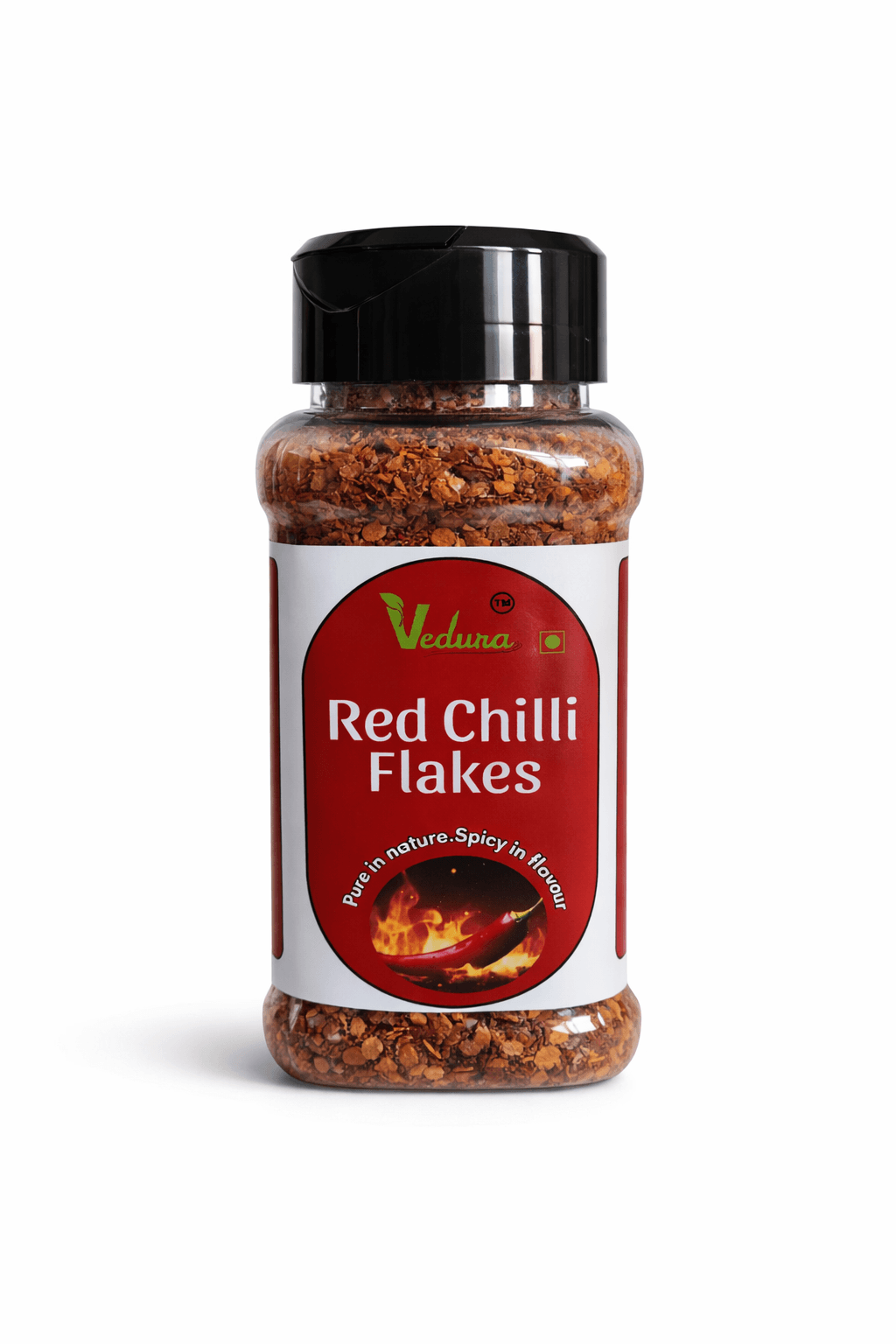
Red chilli flakes generally deliver a more intense and lingering heat. As chillies ripen, their capsaicin levels can increase, leading to a hotter final product. The drying process further concentrates these compounds. Therefore, dishes seasoned with red chilli flakes often have a deep, sustained warmth that builds with each bite. According to the Food Safety and Standards Authority of India (FSSAI) guidelines on spices, the allowable capsaicinoid content in chilli powder (and by extension, flakes) is closely monitored to ensure product consistency and safety, highlighting the potency of these compounds.
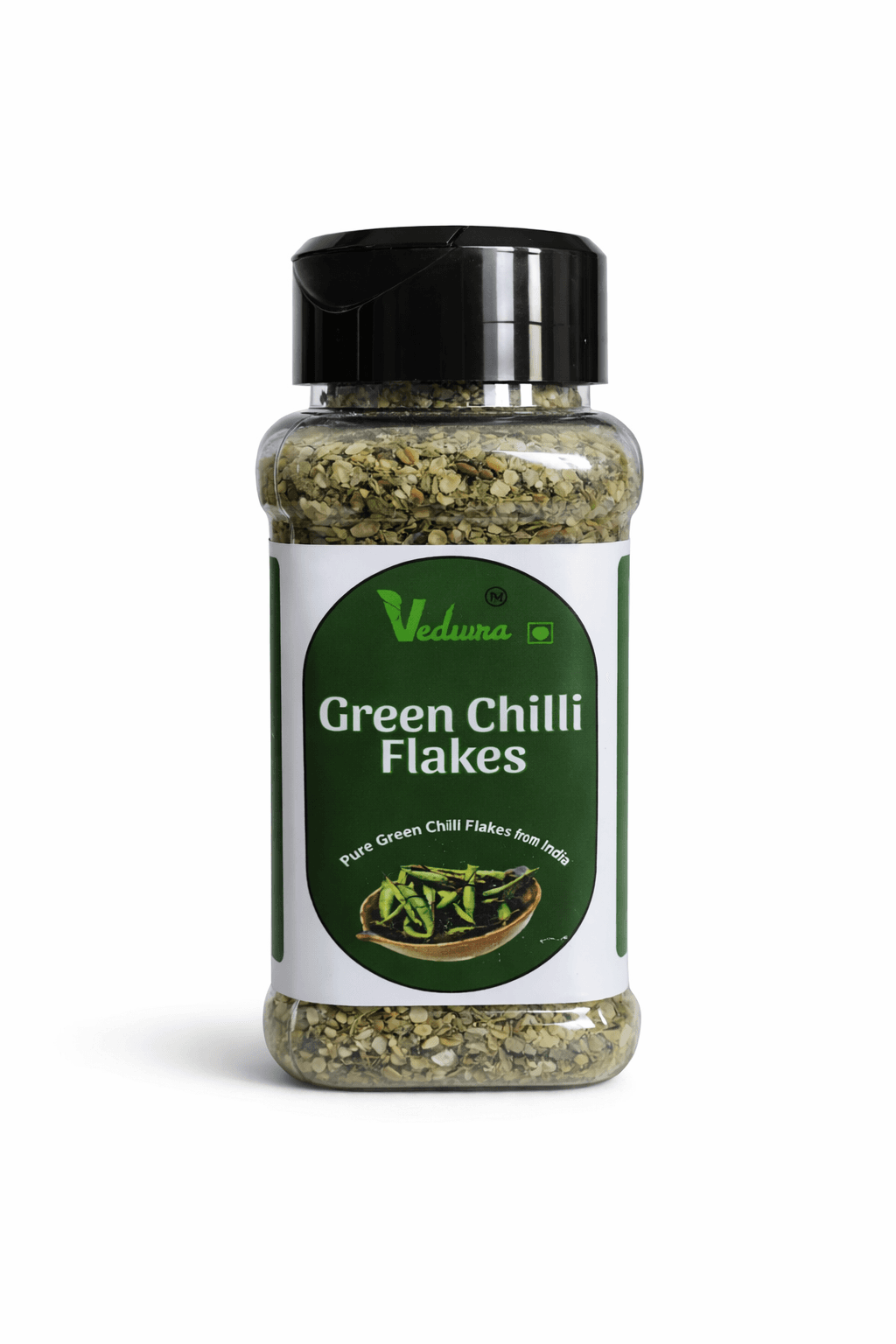
Green chilli flakes tend to offer a sharper, more immediate heat that often dissipates quicker. While still potent, the heat from unripe chillies can feel brighter on the palate, lacking some of the depth and lingering quality found in their red counterparts. This difference makes them suitable for dishes where you want a punch of heat without overwhelming other delicate flavours.
Quick Summary
Red chilli flakes, made from dried ripe chillies, offer a deeper, lingering heat with smoky notes and vibrant colour, ideal for robust dishes. Green chilli flakes, from dried unripe chillies, provide a sharper, fresher heat with herbaceous undertones, best suited for brighter, more immediate flavour profiles in cooking.
The Chilli Flake Spectrum: Understanding Red vs. Green
Chilli flakes are a staple in kitchens across India and globally, prized for their ability to add a burst of heat and character to countless dishes. While many are familiar with the vibrant red variety, green chilli flakes are gaining recognition for their distinct qualities. The fundamental difference between them lies in the ripeness of the chillies used, which profoundly impacts their flavour, heat, and visual appeal.
What are Chilli Flakes?
Chilli flakes are simply dried chillies that have been crushed or coarsely ground. This process concentrates their flavour and heat, making them a versatile ingredient for seasoning, garnishing, or adding a fiery kick to marinades and sauces. They offer a more controlled heat compared to fresh chillies, as the drying process can mellow some of the immediate pungency while intensifying the overall warmth.
The Fundamental Difference: Ripeness
Red chilli flakes are typically made from fully ripened red chillies, which have been allowed to mature on the plant, developing their full colour, sweetness, and capsaicin content. Green chilli flakes, on the other hand, are derived from unripe or partially ripe green chillies. This difference in maturity is the root cause of their varied characteristics, influencing everything from their chemical composition to their culinary behaviour.
Heat Profile: A Scoville Scale Perspective
The perceived heat of a chilli is primarily due to capsaicin, a chemical compound concentrated in the placenta (the white pith) of the chilli. Both red and green chilli flakes contain capsaicin, but their intensity and the way their heat expresses itself can differ significantly.
Red chilli flakes generally deliver a more intense and lingering heat. As chillies ripen, their capsaicin levels can increase, leading to a hotter final product. The drying process further concentrates these compounds. Therefore, dishes seasoned with red chilli flakes often have a deep, sustained warmth that builds with each bite. According to the Food Safety and Standards Authority of India (FSSAI) guidelines on spices, the allowable capsaicinoid content in chilli powder (and by extension, flakes) is closely monitored to ensure product consistency and safety, highlighting the potency of these compounds.
Green chilli flakes tend to offer a sharper, more immediate heat that often dissipates quicker. While still potent, the heat from unripe chillies can feel brighter on the palate, lacking some of the depth and lingering quality found in their red counterparts. This difference makes them suitable for dishes where you want a punch of heat without overwhelming other delicate flavours.
Flavour Nuances and Aromatic Contributions
Beyond just heat, red and green chilli flakes bring distinct flavour profiles to the table, making them non-interchangeable for nuanced cooking.
Red chilli flakes often carry a complex flavour that is smoky, earthy, and sometimes even subtly fruity due to the sugars that develop during ripening. This depth of flavour makes them excellent for enriching gravies, adding character to dry rubs, or infusing oils with a robust aroma. The drying process can also introduce a slight toastiness, further enhancing their complexity.
Green chilli flakes, derived from unripe chillies, possess a fresher, more herbaceous, and sometimes slightly grassy flavour. They can also have a tangy or subtly citrusy undertone, which brightens dishes. Their aroma is often described as more vibrant and peppery, making them a fantastic choice when you want to add heat without obscuring the fresh notes of other ingredients.
Colour and Visual Impact in Cooking
The visual appeal of a dish is as important as its taste, and the colour of your chilli flakes plays a significant role in presentation.
Red chilli flakes impart a vibrant red or orange-red hue, instantly signalling warmth and spice. This rich colour can enhance the visual depth of curries, pasta sauces, pizzas, and marinades, making the dish look as enticing as it tastes. For instance, a sprinkling of Vedura's Red Chilli Flakes on a plate of pasta not only adds zing but also a beautiful visual contrast.
Green chilli flakes, as expected, offer a muted green to yellowish-green colour. This subtle shade can be intentionally used to maintain the natural colour palette of dishes, especially those with fresh green vegetables, herbs, or light-coloured sauces where a stark red might be distracting. They provide heat without dramatically altering the visual harmony of the dish.
Best Culinary Applications: When to Choose Which
Deciding between red and green chilli flakes boils down to the desired heat intensity, flavour profile, and visual impact for your specific dish. Here’s a comparison to guide your culinary choices:
| Feature | Red Chilli Flakes | Green Chilli Flakes |
| :-------------- | :----------------------------------------------------------- | :------------------------------------------------------------ |
| Source | Dried, ripened red chillies | Dried, unripe or partially ripe green chillies |
| Heat Level | Generally more intense, lingering | Brighter, sharper, often dissipates faster |
| Flavour | Smoky, earthy, sometimes fruity, deep | Fresh, grassy, sometimes tangy or citrusy |
| Colour | Vibrant red, orange-red | Muted green to yellowish-green |
| Aroma | Pungent, robust | Herbaceous, somewhat peppery |
| Best Uses | Pizza, pasta, marinades, curries, tandoori, pickles, dry rubs | Stir-fries, fresh salsas, raitas, dressings, certain chutneys |
For dishes demanding a deep, robust heat and a rich colour, such as a traditional Indian curry, a spicy marinade for tandoori chicken, or a hearty pasta sauce, red chilli flakes are the ideal choice. Their sustained warmth and earthy undertones complement slow-cooked meals beautifully. On the other hand, for lighter, fresher preparations like a quick stir-fry, a vibrant salsa, a cooling raita, or a fresh salad dressing, green chilli flakes offer that immediate kick without overpowering the delicate flavours. Their fresh, grassy notes can really brighten up a dish.
FAQs
Q: Can I substitute red chilli flakes for green and vice versa?
A: While you can substitute them in a pinch, be aware that the flavour and heat profile will change. Red flakes provide a deeper, lingering heat and smoky flavour, while green flakes offer a sharper, fresher heat with herbaceous notes. Adjust quantities carefully to match the desired intensity.
Q: Are green chilli flakes less spicy than red ones?
A: Not always, but generally, red chilli flakes tend to have a more intense and lingering heat due to higher capsaicin levels developed during ripening. Green flakes often deliver a sharper, more immediate heat that can dissipate faster, making them feel less overwhelming in some contexts.
Q: What gives chilli flakes their heat?
A: The heat in chilli flakes comes from capsaicin, a chemical compound primarily found in the placenta (the white pith inside the chilli) and, to a lesser extent, in the seeds and flesh. This compound stimulates thermoreceptors in the mouth, creating the sensation of heat.
Q: How should I store chilli flakes to maintain freshness?
A: To maintain their potency and flavour, store chilli flakes in an airtight container in a cool, dark, and dry place, away from direct sunlight and humidity. Proper storage prevents them from losing their aroma and heat over time.
Q: Do red chilli flakes offer any health benefits?
A: Yes, chillies, including those used for red chilli flakes, are rich in capsaicin, which has been studied for its potential anti-inflammatory, pain-relieving, and metabolism-boosting properties. They also contain vitamins A and C, and various antioxidants, as highlighted by nutrition research from institutions like ICMR-National Institute of Nutrition.
Q: Are there different types of red or green chillies used for flakes?
A: Absolutely. Just as there are many varieties of fresh chillies, different types can be dried and flaked. Common red varieties include Byadagi or Guntur chillies, while various local green chillies are used. The specific chilli type will influence the final flavour and heat characteristics of the flakes.
Explore topics
Continue your Vedura journey
Explore product pages, practical recipes, and research-led explainers connected to this topic.
Comments
Be the first to comment.