Historically, these greens were a seasonal luxury, enjoyed only for a few months of the year. Their perishable nature meant that their health benefits were confined to their harvest period. However, with advancements in food technology, especially dehydration, the opportunity to enjoy these nutritional treasures year-round is becoming increasingly accessible, supporting both consumer health and agricultural sustainability.
According to the Indian Council of Medical Research - National Institute of Nutrition (ICMR-NIN) in Hyderabad, leafy greens are exceptional sources of micronutrients that are often lacking in modern diets. They are packed with vitamins, minerals, and dietary fiber, all crucial for maintaining optimal bodily functions. The table below highlights some key nutritional contributions:
Quick Summary
Indian winter greens, collectively known as saag, are seasonal powerhouses packed with essential vitamins, minerals, and fiber. This guide delves into popular varieties like Sarso, Bathua, Methi, and Chana Saag, highlighting their unique flavors and significant nutritional benefits. We also explore how modern food preservation techniques, such as dehydration, can extend their availability, ensuring these healthful vegetables are accessible beyond their brief winter window.
The Winter Bounty of Indian Greens
As winter descends upon India, it brings with it a vibrant array of leafy greens that form the cornerstone of many regional cuisines. These nutrient-dense vegetables, affectionately termed 'saag', are not just a culinary delight but also a traditional source of vital micronutrients during the colder months. From the verdant fields of Punjab to the kitchens of Uttar Pradesh, the consumption of fresh winter greens is a cherished practice, deeply rooted in Indian food culture.
Historically, these greens were a seasonal luxury, enjoyed only for a few months of the year. Their perishable nature meant that their health benefits were confined to their harvest period. However, with advancements in food technology, especially dehydration, the opportunity to enjoy these nutritional treasures year-round is becoming increasingly accessible, supporting both consumer health and agricultural sustainability.
Diverse Varieties of Saag: A Culinary Tour
India's diverse agricultural landscape yields several distinct types of winter greens, each with its own flavor profile and culinary applications.
Sarso Ka Saag (Mustard Greens)
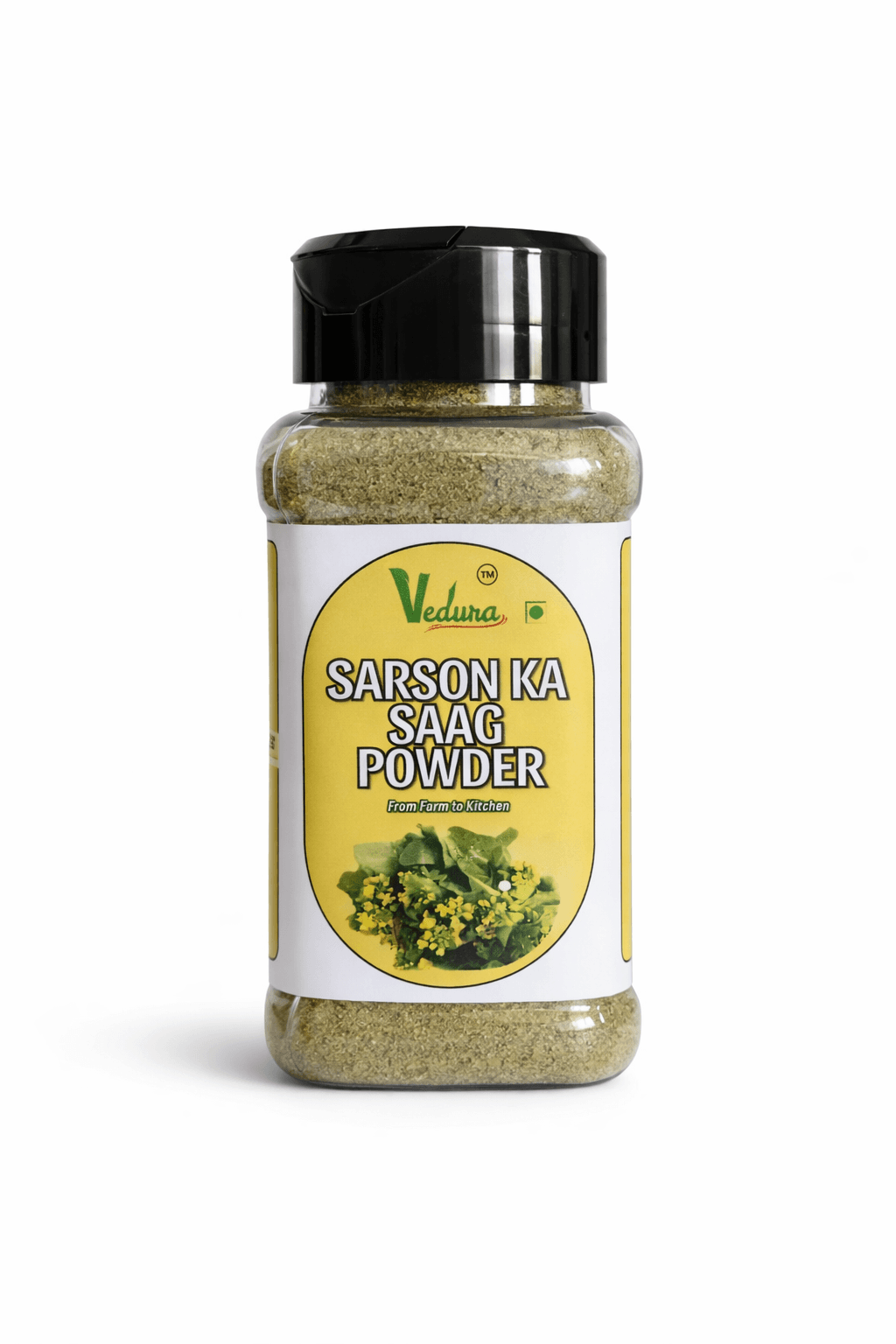
Perhaps the most iconic of all winter greens, Sarso ka Saag is synonymous with Punjabi cuisine. Known for its slightly bitter, pungent taste, it is often cooked with spices and served with makki di roti (cornbread). Sarso greens are a rich source of Vitamin K, Vitamin A, and Vitamin C, alongside essential minerals. They are lauded for their anti-inflammatory properties and their role in bone health. For those seeking the authentic taste and nutrition of Sarso ka Saag year-round, Vedura Foods offers a high-quality dehydrated sarso ka saag powder, making it convenient to enjoy this winter staple anytime.
Bathua (Lamb's Quarters/Pigweed)
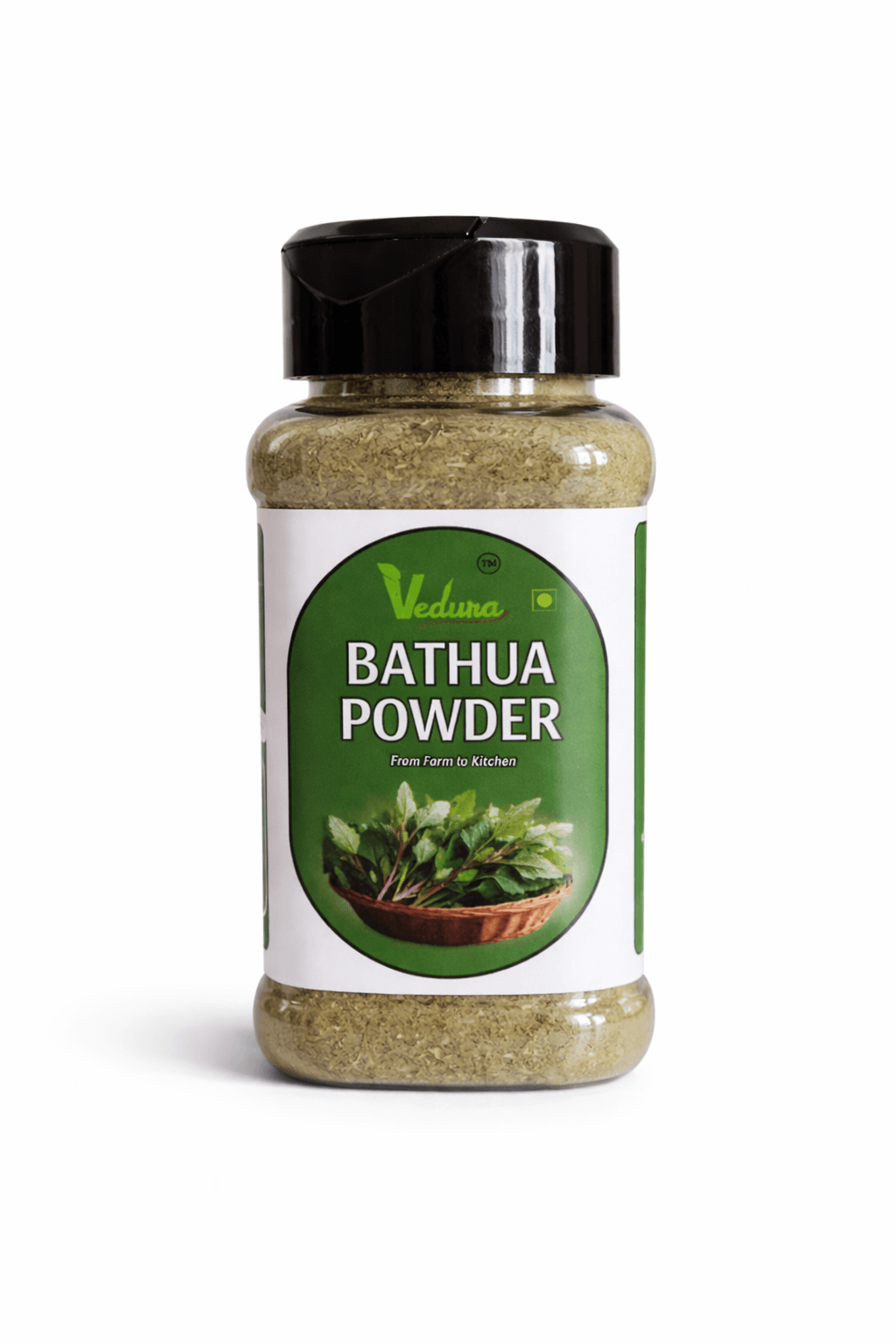
Bathua is a lesser-known but equally nutritious green, particularly popular in North India. It possesses a slightly earthy and salty flavor, making it versatile for dishes like Bathua ka Raita, Bathua parathas, and even mixed into dals. This humble green is a powerhouse of iron, calcium, and amino acids, often recommended for improving hemoglobin levels and aiding digestion. Its detoxification properties are also highly valued in traditional Indian diets.
Methi (Fenugreek Leaves)
With its distinct bitter-sweet aroma and taste, Methi is a beloved winter green used extensively across India. Fresh methi leaves are incorporated into dishes like Aloo Methi, Methi Muthia, and various curries. Beyond its culinary appeal, methi is recognized for its medicinal properties, particularly its ability to help manage blood sugar levels and improve digestion due to its high fiber content. It is also a good source of Vitamin K, iron, and manganese.
Chana Saag (Chickpea Greens)
Chana Saag refers to the tender young leaves of the chickpea plant, harvested primarily in winter. These greens offer a delicate, slightly tangy flavor, distinct from other saag varieties. Rich in protein, fiber, and folate, Chana Saag is a nutritious addition to the diet, especially for those seeking plant-based protein sources. It is commonly prepared as a standalone sabzi or mixed with other vegetables, offering a unique texture and nutritional boost.
The Nutritional Powerhouse of Indian Greens
Indian winter greens are more than just flavorful additions to meals; they are nutritional goldmines. Their diverse nutrient profiles contribute significantly to overall health and well-being.
According to the Indian Council of Medical Research - National Institute of Nutrition (ICMR-NIN) in Hyderabad, leafy greens are exceptional sources of micronutrients that are often lacking in modern diets. They are packed with vitamins, minerals, and dietary fiber, all crucial for maintaining optimal bodily functions. The table below highlights some key nutritional contributions:
| Green Variety | Key Nutrients | Common Health Benefits |
| :---------------------- | :------------------------------------------ | :--------------------------------------------------- |
| Sarso (Mustard Greens) | Vitamin K, A, C, Folate, Antioxidants | Bone health, immunity, vision, anti-inflammatory |
| Bathua (Lamb's Quarters)| Iron, Calcium, Vitamin C, Amino Acids | Anemia prevention, bone strength, digestion, detoxification |
| Methi (Fenugreek Leaves)| Fiber, Vitamin K, Iron, Manganese | Blood sugar control, digestive health, anti-inflammatory |
| Chana (Chickpea Greens) | Protein, Fiber, Folate, Vitamin A, C | Muscle repair, gut health, energy production, immunity |
These greens provide a spectrum of benefits, from bolstering the immune system and improving digestion to supporting bone health and aiding in blood sugar management. Their antioxidant content helps combat oxidative stress, protecting the body's cells from damage.
Extending the Harvest: Dehydrated Greens
The seasonal nature of fresh winter greens often means a limited window to enjoy their full nutritional benefits. This challenge is precisely where modern food preservation techniques like dehydration offer a practical solution. Dehydration involves removing moisture from food, thereby inhibiting microbial growth and enzymatic reactions that cause spoilage, without significantly compromising the nutritional integrity of the produce.
Dehydrated greens retain a substantial portion of their vitamins, minerals, and fiber. For instance, minerals like iron and calcium are largely unaffected by the drying process. While some heat-sensitive vitamins, such as Vitamin C, might see a slight reduction, the convenience and extended shelf-life often outweigh this minor loss. The Food Safety and Standards Authority of India (FSSAI) sets guidelines to ensure that dehydrated food products meet safety and quality standards, making them a reliable option for consumers.
By choosing dehydrated options, home cooks and food enthusiasts can enjoy the authentic flavors and health benefits of greens like sarso and bathua throughout the year, irrespective of the season. This not only adds variety to daily meals but also helps reduce food waste by utilizing seasonal gluts more effectively.
Incorporating Winter Greens into Your Diet
Whether fresh or dehydrated, integrating winter greens into your diet is simple and rewarding.
For fresh greens, traditional preparations like Sarso ka Saag, Bathua ki Sabzi, and Methi Parathas remain popular. They can also be added to dals, curries, or even blended into nutritious smoothies for a quick health boost.
When using dehydrated greens, rehydration is typically the first step. Simply soak them in warm water for a few minutes until tender. Once rehydrated, they can be used in almost any recipe that calls for fresh greens – from enriching gravies and dals to being incorporated into dough for rotis or parathas. The concentrated flavor of dehydrated greens also means a smaller quantity often suffices, making them a pantry staple for year-round healthy eating.
FAQs
Q: What are the main Indian winter greens?
A: The most prominent Indian winter greens include Sarso (mustard greens), Bathua (lamb's quarters), Methi (fenugreek leaves), and Chana Saag (chickpea greens), each offering unique flavors and nutritional profiles.
Q: What are the health benefits of eating saag?
A: Saag varieties are rich in essential vitamins (A, C, K), minerals (iron, calcium), fiber, and powerful antioxidants. They support immune function, improve digestion, strengthen bones, and contribute to overall cellular health.
Q: Can I get fresh saag all year round?
A: Most traditional Indian winter greens are seasonal, primarily available from late autumn through early spring. Their peak freshness and availability are limited to these colder months, making year-round access to fresh varieties challenging.
Q: How do dehydrated greens compare to fresh ones nutritionally?
A: Dehydration is an effective method for preserving a significant portion of nutrients, particularly minerals, fiber, and some vitamins. While slight reductions in certain heat-sensitive vitamins like Vitamin C may occur, dehydrated greens remain a highly nutritious and convenient alternative to fresh produce, especially off-season.
Q: Which saag is best for iron deficiency?
A: Bathua (Lamb's Quarters) and Methi (Fenugreek leaves) are particularly noted for their high iron content. Regular consumption of these greens, along with Vitamin C-rich foods for better absorption, can be very beneficial in addressing iron deficiency.
Q: How can I use dehydrated sarso saag powder?
A: Dehydrated sarso saag powder is incredibly versatile. It can be rehydrated and used in traditional Sarso ka Saag, added directly to dals, curries, or vegetable preparations for flavor and nutrition. It can also be incorporated into paratha dough, soups, or even smoothies for an authentic taste and a nutrient boost.
Explore topics
Continue your Vedura journey
Explore product pages, practical recipes, and research-led explainers connected to this topic.
Comments
Be the first to comment.