Beyond oxygen transport, iron contributes to energy production, immune function, and cognitive development. While non-vegetarian sources like meat are well-known for their iron content, a carefully planned vegetarian diet can easily provide ample iron. The key lies in knowing which foods are rich in this mineral and how to maximise its absorption.
Quick Summary
Iron is crucial for energy and overall well-being, and Indian vegetarian diets offer a wealth of plant-based sources. Leafy greens like bathua, methi, and spinach, along with legumes, millets, and seeds, are excellent providers. Pairing these with Vitamin C-rich foods significantly boosts absorption, helping you meet your daily iron needs naturally.
The Iron Imperative: Why It Matters
Iron, often overlooked until its deficiency causes fatigue and weakness, is a vital mineral essential for numerous bodily functions. Its primary role is in forming haemoglobin, the protein in red blood cells that carries oxygen from your lungs to every part of your body. Without sufficient iron, your body can't produce enough healthy red blood cells, leading to iron-deficiency anaemia, a widespread nutritional challenge in India.
Beyond oxygen transport, iron contributes to energy production, immune function, and cognitive development. While non-vegetarian sources like meat are well-known for their iron content, a carefully planned vegetarian diet can easily provide ample iron. The key lies in knowing which foods are rich in this mineral and how to maximise its absorption.
Leafy Greens: The Unsung Heroes
Indian cuisine is blessed with a diverse array of leafy greens, many of which are powerhouses of iron and other essential nutrients. Incorporating these regularly is a simple yet effective strategy for boosting your iron intake.
Bathua (Lamb's Quarters)
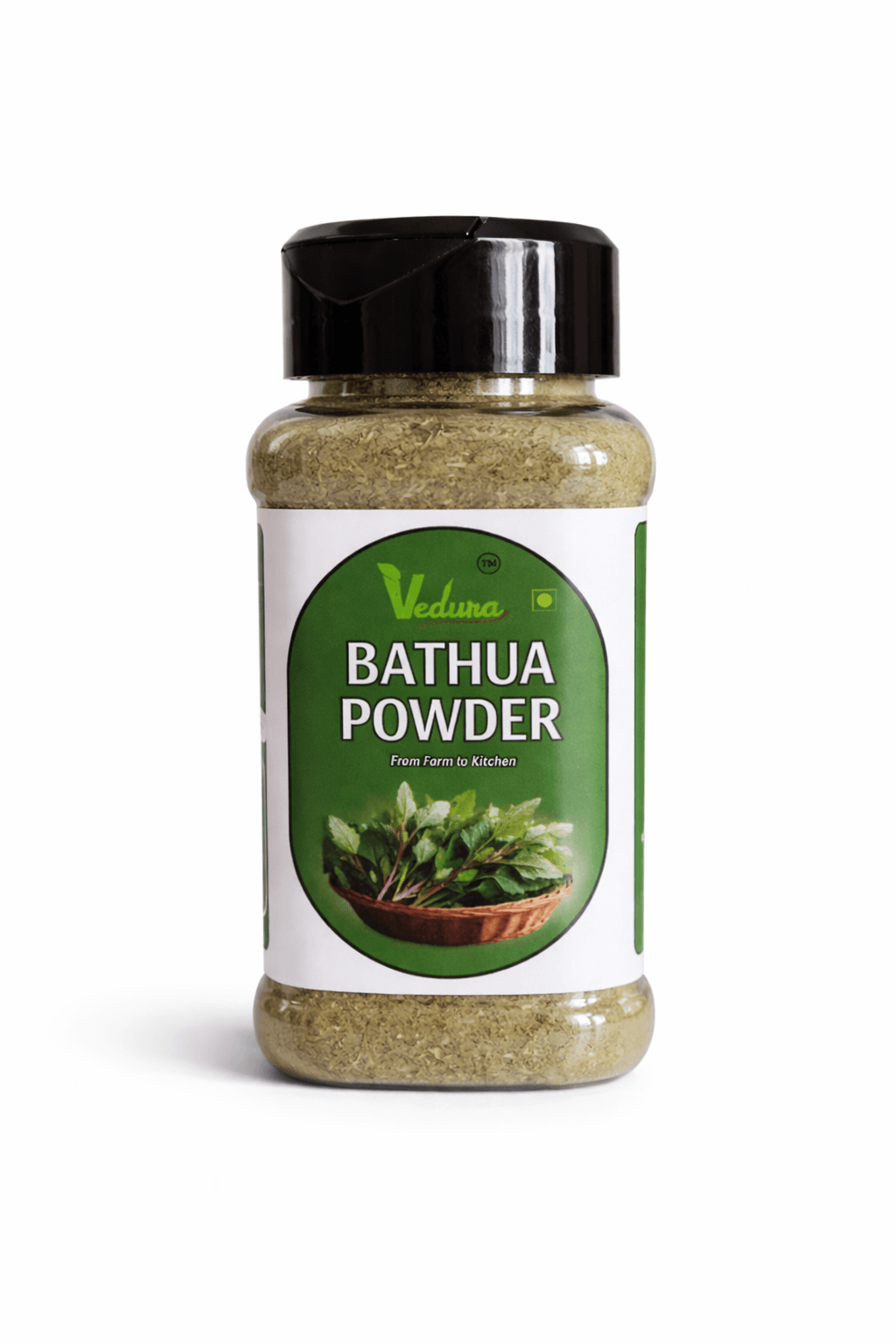
Often considered a humble weed, bathua is a nutritional champion, especially when it comes to iron. This seasonal green, prevalent in winter, is packed with iron, Vitamin A, Vitamin C, and folic acid. It's traditionally used in saags, parathas, and raita. Its high fibre content also aids digestion. For year-round convenience, products like Vedura Foods' dehydrated bathua powder (available at https://www.vedurafoods.com/product/dehydrated-bathua-powder) offer an excellent way to incorporate this nutrient-dense green into your diet, ensuring you don't miss out on its benefits when fresh produce is unavailable.
Methi (Fenugreek Leaves)
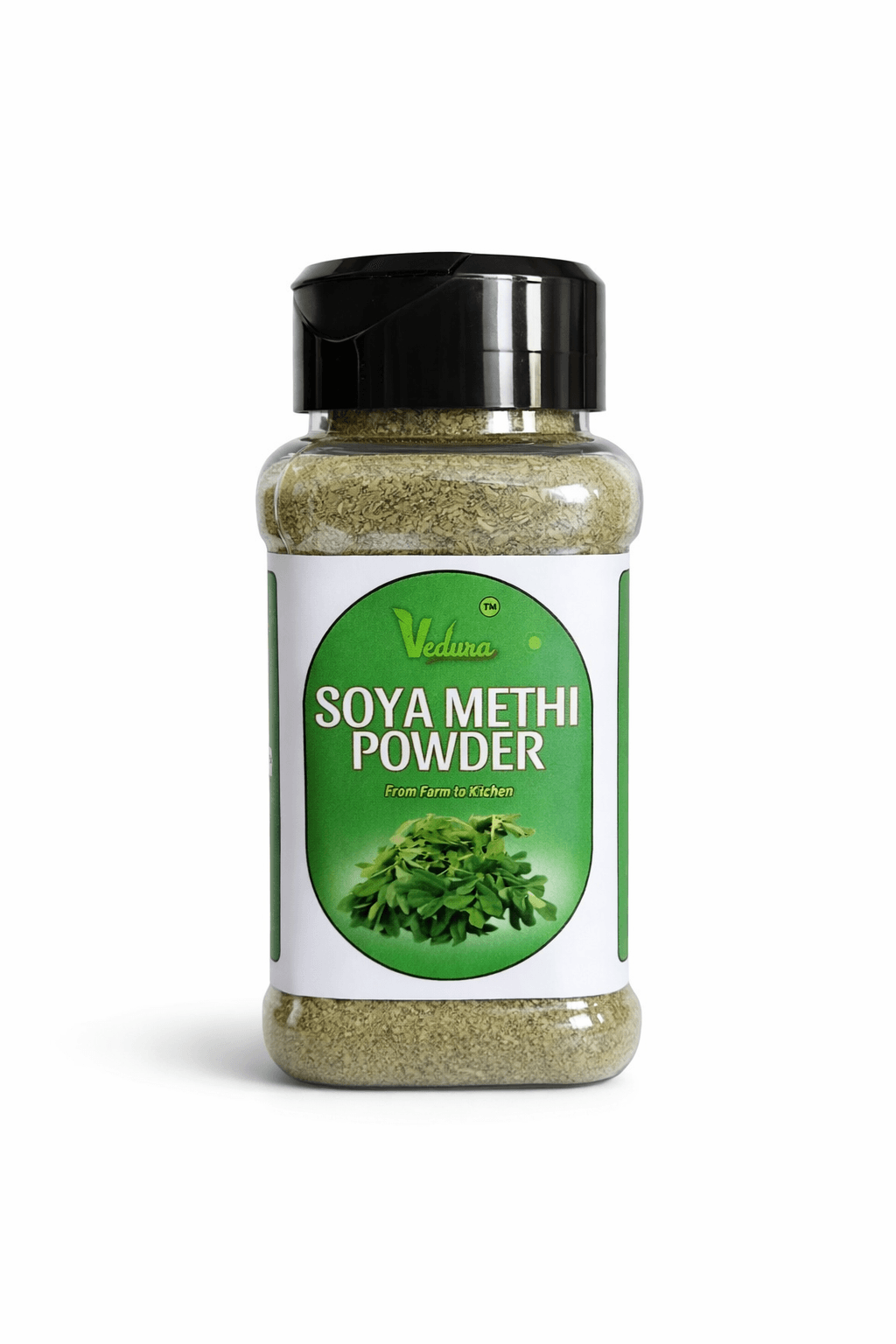
Both fresh and dried (kasuri methi) fenugreek leaves are excellent sources of iron. Methi also boasts impressive amounts of fibre, antioxidants, and compounds that may help regulate blood sugar. Its distinctive bitter flavour adds depth to curries, dals, and flatbreads, making it a delicious way to enhance your iron intake.
Palak (Spinach)
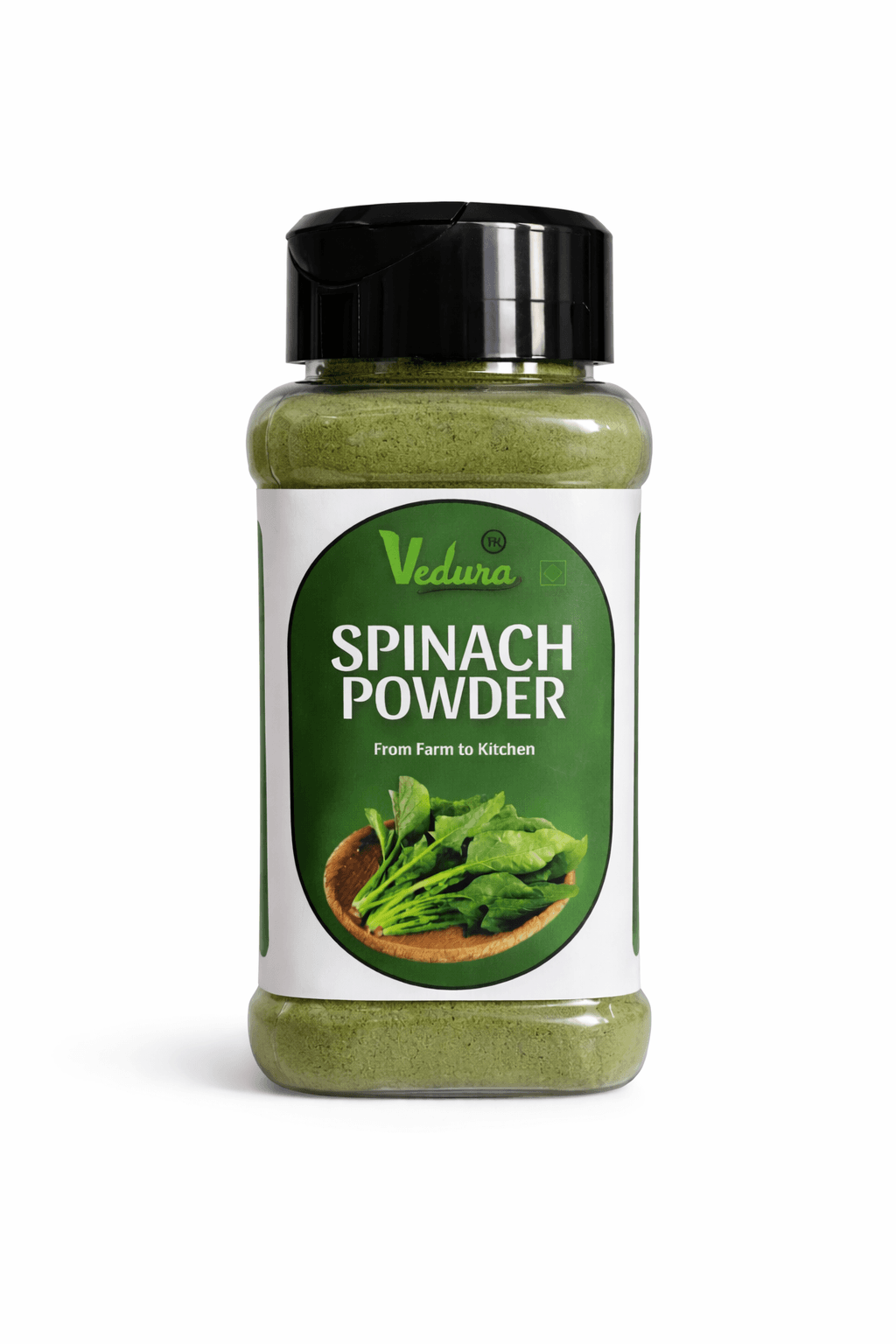
Perhaps the most globally recognised iron-rich green, palak is a staple in Indian kitchens. While it contains significant iron, it also has oxalates, which can inhibit iron absorption. However, cooking spinach can reduce oxalate levels. Pairing it with a Vitamin C source, as discussed below, helps counteract this inhibition, making palak paneer or palak dal a good choice for iron.
Beyond Greens: Other Potent Plant-Based Sources
While leafy greens are stars, several other categories of Indian vegetarian foods contribute significantly to iron intake.
Legumes and Pulses
Dals (lentils), chana (chickpeas), rajma (kidney beans), and lobia (black-eyed peas) are foundational to Indian diets and fantastic sources of iron. According to the Indian Council of Medical Research – National Institute of Nutrition (ICMR-NIN) guidelines, pulses are a cornerstone of a balanced diet, providing not just iron but also protein and fibre. Soaking and sprouting pulses can further enhance their nutrient availability and reduce anti-nutrients.
Seeds and Nuts
Tiny but mighty, various seeds and nuts offer concentrated doses of iron.
* Sesame Seeds (Til): A rich source of iron, calcium, and healthy fats. Incorporate them into ladoos, chikkis, or sprinkle on salads.
* Garden Cress Seeds (Halim): These tiny red seeds are particularly notable for their high iron content. They are often consumed soaked or in traditional laddoos, especially for new mothers.
* Pumpkin Seeds: While not traditionally Indian, pumpkin seeds are gaining popularity and provide a good amount of iron, along with zinc and magnesium.
Whole Grains and Millets
Millets, once a staple and now seeing a resurgence, are excellent iron sources.
* Ragi (Finger Millet): This gluten-free grain is particularly rich in iron and calcium. Ragi rotis, dosas, and porridges are nutritious ways to consume it.
* Bajra (Pearl Millet): Another iron-rich millet, bajra is commonly used to make rotis and khichdi, especially in western India.
Maximising Iron Absorption: Smart Food Pairings
Simply eating iron-rich foods isn't always enough; how you combine them matters significantly for absorption. Plant-based iron (non-heme iron) is less readily absorbed than animal-based iron (heme iron). However, this can be largely overcome with smart pairings.
The Vitamin C Connection
The most crucial tip for vegetarian iron absorption is to pair iron-rich foods with Vitamin C-rich foods. Vitamin C (ascorbic acid) converts non-heme iron into a form that is easier for your body to absorb. The Food Safety and Standards Authority of India (FSSAI) consistently highlights the importance of Vitamin C for nutrient bioavailability. Think about adding a squeeze of lemon juice to your dal, eating an orange after a spinach dish, or including bell peppers, tomatoes, or amla in your meals.
Avoiding Absorption Inhibitors
Certain compounds can hinder iron absorption. Phytates, found in whole grains and legumes, and oxalates in some greens, are common inhibitors. Soaking, sprouting, and fermentation can reduce phytate levels. Tannins, found in tea and coffee, can also inhibit iron absorption, so it's advisable to consume these beverages between meals rather than with them. Similarly, calcium can interfere with iron absorption, so avoid consuming very high calcium foods (like milk or cheese) simultaneously with your main iron-rich meal.
Realistic Expectations and Balanced Approach
Building your iron stores through diet is a gradual process. It requires consistency and a variety of nutrient-dense foods. While vegetarian diets can absolutely provide sufficient iron, it's essential to be mindful of your choices. For instance, relying solely on one iron source, even a good one, might not be enough. A diverse diet incorporating different greens, dals, millets, and seeds, consistently paired with Vitamin C, offers the best approach. Remember that individual iron needs vary based on age, gender, and life stage, so consulting a healthcare professional or nutritionist for personalised advice is always recommended.
FAQs
Q: Can vegetarians get enough iron from their diet?
A: Absolutely. While non-heme iron from plant sources is less bioavailable than heme iron from animal sources, a well-planned vegetarian diet rich in diverse iron-rich foods, coupled with smart absorption strategies like Vitamin C pairing, can easily provide sufficient iron.
Q: What is non-heme iron?
A: Non-heme iron is the type of iron found in plant-based foods such as leafy greens, legumes, nuts, and seeds. Unlike heme iron, found in animal products, non-heme iron's absorption can be influenced by other dietary components.
Q: How does Vitamin C help with iron absorption?
A: Vitamin C plays a crucial role by converting non-heme iron into a more soluble and absorbable form in the digestive tract. This significantly enhances the body's ability to take up iron from plant-based sources, making it an essential companion to iron-rich vegetarian meals.
Q: Should I avoid tea and coffee if I'm trying to increase iron?
A: Tea and coffee contain tannins, which can inhibit non-heme iron absorption. It's generally advisable to consume these beverages between meals, rather than with your main iron-rich meals, to maximise iron uptake.
Q: Are iron supplements necessary for vegetarians?
A: Not necessarily for everyone. Many vegetarians can meet their iron needs through diet alone. However, individuals with higher iron requirements (like pregnant women or those with diagnosed deficiency) might need supplements, but this should always be under medical supervision.
Q: Do specific cooking methods impact iron content?
A: Cooking methods can sometimes affect nutrient content. For iron, while some losses can occur with prolonged boiling, methods like stir-frying or light steaming often retain more nutrients. Soaking and sprouting legumes can also improve iron bioavailability by reducing anti-nutrients.
Explore topics
Continue your Vedura journey
Explore product pages, practical recipes, and research-led explainers connected to this topic.
Comments
Be the first to comment.