Vedura Foods, for instance, focuses on farm-gate dehydration. This means the mustard greens are processed very soon after harvest, often within hours, at facilities close to the farms. This rapid processing minimises nutrient loss that can occur during transportation and storage of fresh produce, ensuring that the dehydrated powder captures the peak nutritional value of the sarso plant.
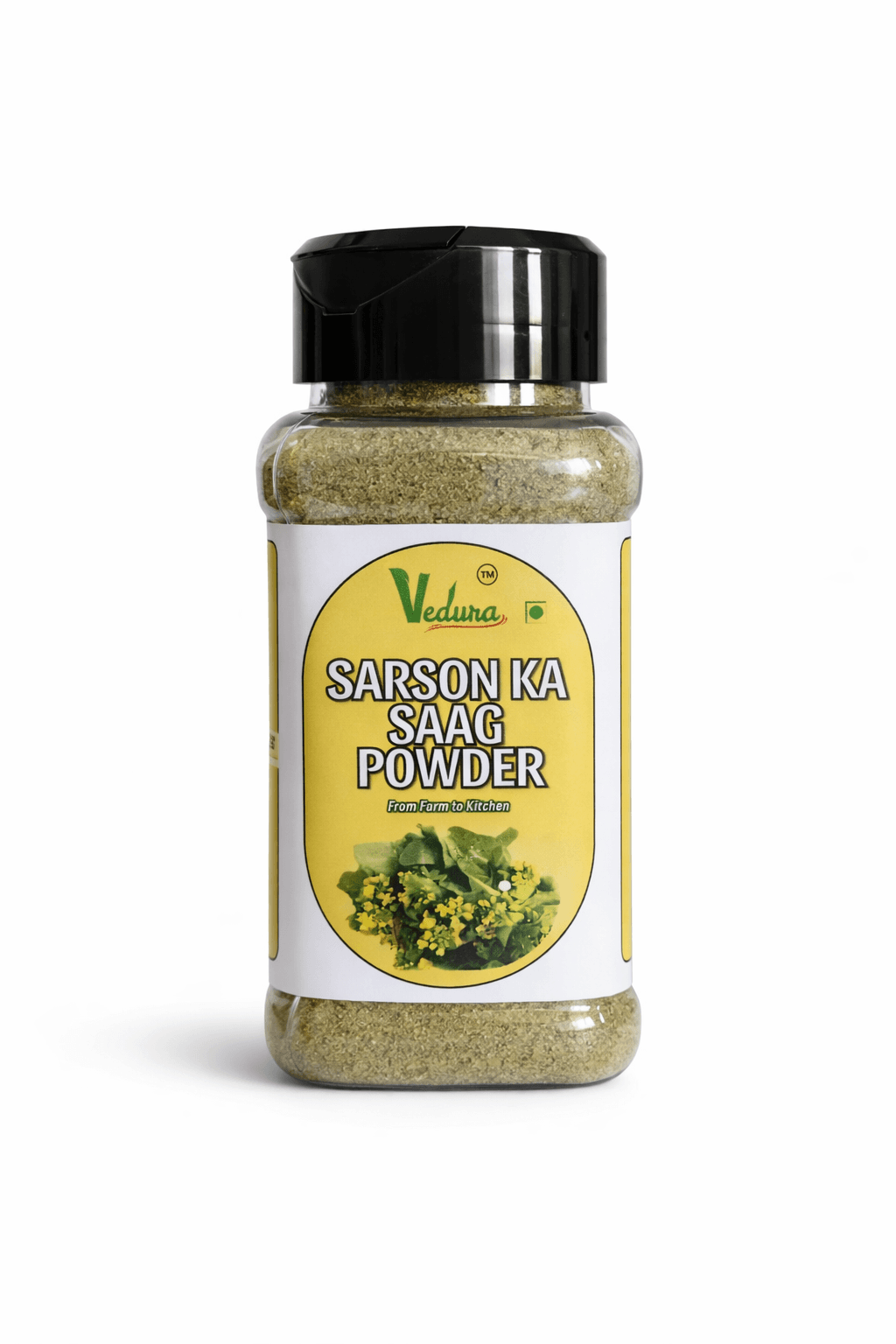
Vedura's `dehydrated-sarso-ka-saag-powder` (available at https://www.vedurafoods.com/product/dehydrated-sarso-ka-saag-powder) is a testament to our commitment to preserving the nutritional integrity of fresh produce. Mustard greens are a nutritional powerhouse, rich in Vitamin K, Vitamin A (beta-carotene), Vitamin C, and folate. They are also a good source of dietary fiber and various antioxidants. According to the Indian Council of Medical Research - National Institute of Nutrition (ICMR-NIN) Hyderabad, green leafy vegetables like mustard greens are crucial for preventing micronutrient deficiencies and promoting overall health. Our dehydration process aims to lock in these vital nutrients, offering a concentrated form that is easy to store and use.
Quick Summary
Preparing restaurant-style Sarso Ka Saag from dehydrated powder is surprisingly simple and quick, offering the rich, authentic flavour of fresh greens in a fraction of the time. This guide will walk you through the essential ratios and traditional tempering techniques to transform Vedura's dehydrated sarso powder into a nutritious, hearty meal, retaining the valuable nutrients through efficient farm-gate dehydration.
The Magic of Dehydrated Sarso Powder
The allure of Sarso Ka Saag is undeniable, especially during colder months. However, the traditional process of washing, chopping, and slow-cooking fresh mustard greens can be time-consuming. This is where dehydrated sarso powder becomes a game-changer for the modern Indian kitchen. It offers the authentic taste and nutritional punch without the extensive prep.
Why Dehydration is a Nutritional Powerhouse
Dehydration, when done correctly, is one of the oldest and most effective methods of food preservation. For greens like sarso, it involves removing moisture content, which inhibits microbial growth and enzymatic reactions that lead to spoilage. Crucially, this process helps to retain a significant portion of the vitamins, minerals, and phytonutrients present in the fresh produce. Unlike high-heat cooking methods that can degrade heat-sensitive vitamins, controlled dehydration aims to preserve these compounds, making dehydrated greens a concentrated source of nutrition.
Vedura Foods, for instance, focuses on farm-gate dehydration. This means the mustard greens are processed very soon after harvest, often within hours, at facilities close to the farms. This rapid processing minimises nutrient loss that can occur during transportation and storage of fresh produce, ensuring that the dehydrated powder captures the peak nutritional value of the sarso plant.
Reconstituting Your Sarso Powder: The Core Method
Turning dehydrated sarso powder into a luscious saag is straightforward. The key lies in proper rehydration and simmering to develop the flavour and texture.
Ideal Ratios for Perfect Saag
A good starting point for converting dehydrated sarso powder to saag is a 1:4 ratio of powder to water. This means for every cup of Vedura's dehydrated-sarso-ka-saag-powder, you'll need approximately four cups of water. You can adjust this slightly based on your desired consistency – less water for a thicker saag, more for a smoother, soupier texture.
Step-by-Step Rehydration
1. Combine Powder and Water: In a heavy-bottomed pan, combine the dehydrated sarso powder with the recommended amount of water. Stir well to ensure there are no lumps.
2. Soak (Optional but Recommended): For best results, allow the powder to soak in the water for 15-20 minutes before cooking. This helps the greens to rehydrate fully and soften, contributing to a creamier final texture.
3. Simmer Gently: Place the pan over medium heat and bring the mixture to a gentle boil. Reduce the heat to low, cover, and let it simmer for at least 20-30 minutes. Stir occasionally to prevent sticking. The longer it simmers, the more the flavours will meld, and the texture will become silken.
4. Achieve Desired Consistency: After simmering, the greens should be fully rehydrated and tender. You can use an immersion blender or a hand masher to lightly blend the saag to your preferred consistency. Some prefer it chunky, while others like it very smooth.
Elevating Your Saag: Traditional Tadka and Flavour Boosters
The true soul of Sarso Ka Saag often lies in its tempering, or *tadka*. This infusion of aromatic spices and fats transforms the rehydrated greens into a dish that rivals any dhaba or restaurant preparation.
The Essential Tadka
For a truly authentic taste, a classic Punjabi tadka is non-negotiable.
1. Heat Ghee/Oil: In a separate small pan, heat 2-3 tablespoons of ghee or cooking oil. Ghee adds an unparalleled richness.
2. Aromatics: Add 1 teaspoon of cumin seeds (jeera). Once they splutter, add 1 tablespoon of finely chopped ginger, 1 tablespoon of finely chopped garlic, and 1-2 finely chopped green chillies (adjust to your spice preference). Sauté until the ginger and garlic turn golden brown and fragrant.
3. Onions and Tomatoes (Optional): For a richer base, you can add 1/2 cup of finely chopped onions and sauté until translucent, followed by 1/2 cup of finely chopped tomatoes, cooking until they break down and the oil separates.
4. Spice Powders: A pinch of turmeric powder, a dash of red chilli powder, and a teaspoon of coriander powder can be added to the tadka for extra depth. Cook for a minute until fragrant.
5. Combine: Pour the sizzling tadka into the simmering saag. Stir well to incorporate.
The Secret to Creamy Texture: Makki ka Atta
To give your saag its characteristic creamy texture and prevent separation, a small amount of *makki ka atta* (cornmeal) is traditionally used.
* Method: In a small bowl, mix 1-2 tablespoons of makki ka atta with a little water to form a smooth slurry. Add this slurry to the simmering saag, stirring continuously to avoid lumps. Continue to simmer for another 5-10 minutes. The cornmeal not only thickens the saag but also helps to balance the slight bitterness of the mustard greens.
Beyond the Basics: Serving Suggestions and Variations
Sarso Ka Saag is versatile, though it shines brightest with its traditional accompaniments.
The Classic Pairing: Makki di Roti
No discussion of Sarso Ka Saag is complete without mentioning *Makki di Roti* (flatbread made from cornmeal). The rustic, slightly coarse texture of the roti perfectly complements the smooth, flavourful saag. A dollop of white butter (safed makkhan) on top of both the saag and roti elevates the experience to culinary heaven.
Other Serving Ideas
* With Rice: Serve alongside steamed basmati rice for a comforting meal.
* With Parathas: Pair with flaky laccha parathas or simple whole wheat rotis.
* As a Side: A small bowl of saag makes an excellent, nutritious side dish with any Indian main course.
Adding More Greens
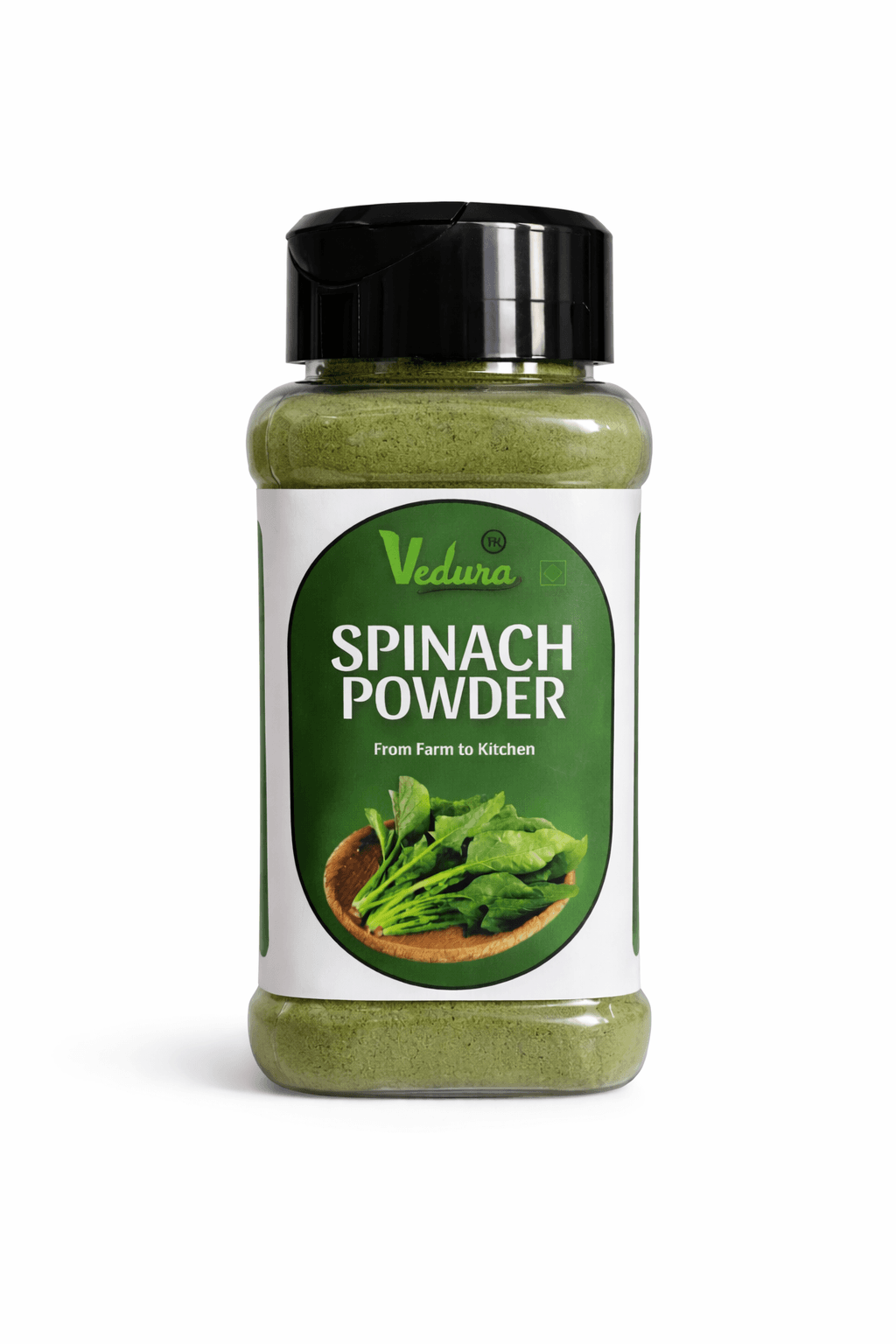
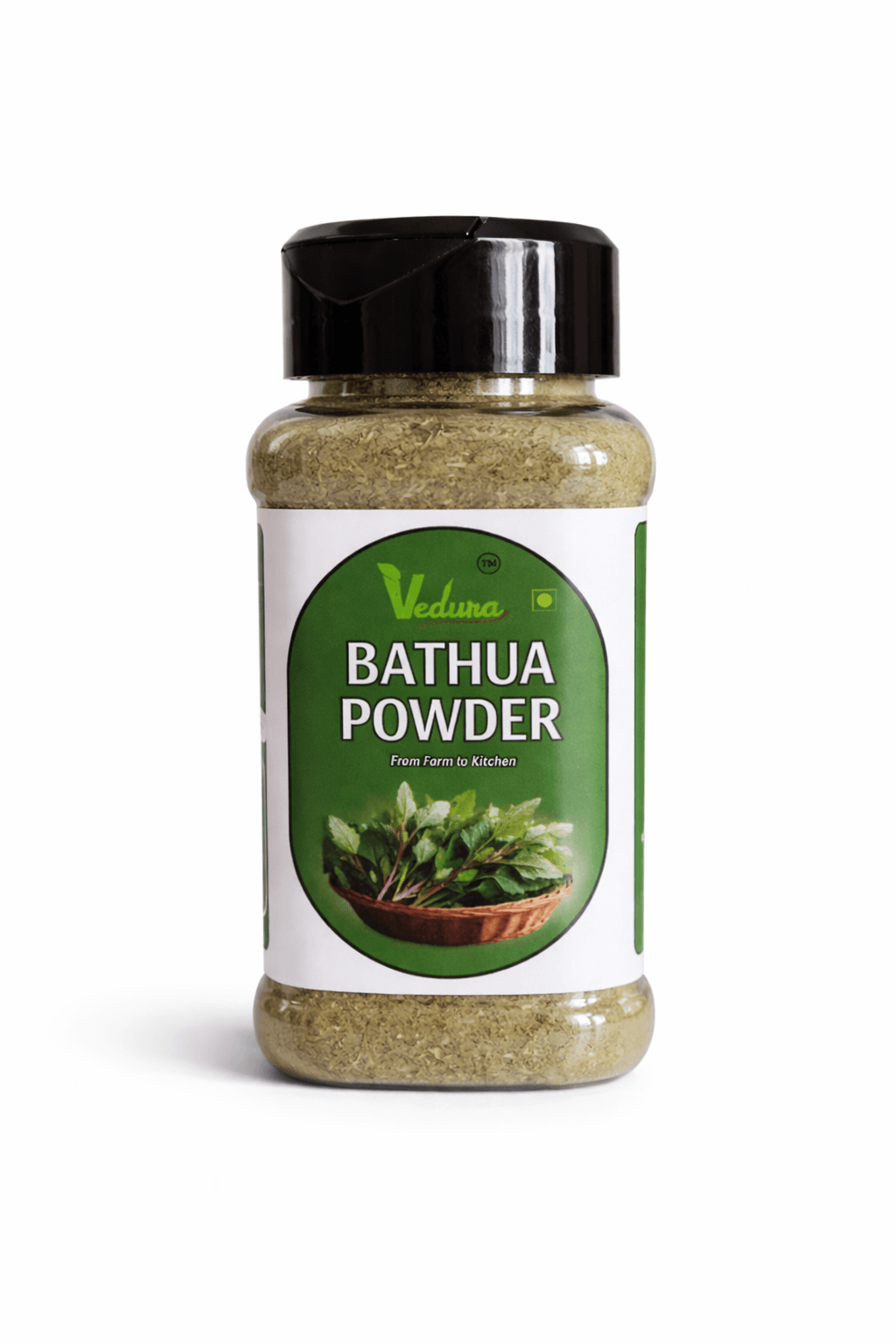
While Vedura's dehydrated sarso powder provides a robust base, you can experiment by adding other rehydrated greens like spinach (palak) or bathua (chenopodium) if you wish, to create a mixed greens saag. Just ensure they are rehydrated and cooked to a similar tenderness.
The Vedura Difference: Nutrition and Convenience in Every Pack
In an age where health and convenience often seem at odds, Vedura Foods bridges the gap with products like our dehydrated sarso powder. By focusing on natural processes and quality sourcing, we ensure that the traditional goodness of Indian cuisine is accessible to everyone, effortlessly.
Vedura's `dehydrated-sarso-ka-saag-powder` (available at https://www.vedurafoods.com/product/dehydrated-sarso-ka-saag-powder) is a testament to our commitment to preserving the nutritional integrity of fresh produce. Mustard greens are a nutritional powerhouse, rich in Vitamin K, Vitamin A (beta-carotene), Vitamin C, and folate. They are also a good source of dietary fiber and various antioxidants. According to the Indian Council of Medical Research - National Institute of Nutrition (ICMR-NIN) Hyderabad, green leafy vegetables like mustard greens are crucial for preventing micronutrient deficiencies and promoting overall health. Our dehydration process aims to lock in these vital nutrients, offering a concentrated form that is easy to store and use.
This product isn't just about saving time; it's about reducing food waste, supporting sustainable agricultural practices, and making healthy, traditional Indian food a regular part of busy households. It's the taste of tradition, perfected for modern living.
FAQs
Q: How much water do I need for one cup of dehydrated sarso powder?
A: Generally, a 1:4 ratio of powder to water is a good starting point. So, for one cup of dehydrated sarso powder, you would need approximately four cups of water. Adjust slightly based on your desired saag consistency.
Q: Can I make sarso ka saag without makki ka atta?
A: While makki ka atta (cornmeal) is traditionally used to thicken sarso ka saag and balance its flavour, you can omit it. The saag might be slightly thinner and have a different mouthfeel, but it will still be delicious. Some people use a small amount of wheat flour or gram flour (besan) as an alternative thickener.
Q: How long does dehydrated sarso powder last?
A: When stored in an airtight container in a cool, dry place away from direct sunlight and moisture, dehydrated sarso powder can last for 6-12 months, or even longer. Always check the packaging for the specific best-before date.
Q: What are the nutritional benefits of sarso ka saag?
A: Sarso ka saag is highly nutritious. It's an excellent source of Vitamin K, Vitamin A (beneficial for vision and immunity), and Vitamin C (an antioxidant). It also provides dietary fiber, folate, and various minerals. These greens are known for their anti-inflammatory and detoxifying properties.
Q: Can I add other vegetables to this saag recipe?
A: Absolutely! While the dehydrated sarso powder forms a strong base, you can enhance your saag by adding other vegetables. Common additions include fresh or rehydrated spinach (palak) or bathua (chenopodium). Ensure any additional greens are cooked until tender.
Q: Is it really restaurant-style with dehydrated powder?
A: Yes, with the right rehydration technique and a proper traditional tadka, saag made from dehydrated powder can genuinely achieve a restaurant-style flavour and texture. The key is to simmer it sufficiently and not skimp on the tempering ingredients like ginger, garlic, green chillies, and ghee.
Explore topics
Continue your Vedura journey
Explore product pages, practical recipes, and research-led explainers connected to this topic.
Comments
Be the first to comment.