Quick Summary
To make restaurant-style sarso ka saag from dehydrated powder, rehydrate the powder by soaking it in hot water for 15-20 minutes, then temper it with a traditional tadka of ghee, onion, garlic, ginger, green chilies, and spices. A crucial step is adding a small amount of makki atta (cornmeal) slurry to thicken and emulsify, creating the authentic creamy texture and rich flavor of this Punjabi winter classic.
The Magic of Dehydrated Sarso Ka Saag Powder
Sarso ka saag, a beloved winter delicacy from Punjab, traditionally demands hours of washing, chopping, and slow-cooking fresh mustard greens. While the labor is a labor of love, modern kitchens often seek convenience without compromise on flavor or nutrition. This is where dehydrated sarso ka saag powder shines, offering the essence of fresh greens in a fraction of the time.
Retaining Nutrients Through Dehydration
Dehydration, when done correctly, is an excellent method for preserving the nutritional integrity of vegetables. Farm-gate dehydration, in particular, minimizes the time between harvest and processing, locking in vital nutrients. According to the Indian Council of Medical Research - National Institute of Nutrition (ICMR-NIN), drying is a traditional and effective preservation technique that retains a significant portion of vitamins and minerals, especially when low-temperature drying methods are employed. This means that a well-processed dehydrated sarso powder isn't just convenient; it's a nutrient-dense ingredient available year-round, packed with vitamins A, C, K, and essential minerals found in fresh mustard greens.
Your Guide to Restaurant-Style Sarso Ka Saag
Transforming dehydrated sarso ka saag powder into a creamy, flavorful dish is simpler than you might imagine. The key lies in proper rehydration and building layers of flavor with traditional tempering.
Ingredients
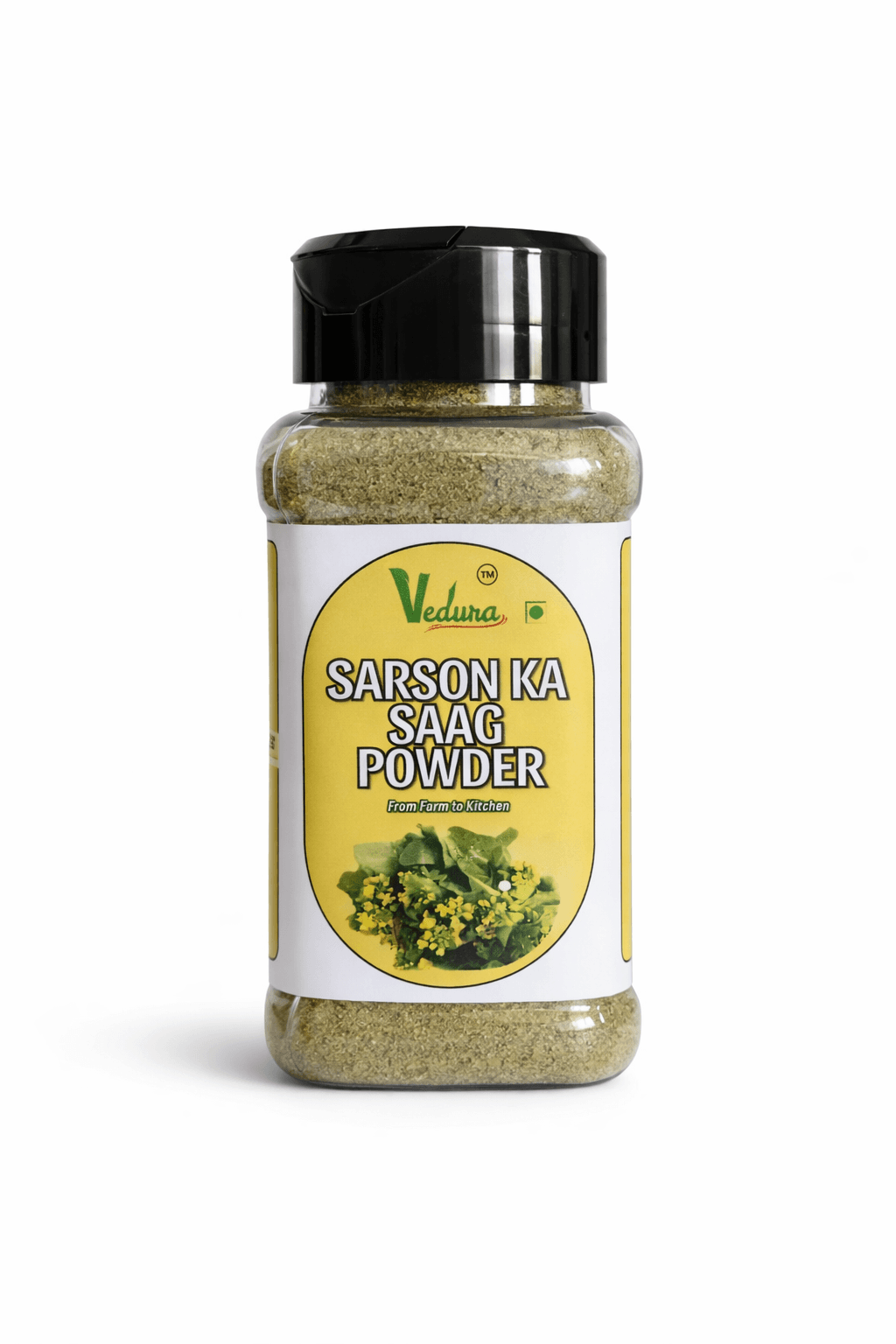
* 1 cup Vedura Dehydrated Sarso Ka Saag Powder
* 3-4 cups hot water (for rehydration, adjust as needed)
* 2-3 tbsp ghee (clarified butter)
* 1 large onion, finely chopped
* 1 tbsp ginger-garlic paste
* 2-3 green chilies, slit or chopped (adjust to taste)
* 1/2 tsp turmeric powder
* 1 tsp red chili powder (Kashmiri for color, or regular for heat)
* 1 tsp coriander powder
* 1/2 tsp garam masala
* Salt to taste
* 2 tbsp makki atta (cornmeal), mixed with 1/2 cup water to form a slurry
* Optional: A pinch of asafoetida (hing), fresh cream for garnish
Step-by-Step Method
1. Rehydrate the Powder: Place the Vedura Dehydrated Sarso Ka Saag Powder in a bowl. Pour hot water over it, ensuring the powder is fully submerged. Let it soak for 15-20 minutes, or until fully rehydrated and softened. Drain any excess water if necessary, but typically the greens will absorb most of it. You'll notice the powder expanding and returning to a texture similar to cooked greens.
2. Prepare the Tempering: In a heavy-bottomed pan or kadhai, heat ghee over medium heat. Add asafoetida (if using) and then the finely chopped onions. Sauté until golden brown.
3. Add Aromatics and Spices: Stir in the ginger-garlic paste and green chilies. Sauté for another minute until fragrant. Add turmeric powder, red chili powder, and coriander powder. Cook for 30 seconds, ensuring the spices don't burn.
4. Combine with Greens: Add the rehydrated sarso saag to the pan. Mix well with the tempering. Add salt to taste. Cook on medium-low heat for 5-7 minutes, allowing the flavors to meld.
5. Thicken with Makki Atta: Gradually stir in the makki atta slurry. Keep stirring to prevent lumps. The makki atta is essential for both thickening the saag and giving it its characteristic earthy flavor and smooth, creamy texture. Continue to simmer for 10-15 minutes, stirring occasionally, until the saag thickens and the raw taste of the flour disappears.
6. Finish: Stir in garam masala. Check for seasoning and adjust if needed. For extra richness, you can swirl in a tablespoon of fresh cream or a dollop of butter before serving.
Perfecting the Texture and Flavor
Achieving the perfect sarso ka saag isn't just about following steps; it's about understanding the nuances of texture and flavor. The goal is a velvety smooth consistency with a robust, earthy taste.
The Makki Atta Secret
Makki atta, or cornmeal, isn't just a thickener; it's a fundamental ingredient that lends a unique depth and binding quality to sarso ka saag. It helps to emulsify the greens and the tempering, preventing separation and creating that desirable creamy mouthfeel. Ensure you mix it into a smooth slurry with water before adding to avoid lumps. Slow cooking after adding the makki atta is crucial to cook out any raw flour taste.
Aromatic Tadka
The final tadka, or tempering, is what truly elevates the saag. While the initial tempering sets the base, a fresh tadka of garlic (fried until golden) or even a pinch of dried red chilies in ghee, poured over the finished saag just before serving, adds an incomparable aroma and sizzle. This step is a signature of Punjabi cuisine and should not be skipped for an authentic experience. The Food Safety and Standards Authority of India (FSSAI) emphasizes the importance of proper cooking temperatures and ingredient handling to ensure food safety, even with traditional preparations like a tadka.
Beyond the Basics: Serving Suggestions and Pairings
Sarso ka saag is traditionally served piping hot with makki di roti (corn flatbread), often slathered with homemade white butter (safed makkhan) or ghee. The combination is iconic. However, it pairs beautifully with plain basmati rice, jowar roti, or even as a side dish with grilled meats or paneer. A side of jaggery (gur) and pickled onions (sirke wale pyaaz) completes the authentic Punjabi dining experience.
Why Choose Dehydrated Greens?
Beyond the sheer convenience, choosing dehydrated greens like Vedura's Dehydrated Sarso Ka Saag Powder offers several advantages. It significantly reduces food waste, as you only use what you need, and eliminates spoilage concerns common with fresh produce. It also ensures year-round availability of seasonal vegetables, allowing you to enjoy your favorite dishes regardless of the harvest cycle. For consumers, this means less time spent on preparation and more time savoring wholesome, traditional meals, while also supporting sustainable practices that extend the shelf-life of farm produce.
FAQs
Q: How much dehydrated sarso ka saag powder should I use for one serving?
A: Generally, about 1/4 to 1/3 cup of dehydrated sarso ka saag powder, once rehydrated, will yield a good single serving. However, this can vary based on desired consistency and appetite. For a family of four, approximately 1 cup of powder is usually sufficient.
Q: Can I use other flours instead of makki atta for thickening?
A: While makki atta is traditional and recommended for its unique flavor and texture, you can use a small amount of whole wheat flour (atta) or even gram flour (besan) as a thickener if makki atta is unavailable. However, these alternatives will slightly alter the authentic taste and texture of the sarso ka saag.
Q: What's the best way to store dehydrated sarso ka saag powder?
A: Dehydrated sarso ka saag powder should be stored in an airtight container in a cool, dry, and dark place. Away from direct sunlight and moisture, it can retain its freshness and potency for several months, typically up to a year, without refrigeration.
Q: Is dehydrated sarso ka saag as nutritious as fresh saag?
A: High-quality dehydrated sarso ka saag powder retains a significant portion of the nutrients found in fresh greens, especially when processed quickly after harvest and using appropriate drying methods. While some very sensitive vitamins might see a minor reduction, the bulk of vitamins, minerals, and fiber remain intact, making it a highly nutritious option.
Q: Can I make sarso ka saag from powder vegan?
A: Yes, absolutely. To make it vegan, simply substitute ghee with a plant-based oil like mustard oil or any neutral cooking oil. Ensure no dairy-based cream or butter is added at the end, or use a vegan cream alternative for richness.
Q: What spices are essential for authentic sarso ka saag?
A: The core spices for sarso ka saag are relatively simple: turmeric powder, red chili powder, and coriander powder form the base. Garam masala is often added towards the end for an aromatic finish. The real flavor comes from the fresh aromatics like ginger, garlic, and green chilies, combined with the earthy taste of the mustard greens themselves.
Explore topics
Continue your Vedura journey
Explore product pages, practical recipes, and research-led explainers connected to this topic.
Comments
Be the first to comment.