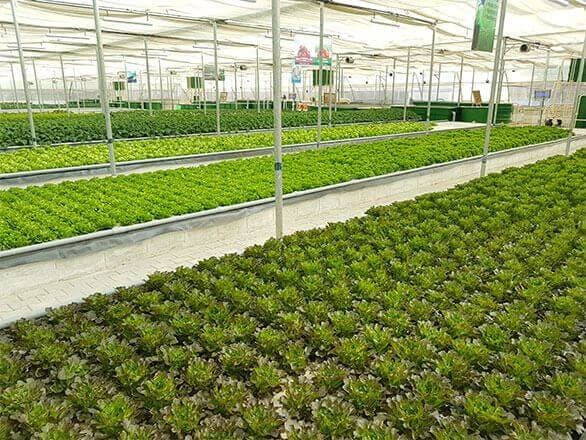

The drive for agritech adoption is fueled by several factors: increasing internet penetration in rural areas, rising farmer awareness about technology benefits, government initiatives promoting digital agriculture, and the pressing need for sustainable farming practices. As per reports from the Ministry of Agriculture & Farmers Welfare, there's a clear policy push for integrating technology to address issues like fragmented landholdings, climate variability, and market access. Founders who can navigate these complex dynamics and offer scalable, impactful solutions are set to redefine Indian agriculture.
| Opportunity Area | Key Challenge | Agritech Solution Focus | | :--------------- | :------------ | :---------------------- | | Supply Chain | Post-harvest losses, market access | Cold chain logistics, digital marketplaces, demand forecasting | | Farm Inputs | Inefficient resource use, soil health | Precision agriculture (sensors, drones), customized nutrient plans | | Fintech | Limited credit access, insurance penetration | Digital lending platforms, parametric insurance, payment wallets | | Post-Harvest | Value erosion, lack of processing | Decentralized processing units, quality grading, branding support | | Traceability | Food safety concerns, lack of transparency | Blockchain for supply chain, IoT sensors, QR code systems |
Quick Summary Indian agritech is poised for significant growth by 2026, driven by technology adoption and supportive policy frameworks. This post outlines key opportunity areas for new founders across supply chain efficiency, advanced farm inputs, farmer-centric fintech, robust post-harvest management, and transparent traceability solutions, highlighting where innovation can bridge critical agricultural gaps.
India's Agritech Ascent: A Foundation for Growth
India's agricultural sector, a cornerstone of its economy, is undergoing a profound transformation. While traditional farming methods have sustained millions, the imperative to enhance productivity, reduce waste, and improve farmer livelihoods has never been stronger. This is where agritech – the application of technology to agriculture – steps in, offering innovative solutions across the entire value chain. The Indian agritech sector, though relatively nascent, has seen impressive growth, attracting significant investment and fostering a vibrant startup ecosystem. This momentum is expected to accelerate towards 2026, presenting unprecedented opportunities for new founders.
The drive for agritech adoption is fueled by several factors: increasing internet penetration in rural areas, rising farmer awareness about technology benefits, government initiatives promoting digital agriculture, and the pressing need for sustainable farming practices. As per reports from the Ministry of Agriculture & Farmers Welfare, there's a clear policy push for integrating technology to address issues like fragmented landholdings, climate variability, and market access. Founders who can navigate these complex dynamics and offer scalable, impactful solutions are set to redefine Indian agriculture.
Bridging Gaps in the Agricultural Supply Chain
One of the most critical areas for innovation remains the agricultural supply chain. India grapples with substantial post-harvest losses, inefficient logistics, and often opaque market linkages that disadvantage farmers. These challenges present fertile ground for agritech founders.
Digital Marketplaces and Aggregation
Founders can develop platforms that directly connect farmers to buyers, bypassing multiple intermediaries and ensuring better price realization. These could range from hyperlocal B2B platforms for village-level produce to large-scale digital mandis leveraging AI for demand forecasting and price discovery. Models focused on aggregating produce from small and marginal farmers, ensuring quality, and then efficiently moving it to processing units or urban markets, hold immense potential.
Cold Chain and Logistics Optimization
Another significant gap lies in cold chain infrastructure. Innovations in small-scale, decentralized cold storage units powered by renewable energy, or 'cold chain-as-a-service' models, are crucial. Additionally, logistics platforms utilizing GPS, IoT sensors, and predictive analytics can optimize transportation routes, reduce transit times, and minimize spoilage. Founders focusing on last-mile connectivity and efficient reverse logistics for agricultural inputs will find a receptive market.
Innovating Farm Inputs and Advisory Services
Improving farm-level productivity starts with better inputs and informed decision-making. Agritech can revolutionize how farmers access and utilize everything from seeds to soil health advice.
Precision Agriculture and Smart Farming
This category encompasses solutions that optimize resource use, such as water, fertilizers, and pesticides. Founders can explore developing low-cost sensors for soil health monitoring, drone-based imaging for crop health assessment, and variable rate application technologies. The challenge is to make these technologies affordable and user-friendly for smallholder farmers. Predictive analytics for weather patterns and pest outbreaks can also provide critical, timely advice.
Quality Inputs and Agronomic Advisory
Ensuring access to high-quality seeds, fertilizers, and crop protection products is vital. Founders can establish verified digital marketplaces for these inputs, integrating traceability to guarantee authenticity. Furthermore, AI-powered advisory services that offer customized agronomic advice based on local soil conditions, crop type, and weather forecasts, delivered through vernacular languages via mobile apps, can significantly empower farmers. Such services, as highlighted by NABARD's focus on Farmer Producer Organisations (FPOs), can strengthen collective farming practices and input procurement.
Fintech Solutions for Rural Agricultural Finance
Access to timely and affordable credit, insurance, and efficient payment mechanisms remains a significant hurdle for Indian farmers. Agritech-led financial inclusion is a vast opportunity.
Digital Lending and Credit Scoring
Traditional financial institutions often struggle to assess the creditworthiness of farmers due to a lack of formal records and collateral. Founders can leverage alternative data points – such as land ownership records, crop health data from satellite imagery, market prices, and payment histories – to develop innovative credit scoring models. Digital lending platforms offering short-term, crop-specific loans with flexible repayment options are in high demand.
Parametric Crop Insurance and Digital Payments
Parametric insurance, which pays out based on predefined weather triggers (e.g., rainfall deviation) rather than actual loss assessment, can offer quicker and more transparent settlements. Founders can develop platforms that facilitate such insurance products, making them accessible and understandable for farmers. Additionally, digital payment solutions tailored for rural contexts, enabling seamless transactions for inputs, produce sales, and labor payments, can reduce reliance on cash and improve financial transparency.
Enhancing Post-Harvest Management and Value Addition
Reducing post-harvest losses and adding value to agricultural produce are critical for increasing farmer income and ensuring food security. This area offers diverse opportunities for innovation.
Decentralized Processing and Storage
Instead of large, centralized facilities, founders can focus on developing village-level or cluster-based micro-processing units. These could include solar-powered dryers for fruits and vegetables, small-scale oil extraction units, or grain cleaners. Such decentralized models reduce transportation costs and allow farmers to process their produce closer to the source, capturing more value. Innovations in packaging that extend shelf life are also crucial.
Market Linkages for Value-Added Products
Beyond basic processing, there's a growing market for value-added products like dehydrated greens, spice blends, and ready-to-cook mixes. Founders can build brands and market channels for these products, connecting rural producers with urban consumers. Platforms that facilitate quality assurance, branding, and e-commerce for farmer-led enterprises will be instrumental in unlocking this potential. The Indian Council of Agricultural Research (ICAR) has several institutes dedicated to post-harvest technology, providing a strong knowledge base for such ventures.
The Imperative of Traceability and Food Safety
As consumers become more conscious about what they eat, the demand for transparent and safe food supply chains is rising globally and domestically. Traceability solutions are no longer a luxury but a necessity.
Farm-to-Fork Transparency
Founders can develop blockchain-based solutions or IoT-enabled platforms that track produce from the farm to the consumer's plate. This includes recording data points like seed source, pesticide application, harvest date, and transportation conditions. Such systems build consumer trust, assure product authenticity, and can help meet stringent export standards.
Quality Assurance and Certification Tech
Technology can streamline the process of quality testing and certification. AI-powered visual inspection systems can grade produce automatically, ensuring consistency. Digital platforms can manage certification processes (e.g., organic certification), making them more efficient and accessible for farmers and small processing units. This area is particularly relevant for brands like Vedura Foods, which emphasize natural and quality Indian ingredients.
| Opportunity Area | Key Challenge | Agritech Solution Focus |
| :--------------- | :------------ | :---------------------- |
| Supply Chain | Post-harvest losses, market access | Cold chain logistics, digital marketplaces, demand forecasting |
| Farm Inputs | Inefficient resource use, soil health | Precision agriculture (sensors, drones), customized nutrient plans |
| Fintech | Limited credit access, insurance penetration | Digital lending platforms, parametric insurance, payment wallets |
| Post-Harvest | Value erosion, lack of processing | Decentralized processing units, quality grading, branding support |
| Traceability | Food safety concerns, lack of transparency | Blockchain for supply chain, IoT sensors, QR code systems |
FAQs
Q: What is agritech and why is it important for India?
A: Agritech refers to the use of technology in agriculture to improve efficiency, productivity, and sustainability across the entire value chain. For India, it's crucial for addressing challenges like climate change, food security, farmer distress, and fragmented landholdings, ultimately modernizing the sector and enhancing farmer incomes.
Q: What are the biggest challenges for agritech startups in India?
A: Agritech startups in India often face challenges such as limited digital literacy among farmers, fragmented landholdings making technology adoption difficult, lack of robust rural infrastructure (e.g., internet connectivity, power), and the need for significant capital investment to scale solutions across diverse agro-climatic zones.
Q: How can agritech benefit small and marginal farmers?
A: Agritech can benefit small and marginal farmers by providing access to timely market information, affordable credit and insurance, precision farming tools to optimize input usage, post-harvest processing technologies to reduce waste, and direct market linkages for better price realization, thus improving their overall economic viability.
Q: Are there government schemes supporting agritech innovation in India?
A: Yes, the Indian government actively supports agritech through various schemes and policies. Initiatives like the Agri-Startup Ecosystem by the Ministry of Agriculture & Farmers Welfare, NITI Aayog's Atal Innovation Mission, and NABARD's funding for FPOs and rural innovations provide financial assistance, mentorship, and incubation support to agritech startups and entrepreneurs.
Q: What kind of investment is flowing into Indian agritech?
A: Investment in Indian agritech has been steadily increasing, with both domestic and international venture capitalists showing interest. This funding supports innovations in farm mechanization, precision agriculture, supply chain solutions, and fintech for farmers. Reports by IBEF and other market analysis firms consistently highlight agritech as a high-growth sector for investment.
Q: How can new founders identify specific problems to solve in Indian agritech?
A: New founders can identify specific problems by engaging directly with farmers and FPOs to understand their pain points, studying government reports and policy documents for priority areas, analyzing market gaps in existing solutions, and leveraging data from agricultural research institutions like ICAR to pinpoint areas ripe for technological intervention and scale.
Explore topics
Continue your Vedura journey
Explore product pages, practical recipes, and research-led explainers connected to this topic.
Comments
Be the first to comment.