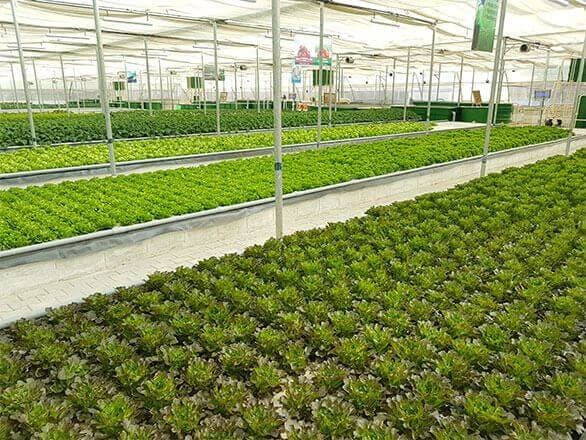

This evolution is supported by initiatives like the Agriculture Infrastructure Fund and various digital agriculture missions, signaling a clear intent to modernize the sector. As NITI Aayog has consistently emphasized, digital technologies are crucial for increasing farmer incomes and ensuring food security. This creates a fertile ground for new founders to address long-standing inefficiencies with innovative, scalable solutions tailored to India's diverse agricultural needs.
| Opportunity Area | Current Challenges | Founder Focus Areas | Potential Impact | | :---------------------------- | :---------------------------------------------------------- | :-------------------------------------------------------------------------------------------------------------- | :------------------------------------------------------- | | **Supply Chain & Market Linkage** | Fragmentation, intermediaries, post-harvest losses | Digital marketplaces, cold chain logistics, last-mile delivery | Reduced waste, higher farmer income, efficient markets | | **Precision Agriculture** | Inefficient input use, lack of data, climate vulnerability | Sensor-based monitoring, drone services, AI-driven advisories, smart irrigation | Increased yield, lower costs, sustainable practices | | **Agri-Fintech** | Limited credit access, inadequate insurance, informal payments | Alternative data lending, parametric insurance, digital payment platforms | Financial inclusion, risk mitigation, improved cash flow | | **Post-Harvest Management** | High losses, limited value addition, poor storage | Decentralized processing units, extended shelf-life tech, storage optimization | Reduced spoilage, value creation, rural employment | | **Traceability & Food Safety**| Lack of transparency, foodborne illnesses, trust deficit | Blockchain-based tracking, QR code systems, certification platforms | Consumer trust, premium markets, export opportunities |
Quick Summary
Indian agritech is poised for significant growth by 2026, driven by digital adoption and a push for efficiency. Founders have substantial opportunities to innovate across critical areas such as optimizing supply chains, enhancing farm input management, bolstering agri-fintech for financial inclusion, improving post-harvest processing, and building robust traceability systems.
The Landscape of Indian Agritech in 2026
The Indian agricultural sector, the backbone of our economy, is undergoing a profound transformation. While traditional practices still hold sway, the rapid penetration of smartphones and digital infrastructure, coupled with government impetus, is paving the way for agritech. By 2026, we anticipate a landscape where technology is not just an add-on but an integral part of farming, from soil preparation to market linkage. The focus is shifting towards sustainable, profitable, and resilient farming systems.
This evolution is supported by initiatives like the Agriculture Infrastructure Fund and various digital agriculture missions, signaling a clear intent to modernize the sector. As NITI Aayog has consistently emphasized, digital technologies are crucial for increasing farmer incomes and ensuring food security. This creates a fertile ground for new founders to address long-standing inefficiencies with innovative, scalable solutions tailored to India's diverse agricultural needs.
Supply Chain Efficiency & Market Linkages
One of the most significant challenges in Indian agriculture remains the fragmented and inefficient supply chain. Farmers often struggle with poor market access, multiple intermediaries, and significant post-harvest losses. This area presents immense opportunities for founders looking to bridge the gap between farm and fork.
Digital Marketplaces and Cold Chain Innovations
Founders can develop platform-based solutions that directly connect farmers with buyers, be it retailers, processing units, or end-consumers. These digital marketplaces can offer transparent pricing, aggregated demand, and streamlined logistics. Furthermore, innovation in cold chain logistics, particularly for perishables, is crucial. This includes developing affordable, decentralized cold storage units at the village level, or creating tech-enabled logistics networks that optimize routes and minimize transit times. Imagine a network of micro-cold storage facilities managed via a mobile app, optimizing produce flow from collection points to consumption centers, reducing waste and increasing farmer realization.
Precision Agriculture & Farm Input Optimization
Maximizing yield while minimizing input costs is a constant challenge for farmers. Precision agriculture leverages data and technology to make farming more efficient and environmentally friendly. This sector is ripe for solutions that provide actionable insights to farmers, moving away from generalized practices.
Smart Irrigation and Soil Health Management
Opportunities exist in developing affordable sensor-based systems for soil health monitoring (e.g., nutrient levels, moisture content) and smart irrigation. These systems can advise farmers on precise water and fertilizer application, reducing waste and improving crop health. Solutions that utilize drone technology for crop health monitoring, pest detection, and precise spraying also hold immense potential. Companies can build models around 'Farming as a Service' where farmers pay for these insights and applications on a subscription or per-use basis, making advanced technology accessible even to small landholders. The Indian Council of Agricultural Research (ICAR) has been a strong proponent of precision farming techniques, emphasizing their role in sustainable agriculture.
Agri-Fintech for Financial Inclusion
Despite significant efforts, access to timely and affordable credit, insurance, and payment solutions remains a hurdle for many Indian farmers. Agritech can play a transformative role in bringing financial services to the unbanked and underbanked rural populations.
Micro-lending and Parametric Insurance Models
Founders can develop innovative lending platforms that use alternative data points (e.g., crop health, land records, weather patterns) for credit assessment, moving beyond traditional collateral-based lending. Similarly, parametric crop insurance, which pays out based on predefined weather triggers (like excessive rainfall or drought) rather than actual damage assessment, offers a faster and more transparent claims process. These models can be integrated with existing digital payment infrastructures, making transactions seamless. NABARD's focus on strengthening rural financial institutions and promoting farmer producer organizations (FPOs) provides a supportive ecosystem for such innovations.
Post-Harvest Management and Value Addition
Post-harvest losses in India are substantial, ranging from 5-20% for grains and up to 40% for fruits and vegetables. Addressing this not only prevents food waste but also opens avenues for value addition, increasing farmer income and creating rural employment.
Decentralized Processing Units and Storage Solutions
There's a significant opportunity for startups to develop and deploy small-scale, decentralized processing units for drying, sorting, grading, and basic processing at the village or FPO level. This could include solar-powered dryers for spices and vegetables, small-scale oil extraction units, or fruit pulp machines. These units not only reduce spoilage but also allow farmers to convert raw produce into higher-value products, selling them directly or through aggregator platforms. Innovations in extendable shelf-life technologies, like natural coatings or modified atmosphere packaging, also present fertile ground for entrepreneurship.
Traceability and Food Safety
As consumers become more conscious about food origins and safety, the demand for transparent and traceable food supply chains is growing. This is an area where India's agritech sector can build trust and unlock premium markets.
Blockchain and QR-code Based Systems
Founders can build solutions that leverage blockchain or advanced QR code systems to track produce from farm to consumer. This includes recording details about cultivation practices, pesticide use, harvest dates, and logistics. Such systems provide transparency, assure food safety, and can help farmers gain access to export markets or premium domestic segments willing to pay more for certified, traceable produce. The underlying technology needs to be robust yet simple enough for various stakeholders in the supply chain to adopt.
Agritech Opportunity Areas for Founders in 2026
| Opportunity Area | Current Challenges | Founder Focus Areas | Potential Impact |
| :---------------------------- | :---------------------------------------------------------- | :-------------------------------------------------------------------------------------------------------------- | :------------------------------------------------------- |
| Supply Chain & Market Linkage | Fragmentation, intermediaries, post-harvest losses | Digital marketplaces, cold chain logistics, last-mile delivery | Reduced waste, higher farmer income, efficient markets |
| Precision Agriculture | Inefficient input use, lack of data, climate vulnerability | Sensor-based monitoring, drone services, AI-driven advisories, smart irrigation | Increased yield, lower costs, sustainable practices |
| Agri-Fintech | Limited credit access, inadequate insurance, informal payments | Alternative data lending, parametric insurance, digital payment platforms | Financial inclusion, risk mitigation, improved cash flow |
| Post-Harvest Management | High losses, limited value addition, poor storage | Decentralized processing units, extended shelf-life tech, storage optimization | Reduced spoilage, value creation, rural employment |
| Traceability & Food Safety| Lack of transparency, foodborne illnesses, trust deficit | Blockchain-based tracking, QR code systems, certification platforms | Consumer trust, premium markets, export opportunities |
FAQs
Q: What are the biggest challenges for agritech founders in India?
A: Agritech founders in India often face challenges such as low digital literacy among farmers, fragmented landholdings making technology adoption difficult, a lack of robust rural infrastructure, and the need for culturally contextualized solutions that are affordable and easy to use. Additionally, securing initial funding and navigating regulatory complexities can be significant hurdles.
Q: How can agritech startups get funding in India?
A: Agritech startups in India can seek funding through various avenues including angel investors, venture capital firms specializing in agritech or rural impact, government schemes like the Startup India Seed Fund Scheme, and incubators/accelerators focused on agriculture. NABARD also offers schemes for FPOs and rural development projects which can indirectly support agritech solutions.
Q: What government initiatives support agritech innovation?
A: The Indian government has several initiatives supporting agritech, including the Agriculture Infrastructure Fund, the Pradhan Mantri Fasal Bima Yojana (PMFBY) which encourages tech for crop insurance, and various state-level startup policies. The Ministry of Agriculture & Farmers Welfare frequently launches programs aimed at digitalizing agriculture and promoting farmer welfare, providing a conducive policy environment.
Q: Is digital literacy a barrier for agritech adoption among farmers?
A: While digital literacy can be a barrier, it is rapidly diminishing due to increasing smartphone penetration and initiatives promoting digital inclusion. Agritech solutions must be designed with user-friendliness in mind, often relying on visual interfaces, local languages, and on-ground support to facilitate adoption, rather than solely depending on advanced digital skills.
Q: What role does data play in the future of Indian agritech?
A: Data is the bedrock of future agritech in India. It enables precision agriculture by providing insights into soil health, weather patterns, and crop performance. Data-driven models can optimize resource allocation, predict yields, and mitigate risks. Furthermore, aggregated data can inform policy decisions and create more efficient market linkages, truly transforming the agricultural value chain.
Q: How can startups ensure their solutions are affordable for small farmers?
A: Affordability for small and marginal farmers is paramount. Startups can achieve this by developing low-cost hardware, offering 'Farming as a Service' models where farmers pay per use or on a subscription basis, leveraging open-source technologies, and focusing on solutions that demonstrably increase farmer income or reduce costs significantly, thus providing a clear return on investment.
Explore topics
Continue your Vedura journey
Explore product pages, practical recipes, and research-led explainers connected to this topic.
Comments
Be the first to comment.