While processed foods contribute significantly, our home cooking habits also play a role. The good news is that home cooks have direct control over sodium levels. By understanding how to build flavour with other elements, we can actively reduce our reliance on salt without making food bland.
* **Chilli and Pepper:** Red chilli powder, green chillies, and black pepper add heat and a distinct bite that awakens the palate. They make food feel more 'alive' even with less salt. * **Cumin and Coriander:** These foundational spices offer earthy, warm, and citrusy undertones. Roasting them whole before grinding amplifies their aroma and flavour. * **Garam Masala and Other Blends:** Complex spice blends like garam masala, sambar powder, or chaat masala are flavour powerhouses. They introduce multiple layers of taste, making salt less critical. Experiment with different regional spice mixes. * **Herbs:** Fresh coriander, mint, and curry leaves contribute bright, fresh notes that elevate the overall taste profile.
Quick Summary
Reducing salt in Indian cooking doesn't mean sacrificing flavour. By strategically using potent spices, tangy acids, umami-rich ingredients, and foundational aromatics, you can significantly lower sodium intake while enhancing the depth and complexity of your dishes. This guide offers practical tips and smart swaps for healthier, flavourful meals.
The Health Imperative: Why Reduce Salt?
Salt, or sodium chloride, is essential in small amounts for bodily functions, but excessive intake is a significant public health concern globally and in India. High sodium consumption is a major risk factor for hypertension (high blood pressure), which can lead to heart disease and stroke. The Indian Council of Medical Research - National Institute of Nutrition (ICMR-NIN) Hyderabad recommends a daily sodium intake of no more than 2000 mg (equivalent to 5 grams of salt) for adults. However, dietary surveys often show intake much higher than this, especially with processed foods and restaurant meals.
While processed foods contribute significantly, our home cooking habits also play a role. The good news is that home cooks have direct control over sodium levels. By understanding how to build flavour with other elements, we can actively reduce our reliance on salt without making food bland.
Elevating Flavour: Beyond Salt
Moving past salt as the primary flavour enhancer opens up a world of culinary possibilities, deeply rooted in Indian cooking traditions.
The Power of Spices: Aromatic Depth
Indian cuisine is renowned for its intricate spice blends, which offer a natural pathway to flavour without excess sodium. Spices provide warmth, pungency, sweetness, and earthy notes that can easily compensate for reduced salt.
* Chilli and Pepper: Red chilli powder, green chillies, and black pepper add heat and a distinct bite that awakens the palate. They make food feel more 'alive' even with less salt.
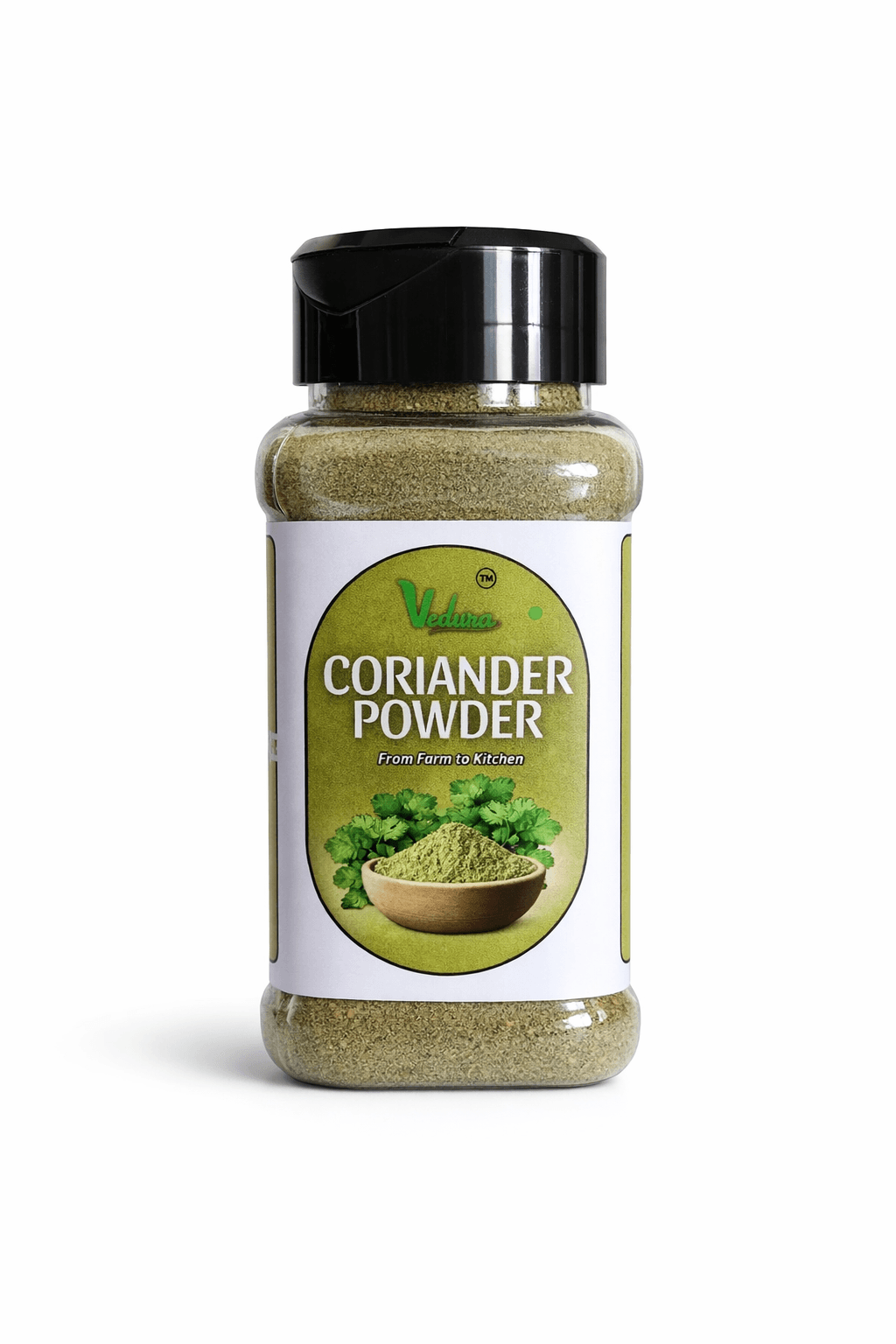
* Cumin and Coriander: These foundational spices offer earthy, warm, and citrusy undertones. Roasting them whole before grinding amplifies their aroma and flavour.
* Garam Masala and Other Blends: Complex spice blends like garam masala, sambar powder, or chaat masala are flavour powerhouses. They introduce multiple layers of taste, making salt less critical. Experiment with different regional spice mixes.
* Herbs: Fresh coriander, mint, and curry leaves contribute bright, fresh notes that elevate the overall taste profile.
Tangy Twists: The Role of Acids
Acidity brightens flavours and can mimic the 'zing' that salt provides, making dishes taste more vibrant. It's a secret weapon for low-sodium cooking.
* Lemon/Lime Juice: A squeeze of fresh lemon or lime juice at the end of cooking can dramatically lift a dish. It's particularly effective in dals, curries, and vegetable preparations.
* Amchur (Dry Mango Powder): This souring agent provides a tart, fruity flavour, common in North Indian cooking. It's excellent in gravies and dry vegetable dishes.
* Tamarind: Used extensively in South Indian cuisine, tamarind offers a complex sweet and sour flavour. Its pulp adds body and tang to sambars, rasams, and curries.
* Yoghurt/Curd: Dahi not only adds tang but also creaminess and a probiotic punch. It's great in marinades, raitas, and as a base for many curries.
Umami Boosters: Natural Savoury Notes
Umami, often described as the fifth taste, is a savoury richness that deepens flavour. Incorporating umami-rich ingredients can reduce the perceived need for salt.
* Tomatoes: Ripe, cooked tomatoes develop a natural umami flavour. Tomato paste, when sautéed, concentrates this effect.
* Mushrooms: Varieties like button mushrooms or oyster mushrooms add a meaty, umami depth to dishes.
* Garlic and Ginger: These aromatics are not just flavour bases but also contribute a savoury complexity, especially when well-sautéed.
* Fermented Foods: A small amount of fermented ingredients like a dash of soy sauce (use low-sodium versions) in Indo-Chinese dishes or traditional Indian ferments can offer umami.
Aromatic Foundations: Tadka and Bhuna
These traditional Indian cooking techniques are crucial for building flavour from the ground up, making dishes inherently tasty without heavy salting.
* Tadka (Tempering): Sizzling whole spices, garlic, ginger, and chillies in hot oil or ghee infuses the fat with incredible aroma and flavour, which then permeates the entire dish. This initial flavour boost reduces the need for salt later.
* Bhuna (Sautéing/Roasting): Slow-cooking ingredients like onions, ginger, garlic, and tomatoes until deeply browned and caramelised develops profound, sweet, and savoury flavours. This process is the backbone of many rich Indian gravies and curries.
Practical Swaps and Smart Strategies
Making conscious choices in your pantry and cooking methods can significantly impact your sodium intake.
| Ingredient Category | High-Sodium Option (Traditional) | Low-Sodium Alternative/Enhancer |
| :------------------ | :------------------------------- | :------------------------------ |
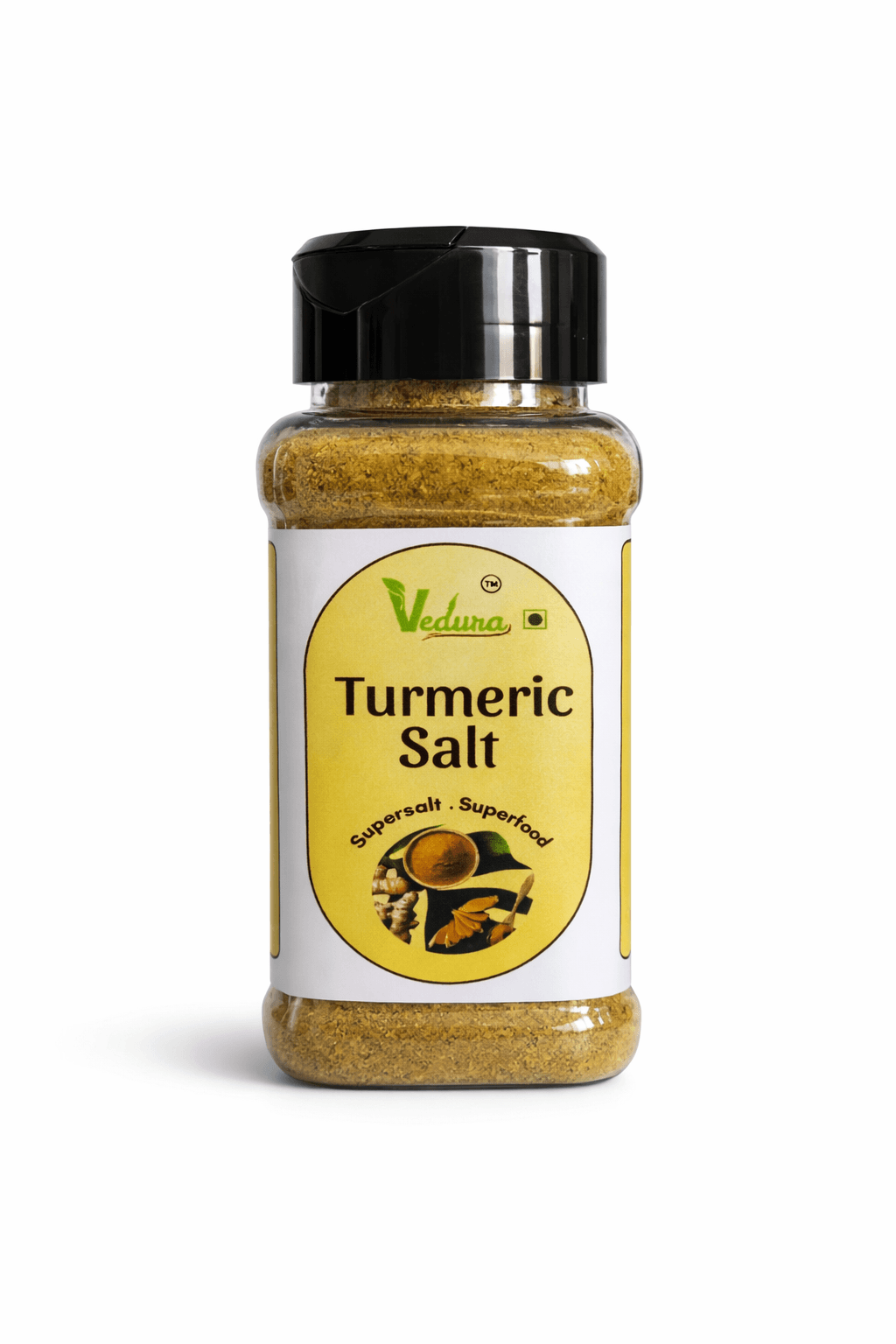
| Savoury Base | Plain Table Salt | Spices (cumin, coriander, chilli), Herbs (coriander, mint), Garlic, Ginger, Vedura Turmeric Salt (https://www.vedurafoods.com/product/turmeric-salt) |
| Tang/Acidity | Salt-cured items | Lemon/Lime juice, Amchur, Tamarind, Yoghurt, Kokum, Vinegar |
| Umami | MSG-heavy sauces | Tomatoes, Mushrooms, Onions (caramelised), Garlic, Ginger, Toasted Nuts/Seeds |
| Cooking Liquid | Store-bought broths/stocks | Homemade vegetable stock (unsalted), Water, Coconut milk, Dals (for body) |
| Garnish | Salted crisps/namkeen | Fresh herbs, Toasted nuts, Crispy fried onions (unsalted), Roasted sesame seeds |
Vedura's Turmeric Salt, for example, offers a blend of earthy turmeric with salt, which can allow you to use less overall salt while still getting a flavourful seasoning with added health benefits of turmeric. It's a smart swap for those looking to introduce a new dimension to their low-sodium cooking journey.
Building Flavour Layers: A Step-by-Step Approach
1. Start with a Strong Aromatic Base: Always begin with a good tadka or by sautéing onions, ginger, and garlic until fragrant and softened. This lays the groundwork for flavour.
2. Layer Your Spices: Introduce whole spices first, then ground spices, allowing each to bloom in the oil before adding the next ingredient. This extracts maximum flavour.
3. Incorporate Acids Strategically: Add tamarind or amchur during cooking for slow-release tang, and finish with a squeeze of fresh lemon or lime juice for brightness just before serving.
4. Embrace Umami-Rich Vegetables: Cook tomatoes, mushrooms, or roasted vegetables until their natural sweetness and savouriness emerge.
5. Taste and Adjust: Taste your food *before* adding extra salt. Often, the robust flavours from spices and acids are enough. If it still feels like something is missing, try a pinch of a flavourful salt alternative like Vedura Turmeric Salt or a final sprinkle of a strong spice blend before resorting to plain salt.
FAQs
Q: Can I completely eliminate salt from Indian cooking?
A: While it's challenging to completely eliminate salt without significantly altering taste, especially in traditional recipes, you can drastically reduce it. Focusing on intense spices, herbs, and acids can help achieve a satisfying flavour profile with very minimal or no added salt for specific dishes, especially for those on strict low-sodium diets.
Q: What spices are best for replacing salt flavour?
A: Spices don't 'replace' salt directly but provide alternative flavour dimensions. Pungent spices like black pepper, green chillies, and red chilli powder add heat. Aromatic spices like cumin, coriander, and garam masala provide depth. Hing (asafoetida) offers an onion-garlic like savouriness, especially when cooked correctly.
Q: How do acids help reduce the need for salt?
A: Acids such as lemon juice, tamarind, amchur, or vinegar brighten and balance flavours. They stimulate taste buds in a similar way to salt, enhancing the perception of other tastes and making food seem more vibrant and less bland, thereby reducing the craving for salt.
Q: Is Vedura Turmeric Salt a good alternative to regular salt?
A: Vedura Turmeric Salt can be a very good alternative. It combines the familiar taste of salt with the earthy, warm notes and health benefits of turmeric. This allows you to season your food with a complex flavour, potentially leading to the use of less overall sodium compared to using plain salt, while adding a unique Indian touch.
Q: How can I gradually reduce my salt intake?
A: The best approach is gradual reduction. Start by cutting your usual salt amount by 25%, then slowly decrease it over a few weeks. Your taste buds will adapt. Focus on adding more herbs, spices, and acids to compensate, and remove the salt shaker from the dining table to avoid automatic re-salting.
Explore topics
Continue your Vedura journey
Explore product pages, practical recipes, and research-led explainers connected to this topic.
Comments
Be the first to comment.