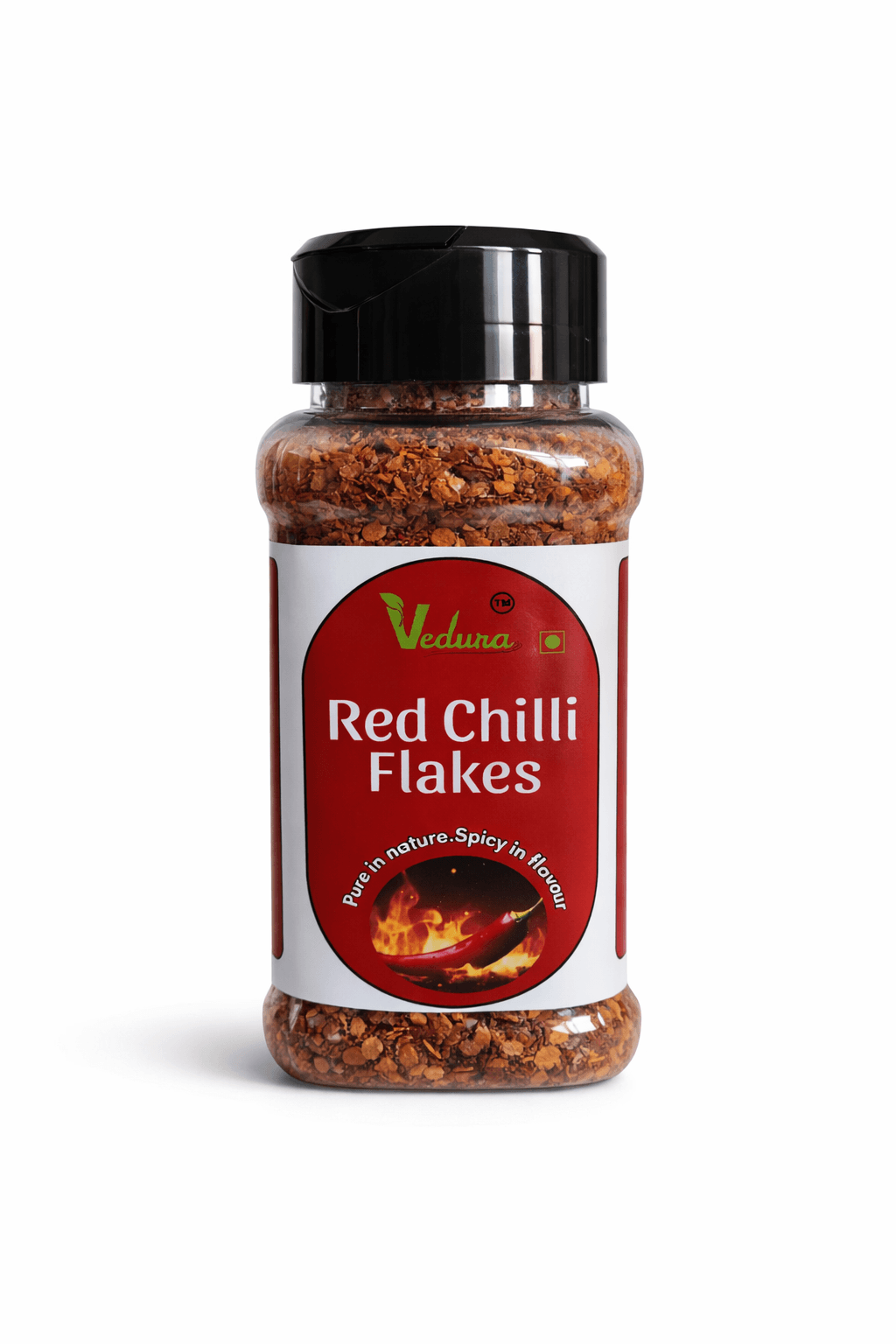
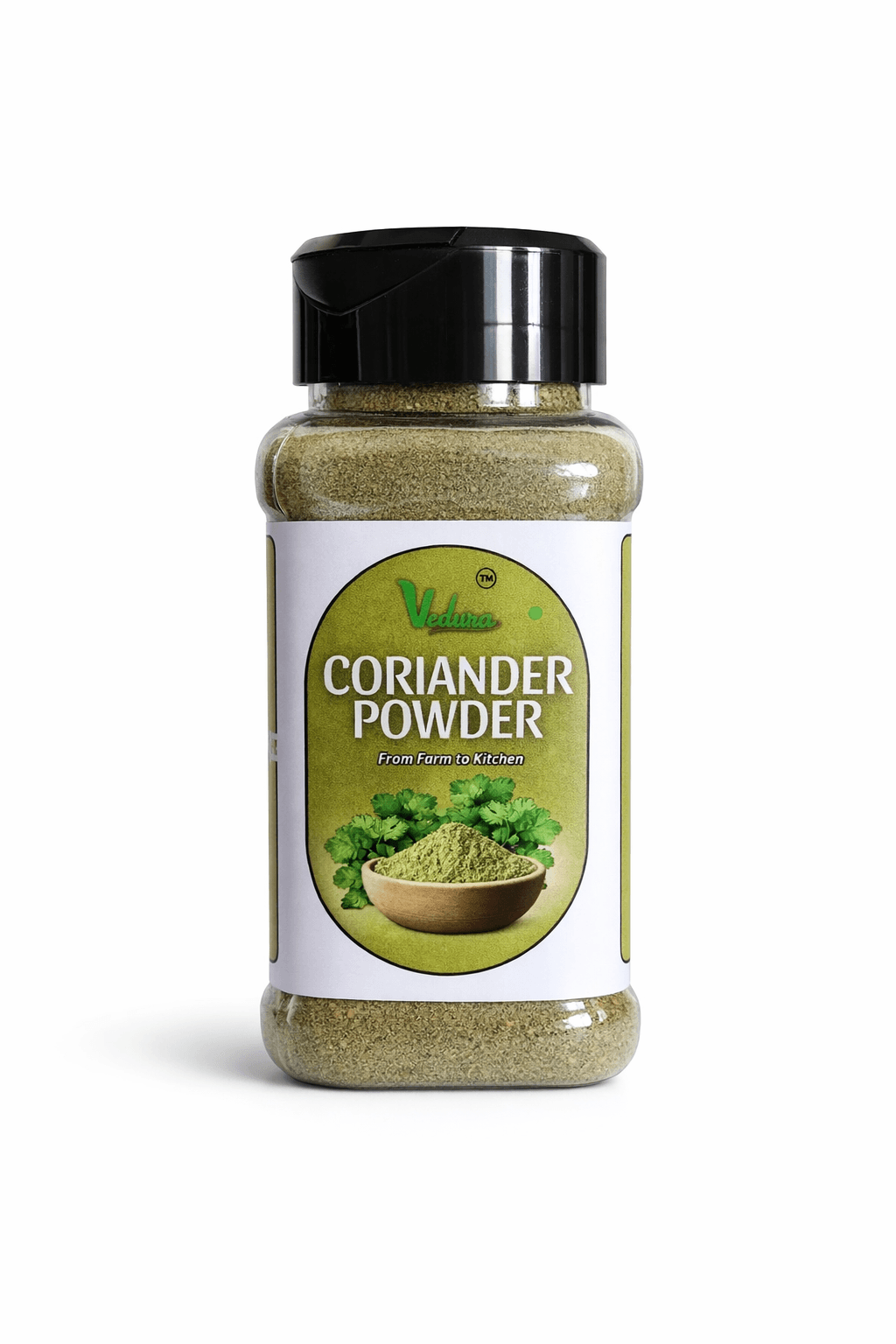
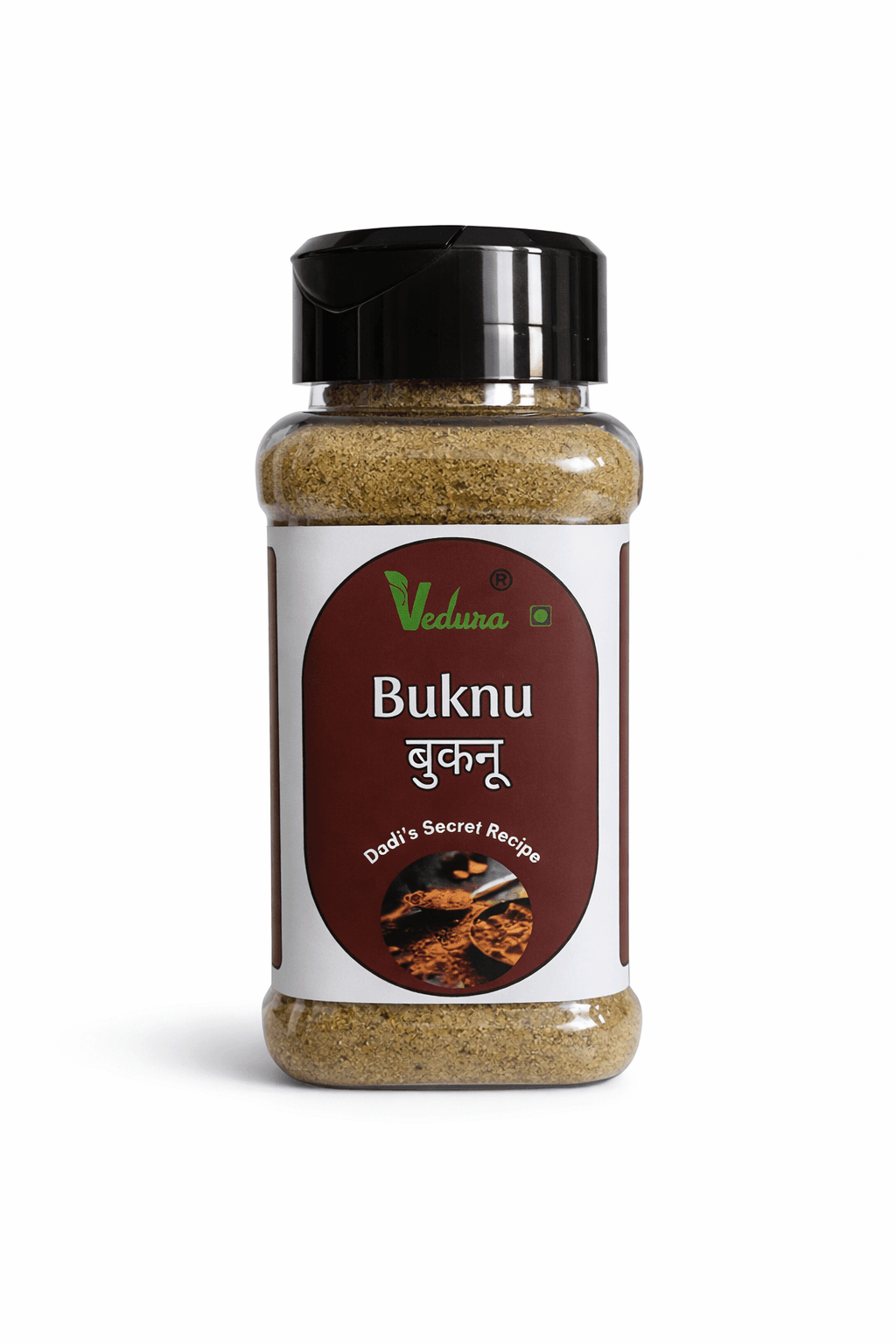
The Food Safety and Standards Authority of India (FSSAI) guidelines on food storage consistently emphasize controlled environments to prevent spoilage and maintain nutritional integrity, a principle highly relevant to spices. Ignoring these factors means your prized masalas will quickly turn dull, leaving your dishes lacking the expected punch.
Ground spices, such as turmeric powder, chilli powder, or garam masala, have a significantly increased surface area, making them far more susceptible to oxidation and the loss of volatile compounds. Once ground, their delicate oils are exposed to air, light, and moisture, causing them to degrade at a much faster rate.
Quick Summary
Proper storage is crucial for maintaining the vibrant flavours and aromas of Indian spices. To keep both whole and ground spices fresh, protect them from light, heat, moisture, and air by storing them in airtight containers in a cool, dark, and dry place. Understanding the different shelf lives for whole versus ground varieties will ensure your dishes always taste their best.
Understanding Spice Degradation
Spices are the heart of Indian cuisine, contributing not just flavour but also aroma, colour, and even health benefits. However, their potency is fleeting. The essential oils, volatile compounds, and pigments that give spices their characteristic qualities begin to degrade the moment they are exposed to environmental factors. This degradation is a chemical process, primarily oxidation, where oxygen reacts with the compounds, breaking them down. Heat accelerates these reactions, while light can break down pigments and light-sensitive compounds. Moisture, on the other hand, can lead to clumping, mould growth, and the loss of aromatic compounds through hydrolysis.
The Food Safety and Standards Authority of India (FSSAI) guidelines on food storage consistently emphasize controlled environments to prevent spoilage and maintain nutritional integrity, a principle highly relevant to spices. Ignoring these factors means your prized masalas will quickly turn dull, leaving your dishes lacking the expected punch.
Whole Spices vs. Ground Spices: Storage Differences
The form of your spice significantly impacts its shelf life and storage requirements. Whole spices, like cardamom pods, cinnamon sticks, or whole peppercorns, have a protective outer layer that shields their volatile oils from the environment. This means they retain their flavour and aroma much longer than their ground counterparts.
Ground spices, such as turmeric powder, chilli powder, or garam masala, have a significantly increased surface area, making them far more susceptible to oxidation and the loss of volatile compounds. Once ground, their delicate oils are exposed to air, light, and moisture, causing them to degrade at a much faster rate.
To maximise freshness, it’s always recommended to buy whole spices and grind them just before use, if possible. This practice is a cornerstone of traditional Indian cooking and ensures the most potent flavour profile for your dishes.
| Feature | Whole Spices | Ground Spices |
| :---------------- | :----------------------------------------- | :--------------------------------------------- |
| Shelf Life | 2-4 years (some up to 5) | 6 months - 1 year |
| Flavour Potency| Retain volatile oils longer | Lose flavour and aroma faster due to surface area |
| Storage Need | Airtight, cool, dark, dry | Airtight, cool, dark, dry (more critical) |
| Ideal Container| Glass jars, metal tins | Glass jars, metal tins |
| Degradation | Slower oxidation | Faster oxidation and volatile oil loss |
| Best Practice | Grind as needed | Purchase in smaller quantities |
The Enemies of Spice Freshness
Understanding what harms your spices is the first step to protecting them. The four primary adversaries are light, heat, moisture, and air.
Light
Direct sunlight and even strong artificial light can break down the pigments and essential oils in spices, leading to faded colours and diminished flavour. Turmeric, for instance, loses its vibrant yellow hue and curcumin content when exposed to light over time.
Heat
Heat causes the volatile oils in spices to evaporate faster, stripping them of their aroma and flavour. Storing spices near the stove, oven, or even on top of a refrigerator (which radiates heat) is a common mistake that significantly shortens their lifespan. The Spice Board of India consistently advises storage away from direct heat sources to preserve quality.
Moisture
Moisture is perhaps the most insidious enemy. It can cause spices to clump, encourage mould growth, and dilute their flavour. Always ensure your hands and measuring spoons are completely dry before dipping them into spice jars. Avoid sprinkling spices directly over steaming pots, as the rising steam can introduce moisture into the container.
Air
Exposure to air allows oxidation to occur, leading to staleness and loss of aroma. Every time a spice jar is opened, oxygen rushes in, beginning the degradation process. This is why airtight containers are paramount.
Choosing the Right Containers and Location
Selecting the right container and storage location is key to preserving your spices. The goal is to create an environment that shields them from their primary enemies.
Airtight Containers
* Glass Jars: These are ideal as they are non-reactive, don't absorb odours, and can be easily cleaned. Opt for clear glass if storing in a dark cupboard, or amber/opaque glass if they might be exposed to some ambient light. Ensure they have tight-fitting lids.
* Metal Tins: Stainless steel or other food-grade metal tins with secure lids are also excellent for blocking light and air. Ensure they are specifically designed for food storage and are rust-resistant.
* Ceramic Crocks: While aesthetically pleasing, ensure they have airtight seals. Their opaque nature helps block light.
* Avoid Plastic: Plastic containers can absorb spice odours over time and may not always provide a perfectly airtight seal. They can also degrade, potentially leaching chemicals into your spices.
Optimal Location
* Cool, Dark Cupboard/Pantry: The best place for spices is a cupboard or pantry away from direct sunlight and heat sources like the stove, oven, or dishwasher. The consistent, cooler temperature helps slow down the degradation process.
* Avoid Refrigeration (Mostly): While refrigeration might seem like a good idea, it's generally not recommended for most spices. The fluctuating humidity inside a refrigerator can introduce moisture, and some spices can absorb fridge odours. The only exceptions might be intensely oily spices (like paprika or chilli powder) in very humid climates, but even then, an airtight container is crucial.
* Away from Windows: Even if a cupboard is nearby, ensure it's not directly exposed to sunlight filtering through a window, which can heat the interior.
When to Replace Your Spices
Even with the best storage practices, spices don't last forever. Over time, their flavour compounds break down, leaving them dull and ineffective. Here’s how to tell when it’s time to restock:
1. Smell Test: This is the most reliable indicator. A fresh spice will have a distinct, strong aroma. If you can barely smell it, or if it smells musty or bland, it's past its prime.
2. Taste Test: Take a tiny pinch and taste it. It should have a noticeable flavour. If it tastes like dust or cardboard, it won't contribute anything to your dish.
3. Colour Check: While not always definitive, some spices, especially ground ones, lose their vibrancy and become duller in colour as they age. For example, bright red chilli powder will fade to a brick red or brownish hue.
4. Clumping: If your ground spices are clumping together or show any signs of moisture, it's best to discard them to avoid potential mould or bacterial growth. The ICMR-National Institute of Nutrition (NIN) Hyderabad consistently highlights the importance of discarding any food items, including spices, that show signs of spoilage to prevent foodborne illnesses.
As a general rule, ground spices should be replaced every 6-12 months, while whole spices can last 2-4 years. Herbs typically last 1-3 years. Regularly check your spice rack and refresh as needed to ensure your cooking always shines with authentic Indian flavours.
FAQs
Q: How long do whole spices typically last compared to ground spices?
A: Whole spices generally have a much longer shelf life, lasting anywhere from 2 to 4 years, sometimes even up to 5 years for very hardy varieties like whole peppercorns. Ground spices, due to their increased surface area and exposure to air, degrade much faster and are best used within 6 to 12 months for optimal flavour.
Q: Can I store my spices in the refrigerator or freezer to extend their life?
A: For most spices, refrigeration or freezing is generally not recommended. The fluctuating humidity levels in a refrigerator can introduce moisture, leading to clumping or mould, and spices can absorb other food odours. While some highly oily spices like paprika might benefit from refrigeration in very humid climates, ensure they are in extremely airtight containers.
Q: What's the best way to revive old, dull spices?
A: Unfortunately, there's no reliable way to truly revive spices that have lost their flavour and aroma. Once the volatile oils have evaporated or degraded, they cannot be restored. The best practice is to replace old spices with fresh ones to ensure your dishes have the most vibrant and authentic taste.
Q: Why do my spices lose their colour over time?
A: Spices lose their colour primarily due to exposure to light and air. Light, especially direct sunlight, can break down the pigments responsible for their vibrant hues. Air exposure leads to oxidation, which also contributes to colour fading and the degradation of flavour compounds.
Q: Is it okay to buy spices in bulk to save money?
A: Buying whole spices in bulk can be economical, as they have a long shelf life and can be ground as needed. However, it's generally not advisable to buy ground spices in large quantities unless you use them very frequently. Ground spices degrade quickly, so purchasing them in smaller amounts ensures you use them while they are still potent and flavourful. This prevents waste and guarantees better culinary results.
Explore topics
Continue your Vedura journey
Explore product pages, practical recipes, and research-led explainers connected to this topic.
Comments
Be the first to comment.