Data-led article1 sections10 topic tags
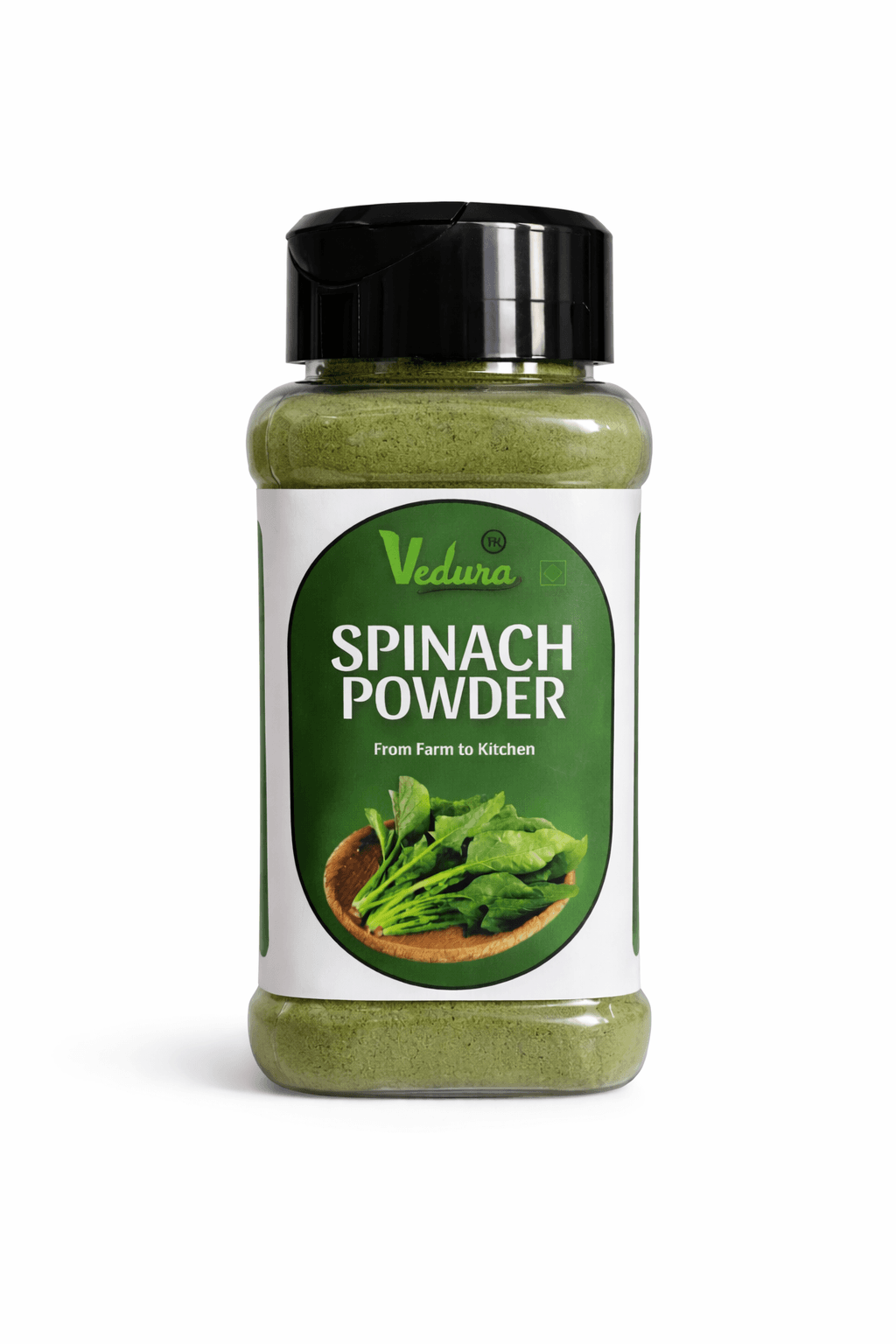
Quick Summary Dehydrated greens powders offer concentrated nutrition and unparalleled convenience for modern Indian kitchens. To extend their potency and prevent spoilage, proper storage is paramount. The golden rules involve keeping them in airtight containers, away from heat and direct light, and crucially, protecting them from moisture, which is the primary enemy of shelf life. ## The Foundation: Why Proper Storage Matters for Dehydrated Greens Dehydrated greens powders are a testament to traditional food preservation techniques, reimagined for contemporary dietary needs. By removing water, the primary medium for microbial growth and enzymatic activity, the shelf life of fresh greens is dramatically extended. However, this stability is contingent on maintaining the dehydrated state. ### The Magic of Moisture Removal The core principle behind dehydration is the reduction of water activity. When greens are dried and then finely powdered, their moisture content drops significantly, making them inhospitable for bacteria, yeasts, and molds. This process essentially puts spoilage organisms into a dormant state. Any reintroduction of moisture, even atmospheric humidity, can reactivate these processes, leading to degradation and spoilage. ### Protecting Nutritional Integrity While dehydration concentrates nutrients, improper storage can lead to their gradual degradation. Vitamins, especially water-soluble ones like Vitamin C, and certain phytonutrients can be sensitive to light, heat, and oxidation. The Indian Council of Medical Research - National Institute of Nutrition (ICMR-NIN) has extensively studied the impact of processing and storage on nutrient retention in various food items, highlighting that controlled environments are key to preserving the bioavailability and stability of nutrients in dried foods. ## The Three Pillars of Ideal Storage: Cool, Dark, and Airtight To ensure your dehydrated greens powder remains potent and safe for consumption, focus on these three critical aspects of storage. ### The Imperative of Airtight Sealing Air is a carrier of moisture and oxygen, both detrimental to dehydrated powders. Oxygen can lead to oxidation, causing nutrient loss and changes in flavor and color. Moisture, as discussed, is the most significant threat, inviting microbial growth. Therefore, an airtight container is non-negotiable. Glass jars with rubber-sealed lids, Mylar bags designed for food storage, or vacuum-sealed pouches are excellent choices. Ensure the container is completely dry before adding the powder. ### Keeping it Cool: Temperature Control Heat accelerates chemical reactions, including those that lead to nutrient degradation and spoilage. Storing your greens powder in a cool place, ideally below 25°C, will significantly prolong its quality. Avoid placing containers near stoves, ovens, or windows where they might be exposed to fluctuating temperatures or direct sunlight. A cool, dry pantry or cupboard is far superior to a kitchen countertop. ### Banishing the Light: The Role of Darkness Light, particularly ultraviolet (UV) light, can degrade sensitive compounds like chlorophyll (which gives greens their vibrant color) and certain vitamins. This is why opaque containers or storing transparent containers in dark cupboards is crucial. Brown or amber glass jars offer some protection, but a completely dark environment is always best. ## Understanding Expected Shelf Life and Influencing Factors The shelf life of dehydrated greens powder can vary based on several factors, but general guidelines exist. Unopened and properly stored, most high-quality dehydrated greens powders can last 1 to 2 years. Once opened, however, exposure to air and humidity reduces this considerably, typically to 6-12 months. Factors influencing this timeline include: * Initial Quality and Processing: The quality of the raw greens and the efficiency of the dehydration process play a major role. For instance, products like Vedura's dehydrated spinach powder (https://www.vedurafoods.com/product/dehydrated-spinach-powder) are processed with care to ensure initial quality, but subsequent storage is crucial for maintaining it. * Packaging: Commercial packaging often includes oxygen absorbers and moisture barriers, which contribute to a longer unopened shelf life. * Frequency of Opening: Each time a container is opened, the powder is exposed to ambient air and humidity, shortening its life. * Environmental Conditions: Consistent adherence to cool, dark, and airtight storage is paramount. The Food Safety and Standards Authority of India (FSSAI) emphasizes proper storage conditions for all packaged foods to ensure consumer safety and product quality throughout their stated shelf life. ## Recognizing the Red Flags: Signs of Spoilage Even with the best intentions, things can go awry. Knowing the signs of spoilage in dehydrated greens powder is essential for food safety. When in doubt, it’s always better to discard. | Sign of Spoilage | What to Look For | Why It Matters | |:--------------------|:----------------------------------------------|:----------------------------------------------------| | Clumping/Hardening | Powder sticks together, forms solid chunks | Indicates moisture ingress; risk of microbial growth. | | Discoloration | Fading, browning, or unusual speckles | Nutrient degradation, oxidation, or potential mold. | | Off-Odor | Musty, sour, or distinctly 'off' smell | Microbial activity, fat oxidation (if any residual fats). | | Visible Mold | Fuzzy spots, usually green, black, or white | Clear sign of contamination; discard immediately. | If you observe any of these signs, the powder should not be consumed. ## FAQs ### Q: Should I store greens powder in the refrigerator? A: While a refrigerator is cool, it often has high humidity, which is detrimental to dehydrated powders. Condensation can also form when the container is removed and returned, introducing moisture. It's generally better to store greens powder in a cool, dry pantry cupboard. ### Q: How long can I use greens powder after opening the package? A: Once opened, the shelf life typically reduces to 6-12 months, even with good storage practices. This is due to repeated exposure to air and humidity each time the container is accessed. ### Q: Is it safe if my greens powder has clumped slightly? A: Slight clumping indicates moisture exposure. If there are no other signs of spoilage (discoloration, off-odor, visible mold), it might still be safe, but its potency and quality might be diminished. However, significant hardening or any other spoilage signs mean it should be discarded. ### Q: What kind of container is best for long-term storage? A: For long-term storage, opaque, airtight containers are ideal. Glass jars with vacuum seals, ceramic containers with tight-fitting lids, or Mylar bags with oxygen absorbers work very well to protect against light, air, and moisture. ### Q: Can I extend the shelf life by freezing it? A: Freezing can extend shelf life, but it comes with caveats. If not properly sealed, moisture from the freezer can cause freezer burn or introduce condensation when removed. If you choose to freeze, ensure the powder is in a truly airtight, freezer-safe container, and allow it to come to room temperature before opening to prevent condensation. ### Q: What happens if I accidentally expose my greens powder to moisture? A: If exposed to significant moisture, the powder will likely clump, and if left for long, it will become susceptible to microbial growth and spoilage. There is no safe way to re-dehydrate it at home to restore its quality and safety; it's best to discard it to avoid any health risks.
Explore topics
Continue your Vedura journey
Explore product pages, practical recipes, and research-led explainers connected to this topic.
Comments
Be the first to comment.