The Food Safety and Standards Authority of India (FSSAI) mandates comprehensive labelling, requiring all ingredients by weight or volume. While FSSAI doesn't officially define 'clean label,' its regulations on disclosing additives and nutritional information empower consumers to make informed choices aligning with these principles. This trend reflects a desire to prioritize food integrity over artificial means of preservation or enhancement.
| Additive Category | Common Examples (E-numbers) | Potential Natural Alternatives | | :---------------------- | :--------------------------------------------------------- | :----------------------------------------------------------------- | | Artificial Colours | Tartrazine (E102), Sunset Yellow (E110), Carmoisine (E122) | Turmeric, Beetroot, Spinach, Saffron, Paprika | | Synthetic Preservatives | Sodium Benzoate (E211), Potassium Sorbate (E202) | Salt, Vinegar, Lemon Juice, Rosemary Extract, Natural Fermentation | | Flavour Enhancers | Monosodium Glutamate (E621), Disodium Guanylate (E627) | Herbs & Spices (Garlic, Onion, Cumin), Yeast Extract, Mushrooms | | Artificial Sweeteners | Aspartame (E951), Sucralose (E955), Saccharin (E954) | Stevia, Jaggery, Honey, Dates, Maple Syrup |
Quick Summary
The 'clean label' movement in India advocates for food with natural, recognizable ingredients, free from artificial additives. For consumers, this means scrutinizing ingredient lists to avoid common culprits like artificial colours, synthetic preservatives, and flavour enhancers. Understanding these helps in making healthier choices and supports brands committed to ingredient integrity.
What is a 'Clean Label' in the Indian Context?
The 'clean label' concept, gaining global traction, refers to food products with minimal, understandable, and natural ingredients, free from artificial additives. In India, this aligns with a preference for traditional home cooking—simple, wholesome, and without synthetic compounds. Consumers increasingly seek transparency, wanting to recognize every item on an ingredient list, driven by health awareness and skepticism towards highly processed foods.
The Food Safety and Standards Authority of India (FSSAI) mandates comprehensive labelling, requiring all ingredients by weight or volume. While FSSAI doesn't officially define 'clean label,' its regulations on disclosing additives and nutritional information empower consumers to make informed choices aligning with these principles. This trend reflects a desire to prioritize food integrity over artificial means of preservation or enhancement.
Common Additives and Colours to Watch Out For
Adopting a clean label approach requires understanding which ingredients to avoid. Many processed foods use additives for preservation, flavour, or appearance, some raising health concerns.
Artificial Colours
Synthetic colours like Tartrazine (E102) and Sunset Yellow FCF (E110) are common in Indian snacks and beverages. While FSSAI permits their use within limits, research, including studies by the ICMR-National Institute of Nutrition (ICMR-NIN) Hyderabad, suggests potential links between some artificial colours and hyperactivity in children. Opting for natural colours from turmeric or beetroot is a safer choice.
Synthetic Preservatives
Preservatives like Benzoates (E210-E213) and Sulphites (E220-E228) extend shelf life but are often best avoided. Though generally safe in small amounts, some individuals may experience allergic reactions; sulphites, for example, can trigger asthma. Clean label preferences lean towards natural preservation like salting or using natural acids.
Flavour Enhancers
Monosodium Glutamate (MSG, E621) is a well-known flavour enhancer. While FSSAI deems it safe, some people report sensitivities. Others like Disodium Guanylate (E627) are found in savoury snacks. A clean label approach prefers natural herbs and spices for flavour.
Artificial Sweeteners
Used in "diet" products, sweeteners like Aspartame (E951) and Sucralose (E955) are approved but subject to ongoing health debates. Natural alternatives such as stevia or jaggery align better with clean label principles.
| Additive Category | Common Examples (E-numbers) | Potential Natural Alternatives |
| :---------------------- | :--------------------------------------------------------- | :----------------------------------------------------------------- |
| Artificial Colours | Tartrazine (E102), Sunset Yellow (E110), Carmoisine (E122) | Turmeric, Beetroot, Spinach, Saffron, Paprika |
| Synthetic Preservatives | Sodium Benzoate (E211), Potassium Sorbate (E202) | Salt, Vinegar, Lemon Juice, Rosemary Extract, Natural Fermentation |
| Flavour Enhancers | Monosodium Glutamate (E621), Disodium Guanylate (E627) | Herbs & Spices (Garlic, Onion, Cumin), Yeast Extract, Mushrooms |
| Artificial Sweeteners | Aspartame (E951), Sucralose (E955), Saccharin (E954) | Stevia, Jaggery, Honey, Dates, Maple Syrup |
How to Verify 'Clean Label' Claims
Since 'clean label' isn't officially regulated, consumer vigilance is key. Here's how to assess product claims:
1. Read the Ingredient List: This is crucial. Look for short lists with recognizable names. Many E-numbers or complex chemicals suggest a non-clean label product. FSSAI mandates detailed ingredient disclosure.
2. Check 'Free From' Claims: While "no artificial colours" helps, always cross-reference with the full ingredient list, as other additives might be present.
3. Understand Nutritional Labels: Beyond additives, check sugar, salt, and fat content. Even natural ingredients can be unhealthy in excess.
4. Look for Certifications: For organic products, seek certifications like 'India Organic' (regulated by NPOP/APEDA). This indicates standards that often align with clean label principles.
The Importance of Single-Origin Ingredients
For products like spices, a 'clean label' often extends to 'single-origin' sourcing. This means the ingredient, e.g., turmeric, comes from a specific, identifiable farm or region, not a blend from diverse, unknown sources.
Why single-origin matters:
* Traceability & Purity: Allows better tracking from farm to table, ensuring quality and ethical sourcing. Reduces adulteration risk, common in the Indian spice market.
* Distinct Flavour: Specific regions offer unique flavour profiles in spices due to soil and climate. Single-origin provides a superior, authentic taste.
* Farmer Support: Often implies a direct relationship with farmers, leading to fairer prices and sustainable practices.
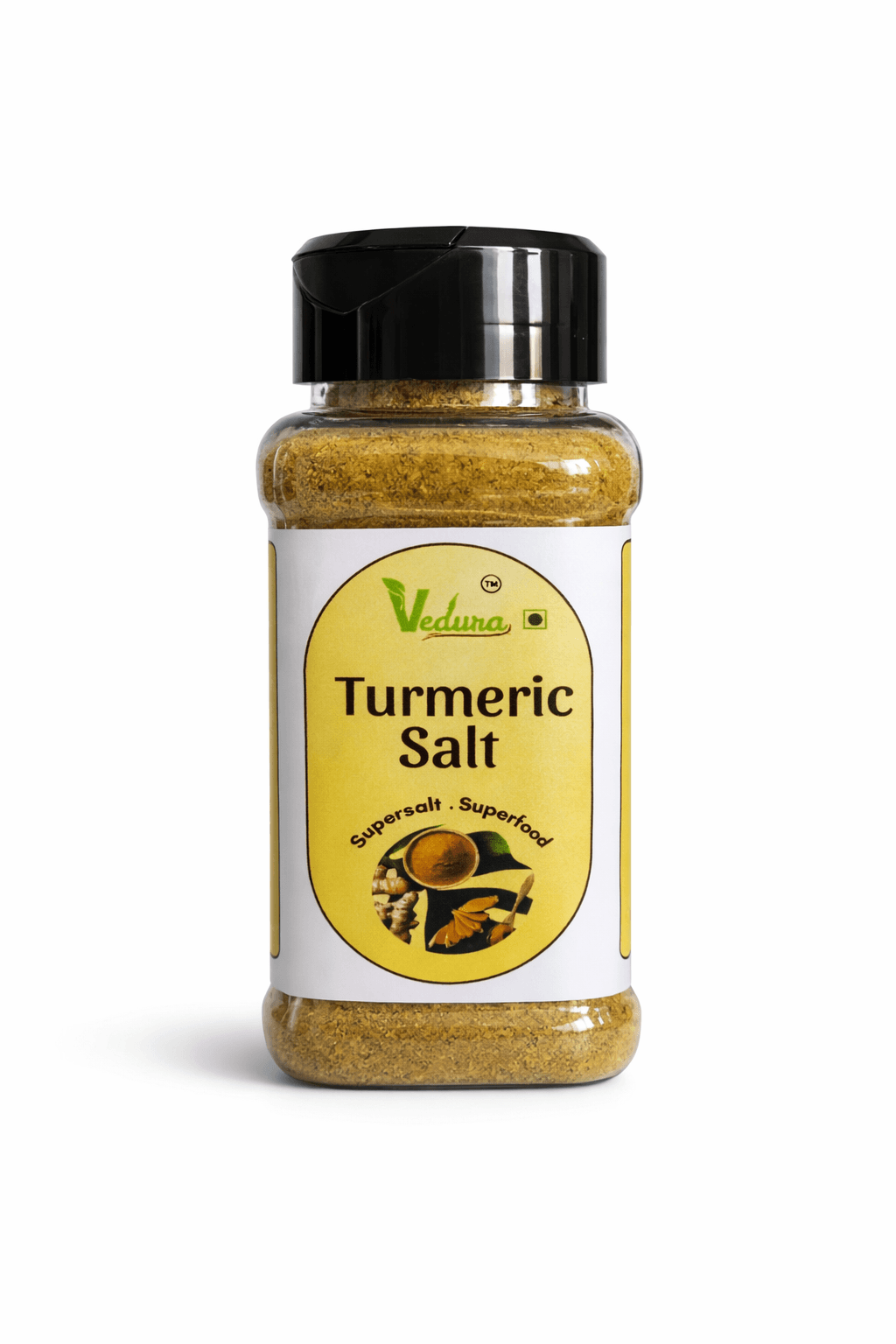
Brands adhering to a philosophy of carefully sourced, transparent ingredients, like Vedura Foods, align with the clean label movement. Prioritizing clarity and quality empowers consumers to make choices truly beneficial for health and well-being.
FAQs
Q: Is 'clean label' an official certification in India?
A: No, 'clean label' is not an official regulatory term or certification by bodies like the FSSAI in India. It's a consumer-driven concept signifying products made with natural, minimal, and recognizable ingredients, free from artificial additives. Consumers must rely on ingredient lists and brand transparency to assess 'clean label' claims.
Q: What are some common E-numbers or additives I should look out for to avoid?
A: For a clean label approach, critically review artificial colours like Tartrazine (E102) and Sunset Yellow (E110). Also, be mindful of synthetic preservatives such as Sodium Benzoate (E211) and Potassium Sorbate (E202), and flavour enhancers like Monosodium Glutamate (E621). Always check the ingredient list for specific names or E-numbers.
Q: How can I verify if a food product uses natural colours instead of artificial ones?
A: The ingredient list will specify this. Natural colours are declared as "Natural Food Colour," "Turmeric Extract," or similar terms. Artificial colours are often named specifically (e.g., "Tartrazine") or by their E-number. Products stating "no artificial colours" are a good indicator, but always verify the full list.
Q: Does a clean label product automatically mean it's organic?
A: Not necessarily. While many organic products align with clean label principles by avoiding synthetic pesticides, 'organic' is a distinct, regulated certification (e.g., 'India Organic' by NPOP). A product can be clean label without being certified organic, and vice-versa, though there's often significant overlap in principles.
Q: Why is it important to choose single-origin spices for a clean label diet?
A: Choosing single-origin spices is vital for a clean label diet because it ensures superior transparency, traceability, and purity from farm to consumer, minimizing adulteration risk. Furthermore, single-origin spices guarantee an authentic, superior flavour profile tied to specific regional characteristics, aligning with the clean label ethos of knowing exactly what goes into your food.
Explore topics
Continue your Vedura journey
Explore product pages, practical recipes, and research-led explainers connected to this topic.
Comments
Be the first to comment.