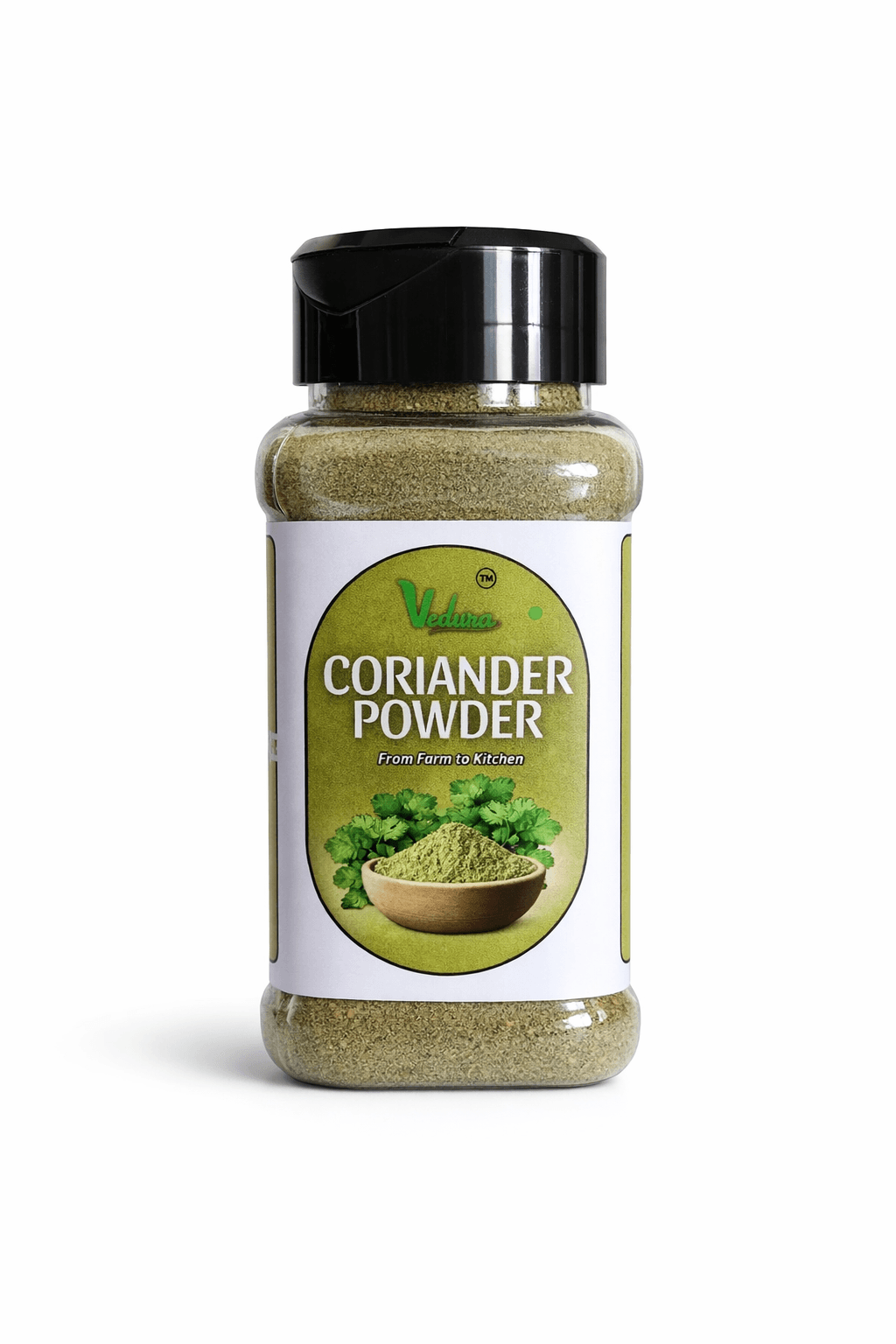
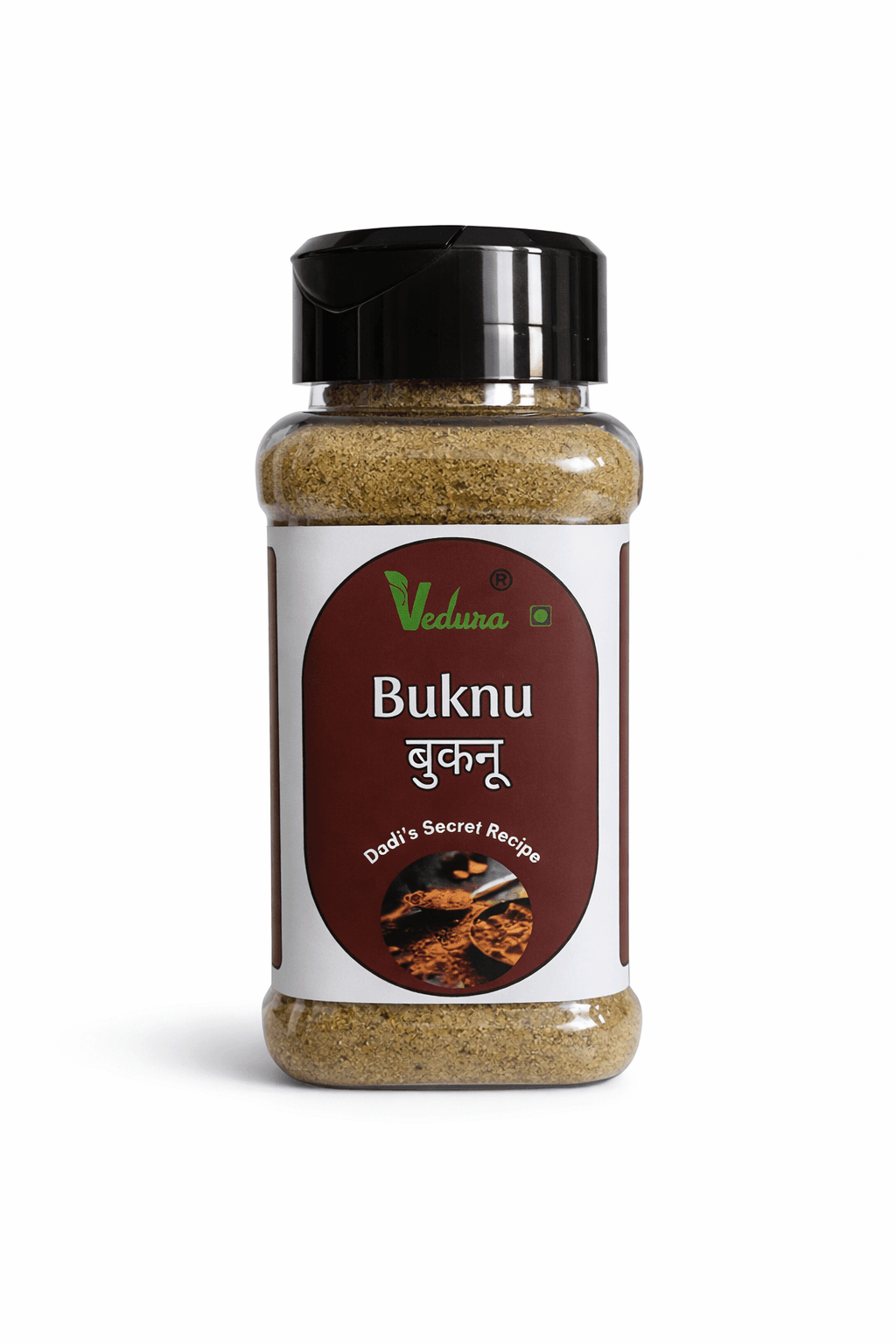
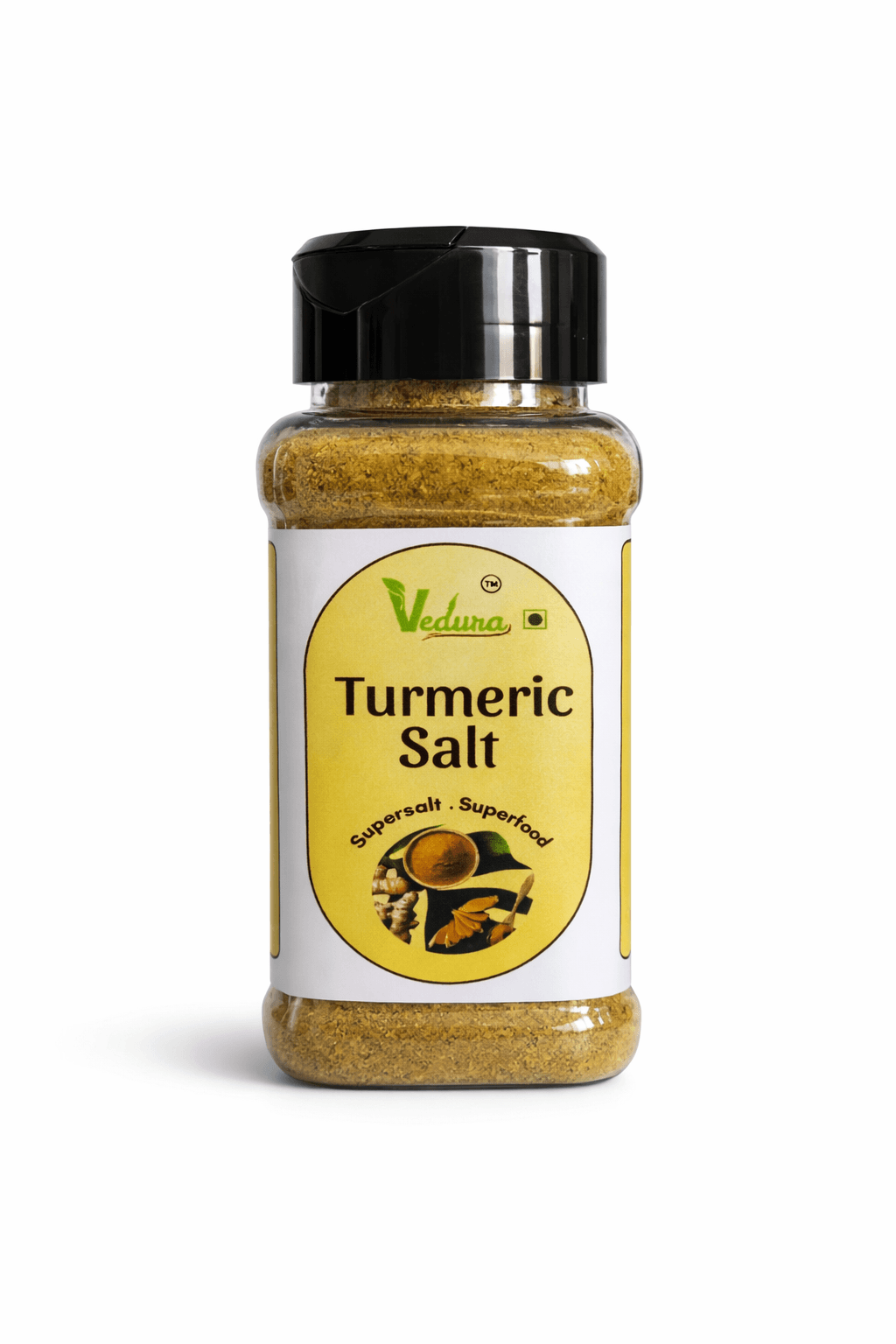
Consumers increasingly seek spices that are pure, unadulterated, and free from synthetic compounds. This aligns with a broader desire for healthier eating and a return to traditional, wholesome ingredients. Brands that commit to clean labels often highlight their sourcing practices, processing methods, and the purity of their single-ingredient products.
Here's a table of common additives and why you might want to avoid them:
Quick Summary
Understanding what constitutes a 'clean label' for spices in India is crucial for every home cook. This guide will walk you through reading spice labels, identifying mandatory FSSAI (Food Safety and Standards Authority of India) information, understanding common additives to avoid, and appreciating the value of single-origin purity for your health and palate.
What Does "Clean Label" Really Mean for Spices?
In India, the term "clean label" isn't a strict legal definition but rather a consumer-driven trend towards transparency and minimal processing in food. For spices, a clean label primarily signifies the absence of artificial colours, flavours, preservatives, and unnecessary anti-caking agents. It means the product is as close to its natural state as possible, with ingredients that are easily recognisable and understood.
Consumers increasingly seek spices that are pure, unadulterated, and free from synthetic compounds. This aligns with a broader desire for healthier eating and a return to traditional, wholesome ingredients. Brands that commit to clean labels often highlight their sourcing practices, processing methods, and the purity of their single-ingredient products.
Decoding the FSSAI Label: Your First Line of Defence
The FSSAI (Food Safety and Standards Authority of India) plays a pivotal role in ensuring the safety and quality of food products, including spices, sold in the Indian market. Every packaged food item must carry an FSSAI license number and logo, which is your assurance that the product complies with national food safety standards. The FSSAI portal, https://www.fssai.gov.in, provides comprehensive details on these regulations.
Key Information to Look For:
* FSSAI Logo and License Number: This is mandatory. Check for a 14-digit license number.
* Ingredient List: Spices should ideally have a single ingredient (e.g., "Turmeric Powder" or "Cumin Seeds"). For blends, the ingredients should be listed in descending order of their proportion by weight.
* Net Weight: Indicates the quantity of the product.
* Manufacturing/Packing Date and Best Before Date: Essential for freshness and shelf life.
* Nutritional Information (Optional for single spices): While not always mandatory for single-ingredient spices, it's a good indicator for blends or processed spice products.
* Vegetarian/Non-vegetarian Symbol: The green square with a green circle for vegetarian products is a must for spices.
Common Additives and Adulterants to Watch Out For
Many commercial spices, especially blends or ground varieties, may contain additives designed to improve appearance, shelf life, or flow. While some are deemed safe in small quantities by FSSAI, a truly clean label spice will avoid them where possible. The ICMR-National Institute of Nutrition (NIN) Hyderabad often highlights the importance of consuming natural, unadulterated foods for optimal health.
Here's a table of common additives and why you might want to avoid them:
| Additive Type | Common Examples | Purpose in Spices | Why to Consider Avoiding |
| :---------------------- | :--------------------------- | :-------------------------------------- | :-------------------------------------------- |
| Anti-caking Agents | Silicon Dioxide (E551), Calcium Carbonate (E170) | Prevent clumping in powdered spices | Generally safe, but unnecessary for pure spices; can dilute potency. |
| Artificial Colours | Tartrazine (E102), Sunset Yellow (E110), Carmoisine (E122) | Enhance visual appeal | Linked to hyperactivity in children (EU warnings), potential allergic reactions. |
| Artificial Flavours | Synthetic flavour compounds | Intensify or mimic natural flavours | Can mask low-quality ingredients; potential for unknown health effects. |
| Preservatives | Sodium Benzoate (E211), Sulphites (E220-228) | Extend shelf life | Can cause allergic reactions in sensitive individuals; pure spices generally don't need them. |
| Fillers/Starches | Wheat flour, rice flour, corn starch | Bulk up product, reduce cost | Dilutes spice potency and flavour; can be a concern for gluten allergies. |
Always scrutinise the ingredient list. If it lists anything beyond the spice itself, understand its purpose. For instance, brands like Vedura Foods prioritise 100% pure spices, free from these common additives, ensuring a genuine flavour experience.
The Power of Purity: Why Single-Origin and Minimal Processing Matter
Choosing single-origin spices means the spice comes from a specific geographical region, often known for producing a superior quality of that particular spice. This approach ensures greater traceability, potent flavour, and consistent quality, reducing the risk of blending with lower-grade varieties.
Minimal processing, such as sun-drying and gentle grinding, helps retain the natural oils, aroma, and nutritional value of the spice. Over-processing or excessive heat can degrade these delicate compounds, leading to a loss of flavour and potency. The National Programme for Organic Production (NPOP), under APEDA, promotes standards for organic spices, ensuring they are grown without synthetic pesticides or fertilisers, further contributing to a clean product.
When you opt for single-origin, minimally processed spices, you're not just getting a flavour enhancer; you're investing in a product that reflects the soil, climate, and traditional farming practices, offering a richer culinary experience and peace of mind about what you're consuming.
Making an Informed Choice: A Shopper's Checklist
Empowering yourself with knowledge about spice labels can significantly elevate your cooking and safeguard your family's health. Here’s a quick checklist for your next spice shopping trip:
1. Check for FSSAI Markings: Always ensure the FSSAI logo and license number are clearly visible on the packaging.
2. Read the Ingredient List: Prioritise spices that list only one ingredient (e.g., "Coriander Powder") or clearly state the natural components in blends.
3. Avoid Unnecessary Additives: Look out for and minimise products containing artificial colours, flavours, or excessive anti-caking agents.
4. Consider Organic Certifications: For an extra layer of assurance, look for NPOP or other recognised organic certifications.
5. Examine Packaging and Dates: Ensure the packaging is intact, and always check the manufacturing and best-before dates for freshness.
6. Trust Reputable Brands: Opt for brands known for their commitment to quality, transparency, and traditional sourcing, such as Vedura Foods.
FAQs
Q: Is "natural" the same as "clean label" for spices?
A: Not necessarily. While "natural" generally implies ingredients from nature without artificial components, it's not a regulated term like "organic." A clean label goes a step further by emphasising minimal processing and transparent ingredient lists, even if not officially certified organic.
Q: What is the FSSAI logo, and why is it important?
A: The FSSAI logo, along with a 14-digit license number, indicates that the food product, including spices, has undergone quality checks and complies with the food safety standards set by the Food Safety and Standards Authority of India. It's a crucial mark of regulatory compliance and safety.
Q: Are anti-caking agents always bad in spices?
A: Anti-caking agents like silicon dioxide are generally considered safe by regulatory bodies in small, permissible quantities. Their primary function is to prevent powdered spices from clumping. However, for a truly "clean label," many consumers prefer spices that are pure and don't require such additives, indicating a possibly fresher or less processed product.
Q: How can I tell if a spice is adulterated if the label looks fine?
A: While labels provide essential information, some adulteration (like mixing with brick powder or artificial dyes) might not be evident from the label. Purchasing from reputable brands, checking for FSSAI certification, and observing the spice's aroma, colour, and texture can help. For instance, pure turmeric has a distinct earthy smell and a vibrant, not overly bright, yellow colour.
Q: What does "single origin" mean for spices?
A: "Single origin" for spices means that the spice is sourced from a specific, identifiable geographical region or farm known for its quality. This ensures traceability, helps maintain the unique flavour profile developed in that particular terroir, and often signifies a higher quality product compared to blended spices from multiple, unspecified sources.
Q: Do organic spices always mean clean label?
A: Organic spices are definitely a step towards a clean label, as they are grown without synthetic pesticides, herbicides, or genetically modified organisms, and adhere to strict NPOP standards. However, while most organic spices are clean label, it's still wise to check their ingredient list for any non-organic additives or processing aids that might be permitted in organic processing but not align with your personal clean label preference.
Explore topics
Continue your Vedura journey
Explore product pages, practical recipes, and research-led explainers connected to this topic.
Comments
Be the first to comment.