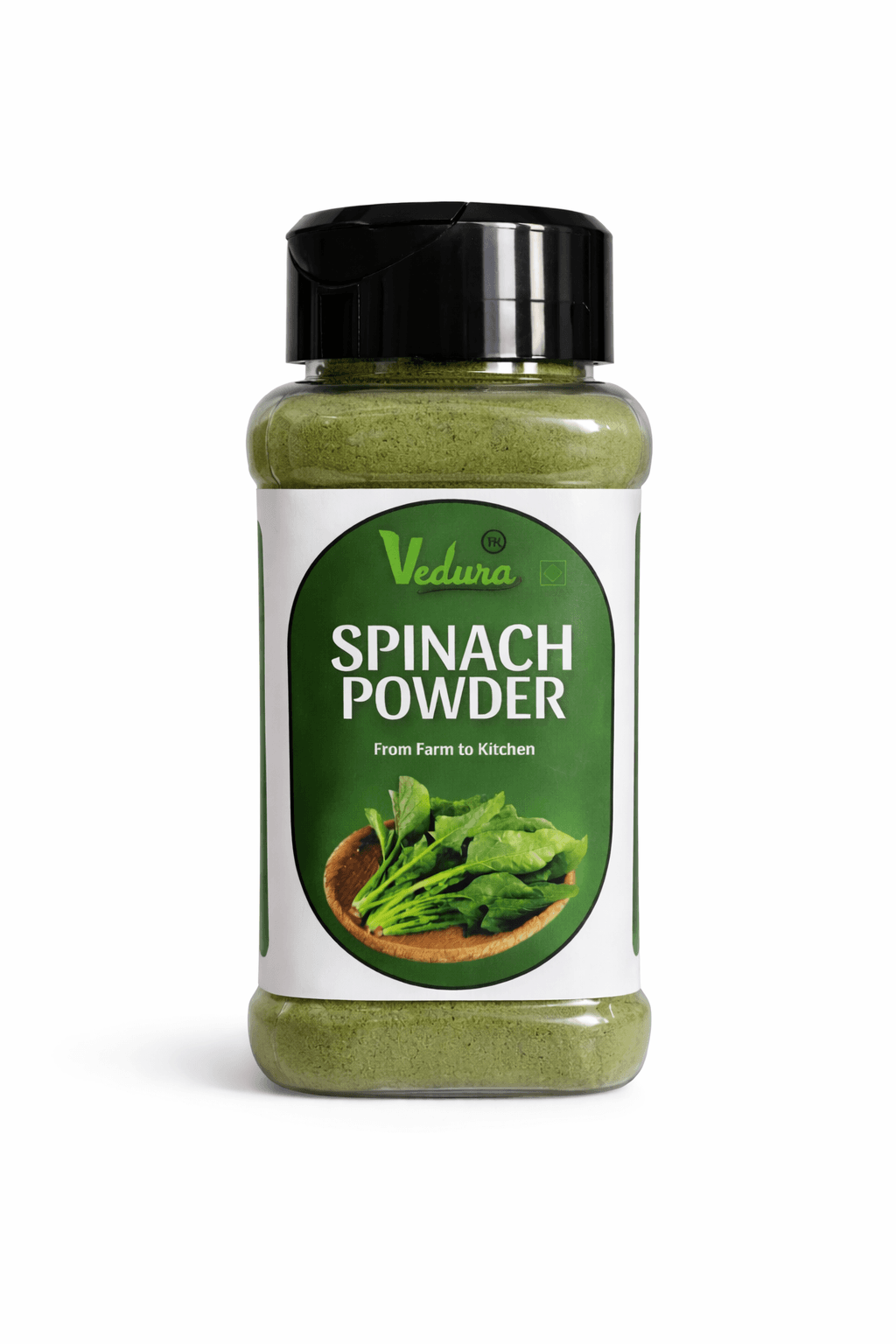
For greens like spinach or moringa, dehydration concentrates their nutrients and flavor, making them convenient additions to meals year-round. However, this extended shelf life is contingent upon maintaining the dehydrated state. Any reintroduction of moisture, heat, or light can compromise the powder's integrity and accelerate degradation.
| Attribute | Good Product | Signs of Spoilage | |---------------|-----------------------------------------------|-------------------------------------------------------| | **Smell** | Fresh, earthy, characteristic of the green. | Musty, sour, fishy, or unusually pungent odor. | | **Color** | Vibrant green (though slightly muted from fresh). | Dull, brownish, yellowish, or faded green. | | **Texture** | Fine, dry, free-flowing powder. | Clumpy, sticky, hard lumps; presence of visible mold. | | **Taste** | Mildly grassy, slightly bitter (natural). | Rancid, metallic, excessively bitter, or sour. |
Quick Summary
To maximize the shelf life of dehydrated greens powder, store it in an airtight container in a cool, dark, and dry place, away from direct sunlight and humidity. Moisture is the primary enemy, as it can reactivate dormant microbes and lead to spoilage. Properly stored, these powders can last 12-24 months, retaining their nutritional value and flavor.
The Science of Dehydration and Shelf Life
Dehydration is an ancient and effective method of food preservation that significantly extends shelf life by removing moisture. When water content is reduced to very low levels (typically below 10%), it inhibits the growth of bacteria, yeasts, and molds, which require water to thrive. This process essentially puts microbial activity on hold, preventing spoilage that would occur rapidly in fresh produce.
For greens like spinach or moringa, dehydration concentrates their nutrients and flavor, making them convenient additions to meals year-round. However, this extended shelf life is contingent upon maintaining the dehydrated state. Any reintroduction of moisture, heat, or light can compromise the powder's integrity and accelerate degradation.
Enemies of Dehydrated Greens Powder
While dehydration is robust, certain environmental factors can quickly undo its benefits, leading to spoilage or significant loss of quality.
Moisture: The Arch-Nemesis
Moisture is the single greatest threat to dehydrated greens powder. Even small amounts of humidity or condensation can be absorbed by the powder, raising its water activity. Once the water activity crosses a certain threshold, dormant spoilage microorganisms can reactivate, leading to mold growth, bacterial contamination, and fermentation. This not only makes the powder unsafe but also ruins its texture and flavor. The Food Safety and Standards Authority of India (FSSAI) guidelines consistently emphasize moisture control as critical for dry food products.
Light and Heat: Degradation Accelerators
Exposure to light, especially direct sunlight, can degrade heat-sensitive vitamins (like Vitamin A and some B vitamins) and chlorophyll, causing the powder to lose its vibrant green color and nutritional potency. Heat, similarly, can accelerate chemical reactions like oxidation, leading to nutrient loss and off-flavors. Storing greens powder near a stove, oven, or sunny window is a surefire way to shorten its life.
Oxygen: The Silent Spoiler
Oxygen can cause oxidation of fats and other compounds present in the greens powder, leading to rancidity. This is particularly true for powders made from greens that contain natural oils. Oxidation results in unpleasant odors, bitter tastes, and a reduction in beneficial compounds. While greens powders generally have low fat content compared to nuts or seeds, prolonged oxygen exposure can still impact flavor and quality over time.
Best Practices for Optimal Storage
Implementing a few simple storage habits can make a significant difference in how long your dehydrated greens powder remains fresh and potent.
Airtight Containers are Non-Negotiable
To combat moisture and oxygen, an airtight container is paramount. Glass jars with tight-sealing lids, opaque Mylar bags, or vacuum-sealed bags are excellent choices. Avoid storing in their original packaging if it's not resealable or air-tight, especially after opening. For instance, Vedura Foods' dehydrated-spinach-powder is packed to ensure initial freshness, but transferring to a robust airtight container after opening is a wise step for long-term storage.
Cool, Dark, and Dry Environment
* Cool: A consistent temperature is ideal. A pantry, cupboard, or kitchen cabinet away from heat sources (like ovens, stoves, or dishwashers) is best. Room temperature (20-25°C) is generally acceptable, but cooler is often better for nutrient retention.
* Dark: Store powders in opaque containers or inside a dark cabinet to protect them from light-induced degradation. If using clear glass jars, ensure they are stored in a dark place.
* Dry: This reinforces the need for airtight containers. Avoid storing in areas prone to humidity, such as above the sink or near a window where condensation might form.
Avoiding Cross-Contamination
Always use clean, dry spoons or scoops when taking powder from the container. Introducing moisture from a wet spoon or foreign particles can contaminate the entire batch and accelerate spoilage. Reseal the container immediately after use.
Expected Shelf Life and Signs of Spoilage
Understanding when your powder is past its prime is crucial for both safety and enjoyment.
Typical Shelf Life
When stored correctly under optimal conditions (airtight, cool, dark, dry), high-quality dehydrated greens powders can typically last for 12 to 24 months from the date of manufacture. While they may still be safe to consume past this period, their potency, flavor, and color might diminish.
Recognizing Spoilage
Here's a guide to identifying when your dehydrated greens powder might have gone bad:
| Attribute | Good Product | Signs of Spoilage |
|---------------|-----------------------------------------------|-------------------------------------------------------|
| Smell | Fresh, earthy, characteristic of the green. | Musty, sour, fishy, or unusually pungent odor. |
| Color | Vibrant green (though slightly muted from fresh). | Dull, brownish, yellowish, or faded green. |
| Texture | Fine, dry, free-flowing powder. | Clumpy, sticky, hard lumps; presence of visible mold. |
| Taste | Mildly grassy, slightly bitter (natural). | Rancid, metallic, excessively bitter, or sour. |
If you notice any of these signs, it's best to err on the side of caution and discard the powder. The Indian Council of Medical Research - National Institute of Nutrition (ICMR-NIN) consistently advises against consuming food products showing clear signs of spoilage to prevent foodborne illnesses.
Vedura's Commitment to Quality
At Vedura Foods, we understand the importance of preserving the natural goodness of Indian produce. Our dehydration process is carefully controlled to ensure maximum nutrient retention and extended shelf life for products like our dehydrated spinach powder. We encourage all our customers to follow these simple storage best practices to enjoy the full benefits of our natural greens powders for as long as possible. By prioritizing proper storage, you not only preserve the quality of the product but also respect the effort that goes into bringing these nutritious ingredients from farm to your kitchen.
FAQs
Q: Can I store dehydrated greens powder in the refrigerator?
A: While a refrigerator is cool, it often has high humidity, which can introduce moisture to your greens powder. This can lead to clumping and spoilage. A cool, dry pantry or cabinet is generally a better storage location than the refrigerator.
Q: What is the best type of container for greens powder?
A: Opaque, airtight containers made of glass or food-grade plastic are ideal. Mylar bags or vacuum-sealed bags also work very well for blocking light, air, and moisture, offering superior long-term protection.
Q: How do I know if my greens powder has gone bad?
A: Look for changes in smell (musty, sour), color (dull brown/yellow), and texture (clumps, stickiness, or visible mold). If the powder tastes off or rancid, it has likely spoiled and should not be consumed.
Q: Does freezing extend the shelf life of greens powder?
A: Freezing can extend shelf life, but it's not typically necessary for dehydrated powders if stored correctly at room temperature. If you do freeze, ensure the powder is in a truly airtight and moisture-proof container to prevent freezer burn and condensation upon thawing.
Q: Can I use greens powder past its best-by date?
A: A best-by date indicates peak quality, not necessarily expiration. If the powder has been stored optimally and shows no signs of spoilage (odor, color, texture changes), it might still be safe to use, though its nutritional potency and flavor might be reduced. Always trust your senses.
Q: What nutrients are most affected by improper storage?
A: Vitamins, particularly fat-soluble vitamins like A and E, and water-soluble vitamins like B vitamins and Vitamin C, are susceptible to degradation from light, heat, and oxygen. Phytonutrients and antioxidants can also diminish, reducing the overall health benefits of the powder.
Explore topics
Continue your Vedura journey
Explore product pages, practical recipes, and research-led explainers connected to this topic.
Comments
Be the first to comment.