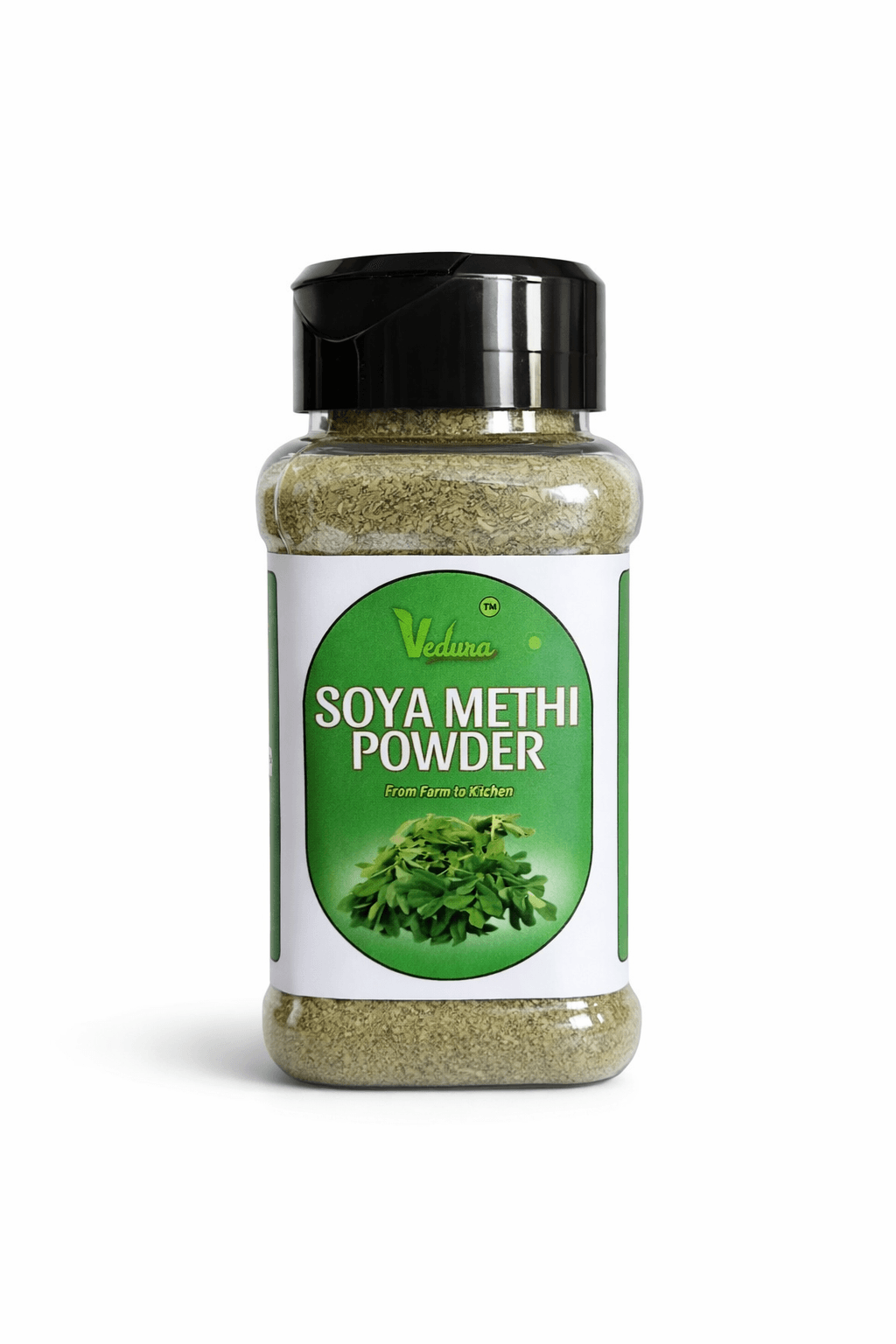

For instance, adding a spoonful of Vedura's Dehydrated Soya Methi Powder (https://www.vedurafoods.com/product/dehydrated-soya-methi-powder) to your besan or moong dal batter not only introduces high-quality plant-based protein from soya but also the distinct flavor and health benefits of methi. Methi is known for its digestive properties and rich iron content. Similarly, a dash of our natural spice powders can elevate the taste of your savory breakfasts while adding their inherent health benefits. These powders are a practical way to ensure a consistent intake of micronutrients and protein, especially when time is short. The Food Safety and Standards Authority of India (FSSAI) encourages the consumption of nutrient-dense foods, and integrating such natural powders is a smart step towards achieving this.
| Breakfast Item | Primary Protein Source | Estimated Protein (per serving) | Prep Time (Traditional) | Prep Time (Vedura Boosted) | | :---------------------- | :--------------------- | :------------------------------ | :---------------------- | :------------------------- | | Besan Chilla | Besan (chickpea flour) | 8-10g | 15-20 mins | 10-15 mins | | Moong Dal Cheela | Moong Dal | 10-12g | 20-25 mins | 15-20 mins | | Sattu Drink (Savory) | Sattu (roasted gram) | 7-9g | 5-10 mins | 3-7 mins |
Quick Summary
Starting your day with a protein-rich breakfast is crucial for sustained energy and overall well-being. This post explores delicious and easy-to-make high-protein Indian breakfast options like besan chilla, moong dal cheela, and sattu, demonstrating how they can be enhanced with natural ingredients and Vedura's quality spice and greens powders for added nutrition and convenience.
Why Protein Matters for Your Morning
In the diverse landscape of Indian cuisine, breakfast often leans towards carbohydrates, providing quick energy but sometimes leaving us hungry sooner. Incorporating sufficient protein into your morning meal is a game-changer for sustained energy, satiety, and muscle health. Protein helps regulate blood sugar levels, preventing the mid-morning slump often associated with carb-heavy meals. According to the Indian Council of Medical Research - National Institute of Nutrition (ICMR-NIN) Hyderabad, the recommended dietary allowance for protein for an average Indian adult is approximately 0.8 to 1 gram per kilogram of body weight per day. A protein-rich breakfast sets a strong foundation to meet these daily requirements, ensuring you feel fuller for longer and maintain better focus throughout your day.
Traditional Indian Breakfasts, Reimagined for Protein
Many beloved Indian breakfast items inherently offer a good base of protein, especially those made from lentils and pulses. With a few thoughtful additions, their protein content can be significantly boosted.
Besan Chilla: The Savory Pancake
Besan chilla, made from chickpea flour (besan), is a popular and versatile breakfast. Chickpea flour itself is a good source of plant-based protein. To elevate its protein profile, you can finely grate or chop vegetables like spinach, fenugreek leaves (methi), and even add crumbled paneer or tofu to the batter. These additions not only boost protein but also introduce essential vitamins and minerals, making your chilla a complete meal. A chilla fortified with extra vegetables and protein sources becomes a wholesome start to any day.
Moong Dal Cheela/Dosa: Light and Nutritious
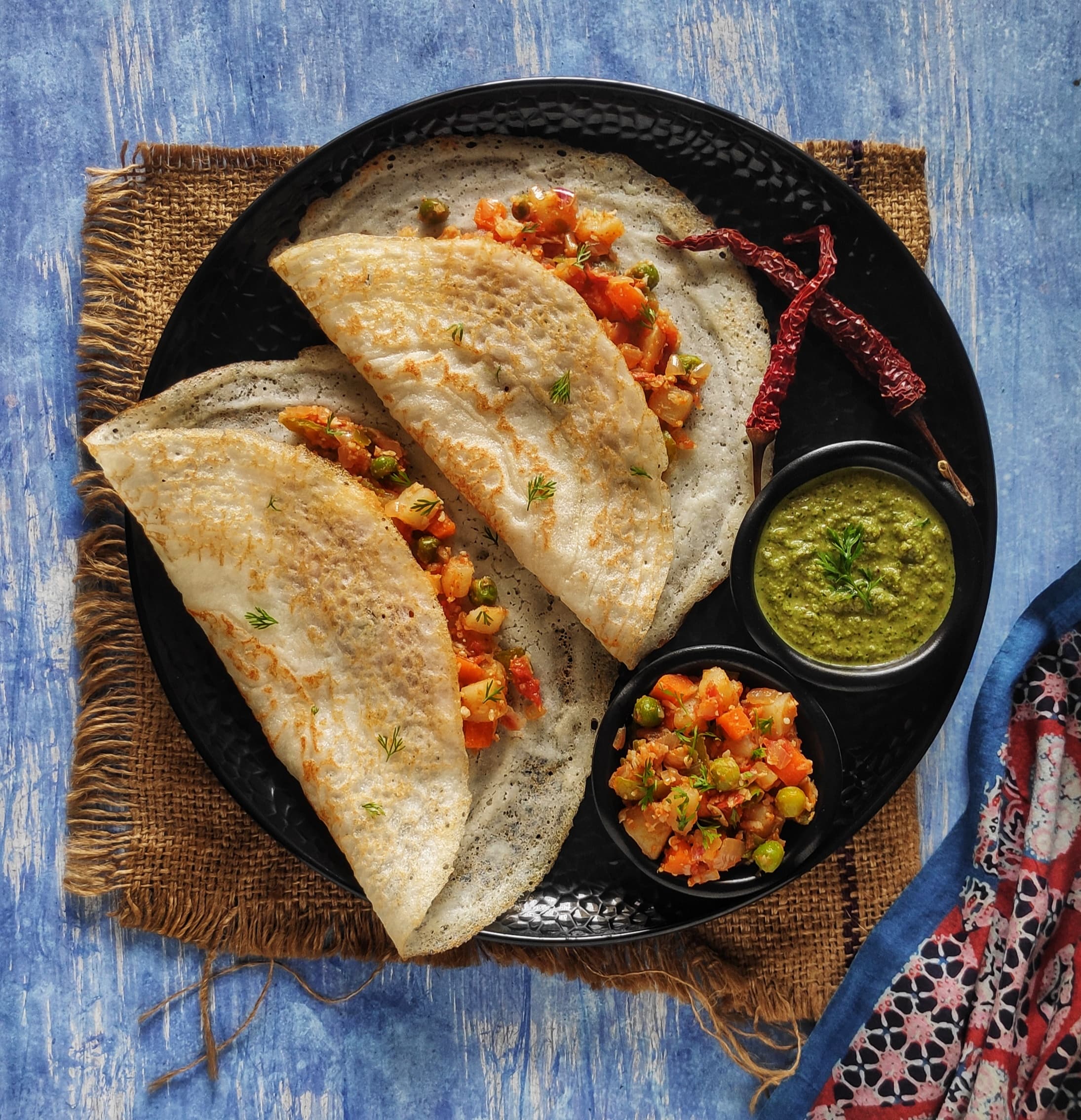
Moong dal (split green gram) is another excellent protein source, known for its easy digestibility. Moong dal cheela or dosa, made from a soaked and ground moong dal batter, offers a light yet nutritious option. The protein content can be amplified by stuffing the cheela with a mixture of grated paneer, spiced sprouts, or a savory filling made with Vedura's dehydrated soya methi powder. This powder, available at https://www.vedurafoods.com/product/dehydrated-soya-methi-powder, not only adds plant-based protein from soya but also the distinct flavor and nutritional benefits of methi, turning a simple cheela into a powerhouse meal.
Sattu: The Powerhouse Drink
Originating from the eastern parts of India, particularly Bihar and Jharkhand, sattu is flour made from roasted gram (chana dal). It's a naturally high-protein, high-fiber, and energy-dense food. Sattu can be consumed as a refreshing drink (sharbat) or used to make savory dishes. For a quick protein boost, mix sattu with water, a pinch of black salt, roasted cumin powder, and a squeeze of lemon for a savory version, or with milk/water and jaggery for a sweet one. Its quick preparation and high nutritional value make it an ideal choice for busy mornings.
Boosting Your Breakfast with Vedura's Natural Powders
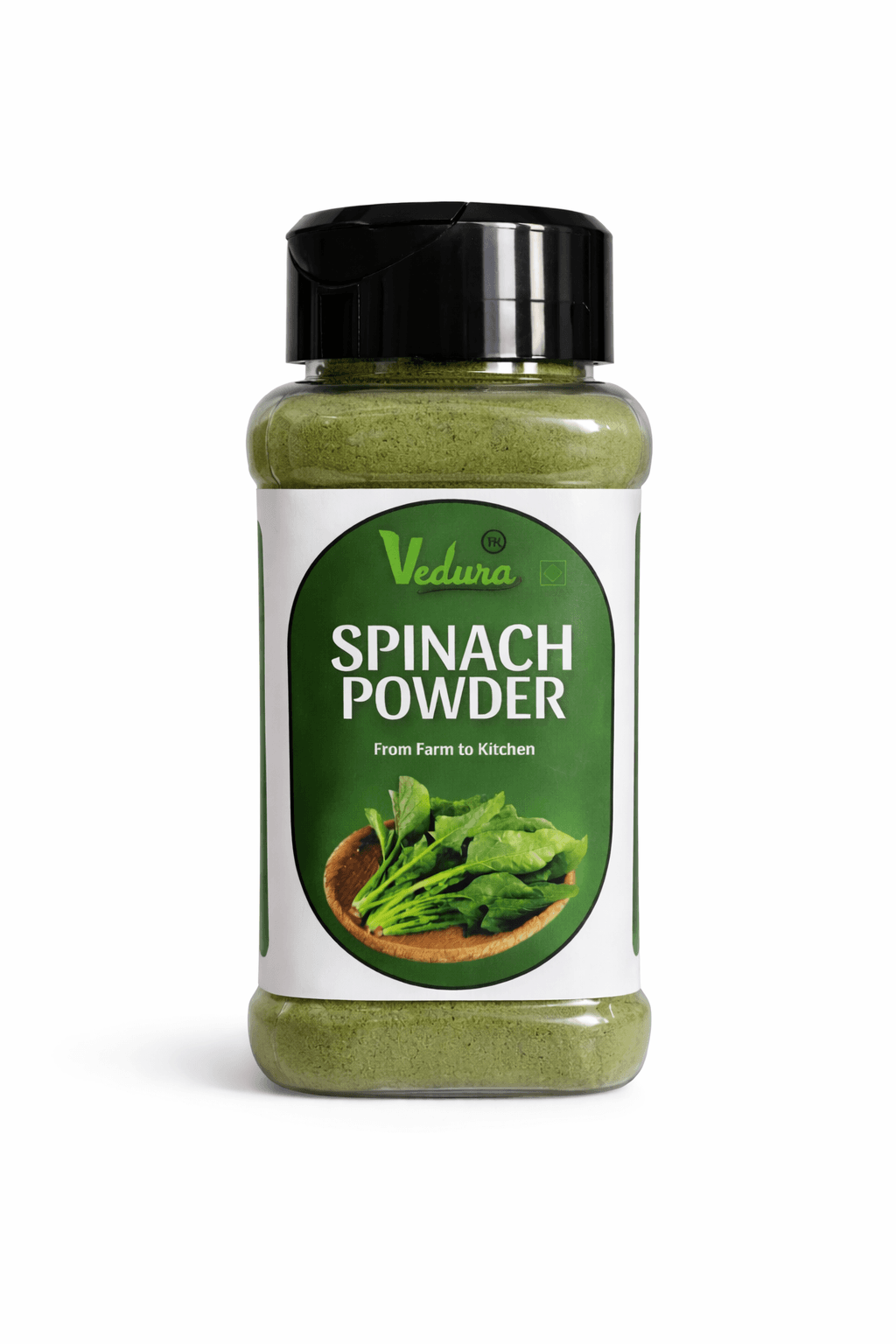
Vedura Foods specialises in natural Indian food, including spices and dehydrated greens, which can be seamlessly integrated into your breakfast routine to enhance both flavor and nutrition. Our dehydrated powders retain the essential nutrients of fresh produce, making it convenient to add them to your meals without the hassle of chopping or extensive preparation.
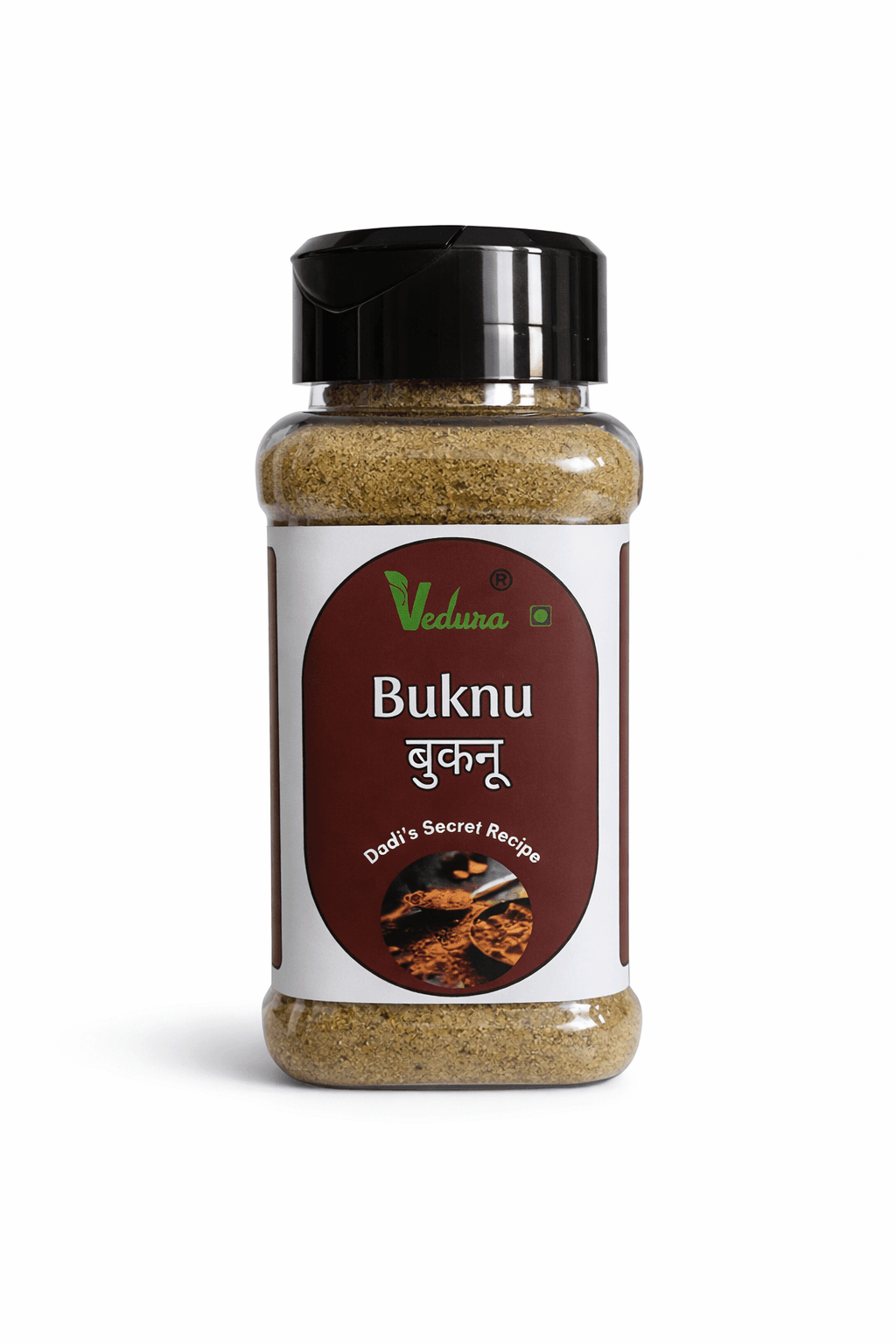
For instance, adding a spoonful of Vedura's Dehydrated Soya Methi Powder (https://www.vedurafoods.com/product/dehydrated-soya-methi-powder) to your besan or moong dal batter not only introduces high-quality plant-based protein from soya but also the distinct flavor and health benefits of methi. Methi is known for its digestive properties and rich iron content. Similarly, a dash of our natural spice powders can elevate the taste of your savory breakfasts while adding their inherent health benefits. These powders are a practical way to ensure a consistent intake of micronutrients and protein, especially when time is short. The Food Safety and Standards Authority of India (FSSAI) encourages the consumption of nutrient-dense foods, and integrating such natural powders is a smart step towards achieving this.
| Breakfast Item | Primary Protein Source | Estimated Protein (per serving) | Prep Time (Traditional) | Prep Time (Vedura Boosted) |
| :---------------------- | :--------------------- | :------------------------------ | :---------------------- | :------------------------- |
| Besan Chilla | Besan (chickpea flour) | 8-10g | 15-20 mins | 10-15 mins |
| Moong Dal Cheela | Moong Dal | 10-12g | 20-25 mins | 15-20 mins |
| Sattu Drink (Savory) | Sattu (roasted gram) | 7-9g | 5-10 mins | 3-7 mins |
Quick & Convenient Protein-Rich Breakfast Hacks
Making protein-rich breakfasts doesn't have to be a time-consuming affair. Here are a few hacks to simplify your morning routine:
* Batch Prepare Batters: Make a large batch of besan or moong dal batter over the weekend and store it in the refrigerator for up to 2-3 days. This significantly cuts down on daily prep time.
* Pre-chop Vegetables: Chop and store vegetables like onions, capsicum, and greens in airtight containers. Add them directly to your chilla or cheela batter as needed.
* Instant Protein Boosters: Keep Vedura's dehydrated greens and spice powders handy. A spoonful can instantly elevate the nutritional profile of your breakfast without any extra effort. For example, add a scoop of Dehydrated Soya Methi Powder to your paratha dough or bhurji.
* Overnight Soaking: If making sprouted moong dal, soak the dal overnight. It will be ready to sprout or grind in the morning.
* Sattu on the Go: Sattu powder mixed with water and a few spices can be prepared in under two minutes, making it the ultimate quick protein drink for busy mornings.
FAQs
Q: What are the best plant-based protein sources for Indian breakfasts?
A: Excellent plant-based protein sources for Indian breakfasts include various dals (lentils) like moong dal, masoor dal, and chana dal (besan), along with paneer, tofu, and sattu. Legumes, nuts, and seeds also offer significant protein. Incorporating a variety of these ensures a complete amino acid profile.
Q: How can I increase the protein in my daily breakfast?
A: To boost breakfast protein, add lentils to batters, include paneer or tofu in fillings, incorporate eggs if you consume them, or mix in seeds like chia or flax. Using protein-rich flours like besan or sattu, and supplementing with dehydrated protein powders like Vedura's Dehydrated Soya Methi, are also effective strategies.
Q: Is sattu suitable for weight loss?
A: Yes, sattu can be very beneficial for weight loss. Its high protein and fiber content promote satiety, reducing overall calorie intake. The fiber also aids digestion and metabolism, making it an excellent addition to a weight management diet when consumed as part of a balanced meal plan.
Q: Are these high-protein breakfasts good for children?
A: Absolutely. Protein is vital for children's growth and development. These breakfasts, being culturally familiar and packed with nutrients, are excellent choices. Ensure to balance flavors and textures to suit children's palates, perhaps making chillas in fun shapes or adding milder spices.
Q: Where can I find good quality sattu?
A: Good quality sattu is typically available at most Indian grocery stores, organic food shops, and increasingly online. Look for sattu made from pure roasted gram, without added preservatives or artificial flavors. Reputable brands like Vedura Foods often stock quality, natural ingredients.
Q: How much protein should an average Indian adult consume daily?
A: As per ICMR-NIN guidelines, an average Indian adult should aim for approximately 0.8 to 1 gram of protein per kilogram of their ideal body weight daily. For example, a person weighing 60 kg would need around 48-60 grams of protein, distributed across meals. Individual needs may vary based on activity level and health conditions.
Explore topics
Continue your Vedura journey
Explore product pages, practical recipes, and research-led explainers connected to this topic.
Comments
Be the first to comment.