Ghee, or clarified butter, is a venerable staple in Indian households, revered for its distinct flavor, high smoke point, and numerous health benefits. Beyond its culinary versatility, ghee holds deep cultural and Ayurvedic significance, making it a golden thread in the fabric of traditional Indian cuisine and wellness.
Ghee is essentially unsalted butter that has been simmered gently to remove milk solids and water, leaving behind a pure, golden fat with a nutty aroma. This process of clarification not only extends its shelf life but also enhances its flavor and nutritional profile. In India, ghee is more than just a cooking fat; it's a symbol of purity, prosperity, and health, deeply embedded in religious rituals, festivals, and daily meals.
Quick Summary
Ghee, or clarified butter, is a venerable staple in Indian households, revered for its distinct flavor, high smoke point, and numerous health benefits. Beyond its culinary versatility, ghee holds deep cultural and Ayurvedic significance, making it a golden thread in the fabric of traditional Indian cuisine and wellness.
What is Ghee and Why is it Essential to Indian Cuisine?
Ghee is essentially unsalted butter that has been simmered gently to remove milk solids and water, leaving behind a pure, golden fat with a nutty aroma. This process of clarification not only extends its shelf life but also enhances its flavor and nutritional profile. In India, ghee is more than just a cooking fat; it's a symbol of purity, prosperity, and health, deeply embedded in religious rituals, festivals, and daily meals.
Traditionally, ghee is made from cow's milk butter, often churned at home from dahi (yogurt) or malai (cream). The slow cooking process caramelises the milk solids slightly, imparting a unique, rich taste that cannot be replicated by other fats. This distinctive flavour is fundamental to many regional Indian dishes, from tempering dals to enriching biryanis and laddoos.
The Cultural Significance
From ancient Vedic texts that refer to ghee as a sacred offering to its role in Ayurvedic medicine as a healing agent, its importance transcends the kitchen. It's offered to deities, used in lamps, and is considered sattvic, promoting purity and well-being. This cultural grounding makes ghee an integral part of the Indian identity, passed down through generations.
The Nutritional Powerhouse: Ghee's Health Benefits
Often misunderstood in the era of low-fat trends, ghee is, in fact, a source of healthy fats and essential nutrients. The National Institute of Nutrition (ICMR-NIN) in Hyderabad has often highlighted the nutritional value of traditional Indian foods, including ghee, when consumed in moderation.
Rich in Healthy Fats
Ghee is primarily composed of saturated fats, but it also contains significant amounts of monounsaturated and polyunsaturated fats. A notable component is Conjugated Linoleic Acid (CLA), a fatty acid that some studies suggest may have anti-inflammatory and anti-cancer properties. It's also rich in butyrate, a short-chain fatty acid that supports gut health and aids digestion.
Source of Fat-Soluble Vitamins
Being a dairy product, ghee is an excellent source of fat-soluble vitamins A, D, E, and K. Vitamin A is crucial for vision and immune function, Vitamin D for bone health, Vitamin E for its antioxidant properties, and Vitamin K plays a role in blood clotting and bone metabolism. These vitamins are vital for overall bodily functions and are readily absorbed when consumed with fat.
High Smoke Point
One of ghee's most practical benefits is its high smoke point, typically between 230-250°C (450-485°F). This makes it ideal for high-heat cooking methods like frying, sautéing, and roasting, as it resists breaking down into harmful free radicals, unlike many other cooking oils. This stability helps preserve the nutritional integrity of the food you cook.
Ghee in Your Kitchen: Culinary Versatility with Vedura
Ghee's distinct aroma and flavour make it indispensable in the Indian kitchen. It elevates simple dishes and adds depth to complex ones. Here are a few ways to incorporate ghee into your cooking, perfectly complementing Vedura's range of natural spices and dehydrated greens:
* Tempering (Tadka): The quintessential use! Heating ghee and then adding whole spices like cumin seeds, mustard seeds, and curry leaves creates an aromatic tempering that is poured over dals, curries, and vegetables. Imagine the richness of a simple dal enhanced by ghee-tempered Vedura Cumin Powder and a pinch of Asafoetida.
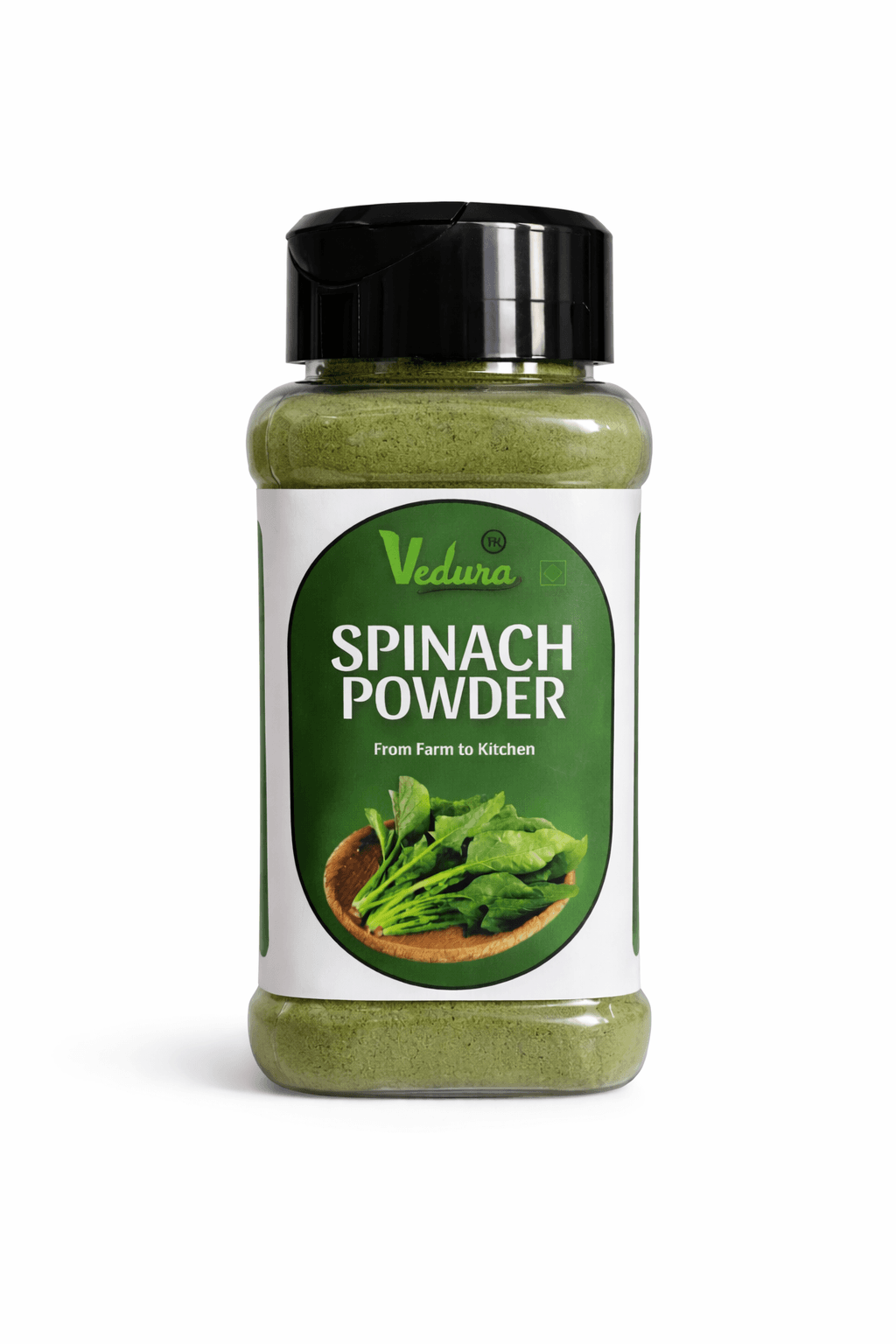
* Roasting Vegetables: Toss Vedura Dehydrated Spinach or Fenugreek leaves with a drizzle of ghee and a sprinkle of Vedura Garam Masala before roasting. The ghee helps in even browning and infuses the greens with a delectable, earthy flavour.
* Baking: Replace butter with ghee in traditional Indian sweets like halwa, barfi, or even Western bakes for a healthier, nuttier flavour profile. It lends a wonderful texture and aroma.
* As a Finishing Touch: A spoonful of ghee melted over hot rice, khichdi, or a paratha adds a luxurious flavour and aids digestion. Pair it with a sprinkle of Vedura's Black Pepper Powder for an extra kick and digestive aid.
* Sautéing: From onions and ginger-garlic paste to paneer and chicken, sautéing in ghee adds an unparalleled depth of flavour. It's perfect for building the base of any robust Indian curry.
Demystifying Ghee: Quality, Myths, and Practical Tips
With ghee's rising popularity, it's essential to understand how to choose quality products and dispel common misconceptions.
Identifying Quality Ghee
Pure ghee should have a granular texture, a golden-yellow colour (if from cow's milk), and a distinct, rich aroma. It should solidify at room temperature in cooler climates. FSSAI (Food Safety and Standards Authority of India) provides guidelines for the quality and purity of ghee sold commercially, ensuring consumers receive authentic products. Always look for FSSAI-approved labels.
Common Myths Debunked
* Ghee is unhealthy due to saturated fat: While high in saturated fat, it's the *type* of fat that matters. Ghee contains healthy short-chain fatty acids and fat-soluble vitamins, offering health benefits when consumed in moderation as part of a balanced diet. It's better than highly processed vegetable oils for high-heat cooking.
* Ghee causes weight gain: Any fat consumed in excess can lead to weight gain. However, ghee, in appropriate amounts, can actually aid satiety and provide sustained energy, potentially helping with weight management as part of a mindful diet.
* Lactose intolerant individuals cannot consume ghee: Since ghee is clarified, the milk solids (which contain lactose) are largely removed during its preparation. This makes it generally safe for most individuals with lactose intolerance, although those with severe allergies should exercise caution.
FAQs
Q: Is ghee better than butter for cooking?
A: Ghee has a higher smoke point than butter, meaning it can withstand higher temperatures without burning or producing harmful compounds. This makes it a superior choice for frying, sautéing, and other high-heat cooking methods. Additionally, ghee is virtually lactose-free, making it more digestible for many people than butter.
Q: How much ghee should I consume daily?
A: For a healthy adult, 1-2 teaspoons (around 5-10 ml) of ghee per day is generally considered beneficial when incorporated into a balanced diet. This amount allows you to reap its nutritional benefits without excessive calorie intake. Always consult a nutritionist for personalized dietary advice.
Q: Can ghee aid digestion?
A: Yes, ghee is traditionally known for its digestive benefits. It contains butyrate, a short-chain fatty acid that nourishes gut cells and promotes a healthy digestive tract. It can help lubricate the intestines and support the absorption of fat-soluble vitamins from other foods.
Q: What is the shelf life of ghee?
A: Ghee has an excellent shelf life due to the removal of water and milk solids, which are prone to spoilage. When stored in an airtight container in a cool, dark place, it can last for 6-12 months, or even longer. Refrigeration is not strictly necessary but can extend its freshness, especially in humid climates.
Q: Can ghee be used for skincare or hair care?
A: Beyond its culinary uses, ghee has been traditionally applied topically in Ayurveda for its moisturizing and healing properties. It can be used as a natural moisturizer for dry skin, chapped lips, or even as a hair conditioner to add shine and reduce dryness. Its nourishing qualities make it a versatile natural remedy.
Explore topics
Continue your Vedura journey
Explore product pages, practical recipes, and research-led explainers connected to this topic.
Comments
Be the first to comment.