
| Feature | Buknu | Chaat Masala | | :---------------- | :------------------------------------------------- | :------------------------------------------------- | | **Origin** | Primarily Uttar Pradesh (Kanpur-Lucknow belt) | Pan-Indian, particularly street food culture | | **Primary Role** | Digestive aid, warming blend, subtle flavour | Flavour enhancer, tangy, piquant, appetising | | **Flavour Profile** | Earthy, warming, subtly bitter, complex, aromatic | Sour, salty, tangy, spicy, pungent, refreshing | | **Key Ingredients** | Cumin, coriander, fenugreek, ajwain, saunth, pippali, lentils, grains, black salt (optional) | Black salt, amchur, cumin powder, coriander powder, black pepper, red chilli powder | | **Texture** | Often coarser, sometimes contains ground lentils | Finer powder | | **When to Use** | With meals (rice, dal, sabzi), especially in winter | Sprinkled over snacks, fruits, salads, drinks | | **Digestive Impact** | Aids digestion, reduces bloating, warms body | Stimulates appetite, adds zest, can be acidic in large quantities | | **Heritage** | Traditional, home-made, regional specialty | Widespread, commercial, versatile snack seasoning |
Conversely, if you want to add an immediate tangy, spicy, and savoury kick to snacks, fruits, beverages, or even a finishing touch to a lively curry, Chaat Masala is your go-to. Its vibrant profile is designed to awaken the palate and provide an instant burst of flavour, making it perfect for appetisers and light bites. Understanding these distinctions ensures you harness the full potential of each unique Indian spice blend.
Quick Summary
Indian cuisine is renowned for its diverse spice blends, each with a unique purpose and flavour. Buknu and Chaat Masala are two such popular blends, often confused but serving distinct roles. While Chaat Masala is celebrated for its tangy, piquant taste in street food, Buknu is a heritage digestive blend, traditionally consumed for its therapeutic properties and earthy flavour.
The Legacy of Indian Spice Blends
The art of blending spices is deeply ingrained in India's culinary and cultural fabric. From the intricate garam masalas that define regional curries to the simple `tadka` (tempering) that elevates dal, each blend tells a story of local produce, historical influences, and traditional wisdom. These masalas are not merely flavour enhancers; many, like Buknu, have been crafted over centuries with an understanding of their medicinal and digestive properties, passed down through generations.
Buknu: A Heritage Digestive Blend
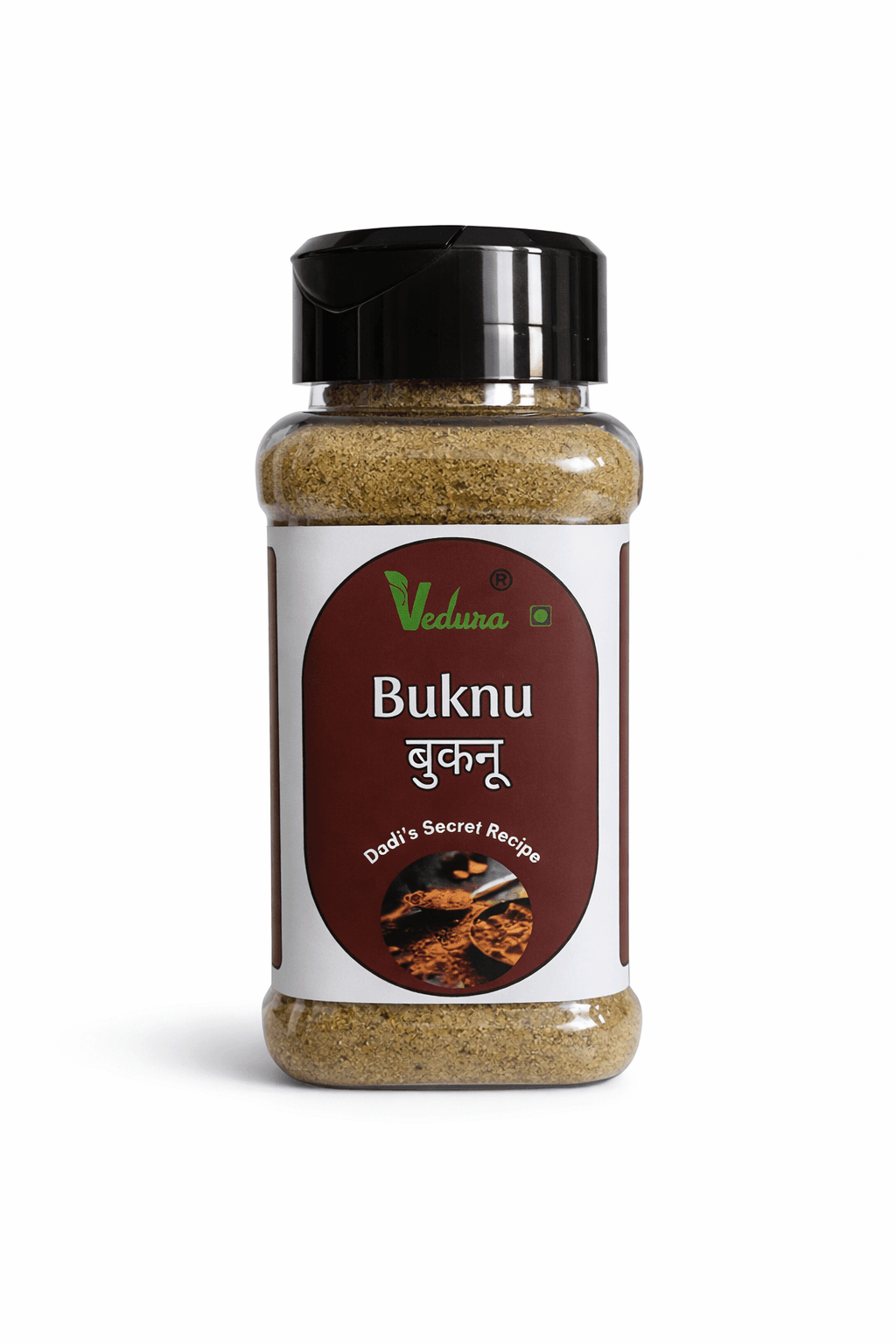
Hailing primarily from Uttar Pradesh, particularly the Kanpur-Lucknow belt, Buknu is a lesser-known but historically significant spice blend. It's often prepared in homes during cooler months and valued for its digestive qualities, making it a staple in many traditional Indian households. Unlike many contemporary spice blends, Buknu's focus is less on immediate flavour burst and more on a subtle, complex profile that aids digestion and warms the body.
Ingredients and Flavour Profile
The ingredient list for Buknu is extensive and can vary, but common components include a mix of whole spices like cumin, coriander, fenugreek, carom seeds (ajwain), black pepper, cloves, and asafoetida. What sets it apart is the inclusion of lesser-known digestive aids such as dried ginger (saunth), long pepper (pippali), and sometimes even kalonji (nigella seeds) or dry mango powder (amchur). Many traditional Buknu recipes also incorporate lentils or grains, which are roasted and ground, adding to its body and nutritional value. The flavour is earthy, slightly pungent, warming, and subtly bitter, with a distinct aromatic depth.
Traditional Uses and Benefits
Traditionally, Buknu is consumed with meals, sprinkled over hot rice with ghee, mixed into curds, or added to simple vegetable dishes. Its primary purpose, as endorsed by traditional Ayurvedic practices and home remedies, is to aid digestion, alleviate bloating, and improve appetite. "The inclusion of diverse digestive spices in traditional blends like Buknu highlights India's ancient wisdom in food as medicine," notes a culinary historian at a recent food heritage symposium. Vedura Foods' Buknu, made with authentic ingredients, honors this legacy, offering a taste of tradition and well-being. You can explore our heritage blend at https://www.vedurafoods.com/product/buknu.
Chaat Masala: The Tangy Street Food Staple
Chaat Masala, in contrast to Buknu, is a ubiquitous presence across India, synonymous with street food and snack culture. Its name itself, derived from `chaat` (to lick), suggests its role in making dishes irresistibly tangy and flavourful. It’s a blend designed for instant gratification, adding a burst of flavour that excites the palate.
Ingredients and Flavour Profile
The core ingredients of Chaat Masala typically include black salt (kala namak), dry mango powder (amchur), cumin powder, coriander powder, black pepper, and asafoetida. Red chilli powder, mint powder, and sometimes even ginger powder are also common additions. The defining characteristic is its unique `tang` from amchur and `umami` notes from black salt. The flavour profile is distinctly sour, salty, spicy, and tangy, with a pungent aroma that instantly evokes images of bustling street food stalls.
Modern Culinary Applications
Chaat Masala is incredibly versatile in modern Indian kitchens. It’s sprinkled generously over fruit salads, `dahi bhalla`, `aloo tikki`, `pani puri`, and various other snacks. Beyond street food, it's used to season roasted nuts, popcorn, lemonade, and even certain curries or gravies that benefit from a tangy kick. Its ability to instantly lift the flavour of any dish makes it a favourite for quick seasoning.
Head-to-Head: Buknu vs Chaat Masala
Let's outline the key differences between these two iconic Indian spice blends:
| Feature | Buknu | Chaat Masala |
| :---------------- | :------------------------------------------------- | :------------------------------------------------- |
| Origin | Primarily Uttar Pradesh (Kanpur-Lucknow belt) | Pan-Indian, particularly street food culture |
| Primary Role | Digestive aid, warming blend, subtle flavour | Flavour enhancer, tangy, piquant, appetising |
| Flavour Profile | Earthy, warming, subtly bitter, complex, aromatic | Sour, salty, tangy, spicy, pungent, refreshing |
| Key Ingredients | Cumin, coriander, fenugreek, ajwain, saunth, pippali, lentils, grains, black salt (optional) | Black salt, amchur, cumin powder, coriander powder, black pepper, red chilli powder |
| Texture | Often coarser, sometimes contains ground lentils | Finer powder |
| When to Use | With meals (rice, dal, sabzi), especially in winter | Sprinkled over snacks, fruits, salads, drinks |
| Digestive Impact | Aids digestion, reduces bloating, warms body | Stimulates appetite, adds zest, can be acidic in large quantities |
| Heritage | Traditional, home-made, regional specialty | Widespread, commercial, versatile snack seasoning |
Choosing the Right Masala for Your Dish
When deciding between Buknu and Chaat Masala, consider the desired outcome for your dish. If you're looking to imbue a meal with a deep, earthy, warming flavour that also aids digestion, particularly during colder months or for a traditional touch, Buknu is the ideal choice. It complements simple, wholesome foods and adds a layer of nuanced taste. As the Food Safety and Standards Authority of India (FSSAI) emphasizes the importance of understanding ingredients, knowing the traditional uses of such blends can help make informed culinary choices.
Conversely, if you want to add an immediate tangy, spicy, and savoury kick to snacks, fruits, beverages, or even a finishing touch to a lively curry, Chaat Masala is your go-to. Its vibrant profile is designed to awaken the palate and provide an instant burst of flavour, making it perfect for appetisers and light bites. Understanding these distinctions ensures you harness the full potential of each unique Indian spice blend.
FAQs
Q: Can Buknu be used in place of Chaat Masala?
A: While both are spice blends, they have very different flavour profiles and intended uses. Buknu is earthy, warming, and digestive, best for main meals. Chaat Masala is tangy, piquant, and designed for snacks and appetisers. Using Buknu in place of Chaat Masala would result in a completely different, less tangy flavour, and vice-versa.
Q: Is Buknu a healthy spice blend?
A: Yes, Buknu is traditionally considered a healthy blend due to its rich array of digestive spices like ajwain, saunth, and pippali. These ingredients are known in Ayurveda to aid digestion, reduce gas, and improve metabolism. It's often consumed for its therapeutic benefits.
Q: What is the main ingredient that gives Chaat Masala its distinctive tangy taste?
A: The primary ingredient responsible for Chaat Masala's signature tang is `amchur` (dry mango powder). Black salt (kala namak) also contributes significantly to its unique pungent and savoury-sour flavour profile.
Q: Can I make Buknu at home?
A: Yes, Buknu can be made at home, though it involves roasting and grinding a large number of whole spices, and often lentils or grains. Traditional recipes are quite intricate and time-consuming, passed down through families. Many prefer to purchase it from trusted brands like Vedura Foods for convenience and consistency.
Q: Which masala is better for digestion: Buknu or Chaat Masala?
A: Buknu is explicitly formulated as a digestive aid, with a concentration of spices known for their carminative and digestive properties. While Chaat Masala can stimulate appetite due to its tangy profile, its primary role is flavour enhancement for snacks rather than comprehensive digestive support like Buknu.
Explore topics
Continue your Vedura journey
Explore product pages, practical recipes, and research-led explainers connected to this topic.
Comments
Be the first to comment.