
* **Cumin Seeds (Jeera):** Known for their warm, earthy aroma and digestive properties. * **Coriander Seeds (Dhaniya):** Adds a citrusy, sweet note and aids in digestion. * **Black Pepper (Kali Mirch):** Provides pungency and helps stimulate digestive enzymes. * **Long Pepper (Pippali):** A key Ayurvedic ingredient, it offers a unique heat and enhances bioavailability. * **Dried Ginger (Saunth):** A powerful digestive aid, reducing inflammation and aiding nutrient absorption. * **Carom Seeds (Ajwain):** Highly valued for relieving indigestion, bloating, and gas. * **Asafoetida (Hing):** A pungent spice that aids digestion and reduces flatulence. * **Black Salt (Kala Namak):** Imparts a sulphurous, tangy flavour and is a traditional digestive stimulant. * **Other Potential Additions:** Depending on the blend, ingredients like dried mango powder (amchur) for tang, nutmeg (jaiphal) for warmth, or even dried mint leaves can be included. The inclusion of spices like black salt, ajwain (carom seeds), and saunth (dried ginger) aligns with traditional Ayurvedic principles and the nutritional wisdom often highlighted by institutions like the Indian Council of Medical Research - National Institute of Nutrition (ICMR-NIN) for their digestive benefits. Our Vedura Buknu Masala, available at https://www.vedurafoods.com/product/buknu, embodies this tradition, crafted with a precise balance of these natural ingredients to deliver both authentic taste and well-being.
| Feature | Buknu Masala | Chaat Masala | | :---------------- | :------------------------------------------------ | :------------------------------------------------- | | **Origin** | Primarily Kanpur, Uttar Pradesh | Widespread across North India | | **Primary Use** | Digestive aid, seasoning for everyday meals | Snack seasoning, tangy flavour enhancer | | **Key Flavours** | Earthy, pungent, warm, subtly tangy, medicinal | Tangy, sour, spicy, salty, umami | | **Texture** | Coarser grind, often visible spice particles | Finer powder, more uniform | | **Signature Ingredients** | Long pepper, dried ginger, ajwain, black salt | Amchur (dried mango), black salt, cumin, coriander | | **Digestive Focus** | High, formulated for gastric comfort | Present, but secondary to flavour enhancement |
Quick Summary
Buknu Masala is a traditional digestive spice blend originating from Kanpur, Uttar Pradesh, revered for its unique flavour profile and therapeutic properties. Unlike typical spice mixes, Buknu combines a distinct selection of whole spices, black salt, and often dried herbs, slow-roasted and ground to create a coarse powder that aids digestion and enhances the taste of various dishes.
What is Buknu Masala? An Authentic Taste of Uttar Pradesh
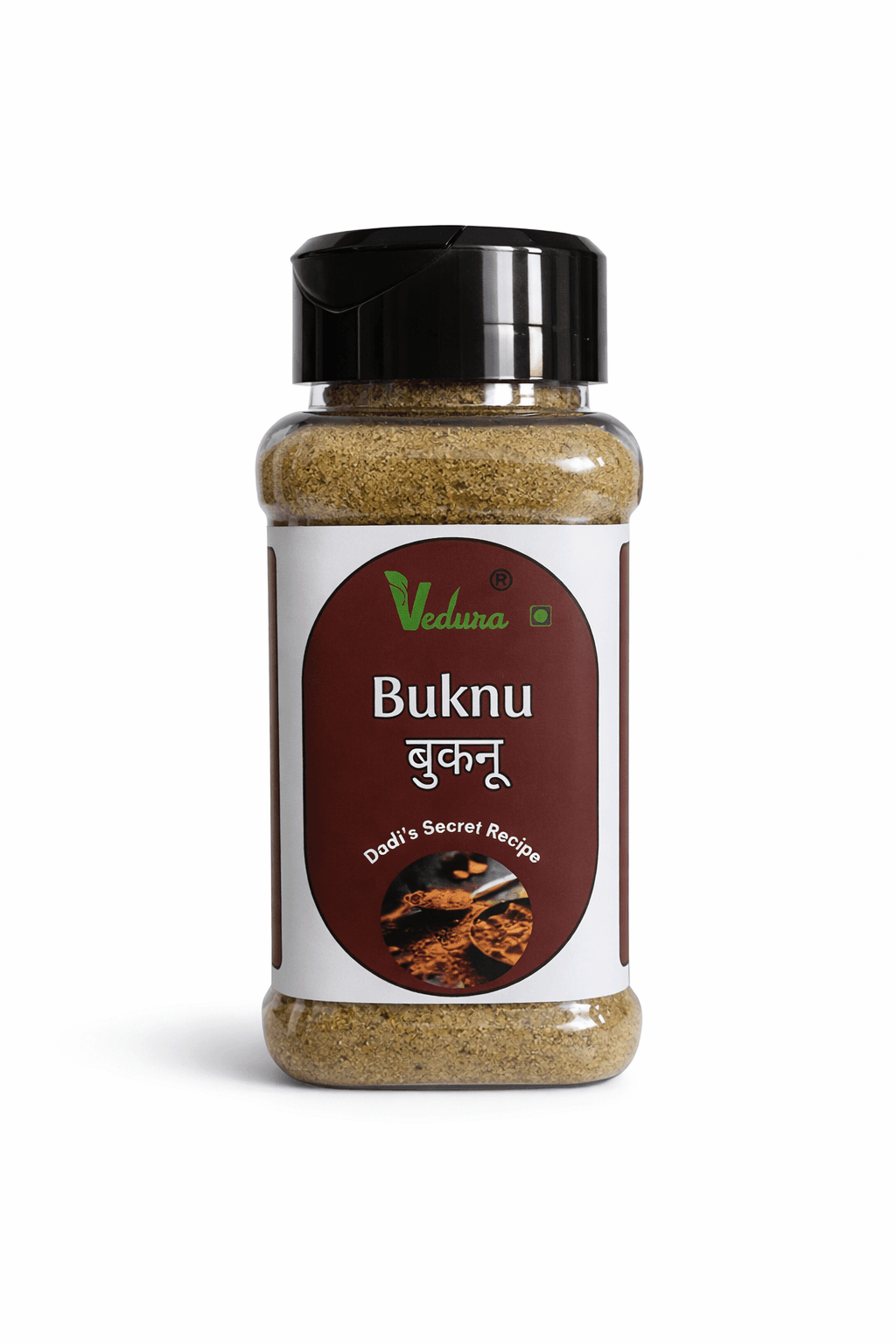
Buknu Masala is a proprietary digestive spice blend originating from Kanpur, Uttar Pradesh, known for its unique coarse texture and robust, earthy flavour. It is primarily used to enhance digestion and add a distinct taste to a variety of Indian dishes, from savoury snacks and drinks to main courses. This regional specialty, deeply rooted in the culinary heritage of Uttar Pradesh, is much more than just a flavour enhancer; it’s a time-honoured remedy for the stomach, passed down through generations. While its exact origins are shrouded in local legend, Buknu's prominence as a household staple in Kanpur and surrounding areas speaks volumes about its enduring appeal. Its coarse grind and blend of pungent, earthy, and slightly tangy spices distinguish it from other Indian masalas, making it an essential component for those seeking authentic North Indian flavours with added digestive benefits. The preparation often involves a laborious process of sun-drying and slow-roasting, ensuring the optimal flavour and potency of each ingredient. Adherence to quality standards, as outlined by the Food Safety and Standards Authority of India (FSSAI), is paramount for such traditional blends, ensuring both safety and authenticity for consumers.
The Secret Ingredients of Buknu Masala
The magic of Buknu Masala lies in its carefully selected array of ingredients, each contributing to its distinctive flavour and digestive efficacy. While specific recipes can vary slightly from one family to another, core components typically include:
* Cumin Seeds (Jeera): Known for their warm, earthy aroma and digestive properties.
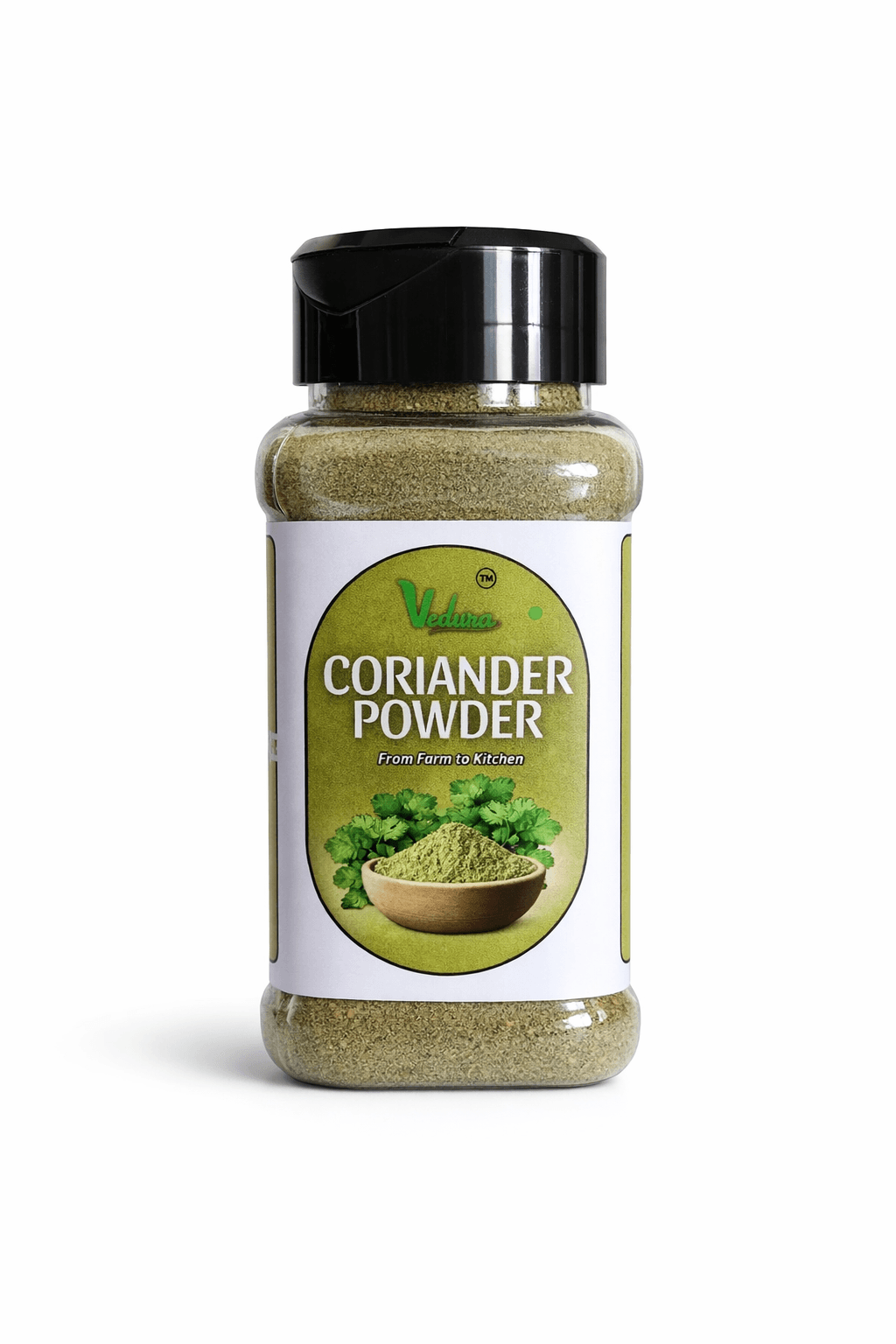
* Coriander Seeds (Dhaniya): Adds a citrusy, sweet note and aids in digestion.
* Black Pepper (Kali Mirch): Provides pungency and helps stimulate digestive enzymes.
* Long Pepper (Pippali): A key Ayurvedic ingredient, it offers a unique heat and enhances bioavailability.
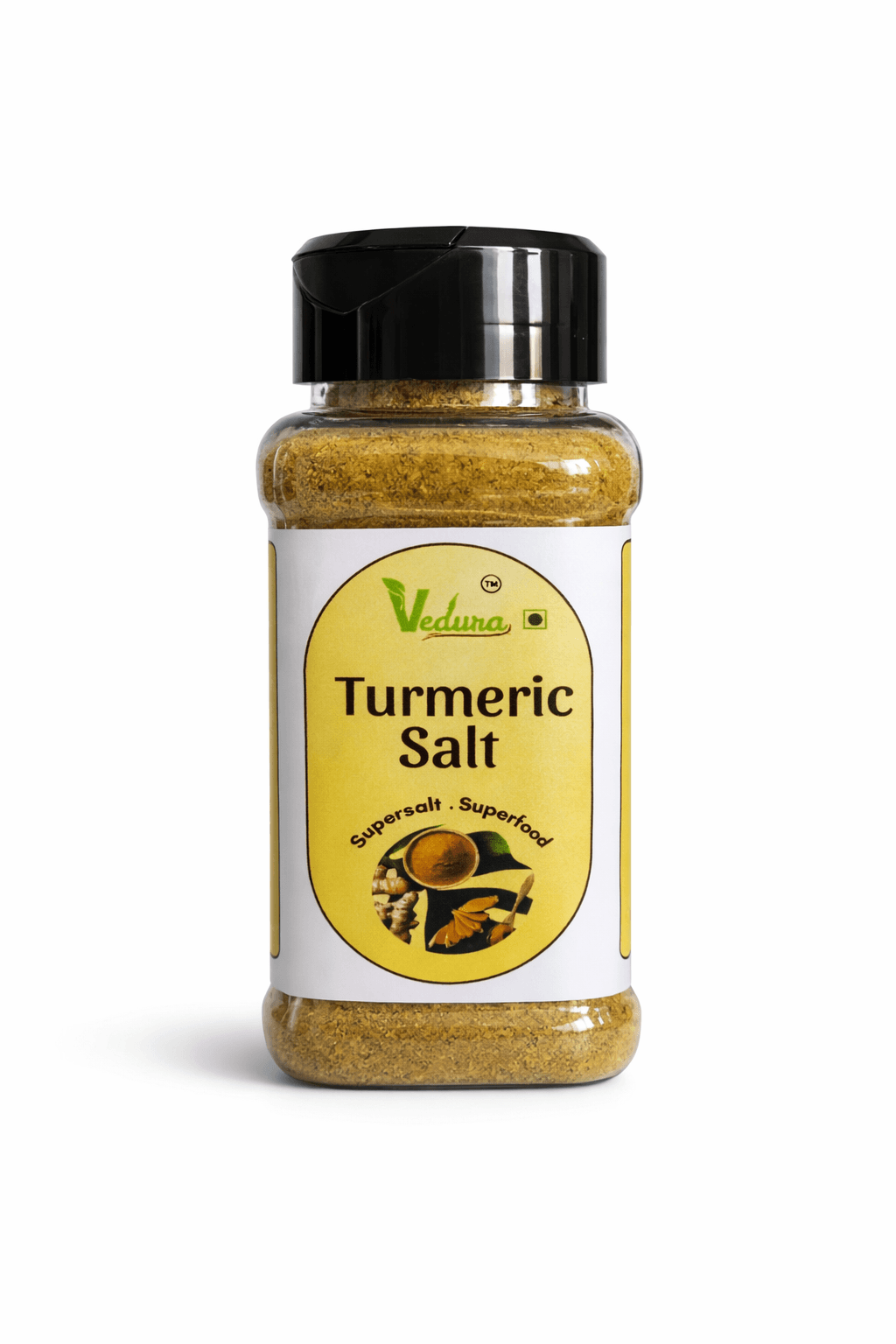
* Dried Ginger (Saunth): A powerful digestive aid, reducing inflammation and aiding nutrient absorption.
* Carom Seeds (Ajwain): Highly valued for relieving indigestion, bloating, and gas.
* Asafoetida (Hing): A pungent spice that aids digestion and reduces flatulence.
* Black Salt (Kala Namak): Imparts a sulphurous, tangy flavour and is a traditional digestive stimulant.
* Other Potential Additions: Depending on the blend, ingredients like dried mango powder (amchur) for tang, nutmeg (jaiphal) for warmth, or even dried mint leaves can be included. The inclusion of spices like black salt, ajwain (carom seeds), and saunth (dried ginger) aligns with traditional Ayurvedic principles and the nutritional wisdom often highlighted by institutions like the Indian Council of Medical Research - National Institute of Nutrition (ICMR-NIN) for their digestive benefits. Our Vedura Buknu Masala, available at https://www.vedurafoods.com/product/buknu, embodies this tradition, crafted with a precise balance of these natural ingredients to deliver both authentic taste and well-being.
Buknu Masala vs. Chaat Masala: A Flavour Comparison
While both Buknu Masala and Chaat Masala are popular Indian spice blends used to enhance the flavour of snacks and dishes, they possess distinct characteristics in terms of ingredients, flavour profile, and primary use. Understanding these differences can help you choose the right masala for your culinary needs.
| Feature | Buknu Masala | Chaat Masala |
| :---------------- | :------------------------------------------------ | :------------------------------------------------- |
| Origin | Primarily Kanpur, Uttar Pradesh | Widespread across North India |
| Primary Use | Digestive aid, seasoning for everyday meals | Snack seasoning, tangy flavour enhancer |
| Key Flavours | Earthy, pungent, warm, subtly tangy, medicinal | Tangy, sour, spicy, salty, umami |
| Texture | Coarser grind, often visible spice particles | Finer powder, more uniform |
| Signature Ingredients | Long pepper, dried ginger, ajwain, black salt | Amchur (dried mango), black salt, cumin, coriander |
| Digestive Focus | High, formulated for gastric comfort | Present, but secondary to flavour enhancement |
Buknu Masala leans towards a more robust, earthy, and truly digestive profile, often with a noticeable pungency from ingredients like long pepper and dried ginger. Chaat Masala, on the other hand, is characterized by its bright, tangy, and zesty notes, largely due to a higher proportion of amchur (dried mango powder) and black salt, making it ideal for street food and fresh salads.
5 Versatile Ways to Embrace Buknu in Your Kitchen
Buknu Masala's unique flavour and digestive properties make it incredibly versatile in the kitchen. Here are five concrete ways to incorporate this traditional spice blend into your daily cooking:
1. Elevate Your Chaat: A sprinkle of Buknu Masala can transform any chaat – from aloo tikki to dahi bhalla – adding a layer of earthy, digestive warmth that complements the tangy and sweet elements beautifully. Its coarse texture also provides a delightful mouthfeel.
2. Flavourful Raita: Stir a quarter to half a teaspoon of Buknu Masala into your favourite raita (cucumber, boondi, or mixed vegetable). It imparts a unique savoury depth and aids in digesting the yoghurt, making for a refreshing and stomach-friendly side dish.
3. Digestive Buttermilk (Chaas): For a truly invigorating and digestive drink, mix a pinch of Buknu Masala into a glass of homemade buttermilk (chaas) along with a little black salt. It’s an excellent way to cool down and settle your stomach after a meal.
4. Season Your Fruit: Just like chaat masala, Buknu can be sprinkled over cut fruits like mango, guava, apple, or watermelon. The earthy notes enhance the natural sweetness and tang of the fruit, while also helping in their digestion, particularly after a heavy meal.
5. A Savoury Sprinkling on Snacks: From freshly fried pakoras and samosas to roasted papad or even a simple bowl of roasted peanuts, a dash of Buknu Masala offers a sophisticated, digestive seasoning that's far more nuanced than plain salt and pepper.
6. Enhance Simple Meals: For a quick and nutritious meal, mix a small amount of Buknu Masala with a spoon of ghee and enjoy it with hot dal and rice. This traditional pairing is known for its simplicity and digestive comfort, embodying the essence of home-cooked Indian food.
The Digestive Wisdom Behind Buknu Masala
The efficacy of Buknu Masala as a digestive aid is not merely anecdotal; it's rooted in centuries of traditional Indian food wisdom, particularly Ayurvedic principles. Each ingredient in Buknu is chosen for its specific role in promoting gut health and easing digestion.
* Ginger (Saunth): A well-documented carminative, ginger helps alleviate indigestion, nausea, and bloating by stimulating digestive enzymes.
* Carom Seeds (Ajwain): Known for thymol, a powerful antiseptic and antispasmodic compound, ajwain is excellent for treating flatulence, indigestion, and even colic.
* Black Pepper and Long Pepper (Pippali): These pungent spices are thermogenic, meaning they increase metabolism and improve the absorption of nutrients. They also have antimicrobial properties.
* Black Salt (Kala Namak): Its alkaline properties help reduce acidity and heartburn, acting as a natural digestive stimulant. The Indian Council of Medical Research - National Institute of Nutrition (ICMR-NIN) consistently highlights the importance of traditional food practices and the role of natural ingredients in maintaining health and well-being, reinforcing the value of such blends.
By integrating Buknu Masala into your diet, you're not just adding flavour; you're embracing a holistic approach to digestive health, a practice deeply ingrained in India's culinary and wellness traditions.
FAQs
Q: Is Buknu Masala spicy?
A: Buknu Masala has a pungent and warm flavour profile, but it is not typically 'spicy' in the sense of chili heat. The warmth comes from ingredients like black pepper, long pepper, and ginger, which contribute to its digestive properties rather than an overwhelming burning sensation.
Q: Can Buknu Masala be used by everyone?
A: Generally, Buknu Masala is safe for most people when consumed in moderation. However, individuals with specific digestive sensitivities, high blood pressure (due to black salt), or those on restricted diets should consult a healthcare professional before regular use.
Q: Where can I buy authentic Buknu Masala?
A: Authentic Buknu Masala can often be found in specialty Indian grocery stores, particularly those stocking regional Uttar Pradesh products. Brands like Vedura Foods also offer high-quality, traditionally prepared Buknu Masala online and through select retailers, ensuring genuine flavour and ingredients.
Q: How should I store Buknu Masala?
A: To maintain its freshness and potency, store Buknu Masala in an airtight container in a cool, dark, and dry place, away from direct sunlight and moisture. Proper storage helps preserve its aromatic compounds and digestive properties for longer.
Q: What's the shelf life of Buknu Masala?
A: When stored correctly, Buknu Masala typically has a shelf life of 6 to 12 months. Over time, its aromatic compounds may diminish, but it generally remains safe to consume. Always check for any changes in aroma or appearance before use.
Q: Can I make Buknu Masala at home?
A: Yes, Buknu Masala can be made at home, though it requires sourcing specific whole spices and a careful process of roasting and grinding. Many traditional recipes are passed down through families, emphasizing precision in ingredient ratios and preparation techniques to achieve the authentic flavour and digestive benefits.
Explore topics
Continue your Vedura journey
Explore product pages, practical recipes, and research-led explainers connected to this topic.
Comments
Be the first to comment.