
For Micro, Small, and Medium Enterprises (MSMEs) like Vedura Foods, navigating EPFO compliance is not just a regulatory requirement but an investment in their human capital. Providing EPF benefits helps attract and retain talent, fostering a stable and motivated workforce. The Ministry of Labour & Employment consistently emphasizes the importance of these schemes in building a robust social safety net.
However, true employee well-being extends beyond just financial stability. It encompasses physical health, mental resilience, and a supportive work environment. At Vedura, we believe in a holistic approach to employee welfare, recognizing that a healthy body and mind are just as crucial as a healthy bank balance for a productive workforce.
Quick Summary
Employee Provident Fund Organisation (EPFO) schemes, including the Employee Provident Fund (EPF), are crucial social security measures providing financial stability for millions of Indian workers. While the search for "EPFO EPF scheme 2026 rules" points to future outlooks, understanding current regulations is vital for MSMEs. Beyond financial security, a healthy and nourished workforce, supported by a diet rich in traditional ingredients like Vedura's spices and dehydrated greens, significantly boosts productivity. You can find official information on the EPFO portal at https://www.epfindia.gov.in/, with schemes generally applicable to establishments employing 20 or more persons.
Understanding EPFO: A Foundation for Financial Security
The Employee Provident Fund Organisation (EPFO) stands as a cornerstone of social security in India, managing provident funds, pension schemes, and insurance for a vast segment of the organized workforce. The Employee Provident Fund (EPF) is essentially a mandatory savings scheme, where both employees and employers contribute a portion of the employee's salary towards a retirement corpus. This ensures a financial cushion for employees post-retirement or in times of unforeseen circumstances.
For Micro, Small, and Medium Enterprises (MSMEs) like Vedura Foods, navigating EPFO compliance is not just a regulatory requirement but an investment in their human capital. Providing EPF benefits helps attract and retain talent, fostering a stable and motivated workforce. The Ministry of Labour & Employment consistently emphasizes the importance of these schemes in building a robust social safety net.
The "2026 Rules" Context
The trending search for "EPFO EPF scheme 2026 rules" often reflects public interest in potential reforms or modernizations of the scheme. While specific new rules for 2026 have not been officially announced as a comprehensive overhaul, EPFO continually evaluates and updates its processes to enhance accessibility, transparency, and efficiency, leveraging technology for better service delivery. These ongoing efforts aim to streamline operations and ensure the scheme remains relevant and beneficial in a changing economic landscape.
Beyond Finance: The Link Between Security and Well-being
Financial security, provided by schemes like EPF, plays a critical role in an employee's overall well-being. Knowing that a portion of their earnings is securely invested for their future alleviates financial stress, allowing individuals to focus better on their work and personal lives. Reduced stress levels translate directly into improved mental and physical health, leading to lower absenteeism and higher engagement at work.
However, true employee well-being extends beyond just financial stability. It encompasses physical health, mental resilience, and a supportive work environment. At Vedura, we believe in a holistic approach to employee welfare, recognizing that a healthy body and mind are just as crucial as a healthy bank balance for a productive workforce.
Nourishing the Workforce: Vedura's Role in Employee Health
This is where the power of good nutrition, particularly the kind rooted in Indian culinary traditions, comes into play. A well-nourished employee is an energetic, focused, and resilient employee. Incorporating nutrient-rich ingredients, like those offered by Vedura Foods, into daily diets can significantly impact overall health and productivity.
The Power of Spices
Indian spices are not just flavour enhancers; they are packed with health benefits. For instance:
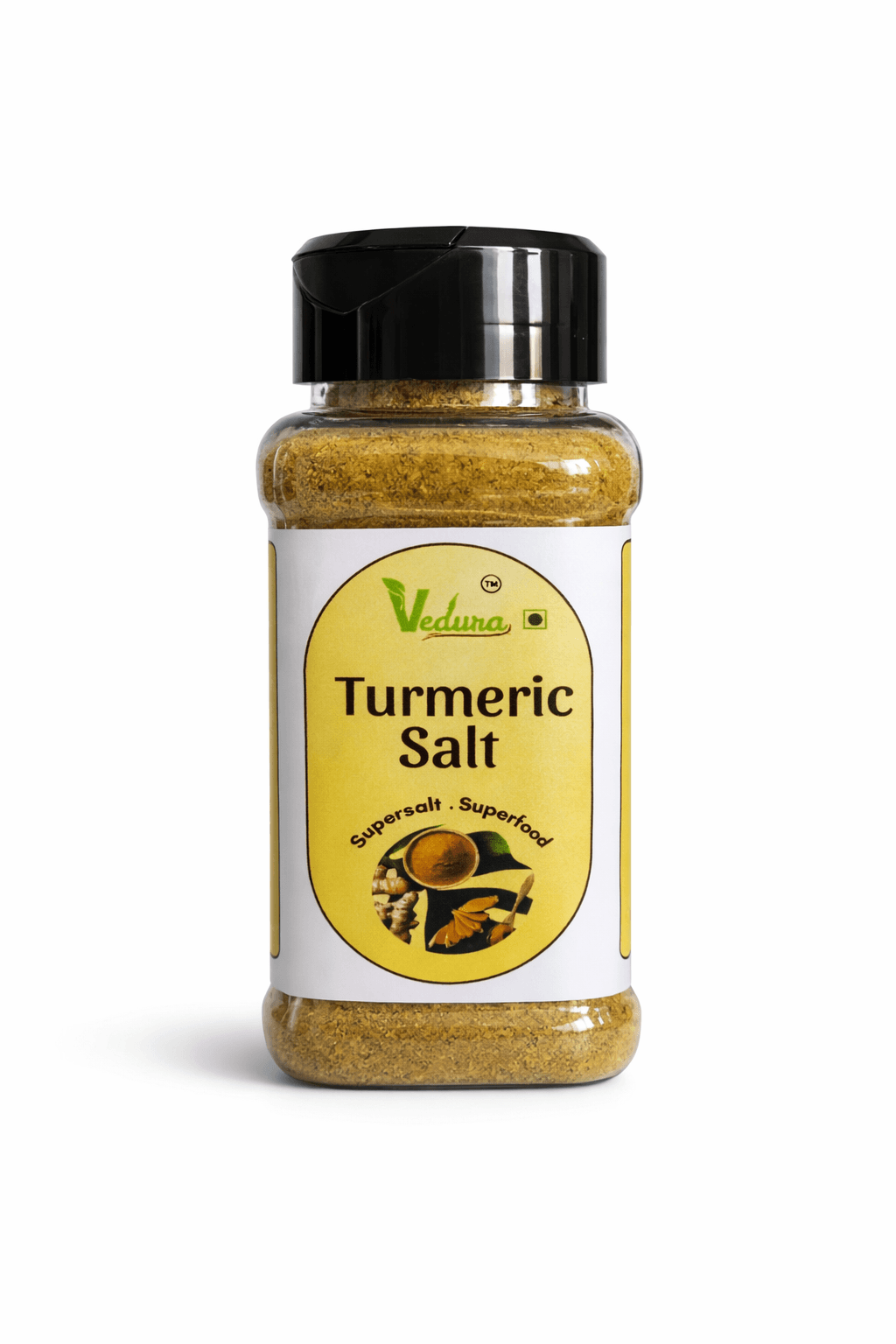
* Turmeric (Haldi): Known for its potent anti-inflammatory and antioxidant properties, as highlighted by extensive research, including studies supported by institutions like the Indian Council of Medical Research - National Institute of Nutrition (ICMR-NIN). Regular consumption can help boost immunity and reduce inflammation, common causes of illness and discomfort.
* Ginger (Adrak): A natural remedy for digestive issues and a powerful anti-inflammatory agent, ginger can keep digestive systems healthy and provide relief from common colds.
* Cumin (Jeera) & Coriander (Dhaniya): Both aid digestion and are rich in antioxidants, contributing to overall gut health.
The Goodness of Dehydrated Greens
Dehydrated greens retain much of their nutritional value, offering a convenient way to incorporate essential vitamins and minerals into daily meals, even for busy professionals. For example:
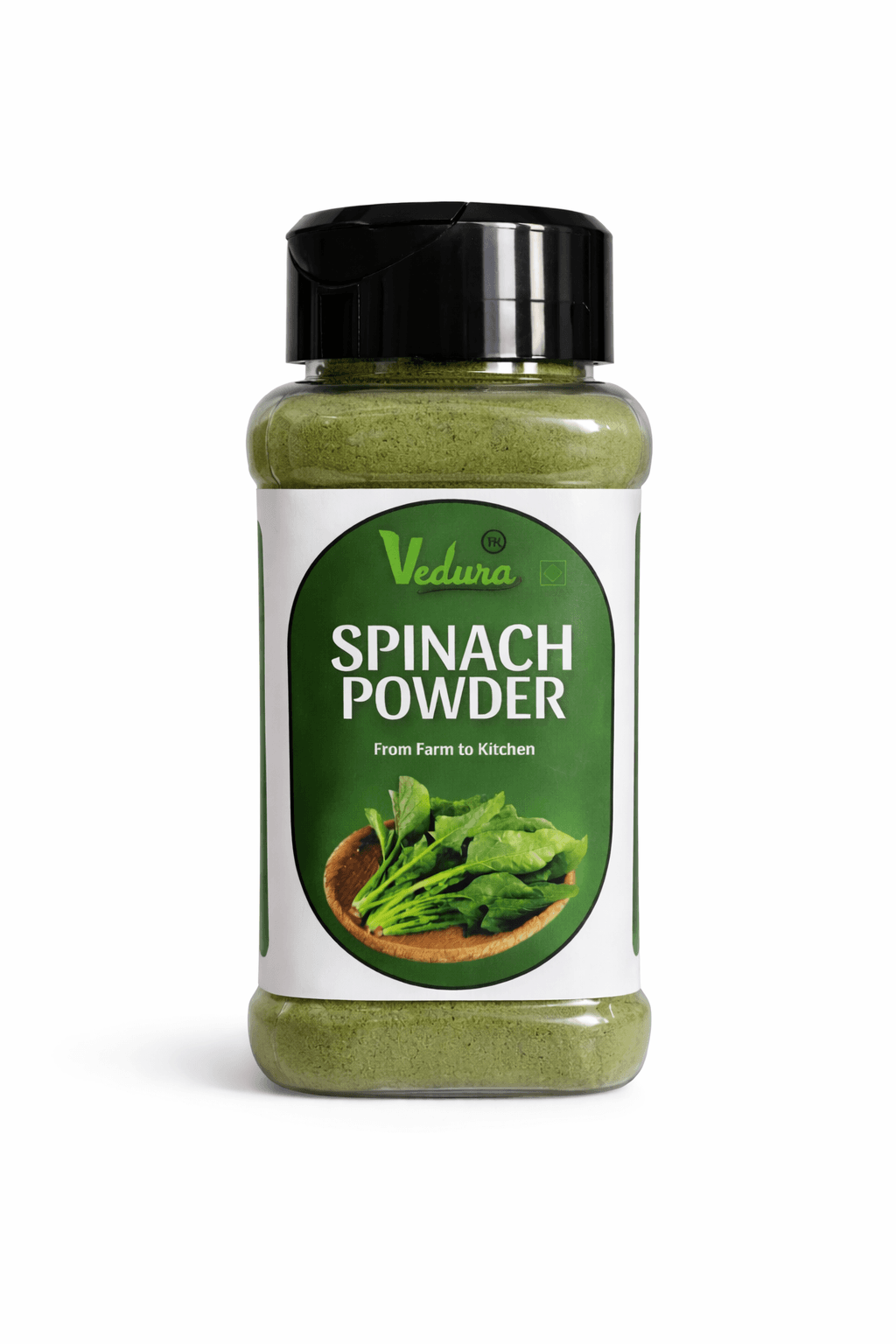
* Dehydrated Spinach (Palak): A powerhouse of iron, Vitamin K, and antioxidants, crucial for energy levels and bone health.
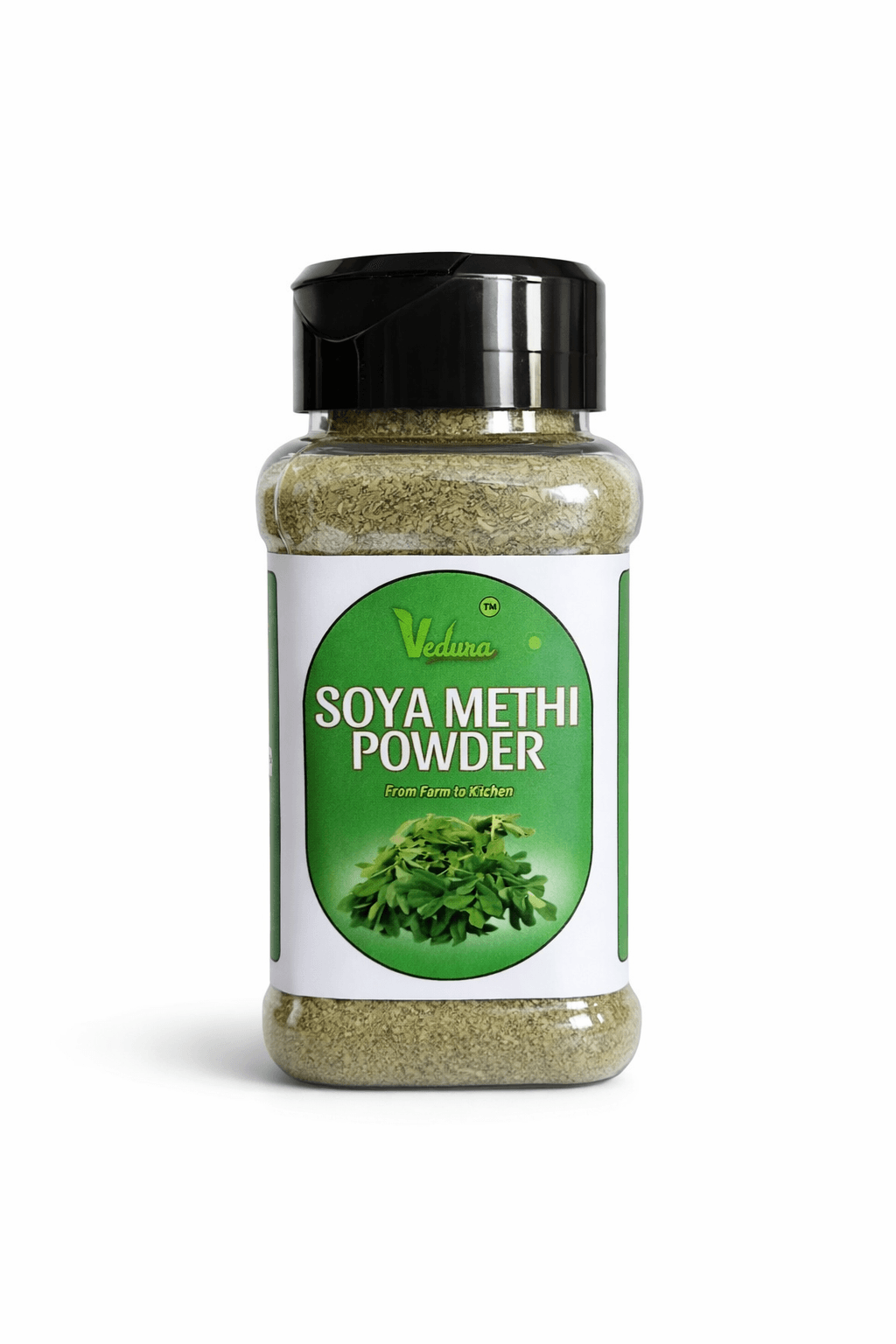
* Dehydrated Fenugreek Leaves (Methi): Known for aiding digestion, controlling blood sugar, and being rich in dietary fiber.
Practical Health Guidance for a Productive Day:
Encourage employees to include a small portion of spices and dehydrated greens in their daily meals. Simple steps include:
1. Morning Boost: Add a pinch of turmeric and ginger powder to your morning tea or warm water for an anti-inflammatory start.
2. Lunchbox Power-up: Incorporate dehydrated methi or spinach into dals, sabzis, or parathas for an extra nutrient punch.
3. Snack Smart: Season roasted makhana or chana with Vedura's spice blends for a healthy, flavourful snack.
By prioritizing nutritious meals, alongside financial planning, businesses can cultivate a truly thriving and productive workforce.
Navigating EPFO for MSMEs: Key Considerations
For MSMEs, understanding the basics of EPFO compliance is vital. The scheme generally applies to establishments employing 20 or more persons, though some smaller establishments might opt for voluntary registration. Employers and employees typically contribute 12% of the employee's basic wages plus dearness allowance to the EPF account. This contribution is then split between the Employee Provident Fund (EPF), Employee Pension Scheme (EPS), and Employee Deposit Linked Insurance (EDLI).
Here’s a simplified breakdown of employer contributions:
| Component | Contribution Rate (% of Basic Wages + DA) |
| :------------------------ | :---------------------------------------- |
| Employee Provident Fund | 3.67% |
| Employee Pension Scheme | 8.33% (capped at monthly salary of ₹15,000)|
| Employee Deposit Linked Insurance (EDLI) | 0.50% |
| EPF Admin Charges | 0.50% (minimum ₹75/₹500) |
*Note: Employee contribution is 12% to EPF. The employer's 12% is split as above.*
Accurate and timely contributions are essential, and all official transactions and information can be accessed through the EPFO's unified portal at https://www.epfindia.gov.in/. The portal provides services for both employers (e.g., electronic challan cum return filing) and employees (e.g., checking passbooks, withdrawing funds).
FAQs
Q: What is the main purpose of the EPFO scheme?
A: The primary purpose of the EPFO scheme is to provide social security to employees in the organized sector through provident funds, pension, and insurance benefits. It helps employees save for their retirement, provides financial support in times of need, and offers a pension upon superannuation.
Q: How do EPFO schemes benefit MSME employees?
A: EPFO schemes offer MSME employees crucial financial security for their future, including retirement savings and pension benefits. This financial safety net reduces stress, enhances job satisfaction, and contributes to overall employee well-being and productivity within the MSME sector.
Q: How can good nutrition support employee productivity?
A: Good nutrition provides the essential energy and nutrients required for optimal physical and mental functioning. A diet rich in vitamins, minerals, and antioxidants, such as those found in Indian spices and dehydrated greens, helps boost immunity, improve concentration, and reduce fatigue, directly enhancing employee productivity and reducing sick days.
Q: What role do Indian spices play in a healthy diet for workers?
A: Indian spices are more than just flavourings; many possess significant medicinal properties. Spices like turmeric, ginger, and cumin offer anti-inflammatory, antioxidant, and digestive benefits, contributing to better immunity, improved gut health, and overall vitality, which are crucial for maintaining a healthy and active workforce.
Q: Where can I find official information about EPFO?
A: All official information, services, and updates regarding EPFO schemes can be accessed on the Employee Provident Fund Organisation's unified portal. The official website for all EPFO-related queries and transactions is https://www.epfindia.gov.in/.
Q: Are there any specific "2026 rules" for EPFO currently?
A: While the search term "EPFO EPF scheme 2026 rules" is trending, there haven't been specific, comprehensively announced new rules or a major overhaul slated specifically for 2026. EPFO continuously works on modernizing its systems and regulations to improve service delivery and scheme efficiency, which are ongoing processes rather than a single, fixed set of "2026 rules."
Explore topics
Continue your Vedura journey
Explore product pages, practical recipes, and research-led explainers connected to this topic.
Comments
Be the first to comment.