FSSAI's responsibilities are vast, encompassing everything from setting standards for food products, approving food additives, and conducting surveillance to issuing licenses and ensuring compliance across the food industry. This comprehensive oversight is crucial in a diverse and rapidly growing food market like India, protecting consumers from adulteration, misleading claims, and unsafe practices.
These interventions highlight a broader global and national movement towards greater transparency in the food industry. As consumers become more aware of the link between diet and health, regulatory bodies like FSSAI are stepping up to ensure that food manufacturers provide accurate information, allowing individuals to make informed choices about what they consume. This proactive stance by FSSAI is a welcome step towards fostering a healthier food environment in India.
Quick Summary
Recent notices from the Food Safety and Standards Authority of India (FSSAI) to prominent food and beverage companies underscore the regulator's commitment to consumer health and transparent practices. These actions serve as a vital reminder for Indian households to prioritize wholesome, natural ingredients and home-cooked meals, steering clear of excessive processed foods for better well-being.
Understanding FSSAI's Role in India
The Food Safety and Standards Authority of India (FSSAI) is an autonomous statutory body established under the Ministry of Health & Family Welfare, Government of India. Its primary mandate, as outlined in the Food Safety and Standards Act, 2006, is to lay down science-based standards for articles of food and to regulate their manufacture, storage, distribution, sale, and import to ensure the availability of safe and wholesome food for human consumption. In essence, FSSAI acts as India's food watchdog, ensuring that what reaches our plates is safe and meets nutritional and labeling standards.
FSSAI's responsibilities are vast, encompassing everything from setting standards for food products, approving food additives, and conducting surveillance to issuing licenses and ensuring compliance across the food industry. This comprehensive oversight is crucial in a diverse and rapidly growing food market like India, protecting consumers from adulteration, misleading claims, and unsafe practices.
The Recent Notices: What Happened?
In recent times, FSSAI has intensified its scrutiny of food and beverage companies, including major international players. The notices are often related to various concerns, such as the sugar content in products, misleading health claims in advertising, or non-compliance with specific labeling regulations. For instance, concerns have been raised regarding the sugar levels in processed foods and beverages, especially those marketed towards children. The regulator aims to ensure that companies adhere strictly to ingredient disclosure, nutritional information, and advertising codes, preventing any form of misrepresentation that could impact public health.
These interventions highlight a broader global and national movement towards greater transparency in the food industry. As consumers become more aware of the link between diet and health, regulatory bodies like FSSAI are stepping up to ensure that food manufacturers provide accurate information, allowing individuals to make informed choices about what they consume. This proactive stance by FSSAI is a welcome step towards fostering a healthier food environment in India.
Beyond the Labels: The Case for Natural Ingredients
The FSSAI's actions against processed food giants serve as a powerful endorsement for returning to our culinary roots: natural, whole ingredients. In Indian kitchens, fresh produce, unadulterated spices, and traditional grains have always been the bedrock of good health. These ingredients, free from artificial additives, excessive sugars, and preservatives, offer a wealth of nutrients and health benefits that highly processed foods simply cannot match.
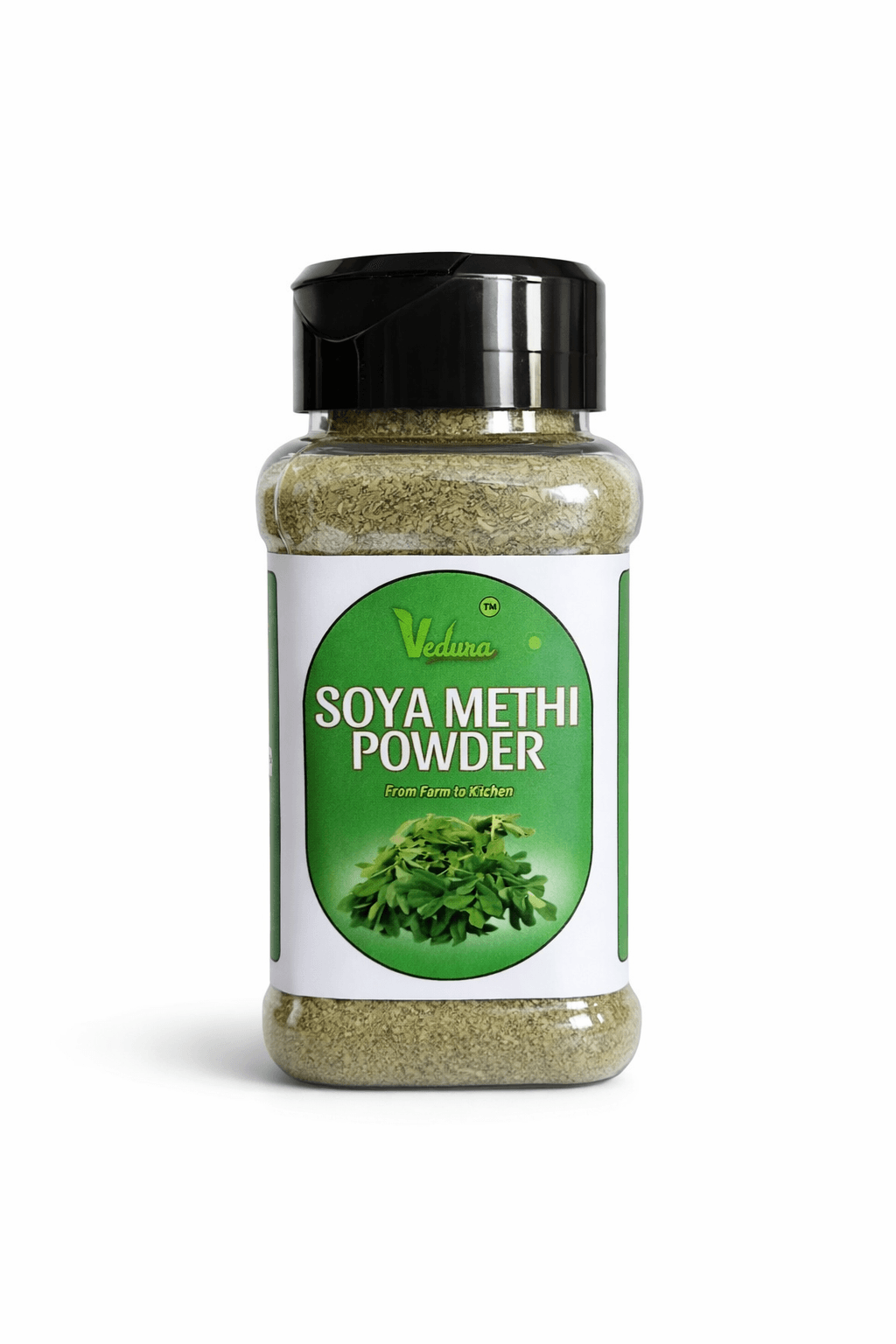
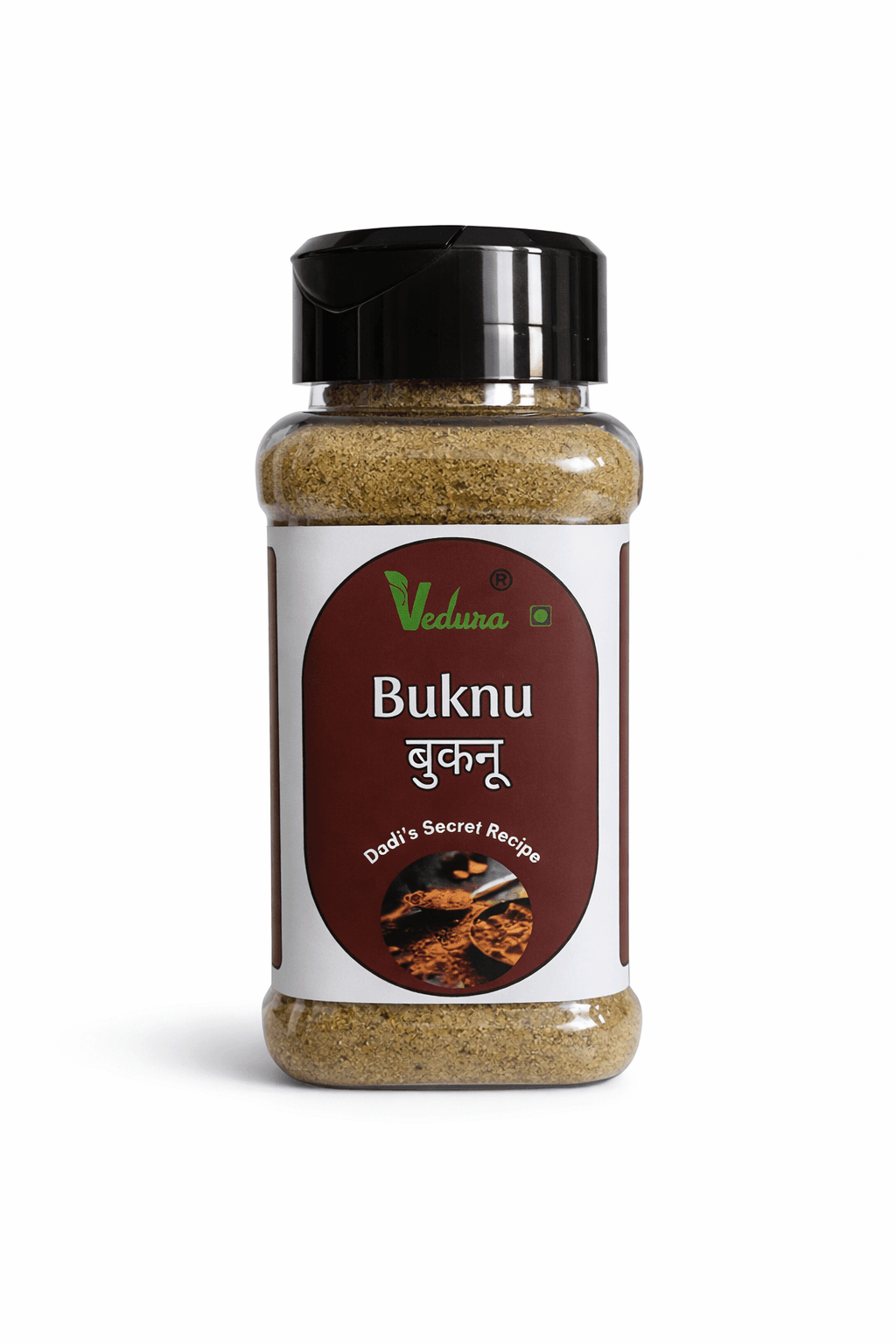
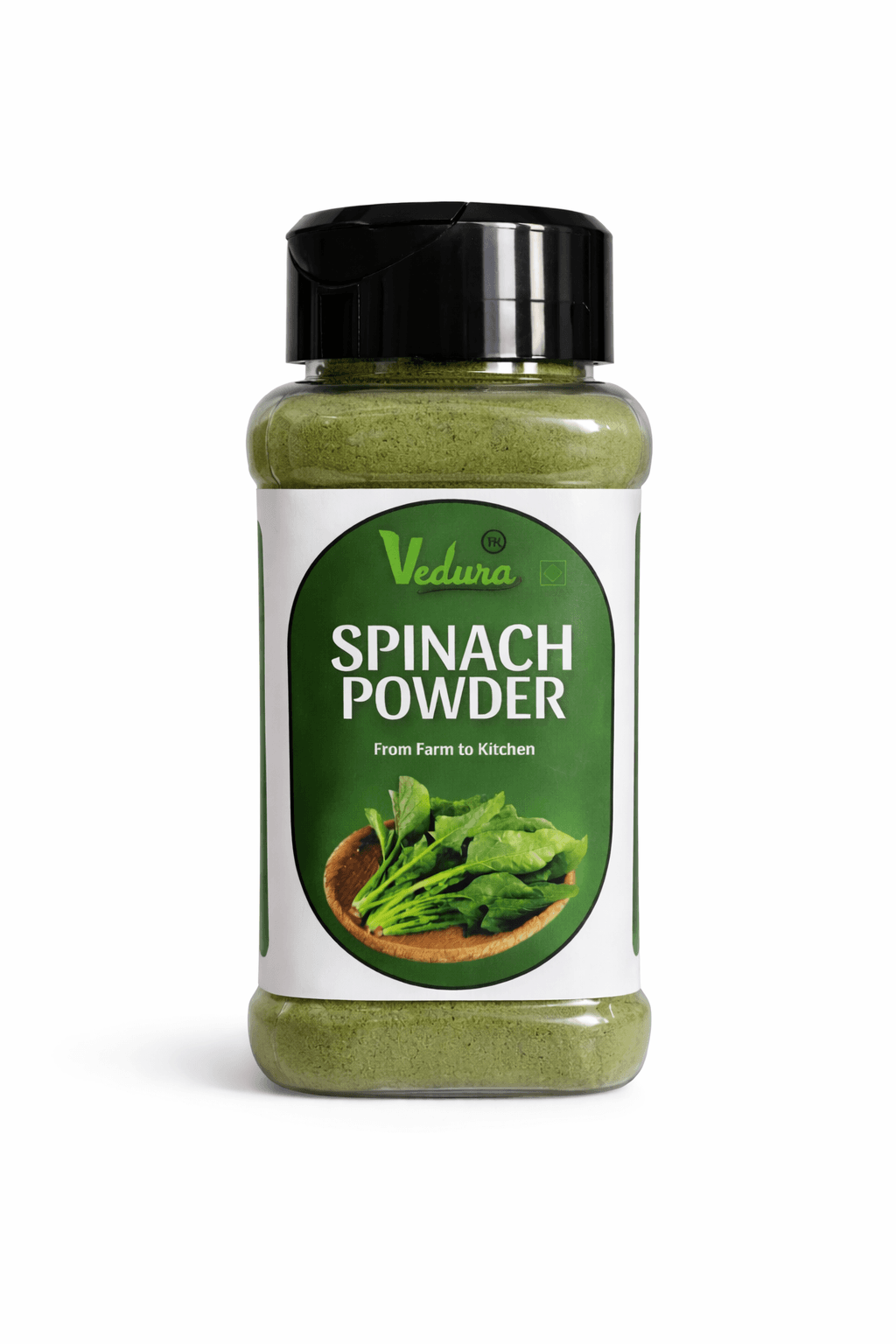
Consider the power of traditional Indian spices. Turmeric, for instance, is not just a flavour enhancer but a potent anti-inflammatory agent. Cumin aids digestion, while cardamom is known for its antioxidant properties. At Vedura Foods, we champion these natural treasures, offering pure spices and dehydrated greens that retain their nutritional integrity. Our dehydrated spinach, methi (fenugreek leaves), or mint, for example, provide concentrated nutrients without the need for refrigeration, making healthy cooking convenient and accessible. As noted by the Indian Council of Medical Research – National Institute of Nutrition (ICMR-NIN) Hyderabad, a balanced diet rich in fruits, vegetables, and whole grains is essential for preventing non-communicable diseases, a principle deeply rooted in Indian culinary traditions.
Empowering the Home Cook: Making Healthier Choices
In light of increased scrutiny on processed foods, empowering the home cook becomes paramount. Making healthier choices begins with awareness and a deliberate shift towards cooking more at home using natural ingredients. Here are some practical tips:
* Read Labels Diligently: Look for ingredients you recognize. Be wary of long lists of unpronounceable chemicals, high sugar content, or excessive sodium. The FSSAI mandates detailed labeling, so utilize this information.
* Prioritize Whole Foods: Opt for fresh fruits, vegetables, whole grains, and lean proteins. These form the foundation of a nutritious diet.
* Embrace Traditional Cooking: Revisit traditional Indian recipes that inherently use fresh spices and seasonal produce. These recipes are often nutritionally balanced and delicious.
* Use Quality Spices and Dehydrated Greens: High-quality spices not only enhance flavour but also offer health benefits. Dehydrated greens are an excellent way to add nutrition, especially when fresh options are less available or time is short. They are simply fresh greens with moisture removed, preserving most of their nutrients.
* Limit Processed Snacks and Beverages: These are often high in hidden sugars, unhealthy fats, and sodium. Prepare homemade snacks like roasted chana, nuts, or fruit instead.
By consciously choosing natural ingredients and embracing the joy of home cooking, Indian families can take charge of their health and well-being, aligning with FSSAI's mission for a healthier India.
FAQs
Q: What is FSSAI and what does it do?
A: FSSAI stands for the Food Safety and Standards Authority of India. It is a government body responsible for setting standards for food products and regulating their manufacturing, storage, distribution, sale, and import across India to ensure public access to safe and wholesome food.
Q: Why is FSSAI issuing notices to large companies?
A: FSSAI issues notices to companies when it identifies non-compliance with food safety standards, labeling regulations, or advertising codes. This can include concerns over high sugar content, misleading health claims, or the use of unapproved ingredients, all aimed at protecting consumer health and ensuring transparency.
Q: How can I identify healthier food options in stores?
A: To identify healthier options, always read the food labels carefully. Look for short ingredient lists with recognizable items, check for low sugar, sodium, and unhealthy fat content, and prioritize products made with whole grains, fruits, and vegetables. Also, look for the FSSAI logo, which indicates regulatory approval.
Q: Are traditional Indian spices and dehydrated greens safer?
A: When sourced purely and used appropriately, traditional Indian spices and dehydrated greens are generally considered safer and healthier due to their natural origins and minimal processing. They offer inherent nutritional benefits and are free from the artificial additives often found in highly processed foods. Ensure they come from reputable sources like Vedura Foods.
Q: What role does home cooking play in food safety?
A: Home cooking gives you complete control over ingredients, preparation methods, and hygiene, significantly enhancing food safety. By choosing fresh, natural components and following proper cooking practices, you can avoid many of the concerns associated with processed foods and ensure your family consumes nutritious and safe meals.
Q: Where can I find more information about food safety in India?
A: For comprehensive and authoritative information on food safety in India, the official FSSAI website at https://fssai.gov.in is the primary resource. You can find details on regulations, standards, consumer advisories, and public health initiatives there.
Explore topics
Continue your Vedura journey
Explore product pages, practical recipes, and research-led explainers connected to this topic.
Comments
Be the first to comment.