| Type of FSSAI License | Criteria (Illustrative) | Key Characteristics | | :-------------------- | :---------------------- | :------------------ | | **Basic Registration** | Annual turnover less than ₹12 lakhs | For small-scale FBOs, street vendors, petty retailers | | **State License** | Annual turnover between ₹12 lakhs and ₹20 crores | For medium-sized manufacturers, distributors, storage units within a state | | **Central License** | Annual turnover above ₹20 crores; operating in multiple states; importers; large manufacturers | Required for businesses with a significant national presence or international trade |
Quick Summary
Starting a Direct-to-Consumer (D2C) food brand in India requires a strategic approach, blending culinary passion with robust business acumen. This playbook guides aspiring entrepreneurs through essential steps, from securing product-market fit and navigating regulatory hurdles like FSSAI and GST, to establishing effective marketing channels and managing customer acquisition costs.
Finding Your Niche and Product-Market Fit
The Indian food market is vast and diverse, offering fertile ground for D2C brands that can identify and serve specific unmet needs. Success hinges on a deep understanding of consumer preferences, dietary trends, and regional tastes. For instance, a brand focusing on millet-based snacks catering to health-conscious urban consumers, or traditional regional delicacies reimagined for convenience, can carve out a unique space.
Identifying Market Gaps
Begin by researching existing offerings and pinpointing areas where demand outstrips supply, or where current products lack quality, authenticity, or accessibility. This could involve exploring niche segments like organic produce, allergen-free alternatives, or ethically sourced ingredients. Cultural grounding is paramount; products that resonate with Indian culinary traditions often find deeper acceptance.
Testing and Iteration
Before a full-scale launch, conduct small-batch production and gather feedback from potential customers. This iterative process allows for product refinement, packaging optimization, and pricing strategy adjustments. Farmers' markets, pop-up events, or even small online surveys can be invaluable for validating your concept and ensuring your product truly meets a market need.
Navigating Regulatory Compliance
Operating a food business in India necessitates strict adherence to a framework of regulations designed to ensure product safety and fair trade practices. The two most critical are Food Safety and Standards Authority of India (FSSAI) licensing and Goods and Services Tax (GST) registration.
FSSAI Licensing
FSSAI is the primary body responsible for food safety. Every food business operator (FBO) must obtain an FSSAI license or registration. The type of license depends on the scale of your operation, turnover, and production capacity. Neglecting FSSAI compliance can lead to severe penalties, including fines and business closure. The FSSAI portal at https://foscos.fssai.gov.in provides comprehensive guidelines and application procedures.
| Type of FSSAI License | Criteria (Illustrative) | Key Characteristics |
| :-------------------- | :---------------------- | :------------------ |
| Basic Registration | Annual turnover less than ₹12 lakhs | For small-scale FBOs, street vendors, petty retailers |
| State License | Annual turnover between ₹12 lakhs and ₹20 crores | For medium-sized manufacturers, distributors, storage units within a state |
| Central License | Annual turnover above ₹20 crores; operating in multiple states; importers; large manufacturers | Required for businesses with a significant national presence or international trade |
GST Registration
GST registration is mandatory for businesses with an annual aggregate turnover exceeding ₹20 lakhs (₹10 lakhs for special category states). This unified indirect tax system applies to the supply of goods and services, and proper registration is crucial for invoicing, claiming input tax credit, and remaining compliant with tax laws.
Building Your Digital Storefront: Marketplace vs. Own Website
Choosing the right platform to sell your D2C food products is a pivotal decision impacting reach, brand control, and profitability. Entrepreneurs typically weigh the advantages of established e-commerce marketplaces against the benefits of building their own dedicated brand website.
E-commerce Marketplaces
Platforms like Amazon and Flipkart offer immediate access to a vast customer base, established logistics, and built-in trust. This can significantly reduce initial marketing spend and operational complexities. However, they come with transaction fees, intense competition, and limited brand control. The Open Network for Digital Commerce (ONDC) is an emerging government-backed initiative that aims to democratize e-commerce, offering another avenue for MSMEs to reach customers with potentially lower commissions, providing a valuable alternative or complement to existing platforms.
Dedicated Brand Website
An owned website provides complete control over branding, customer experience, and data. This allows for direct engagement, personalized marketing, and the cultivation of a loyal community. While it requires an upfront investment in development and ongoing marketing efforts to drive traffic, it offers higher profit margins in the long run and fosters a stronger brand identity. Many successful D2C brands adopt a hybrid approach, leveraging marketplaces for initial traction and driving customers to their own site for deeper engagement and repeat purchases.
Marketing and Customer Acquisition
In the competitive D2C landscape, effective marketing is key to acquiring and retaining customers. Understanding your Customer Acquisition Cost (CAC) – the cost of convincing a potential customer to buy your product – is crucial for sustainable growth.
Benchmarking CAC
CAC benchmarks for D2C food brands in India can vary widely based on product category, marketing channels, and target audience. While precise figures are proprietary, industry estimates suggest that a healthy CAC should ideally be significantly lower than the customer lifetime value (CLTV). Regular monitoring and optimization of marketing spend are essential.
Digital Marketing Strategies
Social media platforms (Instagram, Facebook, YouTube) are powerful tools for visual storytelling, recipe sharing, and community building. Influencer marketing, particularly with food bloggers or micro-influencers, can drive authentic engagement. Content marketing through blogs detailing ingredient benefits or sustainable practices can establish thought leadership. Performance marketing, including paid ads on search engines and social media, can yield immediate results if targeted effectively. Building trust through transparent communication about sourcing, ingredients, and processes is particularly important for food products.
Supply Chain and Logistics
For a D2C food brand, an efficient and robust supply chain is non-negotiable. This encompasses everything from sourcing raw materials to delivering the final product to the customer's doorstep.
Sourcing and Manufacturing
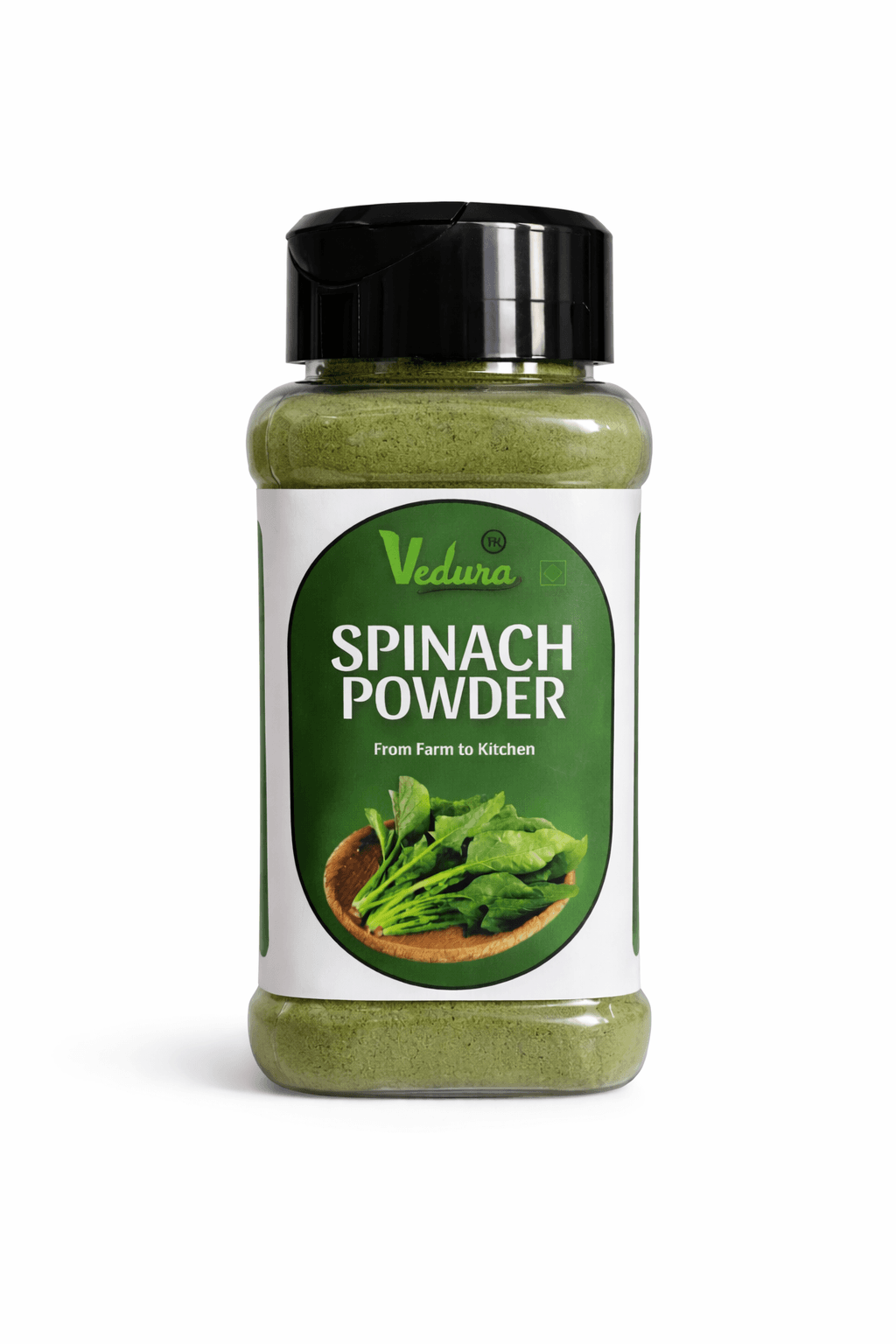
Prioritize quality and consistency in ingredient sourcing. For dehydrated greens and spices, ensure robust drying processes that retain nutritional value and flavor. Establishing relationships directly with farmers or cooperatives can ensure freshness, traceability, and fair prices. Packaging must be food-grade, airtight, and designed to extend shelf life while being aesthetically appealing and eco-conscious where possible.
Last-Mile Delivery Challenges
India's diverse geography presents unique logistics challenges. Partnering with reliable third-party logistics (3PL) providers is often the most cost-effective solution for D2C brands. For perishable items, cold chain logistics become critical. Ensure your packaging and delivery partners are equipped to handle products carefully to prevent damage and spoilage during transit, especially in varying climatic conditions across the country.
FAQs
Q: What is the first step to starting a D2C food brand in India?
A: The very first step is to validate your product idea and identify your target niche. Before investing heavily, create a Minimum Viable Product (MVP) and get feedback from potential customers to ensure there's a real demand for what you plan to offer.
Q: How long does FSSAI registration take?
A: The processing time for FSSAI registration or license can vary. Basic registration may take 7-10 days, while State and Central licenses can take 30-60 days, provided all documentation is complete and accurate. It's advisable to apply well in advance of your planned launch.
Q: Is it better to start on a marketplace or an own website?
A: For new brands, starting on a marketplace offers immediate reach and reduces initial logistics burdens. However, an own website provides greater brand control and direct customer relationships. Many brands adopt a hybrid approach, using marketplaces for discovery and driving repeat customers to their own site.
Q: What is a reasonable Customer Acquisition Cost for D2C food brands in India?
A: A reasonable CAC is highly dependent on your product's price point and customer lifetime value. Generally, for sustainable growth, your CAC should be significantly less than your average order value and, more importantly, less than the long-term value a customer brings to your business. Continuous optimization is key.
Q: How can I ensure product quality and safety?
A: Ensuring quality and safety involves strict adherence to FSSAI guidelines, implementing Good Manufacturing Practices (GMP), regular quality checks of raw materials and finished products, and maintaining proper hygiene throughout your production and packaging process. Transparency with customers about your processes also builds trust.
Q: What government support is available for food startups?
A: The Ministry of Micro, Small & Medium Enterprises (MSME) at https://msme.gov.in offers various schemes and initiatives for small businesses, including credit facilities, skill development, and technology upgrades. Additionally, schemes like the Pradhan Mantri Formalisation of Micro food processing Enterprises (PMFME) scheme provide financial, technical, and business support for micro food processing units.
Explore topics
Continue your Vedura journey
Explore product pages, practical recipes, and research-led explainers connected to this topic.
Comments
Be the first to comment.