| Feature | E-commerce Marketplaces (e.g., Amazon, Flipkart) | Own Website (e.g., Shopify, WooCommerce) | | :---------------------- | :--------------------------------------------------------------------------------- | :------------------------------------------------------------------------- | | **Reach & Visibility** | Immediate access to a large, existing customer base. High organic traffic. | Requires significant marketing effort to drive traffic. Slower initial reach. | | **Brand Control** | Limited control over brand presentation, customer data, and user experience. | Full control over branding, website design, and customer journey. | | **Cost Structure** | Commission-based fees (typically 5-20% for food categories), listing fees. | Monthly platform fees, transaction fees, payment gateway charges, marketing spend. | | **Customer Data** | Limited direct access to customer data; primarily aggregated insights. | Full ownership of customer data, enabling personalized marketing and loyalty programs. | | **Operational Ease** | Often handle logistics, payment processing, customer service. Simpler setup. | Requires setting up payment gateways, logistics partners, and customer support. | | **Profit Margins** | Margins can be tighter due to marketplace commissions. | Potentially higher margins due to direct sales, but higher marketing spend. | | **Trust & Credibility** | Benefits from the marketplace's established trust and reputation. | Builds trust over time through brand storytelling, reviews, and secure transactions. |
Many brands adopt a hybrid strategy, starting with marketplaces for initial reach and then gradually building their own direct-to-consumer channel to foster deeper customer relationships and improve margins.
Quick Summary
Starting a Direct-to-Consumer (D2C) food brand in India requires a strategic approach, blending robust product development with stringent regulatory adherence. This playbook outlines essential steps from achieving product-market fit and navigating FSSAI and GST compliance to selecting optimal sales channels and understanding marketing cost benchmarks.
Finding Your Niche and Product-Market Fit
Understanding the Indian Palate
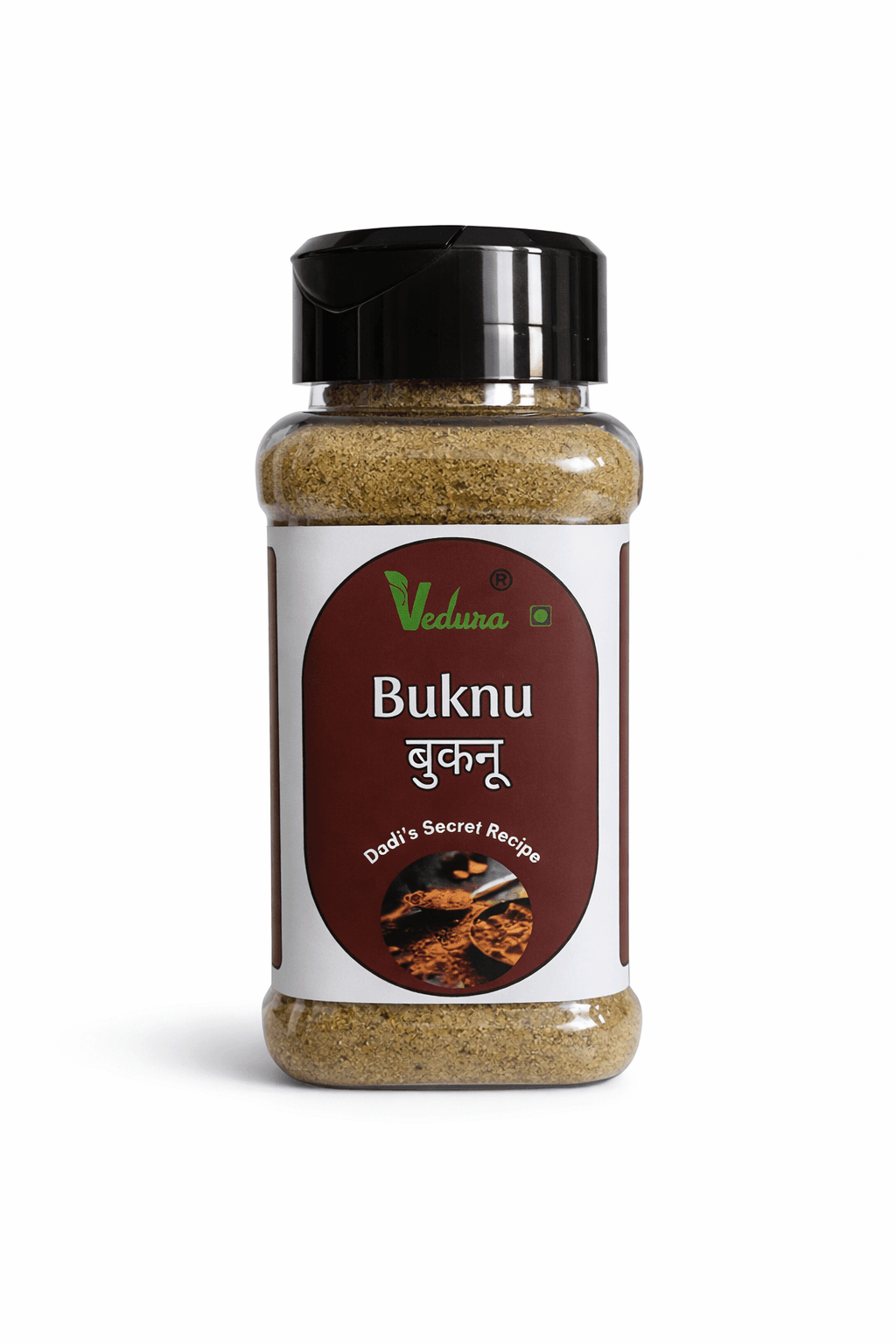
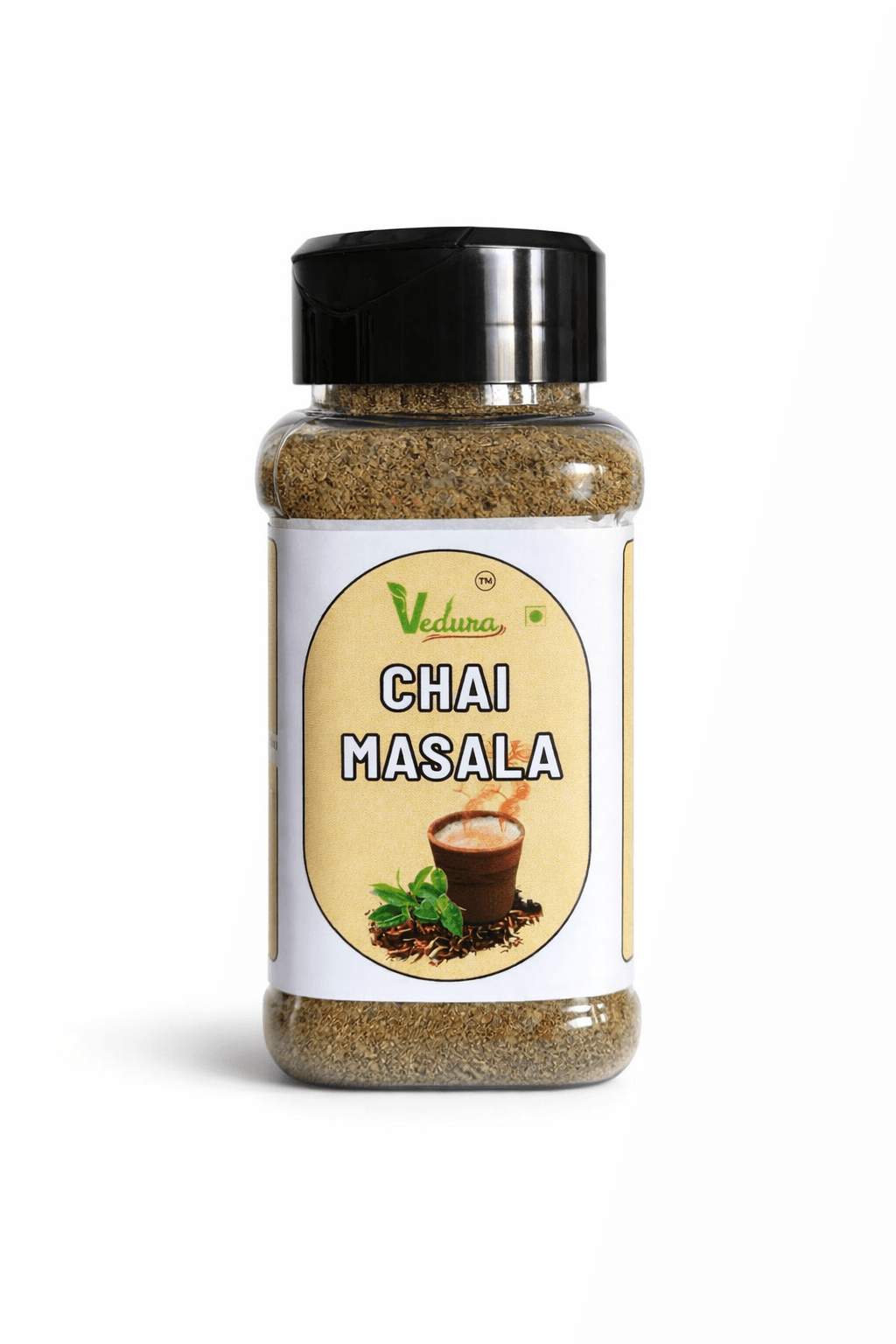
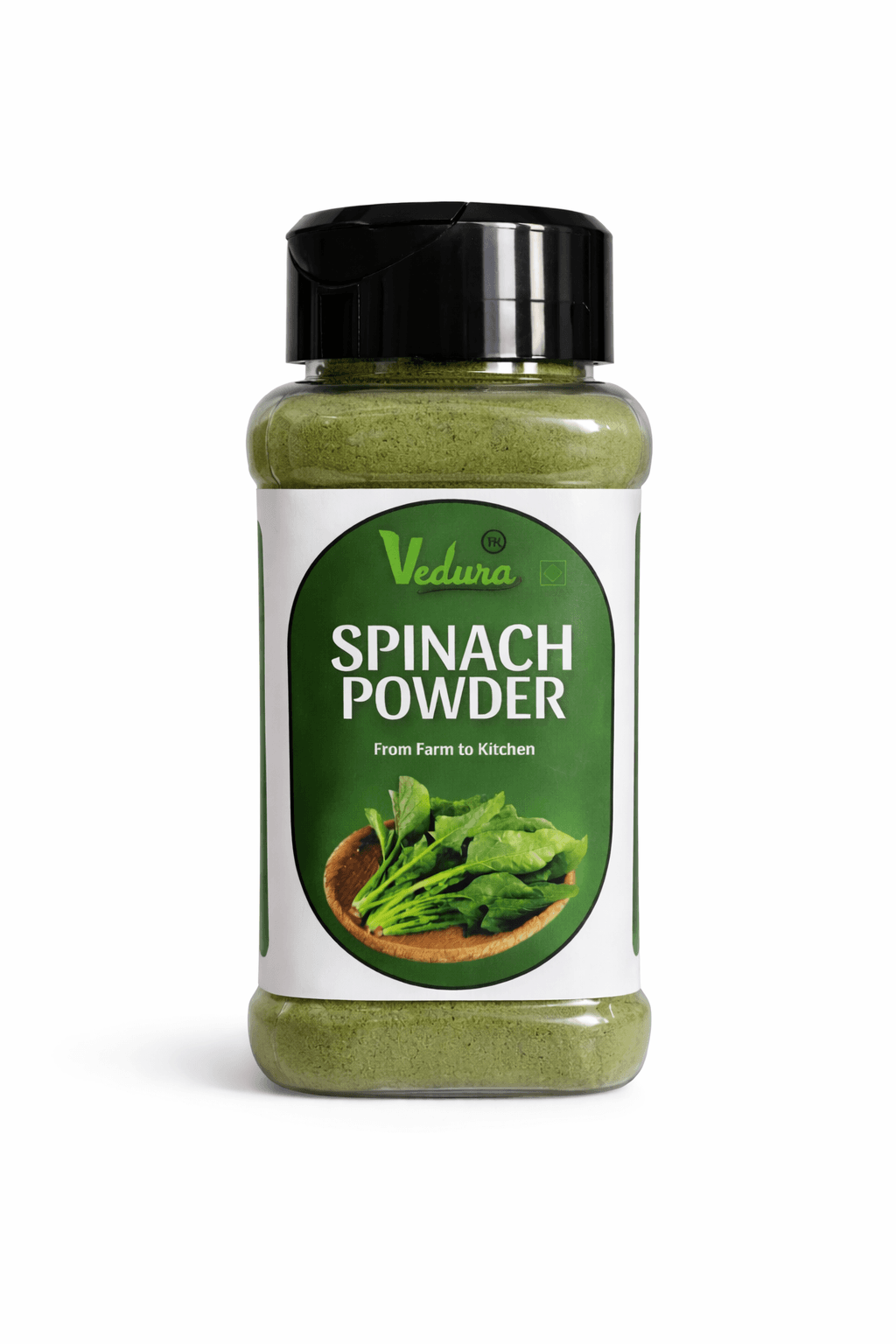
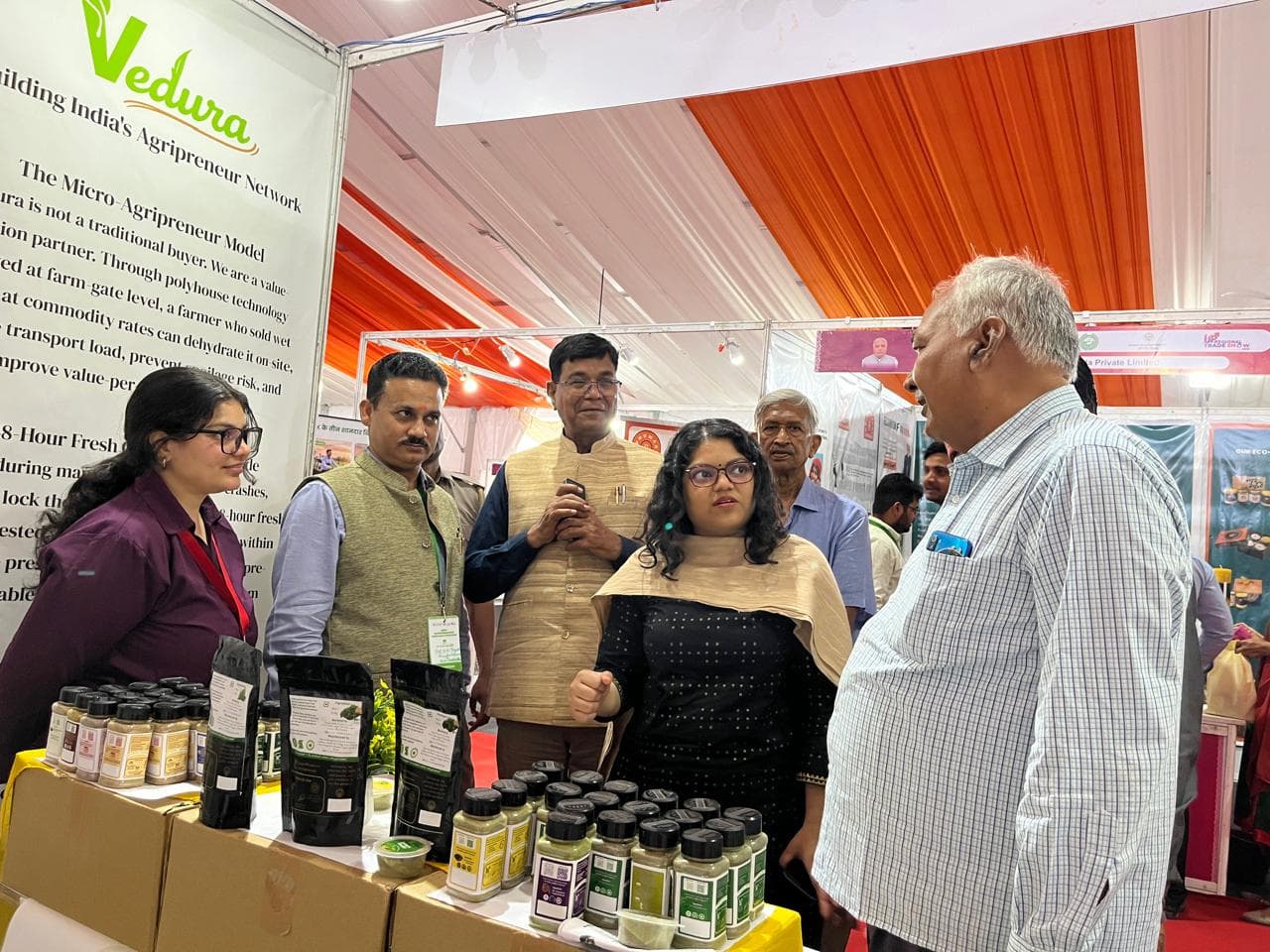
India's diverse culinary landscape offers immense opportunity but demands deep cultural understanding. A D2C food brand must identify a specific need or taste gap. Is it a regional delicacy, a healthier alternative, or an exotic ingredient made accessible? Vedura Foods, for instance, focuses on natural Indian spices and dehydrated greens, catering to health-conscious consumers seeking authentic flavors. Success often hinges on innovating within traditional frameworks or addressing modern dietary preferences with authentic Indian ingredients.
Validating Your Concept
Before scaling, validate your product thoroughly. This involves small-batch production, pilot testing with target consumers, and gathering feedback. Surveys, focus groups, and even local pop-up stalls can provide crucial insights into pricing, packaging, and flavor profiles. Iteration based on early feedback is key to avoiding costly mistakes later. A strong product-market fit ensures that you are building something people genuinely want and are willing to pay for.
Navigating Regulatory Compliance: FSSAI, GST, and MSME
FSSAI Licensing
The Food Safety and Standards Authority of India (FSSAI) license is non-negotiable for any food business. Depending on your turnover and production capacity, you'll need either a Basic Registration, a State License, or a Central License. This ensures your products meet national food safety and hygiene standards. Detailed guidelines and application procedures are available on the official FSSAI portal. Non-compliance can lead to hefty penalties and reputational damage, so this step must be prioritized.
GST Registration
Goods and Services Tax (GST) registration is mandatory for businesses with an annual turnover exceeding specific thresholds (currently ₹20 lakhs for most states, and ₹10 lakhs for special category states). Even if below the threshold, registering can be beneficial for claiming Input Tax Credit and operating formally, which enhances credibility with suppliers and customers. The GST Council website provides comprehensive information and simplified registration processes.
MSME Udyam Registration
Registering as a Micro, Small, or Medium Enterprise (MSME) on the Udyam Registration portal (https://udyamregistration.gov.in) is highly recommended. It unlocks access to various government schemes, subsidies, and preferential treatment in procurement, which can be invaluable for a nascent D2C food brand. The criteria for MSME classification are based on investment in plant & machinery/equipment and turnover. For example, a micro-enterprise has an investment up to ₹1 crore and a turnover up to ₹5 crore, as per the Ministry of MSME guidelines.
Choosing Your Sales Channel: Marketplace vs. Own Website
The choice between selling on established e-commerce marketplaces and building your own direct website is a critical strategic decision. Each has distinct advantages and disadvantages that impact reach, brand control, and profitability.
| Feature | E-commerce Marketplaces (e.g., Amazon, Flipkart) | Own Website (e.g., Shopify, WooCommerce) |
| :---------------------- | :--------------------------------------------------------------------------------- | :------------------------------------------------------------------------- |
| Reach & Visibility | Immediate access to a large, existing customer base. High organic traffic. | Requires significant marketing effort to drive traffic. Slower initial reach. |
| Brand Control | Limited control over brand presentation, customer data, and user experience. | Full control over branding, website design, and customer journey. |
| Cost Structure | Commission-based fees (typically 5-20% for food categories), listing fees. | Monthly platform fees, transaction fees, payment gateway charges, marketing spend. |
| Customer Data | Limited direct access to customer data; primarily aggregated insights. | Full ownership of customer data, enabling personalized marketing and loyalty programs. |
| Operational Ease | Often handle logistics, payment processing, customer service. Simpler setup. | Requires setting up payment gateways, logistics partners, and customer support. |
| Profit Margins | Margins can be tighter due to marketplace commissions. | Potentially higher margins due to direct sales, but higher marketing spend. |
| Trust & Credibility | Benefits from the marketplace's established trust and reputation. | Builds trust over time through brand storytelling, reviews, and secure transactions. |
Many brands adopt a hybrid strategy, starting with marketplaces for initial reach and then gradually building their own direct-to-consumer channel to foster deeper customer relationships and improve margins.
Marketing & Customer Acquisition Cost (CAC) Benchmarks
Digital Marketing Strategies
For D2C food brands, digital marketing is paramount. This includes social media marketing (Instagram, Facebook, YouTube), search engine optimization (SEO), paid advertising (Google Ads, Meta Ads), email marketing, and influencer collaborations. Content that highlights product quality, unique ingredients, health benefits, and traditional Indian recipes resonates well with Indian consumers. Authentic storytelling about your sourcing and preparation can build a loyal community.
Understanding CAC
Customer Acquisition Cost (CAC) is the total cost of acquiring a new customer. It's calculated by dividing total marketing and sales expenses over a period by the number of new customers acquired in that period. For new D2C food brands in India, CAC can range widely, often between ₹300-₹800, depending on the product, target audience, and marketing channels. The goal is to ensure the Lifetime Value (LTV) of a customer significantly exceeds their CAC. As the Indian D2C market matures, brands are increasingly focusing on retention and repeat purchases to lower the effective CAC, understanding that a loyal customer is far more valuable.
Supply Chain Resilience and Logistics
Sourcing and Quality Control
For a natural food brand like Vedura, ethical sourcing and rigorous quality control are foundational. Establishing strong relationships with farmers and suppliers ensures consistent quality and traceability, which is vital for consumer trust in food products. Implementing Good Manufacturing Practices (GMP) and maintaining relevant certifications are crucial steps in guaranteeing product integrity from farm to fork.
Last-Mile Delivery Challenges
India's varied geography presents unique last-mile delivery challenges, particularly for perishable food items. Partnering with reliable logistics providers who understand cold chain requirements (if applicable) and can ensure timely, damage-free delivery is vital. Innovative solutions like local delivery hubs or micro-fulfillment centers can optimize delivery times and costs, particularly in urban centers. As per a report by IBEF (India Brand Equity Foundation), the Indian logistics sector is evolving rapidly, with a growing focus on efficiency and technological integration to meet the demands of e-commerce.
FAQs
Q: What is the typical initial investment for a D2C food brand in India?
A: The initial investment can vary significantly based on product type, production scale, and marketing strategy. A small-scale operation with outsourced manufacturing might start with ₹5-10 lakhs, primarily for product development, branding, and initial marketing. For brands planning in-house production, certifications, and wider distribution, this figure could easily exceed ₹25-50 lakhs. Careful budgeting and phased investment are advisable.
Q: How important is packaging for D2C food products?
A: Packaging is extremely important in the D2C food space. It's often the first physical interaction a customer has with your brand, influencing perception of quality, freshness, and brand identity. Good packaging also needs to be functional – protecting the product, extending shelf life, and being compliant with FSSAI labeling norms regarding ingredients, nutritional information, and allergens. Sustainable and attractive packaging can also be a significant differentiator.
Q: Can I sell homemade food directly to consumers without an FSSAI license?
A: No, any individual or entity selling food products, even homemade, is legally required to obtain an FSSAI license or registration. The specific type (Basic Registration, State License, or Central License) depends on the scale of operation and annual turnover. Compliance ensures food safety, consumer trust, and legal operation, protecting both your business and your customers.
Q: What are some common mistakes new D2C food brands make in India?
A: Common mistakes include neglecting thorough product-market fit research, underestimating regulatory compliance complexities, failing to budget adequately for marketing and customer acquisition, and overlooking the intricacies of supply chain and logistics in India. Not building a strong brand narrative and relying solely on discounts can also be detrimental long-term, eroding perceived value and margins.
Q: How can a D2C food brand build customer loyalty?
A: Building customer loyalty involves consistent product quality, exceptional customer service, transparent communication, and engaging post-purchase experiences. Implementing loyalty programs, offering personalized recommendations, soliciting and acting on feedback, and fostering a community around your brand values can significantly enhance retention and advocacy. Authenticity and reliability are key to long-term customer relationships.
Q: What role does digital payment infrastructure play for D2C food brands?
A: Digital payment infrastructure is crucial for D2C food brands in India. With the widespread adoption of UPI, net banking, and digital wallets, offering multiple secure and convenient payment options is essential for a seamless customer experience. Reliable payment gateways reduce cart abandonment and build trust, which is vital for online sales. Smooth payment processing directly impacts conversion rates and customer satisfaction.
Explore topics
Continue your Vedura journey
Explore product pages, practical recipes, and research-led explainers connected to this topic.
Comments
Be the first to comment.