
| Feature | Cold Chain Logistics | Dehydration | | :---------------- | :----------------------------------- | :------------------------------------- | | **Preservation Method** | Low temperature inhibits spoilage | Removes moisture to prevent spoilage | | **Shelf Life** | Moderate (days to weeks/months) | Very long (months to years) | | **Product Suitability** | Fresh fruits, vegetables, dairy, meat, fish | Spices, herbs, some fruits, vegetables (e.g., spinach, fenugreek) | | **Nutrient Retention** | Generally high | Can vary; some heat-sensitive nutrients may be reduced | | **Texture & Flavour** | Close to fresh | Significantly altered | | **Weight Reduction** | Minimal | Substantial | | **Storage/Transport Cost** | High (energy-intensive) | Low (ambient temperature, reduced weight) | | **Initial Investment** | High (refrigeration units, insulation) | Moderate (dehydrators, processing) |
Choosing between cold chain and dehydration depends on your product, target market, desired shelf life, and budget. For products where fresh quality is paramount (e.g., premium fresh-cut vegetables, dairy), cold chain is indispensable. For value-added products like spices, herbs, or ingredients that tolerate drying, dehydration might be a more cost-effective and energy-efficient solution.
Quick Summary
For Indian small and micro food businesses dealing in perishable goods, cold chain logistics are vital for maintaining product quality, extending shelf life, and accessing wider markets. Government initiatives like the Pradhan Mantri Kisan Sampada Yojana (PMKSY) and the Pradhan Mantri Formalisation of Micro Food Processing Enterprises (PMFME) Scheme offer substantial financial support to establish or upgrade cold chain infrastructure, making it more accessible for MSMEs (Micro, Small, and Medium Enterprises).
Why Cold Chain Matters for Perishable Foods
India's diverse climate, coupled with a vast agricultural output, means that a significant portion of fresh produce and processed foods are perishable. Without proper preservation, these goods can spoil rapidly, leading to substantial post-harvest losses. For a small food business, this translates directly to lost revenue and damaged reputation.
The Science Behind Preservation
Cold chain logistics fundamentally slow down the natural degradation processes in food. By maintaining a specific low temperature (often between 0°C and 8°C for refrigeration, or below -18°C for freezing), the growth of microorganisms (bacteria, yeasts, moulds) is inhibited, and enzymatic and chemical reactions that cause spoilage are slowed. This extends the product's shelf life, preserves its nutritional value, taste, and texture, and ensures it meets food safety standards set by bodies like the Food Safety and Standards Authority of India (FSSAI).
Market Access and Quality
Beyond basic preservation, a robust cold chain enables small businesses to reach distant markets, both urban and international, that would otherwise be inaccessible. It allows for planned production and distribution, reducing wastage and improving efficiency. Consistent quality due to proper temperature control builds consumer trust and allows businesses to command better prices for their products.
Understanding Cold Chain Components
Cold chain isn't just one piece of equipment; it's an integrated system of temperature-controlled storage and distribution. For a small business, understanding these components helps in strategic investment.
Refrigerated Storage
This includes cold rooms, walk-in coolers, and refrigerated warehouses. For MSMEs, often a modular cold room or a walk-in freezer is the starting point. These facilities must maintain consistent temperatures and humidity levels specific to the type of food being stored. Power backup solutions are crucial given potential electricity fluctuations.
Refrigerated Transportation
Moving perishable goods from the farm to the processing unit, and then to distributors or retailers, requires refrigerated vehicles. These range from insulated containers and small reefer vans for last-mile delivery to larger refrigerated trucks for inter-city transport. Maintaining the 'cold chain' unbroken during transit is paramount to prevent temperature abuse and spoilage.
Government Support: Schemes for Cold Chain Infrastructure
The Indian government recognises the critical role of cold chain infrastructure in reducing food waste and boosting the food processing sector. Several schemes offer significant financial assistance.
Pradhan Mantri Kisan Sampada Yojana (PMKSY)
Launched by the Ministry of Food Processing Industries (MoFPI), PMKSY is an umbrella scheme aimed at creating modern infrastructure with efficient supply chains for farm-to-retail. Its component for 'Integrated Cold Chain and Value Addition Infrastructure' specifically supports the establishment of cold storage facilities, individual refrigeration units, refrigerated transport, and other related infrastructure. According to MoFPI guidelines, the scheme provides financial assistance in the form of grants-in-aid, typically 35% of the eligible project cost for general areas and 50% for difficult areas (North Eastern States, Himalayan States, ITDP areas) and for Farmer Producer Organisations (FPOs), with varying maximum limits depending on the specific component and location.
Pradhan Mantri Formalisation of Micro Food Processing Enterprises (PMFME) Scheme
This is another flagship scheme by MoFPI, specifically designed to empower individual micro food processing units. It provides credit-linked subsidies for capital investment in individual units to upgrade or set up micro food processing enterprises. For cold storage components, an individual micro food processing unit can avail a credit-linked capital subsidy of 35% of the eligible project cost, with a maximum subsidy of Rs. 10 lakh. This scheme is particularly relevant for small businesses and agripreneurs looking to invest in smaller-scale cold storage solutions. The official portal for the scheme is https://pmfme.mofpi.gov.in.
Cold Chain vs. Dehydration: When to Choose Which?
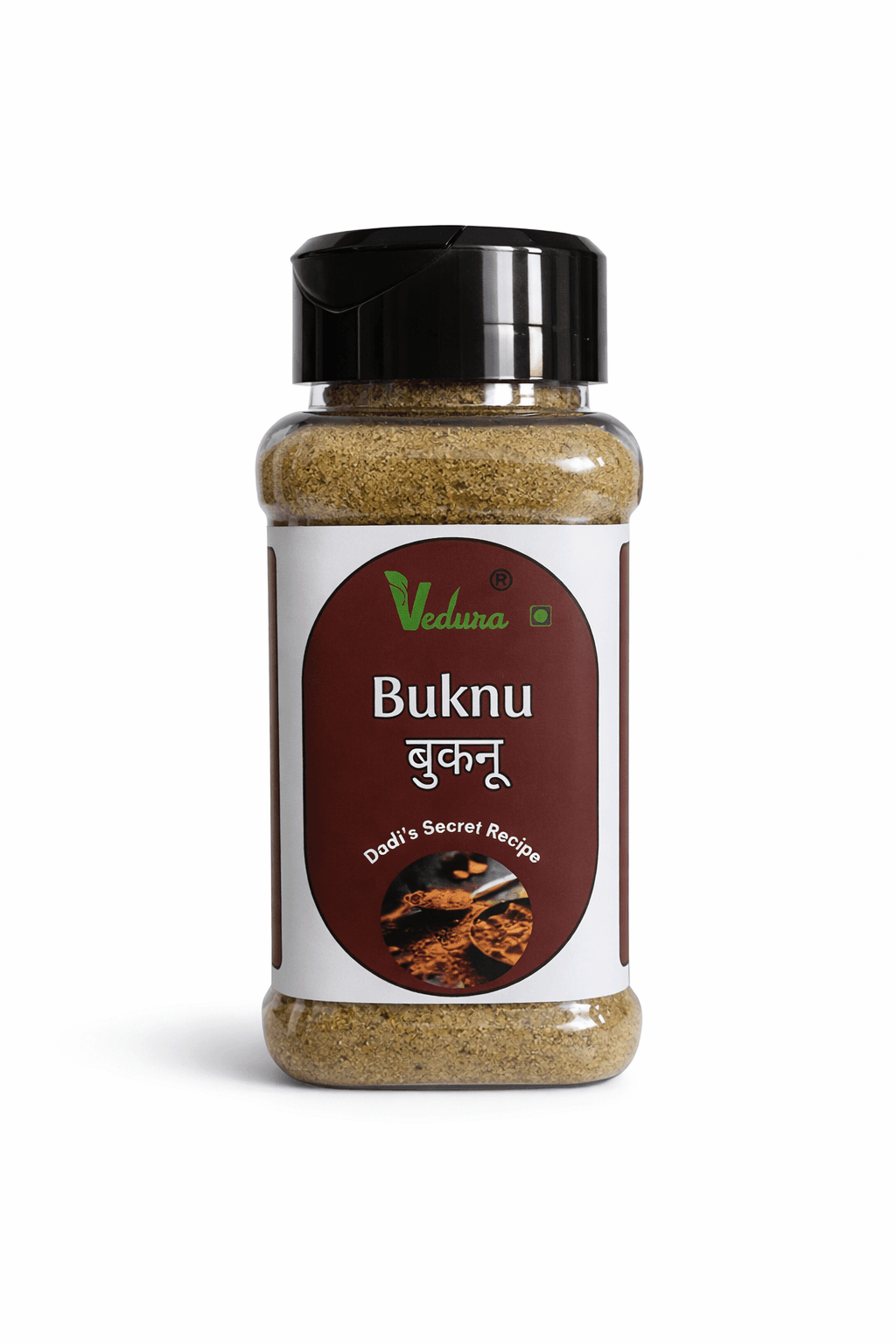
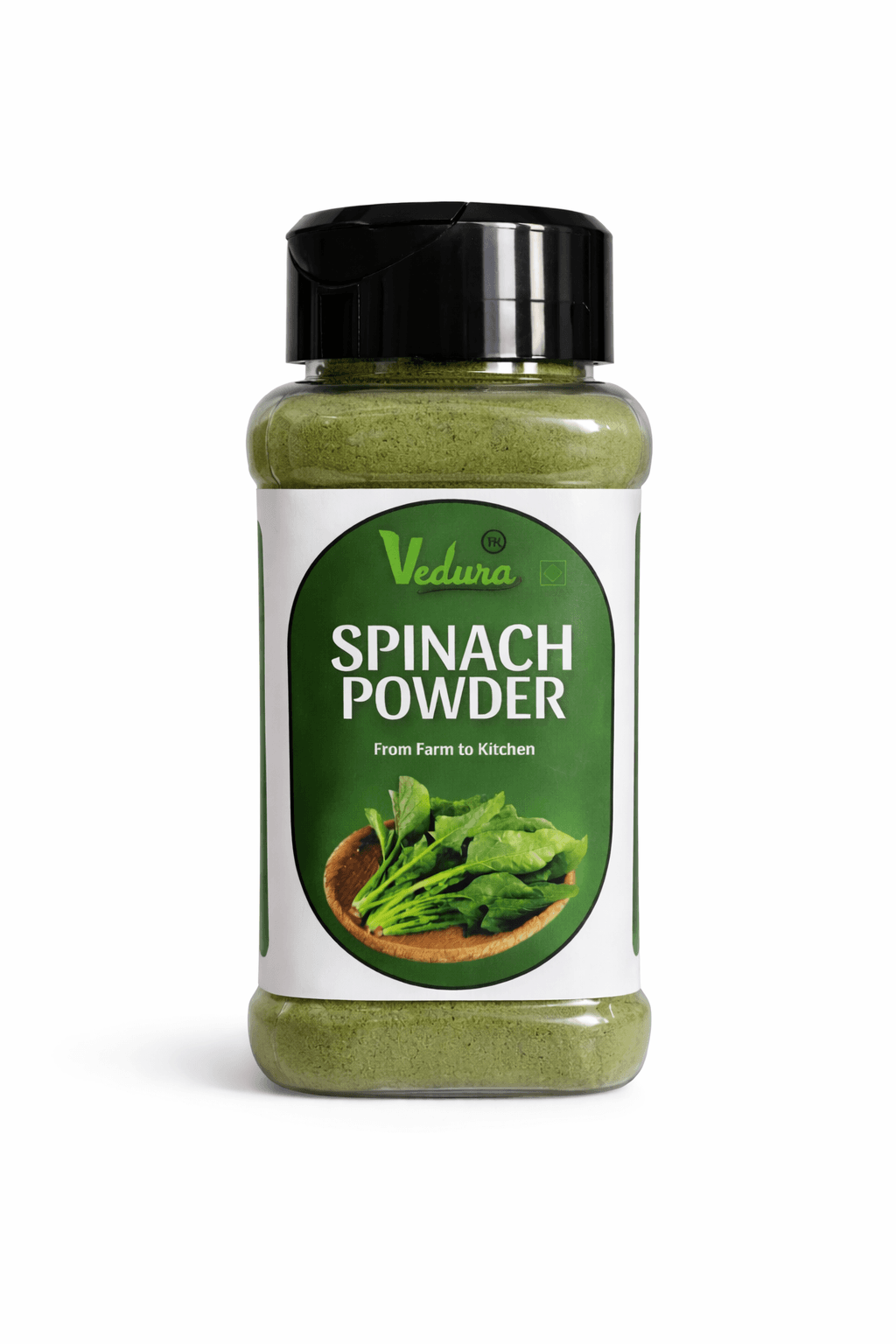
While cold chain is excellent for fresh-like preservation, dehydration offers an alternative, especially for certain products. Vedura Foods, for instance, leverages dehydration for its greens, extending shelf life significantly and reducing transport weight.
| Feature | Cold Chain Logistics | Dehydration |
| :---------------- | :----------------------------------- | :------------------------------------- |
| Preservation Method | Low temperature inhibits spoilage | Removes moisture to prevent spoilage |
| Shelf Life | Moderate (days to weeks/months) | Very long (months to years) |
| Product Suitability | Fresh fruits, vegetables, dairy, meat, fish | Spices, herbs, some fruits, vegetables (e.g., spinach, fenugreek) |
| Nutrient Retention | Generally high | Can vary; some heat-sensitive nutrients may be reduced |
| Texture & Flavour | Close to fresh | Significantly altered |
| Weight Reduction | Minimal | Substantial |
| Storage/Transport Cost | High (energy-intensive) | Low (ambient temperature, reduced weight) |
| Initial Investment | High (refrigeration units, insulation) | Moderate (dehydrators, processing) |
Choosing between cold chain and dehydration depends on your product, target market, desired shelf life, and budget. For products where fresh quality is paramount (e.g., premium fresh-cut vegetables, dairy), cold chain is indispensable. For value-added products like spices, herbs, or ingredients that tolerate drying, dehydration might be a more cost-effective and energy-efficient solution.
Key Cost Drivers and Considerations
Investing in cold chain is a significant decision for any small business. Understanding the cost drivers is crucial for accurate financial planning.
Initial Investment
This is the upfront capital required to set up the infrastructure. It includes the cost of cold storage units (prefabricated cold rooms, walk-in freezers), insulation, refrigeration machinery, power backup generators, and potentially land and building construction. Quality equipment from reputable manufacturers, though more expensive initially, can offer better energy efficiency and reliability in the long run.
Operational Expenses
Ongoing costs are equally important. Electricity consumption is a major expense, especially in India where power tariffs can be high. Regular maintenance of refrigeration units, repairs, insurance, and the salaries of skilled personnel required to operate and manage the cold chain also contribute to operational expenditure. Fuel costs for refrigerated transport vehicles add to the burden. Optimising routes, ensuring full load capacity, and regular maintenance of vehicles can help mitigate these costs.
FAQs
Q: What is cold chain logistics for food businesses?
A: Cold chain logistics refers to a temperature-controlled supply chain that maintains specific low temperatures for perishable food products from the point of origin (farm or processing unit) to the point of consumption. It involves refrigerated storage, refrigerated transportation, and temperature monitoring to preserve product quality and extend shelf life.
Q: Which government schemes support cold chain infrastructure for small businesses in India?
A: The primary government schemes are the Pradhan Mantri Kisan Sampada Yojana (PMKSY) and the Pradhan Mantri Formalisation of Micro Food Processing Enterprises (PMFME) Scheme, both under the Ministry of Food Processing Industries (MoFPI). These schemes offer credit-linked subsidies or grants-in-aid for setting up or upgrading cold storage facilities and related infrastructure.
Q: How much subsidy can an MSME get under PMFME for cold storage?
A: Under the PMFME Scheme, an individual micro food processing unit can receive a credit-linked capital subsidy of 35% of the eligible project cost, with a maximum subsidy limit of Rs. 10 lakh. This is designed to make smaller-scale cold storage investments more viable for micro-enterprises.
Q: Is cold chain always better than dehydration for preserving food?
A: Not always. The best method depends on the food product and market requirements. Cold chain is ideal for products where freshness, texture, and original flavour are paramount (e.g., dairy, fresh produce). Dehydration is better for products that can tolerate drying, where reduced weight and very long shelf life are advantageous (e.g., spices, certain vegetables for rehydration), often with lower operational costs.
Q: What are the biggest challenges for small businesses in establishing cold chain in India?
A: Major challenges include the high initial capital investment for refrigeration equipment and infrastructure, significant ongoing operational costs primarily due to electricity consumption, and the lack of reliable power supply in some rural areas. Additionally, finding skilled labour for maintenance and navigating the complexities of fragmented logistics networks can be difficult.
Q: Where can I find more detailed information on PMKSY and its cold chain components?
A: Detailed guidelines and application procedures for PMKSY, including its component for Integrated Cold Chain and Value Addition Infrastructure, can be found on the official website of the Ministry of Food Processing Industries (MoFPI). They regularly publish scheme documents and updates relevant to applicants.
Explore topics
Continue your Vedura journey
Explore product pages, practical recipes, and research-led explainers connected to this topic.
Comments
Be the first to comment.