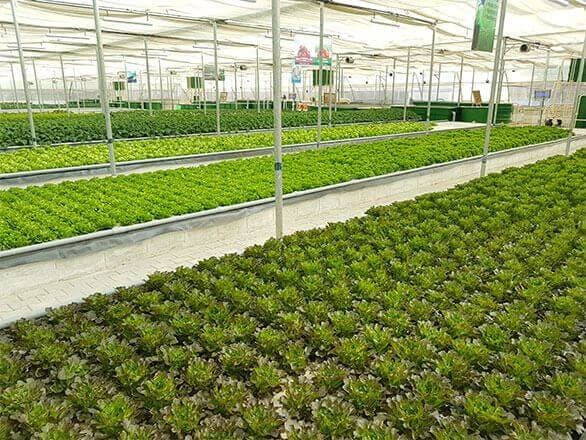

This visionary scheme is designed to create a medium-to-long term debt financing facility for investment in viable projects for post-harvest management infrastructure and community farming assets. With a substantial corpus of ₹1 lakh crore, the AIF aims to mobilize capital for a period of ten years, from FY2020 to FY2029. The core objective is to enhance the overall value chain, ensuring better realization for farmers and improved access to markets.
| Project Category | Examples of Infrastructure Covered | | :--------------- | :--------------------------------- | | **Storage Facilities** | Warehouses, silos, cold storage units, controlled atmosphere (CA) storage | | **Primary Processing** | Cleaning, grading, sorting, packaging units, pre-cooling units | | **Logistics** | Reefer vans, transportation vehicles, rural marketing infrastructure | | **Value Addition** | Ripening chambers, dry-storage for spices, oil extraction units, spice processing units | | **Community Farming** | Custom hiring centers, farm machinery banks, precision farming infrastructure | | **Organic Inputs** | Bio-stimulant production units, organic manure blending units, vermicompost units |
Quick Summary
The Agriculture Infrastructure Fund (AIF) scheme is a landmark initiative by the Indian government, offering a ₹1 lakh crore corpus to bridge critical gaps in post-harvest management infrastructure across the agricultural sector. It provides financial support through interest subvention of 3% per annum on loans up to ₹2 crore, along with credit guarantee coverage, empowering Farmer Producer Organizations (FPOs), entrepreneurs, and other eligible entities to invest in vital agri-infrastructure.
What is the Agriculture Infrastructure Fund (AIF)?
India's agricultural sector, a cornerstone of its economy, often grapples with inefficiencies in its post-harvest supply chain. From inadequate storage facilities to limited processing capabilities, these gaps lead to significant food waste and reduced farmer income. Recognizing this challenge, the Ministry of Agriculture & Farmers Welfare launched the Agriculture Infrastructure Fund (AIF) scheme in 2020.
This visionary scheme is designed to create a medium-to-long term debt financing facility for investment in viable projects for post-harvest management infrastructure and community farming assets. With a substantial corpus of ₹1 lakh crore, the AIF aims to mobilize capital for a period of ten years, from FY2020 to FY2029. The core objective is to enhance the overall value chain, ensuring better realization for farmers and improved access to markets.
A Vision for Rural Prosperity
The AIF is more than just a financing scheme; it's a strategic move to modernize Indian agriculture. By facilitating investments in crucial infrastructure, it seeks to reduce post-harvest losses, increase processing capacities, and ultimately, strengthen food security. The scheme’s emphasis on decentralized infrastructure also promotes local entrepreneurship and creates employment opportunities in rural areas, aligning with the broader vision of 'Atmanirbhar Bharat' or self-reliant India.
Key Benefits and Financial Support
The AIF scheme is structured to make financial assistance accessible and attractive for eligible stakeholders. Its primary benefits include significant interest subvention and robust credit guarantee coverage, making it easier for beneficiaries to secure loans for their agri-infrastructure projects.
Interest Subvention Explained
One of the most appealing features of the AIF is the provision of interest subvention. All loans sanctioned under the AIF scheme are eligible for a 3% interest subvention per annum, applicable for loans up to ₹2 crore. This subvention is available for a maximum period of seven years, significantly reducing the financial burden on borrowers and making projects more viable. For instance, if a bank charges 9% interest, the effective interest rate for the borrower would be 6% after the subvention, on eligible loan amounts.
Credit Guarantee Backing
To further de-risk lending by financial institutions, the AIF scheme also provides credit guarantee coverage. For loans up to ₹2 crore, borrowers can avail credit guarantee cover under the Credit Guarantee Fund Trust for Micro and Small Enterprises (CGTMSE) scheme. The fee for this coverage is borne by the government, ensuring that lenders are more confident in extending credit to agricultural projects, especially those initiated by smaller entities and first-time entrepreneurs. This dual benefit of interest subvention and credit guarantee makes the AIF an exceptionally supportive framework for agricultural investment.
Who Can Benefit? Eligible Projects and Entities
The AIF scheme cast a wide net to ensure maximum participation and impact across the agricultural value chain. It supports a diverse range of projects and welcomes applications from various entities that play a crucial role in strengthening India's agri-ecosystem.
Eligible Entities
The scheme is designed to empower a broad spectrum of stakeholders, including:
* Farmer Producer Organizations (FPOs): Groups of farmers who pool resources for better market access and processing.
* Primary Agricultural Credit Societies (PACS): Village-level cooperative credit institutions.
* Self Help Groups (SHGs): Small groups of people who come together for mutual support.
* Multipurpose Cooperative Societies: Cooperatives involved in various activities.
* Agri-entrepreneurs and Startups: Individuals or companies venturing into agriculture-related businesses.
* Joint Liability Groups (JLGs): Informal groups of individuals seeking loans.
* State Agencies / APMC Mandis: Government bodies involved in agricultural marketing.
* Local Bodies sponsored Public Private Partnership (PPP) Projects: Collaborative projects involving government and private sectors.
Eligible Projects
The fund supports investments in a comprehensive list of post-harvest management and community farming assets. This includes, but is not limited to, the following:
| Project Category | Examples of Infrastructure Covered |
| :--------------- | :--------------------------------- |
| Storage Facilities | Warehouses, silos, cold storage units, controlled atmosphere (CA) storage |
| Primary Processing | Cleaning, grading, sorting, packaging units, pre-cooling units |
| Logistics | Reefer vans, transportation vehicles, rural marketing infrastructure |
| Value Addition | Ripening chambers, dry-storage for spices, oil extraction units, spice processing units |
| Community Farming | Custom hiring centers, farm machinery banks, precision farming infrastructure |
| Organic Inputs | Bio-stimulant production units, organic manure blending units, vermicompost units |
This extensive list ensures that critical infrastructure gaps across various agricultural products can be addressed, from perishable fruits and vegetables to grains and spices.
Application Process and Loan Disbursement
The application process for the AIF scheme is streamlined through a digital platform, aiming for efficiency and transparency. Aspiring beneficiaries can typically apply by approaching their chosen financial institution, which includes commercial banks, cooperative banks, Regional Rural Banks (RRBs), Small Finance Banks (SFBs), and even Non-Banking Financial Companies (NBFCs).
Applicants are required to submit a detailed project report, along with necessary documentation such as land records, identity proofs, and business plans. The financial institutions then appraise the project for viability and sanction the loan. Once sanctioned, the eligible interest subvention and credit guarantee benefits are automatically linked to the loan account.
The scheme is implemented in close coordination with the Ministry of Agriculture & Farmers Welfare and financial institutions. NABARD (National Bank for Agriculture and Rural Development) plays a pivotal role in facilitating the scheme's outreach and monitoring. For detailed guidelines and to initiate an application, interested parties can visit the official AIF portal: aif.nabard.org.
Impact on India's Food Supply Chain
The successful implementation of the Agriculture Infrastructure Fund is poised to bring about transformative changes in India's food supply chain. By fostering robust post-harvest infrastructure, the scheme directly addresses the issue of food wastage, which, according to various estimates including those from the ICAR (Indian Council of Agricultural Research), can be substantial for certain commodities. Reducing waste means more food available for consumption, thereby strengthening national food security.
Furthermore, improved infrastructure, such as modern cold storage and primary processing units, enables farmers to store their produce longer and process it closer to the farm gate. This not only fetches better prices for farmers by allowing them to sell when market conditions are favorable but also creates opportunities for value addition at the local level. This decentralization of processing and storage also empowers rural economies, creating jobs and fostering local entrepreneurship. The AIF acts as a catalyst, encouraging innovation and efficiency, ultimately benefiting both producers and consumers by ensuring a more resilient and responsive food system.
FAQs
Q: What is the primary objective of the AIF scheme?
A: The primary objective of the Agriculture Infrastructure Fund (AIF) scheme is to provide medium-to-long term debt financing for investment in viable projects related to post-harvest management infrastructure and community farming assets. This aims to reduce post-harvest losses, increase farmer incomes, and strengthen agricultural logistics.
Q: Who is eligible to apply for AIF loans?
A: A wide range of entities are eligible, including Farmer Producer Organizations (FPOs), Primary Agricultural Credit Societies (PACS), Self Help Groups (SHGs), Multipurpose Cooperative Societies, Agri-entrepreneurs, Startups, Joint Liability Groups, State Agencies, APMC Mandis, and Local Bodies sponsored PPP projects.
Q: What kind of projects are covered under the AIF scheme?
A: The scheme covers diverse projects like cold storage, warehouses, silos, primary processing units (cleaning, grading, sorting), custom hiring centers, custom hiring centres, farm machinery banks, logistics infrastructure (reefer vans), and infrastructure for organic input production, among others.
Q: How does the interest subvention work?
A: All loans under the AIF scheme receive a 3% interest subvention per annum on loans up to ₹2 crore. This subvention is provided for a maximum of seven years, effectively reducing the borrower's interest burden and making projects more financially viable.
Q: Is there a credit guarantee cover for AIF loans?
A: Yes, for loans up to ₹2 crore, beneficiaries can avail credit guarantee coverage under the Credit Guarantee Fund Trust for Micro and Small Enterprises (CGTMSE) scheme. The government bears the cost of this guarantee fee, encouraging banks to lend more readily to agricultural projects.
Q: What is the maximum loan amount under AIF?
A: While there is no strict upper limit on the total project cost, the interest subvention and credit guarantee benefits are capped for loans up to ₹2 crore per eligible entity for a project. For projects exceeding ₹2 crore, the benefits are applicable only on the first ₹2 crore of the loan amount.
Explore topics
Continue your Vedura journey
Explore product pages, practical recipes, and research-led explainers connected to this topic.
Comments
Be the first to comment.