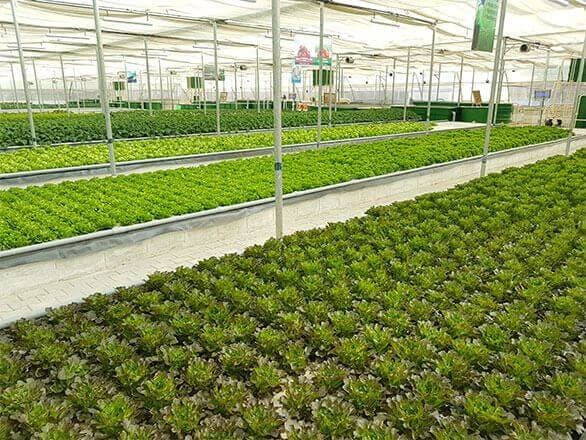
The Warehouse Infrastructure Fund (WIF), initially launched by NABARD in 2011-12, aimed to provide financial assistance for the construction and renovation of modern storage infrastructure. Over time, its objectives have largely converged with broader national initiatives, most notably the Agriculture Infrastructure Fund (AIF), launched under the Atmanirbhar Bharat Abhiyan. NABARD plays a pivotal role in facilitating and refinancing projects under these schemes, ensuring that capital reaches the grassroots level where it's most needed.
The core financial incentive under AIF, which many warehousing projects now leverage, is an **interest subvention** of 3% per annum. This subvention is available for loans up to ₹2 crore per project, for a maximum period of 7 years. This effectively reduces the interest burden on beneficiaries, making project financing more accessible and sustainable. Additionally, credit guarantee coverage is available under the Credit Guarantee Fund Trust for Micro and Small Enterprises (CGTMSE) scheme for eligible projects, providing further comfort to lenders and borrowers alike.
Quick Summary
NABARD's initiatives, particularly through the Warehouse Infrastructure Fund and its convergence with the Agriculture Infrastructure Fund (AIF), offer crucial financial support for developing modern storage and cold chain facilities essential for food processing. Eligible entities, including FPOs and entrepreneurs, can apply via `nabard.org` or the AIF portal, availing benefits like interest subvention to mitigate post-harvest losses and boost value addition.
Understanding India's Need for Modern Warehousing
India, a powerhouse in agricultural production, faces significant challenges in post-harvest management. Estimates suggest that substantial percentages of fresh produce are lost annually due to inadequate storage, inefficient cold chains, and poor logistics. This not only impacts farmers' incomes but also hinders the growth of the food processing sector, which relies on a consistent supply of quality raw materials. Recognising this gap, the Government of India, through institutions like the National Bank for Agriculture and Rural Development (NABARD), has prioritised the development of robust warehouse infrastructure.
The Warehouse Infrastructure Fund (WIF), initially launched by NABARD in 2011-12, aimed to provide financial assistance for the construction and renovation of modern storage infrastructure. Over time, its objectives have largely converged with broader national initiatives, most notably the Agriculture Infrastructure Fund (AIF), launched under the Atmanirbhar Bharat Abhiyan. NABARD plays a pivotal role in facilitating and refinancing projects under these schemes, ensuring that capital reaches the grassroots level where it's most needed.
Subsidy Structure and Financial Support Through AIF
For food processing units and agri-entrepreneurs looking to establish or upgrade their warehousing facilities, the financial support mechanism is now primarily channeled through the Agriculture Infrastructure Fund (AIF), with NABARD acting as a key implementing and refinancing agency. The AIF is a medium-long term debt financing facility for investment in viable projects for post-harvest management infrastructure and community farming assets.
The core financial incentive under AIF, which many warehousing projects now leverage, is an interest subvention of 3% per annum. This subvention is available for loans up to ₹2 crore per project, for a maximum period of 7 years. This effectively reduces the interest burden on beneficiaries, making project financing more accessible and sustainable. Additionally, credit guarantee coverage is available under the Credit Guarantee Fund Trust for Micro and Small Enterprises (CGTMSE) scheme for eligible projects, providing further comfort to lenders and borrowers alike.
Illustrative Financial Benefits under AIF for a Warehouse Project
| Loan Amount (₹) | Standard Interest Rate (%) | AIF Interest Subvention (%) | Effective Interest Rate (%) | Savings Per Annum (₹) |
|---|---|---|---|---|
| 1,00,00,000 | 9.0% | 3.0% | 6.0% | 3,00,000 |
| 2,00,00,000 | 9.0% | 3.0% | 6.0% | 6,00,000 |
*Note: Standard interest rates are indicative and vary based on bank and credit assessment. The 3% interest subvention applies to the loan amount up to ₹2 crore.* This table clearly illustrates the direct financial benefit, making projects more viable for MSMEs and FPOs.
Application Process via nabard.org and AIF Portal
Applying for financial assistance for warehouse infrastructure involves a structured process, often beginning with project conceptualisation and Detailed Project Report (DPR) preparation. While NABARD's website (`nabard.org`) provides comprehensive guidelines and scheme documents, many applicants for warehouse projects will directly interact with the AIF portal (`agriinfra.nic.in`).
Key Steps in the Application Process:
1. Project Identification: Define the type of warehouse (e.g., cold storage, dry storage for specific commodities, ripening chambers) and its capacity, aligning with local demand and existing gaps.
2. DPR Preparation: Develop a robust DPR outlining technical specifications, financial projections, environmental clearances, and detailed cost estimates. This is a crucial document for loan appraisal.
3. Loan Application: Approach eligible lending institutions such as Commercial Banks, Cooperative Banks, Regional Rural Banks (RRBs), or Small Finance Banks (SFBs) with the DPR for project financing.
4. AIF Registration: Once the bank sanctions the loan, the beneficiary (or the bank) registers the project on the AIF portal (`agriinfra.nic.in`) to avail the interest subvention and credit guarantee benefits. The portal streamlines the application and tracking process.
5. NABARD's Role: NABARD acts as a nodal agency for AIF, providing refinancing support to banks and ensuring smooth implementation. They also offer guidance and capacity building for various stakeholders, particularly Farmer Producer Organisations (FPOs) and cooperatives.
Building for Tomorrow: Who's Benefiting in 2024-26
The focus for warehouse infrastructure development in the 2024-26 period remains strongly on grassroots entities and those who can create maximum impact on farmer incomes and food security. While specific company names are not disclosed, the typical beneficiaries include:
* Farmer Producer Organisations (FPOs): These organisations are increasingly leveraging schemes like AIF to build common storage facilities, enabling better price realisation for their members and reducing distress sales. A strong FPO in Maharashtra, for instance, has successfully established a multi-commodity cold storage unit, significantly reducing post-harvest losses for local farmers cultivating fruits and vegetables.
* Self-Help Groups (SHGs) and Joint Liability Groups (JLGs): Smaller, community-based groups are supported in setting up village-level storage units, often integrated with primary processing activities, thereby empowering rural women entrepreneurs.
* Individual Entrepreneurs and Agri-Startups: Visionary individuals and new ventures in the food processing sector are capitalising on the support to establish modern warehouses, crucial for quality control and market access.
* Cooperative Societies: Traditional cooperatives are revitalising their infrastructure with modern cold storage and dry warehousing, catering to their members' diverse agricultural produce.
* State Agencies and PSUs: These entities undertake larger-scale infrastructure projects that serve as regional hubs for aggregation and distribution, supporting the broader food supply chain.
These beneficiaries are not just constructing basic storage; they are investing in advanced facilities like controlled atmosphere (CA) storage, pre-cooling units, and integrated cold chain solutions that are vital for value-added food processing products.
Challenges and Opportunities for Food Entrepreneurs
While the schemes offer substantial support, food entrepreneurs still face challenges. These include navigating complex application procedures, preparing detailed project reports, arranging the promoter's contribution, and ensuring market linkages for their stored produce. Access to suitable land and obtaining necessary clearances can also be time-consuming.
However, the opportunities far outweigh the challenges. Modern warehousing infrastructure directly translates to reduced post-harvest losses, improved product quality, extended shelf life, and enhanced bargaining power for farmers and processors. For food entrepreneurs, this means a reliable supply chain, consistent quality inputs, and the ability to process seasonal produce year-round, leading to higher profitability and market competitiveness. The push towards decentralised processing units, supported by efficient storage, is transforming rural economies and fostering local entrepreneurship.
FAQs
Q: What is the primary goal of the NABARD Warehouse Infrastructure Scheme?
A: The primary goal is to provide financial assistance for the creation and modernisation of warehousing, cold storage, and other post-harvest infrastructure. By doing so, it aims to reduce post-harvest losses, improve storage capacity, enhance farmers' income, and support the growth of the food processing sector in India.
Q: Who is eligible to apply for this scheme?
A: A wide range of entities are eligible, including Farmer Producer Organisations (FPOs), individual entrepreneurs, cooperatives, Self-Help Groups (SHGs), Joint Liability Groups (JLGs), local bodies, state agencies, and even private companies. The specific eligibility criteria may vary slightly depending on the specific sub-scheme or fund being accessed, such as the Agriculture Infrastructure Fund (AIF).
Q: How does the Agriculture Infrastructure Fund (AIF) relate to NABARD's scheme?
A: The Agriculture Infrastructure Fund (AIF) is a broader national scheme for financing post-harvest management infrastructure. NABARD plays a crucial role as a nodal agency, facilitating the flow of funds, providing refinancing support to banks, and guiding beneficiaries, especially FPOs, to leverage AIF benefits like interest subvention for their warehousing projects.
Q: What is the typical subsidy percentage available for warehousing projects?
A: Under the Agriculture Infrastructure Fund (AIF), the primary financial benefit for warehousing projects is an interest subvention of 3% per annum on loans up to ₹2 crore, for a maximum period of 7 years. While some older or specific NABARD-backed schemes might have offered capital subsidies, the interest subvention under AIF is the dominant form of direct financial relief for new infrastructure projects.
Q: Where can I find detailed application guidelines for warehouse infrastructure projects?
A: Detailed application guidelines for projects seeking support for warehouse infrastructure, especially those leveraging the Agriculture Infrastructure Fund, can be found on the official AIF portal at `agriinfra.nic.in`. NABARD's official website, `nabard.org`, also provides relevant scheme documents, policies, and contact information for further assistance and clarification.
Q: What kind of projects are supported under this scheme for food processing?
A: The scheme supports various projects critical for food processing, including dry warehouses for grains and spices, cold storage units for fruits, vegetables, and processed foods, ripening chambers, pre-cooling units, and integrated pack-houses. The focus is on creating infrastructure that enhances the quality, shelf life, and marketability of agricultural produce, thereby boosting the value chain for food processors.
Explore topics
Continue your Vedura journey
Explore product pages, practical recipes, and research-led explainers connected to this topic.
Comments
Be the first to comment.