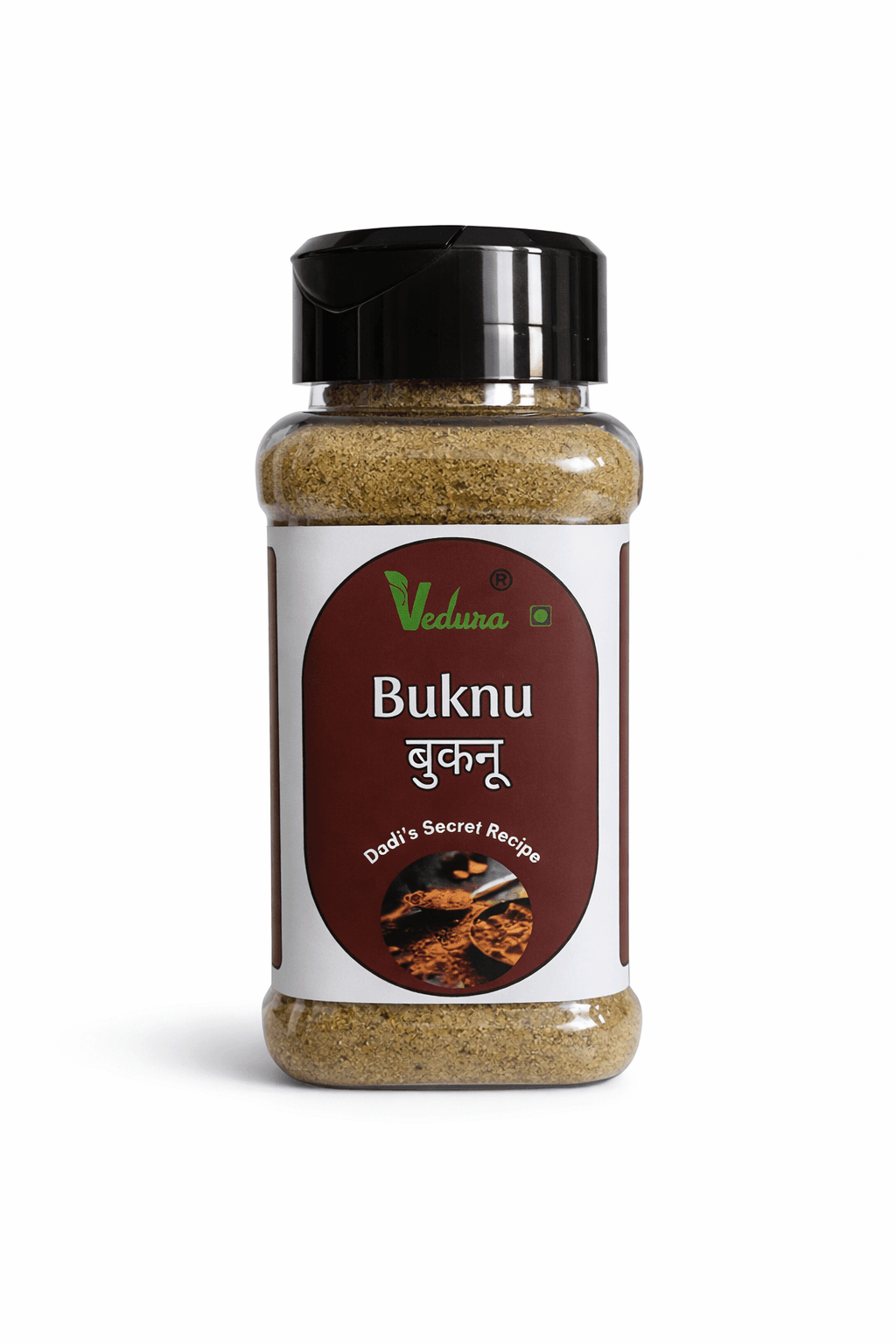

What sets Buknu apart is its focus on digestive wellness, a common thread in many traditional Indian preparations. Experts at the **ICMR-National Institute of Nutrition (NIN) Hyderabad** often highlight the holistic benefits of traditional Indian spice blends, noting their role in aiding digestion and boosting immunity, a philosophy Buknu inherently embodies. It's not merely a seasoning but a functional food item, consumed daily for its perceived health advantages.
The city's climate, with its extremes, likely necessitated foods that could aid digestion and preserve well. Buknu, with its reliance on dried spices and a salt base, fit this requirement perfectly. Moreover, Kanpur's position as a trade hub meant access to a wide array of spices, allowing for the experimentation and refinement of such a complex blend. The art of making Buknu was a closely guarded family secret, passed down through generations, with each household often having its unique permutation of ingredients and proportions.
Quick Summary
Buknu Masala is a distinctive, lesser-known spice blend originating from Kanpur, Uttar Pradesh, revered for its digestive properties and unique flavor profile. This post delves into its intriguing history, exploring why it blossomed in Kanpur and remained largely a regional secret, while highlighting the efforts of small brands in preserving and promoting this invaluable culinary heritage.
The Allure of Buknu Masala: Kanpur's Signature Blend
Buknu Masala is not just another spice mix; it is an experience, a whisper of Kanpur's rich culinary past. Unlike the more globally recognized Garam Masala, Buknu possesses a distinct character – earthy, tangy, and subtly pungent, with a remarkable ability to aid digestion. Its flavour profile is complex, often featuring a base of black salt, dried ginger, asafoetida, cumin, coriander, and various other potent spices, all meticulously ground to perfection. This blend is traditionally used as a sprinkle over everyday meals, elevating simple dal-chawal or roti-sabzi to a gastronomic delight.
What sets Buknu apart is its focus on digestive wellness, a common thread in many traditional Indian preparations. Experts at the ICMR-National Institute of Nutrition (NIN) Hyderabad often highlight the holistic benefits of traditional Indian spice blends, noting their role in aiding digestion and boosting immunity, a philosophy Buknu inherently embodies. It's not merely a seasoning but a functional food item, consumed daily for its perceived health advantages.
Kanpur: Where Buknu Found its Soul
Kanpur, a city historically known for its industrial prowess, also holds a significant place in the gastronomic map of Uttar Pradesh. The genesis of Buknu Masala is deeply intertwined with the city's unique cultural tapestry and the culinary ingenuity of its inhabitants. Oral traditions suggest Buknu emerged centuries ago, primarily within households as a remedy for indigestion and a flavour enhancer for simple, often vegetarian, meals.
The city's climate, with its extremes, likely necessitated foods that could aid digestion and preserve well. Buknu, with its reliance on dried spices and a salt base, fit this requirement perfectly. Moreover, Kanpur's position as a trade hub meant access to a wide array of spices, allowing for the experimentation and refinement of such a complex blend. The art of making Buknu was a closely guarded family secret, passed down through generations, with each household often having its unique permutation of ingredients and proportions.
The Unsung Hero: Why Buknu Remained a Regional Secret
Despite its profound flavour and health benefits, Buknu Masala remained largely confined to Kanpur and its immediate surroundings. Several factors contributed to its regional exclusivity. Primarily, its production was artisanal and home-based, lacking the commercial scale and marketing efforts that propelled other spice blends to national fame. The intricate process of roasting, grinding, and blending, often done manually, made mass production challenging.
Furthermore, the specific palate developed in the Kanpur region embraced Buknu's unique tang and digestive punch, which might have been an acquired taste for those outside its cultural sphere. Unlike Garam Masala, which offers a broader, more universally appealing warmth, Buknu’s sharper profile catered to a particular local preference. The lack of a strong entrepreneurial drive to commercialize and distribute it widely also played a role. It was a local treasure, shared amongst neighbours and relatives, rather than marketed as a pan-Indian product.
Guardians of Tradition: Small Brands and Buknu's Future
The tide is now turning for Buknu Masala, thanks to the vision and dedication of small and medium-sized enterprises (MSMEs) and local food entrepreneurs. These brands are stepping in to bridge the gap between traditional home-based production and wider market accessibility. By adhering to authentic recipes and traditional methods, they ensure that the essence of Buknu is preserved while making it available to a broader audience.
Vedura Foods, for instance, is committed to this mission, offering authentic Buknu Masala (https://www.vedurafoods.com/product/buknu) that upholds the traditional recipe while making it accessible nationwide. These brands are not just selling a product; they are selling a piece of cultural heritage. They invest in quality sourcing, hygienic processing, and thoughtful packaging, ensuring that Buknu reaches consumers in its purest form. The Food Safety and Standards Authority of India (FSSAI) plays a crucial role in ensuring that all food products, including traditional spice blends, meet stringent quality and safety parameters, a standard that reputable Buknu producers adhere to. This commercialization, when done responsibly, allows for the cultural preservation of such unique regional foods, providing economic opportunities and fostering culinary diversity.
Beyond the Plate: Buknu as a Cultural Marker
Buknu Masala transcends its role as a mere seasoning; it is a profound cultural marker for Kanpur. It represents the shared heritage, the collective memory of generations, and the warmth of home-cooked meals. For many Kanpuris, the aroma of Buknu evokes nostalgia, reminding them of childhood dinners and family gatherings. It symbolizes resilience and resourcefulness, born out of a tradition of making the most out of available ingredients to create something both delicious and beneficial.
Its continued existence, nurtured by families and now championed by small businesses, is a testament to the enduring power of food as a vehicle for cultural identity. As more people discover Buknu, it not only brings a unique flavour to their tables but also introduces them to a lesser-known facet of India's incredibly diverse culinary landscape, celebrating the regional nuances that make Indian cuisine so rich and varied.
FAQs
Q: What is Buknu Masala used for?
A: Buknu Masala is primarily used as a finishing spice, sprinkled over a variety of dishes like dal (lentils), raita (yogurt dip), salads, rice, or even plain roti (flatbread). It adds a unique tangy, earthy, and pungent flavour, enhancing the overall taste and often aiding digestion.
Q: Is Buknu Masala similar to Garam Masala?
A: No, Buknu Masala is distinct from Garam Masala. While both are Indian spice blends, Buknu has a tangier, more digestive-focused profile often featuring black salt and specific ingredients like dried ginger and asafoetida. Garam Masala, on the other hand, is generally a warming blend used during cooking, focusing on aromatic spices like cardamom, cinnamon, and cloves.
Q: Why is Buknu primarily associated with Kanpur?
A: Buknu Masala's association with Kanpur stems from its historical origins within the city's households, where it was developed and perfected over generations. Factors like local culinary traditions, specific ingredient availability, and home-based production methods contributed to its regional exclusivity, making it a unique culinary heritage of Kanpur.
Q: What are the key ingredients in Buknu?
A: While recipes vary slightly, common key ingredients in Buknu Masala include black salt, dried ginger (saunth), asafoetida (hing), cumin (jeera), coriander (dhaniya), black pepper, and sometimes various types of chillies and other digestive herbs. The precise blend and proportion contribute to its signature taste.
Q: How do traditional Buknu recipes differ from modern ones?
A: Traditional Buknu recipes were often family secrets, passed down orally, with ingredients sometimes varying based on household preferences and local availability. Modern commercial versions, while striving to maintain authenticity, often standardize the ingredient list and proportions for consistency and mass production, ensuring quality control and adherence to food safety standards.
Q: Can Buknu Masala be made at home?
A: Yes, Buknu Masala can certainly be made at home. Many traditional households in Kanpur continue to prepare it from scratch. It involves sourcing high-quality whole spices, carefully roasting them (some raw), grinding them into a fine powder, and then blending them in specific proportions. The process requires patience and a good understanding of the ingredients.
Explore topics
Continue your Vedura journey
Explore product pages, practical recipes, and research-led explainers connected to this topic.
Comments
Be the first to comment.