India is not a uniform agricultural landscape. It is a subcontinent of dramatically different climates, soils, rainfall patterns, and agricultural traditions - and the quality of any ingredient is inseparable from the specific geography that produced it.
Erode turmeric is not the same as generic turmeric. Punjab mustard greens are not the same as out-of-season alternatives. This is not marketing. It is soil science, climate dependency, and agricultural heritage.
From Erode to Lucknow: The Geography of Every Vedura Ingredient
India is not a uniform agricultural landscape. It is a subcontinent of dramatically different climates, soils, rainfall patterns, and agricultural traditions - and the quality of any ingredient is inseparable from the specific geography that produced it.
Erode turmeric is not the same as generic turmeric. Punjab mustard greens are not the same as out-of-season alternatives. This is not marketing. It is soil science, climate dependency, and agricultural heritage.
Here is the geography of where our ingredients come from, and why each location matters.
Turmeric: Erode, Tamil Nadu
Erode - "the Turmeric City" - is a district in western Tamil Nadu that produces approximately 40% of India's total turmeric output. The combination of red loamy soil, specific temperature range (20-30C), and well-distributed rainfall creates growing conditions that consistently produce turmeric with curcumin concentrations of 4-6% dry weight.
Generic turmeric from unspecified sources typically contains 2-3% curcumin. The difference matters enormously for both flavour intensity and functional compound delivery.
Erode varieties - particularly the Alleppey and Salem types - are the international benchmark for premium turmeric. When we specify Erode turmeric, we are specifying a curcumin density that less specific sourcing cannot guarantee.
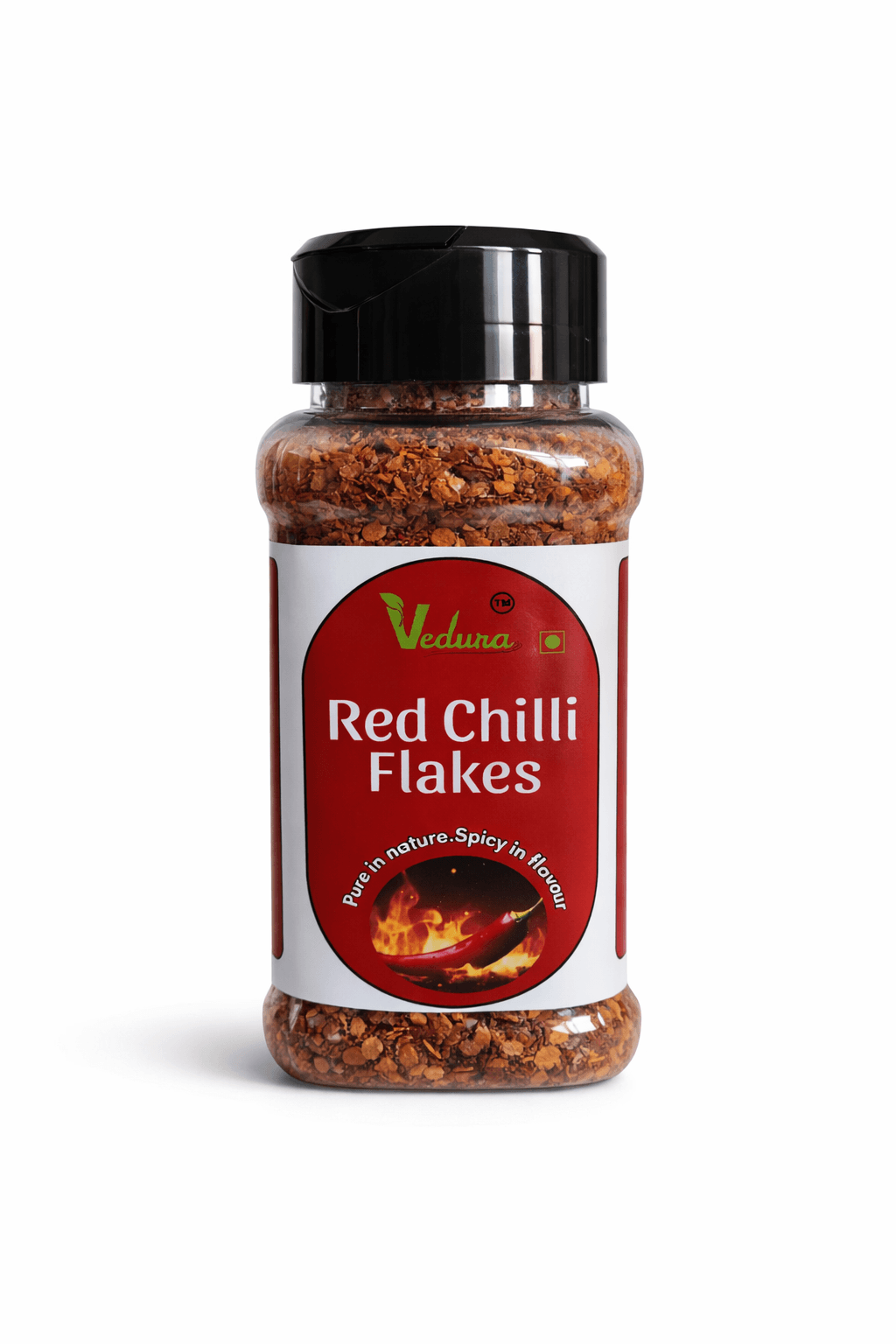
Green and Red Chilli Flakes: Andhra Pradesh and Telangana
The two Telugu-speaking states of South India are India's dominant chilli-producing states - together accounting for over 50% of national production. The specific varieties grown here - Guntur Sannam, Teja, and 334 - have a distinctive heat and aromatic balance that differ meaningfully from chillies grown in other states.
Guntur Sannam, used for red chilli flakes, has a deep red colour from high capsanthin (a red carotenoid pigment) content and a heat level that is bold but not searing - the rounded, restaurant-familiar heat that makes it ideal for general use.
The climate of the Guntur and Khammam districts - hot, low humidity, specific soil type - creates the sugar-to-capsaicin ratio that gives these varieties their distinctive character.
Sarso Ka Saag: Punjab (Peak Season: January)
Mustard greens are grown across North India, but the mustard greens of Punjab's central agricultural belt - in the districts surrounding Ludhiana, Amritsar, and Patiala - are the cultural and culinary benchmark.
The Punjab mustard green's flavour is shaped by cold winter temperatures (which reduce sugar conversion and maintain the characteristic peppery bitterness), rich alluvial soil from the Indus river system, and centuries of agricultural selection for cooking quality rather than merely yield.
We source sarso specifically during peak January harvest - when glucosinolate content is highest, when the leaves are most tender, and when the characteristic flavour is most fully expressed. Off-season sarso, grown under polytunnel or in warmer climates, is nutritionally and flavourly different.
Bathua: Wild-Harvested, Northern Indian Plains
Bathua (Chenopodium album) does not yield to cultivation in the traditional sense - it grows as a weed in cultivated fields across the Gangetic plains, the Himalayan foothills, and the agricultural zones of UP, Bihar, and Rajasthan during the winter months.
We source from identified wild-harvest zones in the UP and Uttarakhand belt where agricultural chemical use is low - confirmed through our sourcing partnerships with farmer communities. Wild-harvested bathua from clean fields has a more complex mineral profile than cultivated alternatives would produce, reflecting the diverse soil and root environment of its natural habitat.
The seasonality is strict: November to February. Outside this window, the plant is not available at quality.
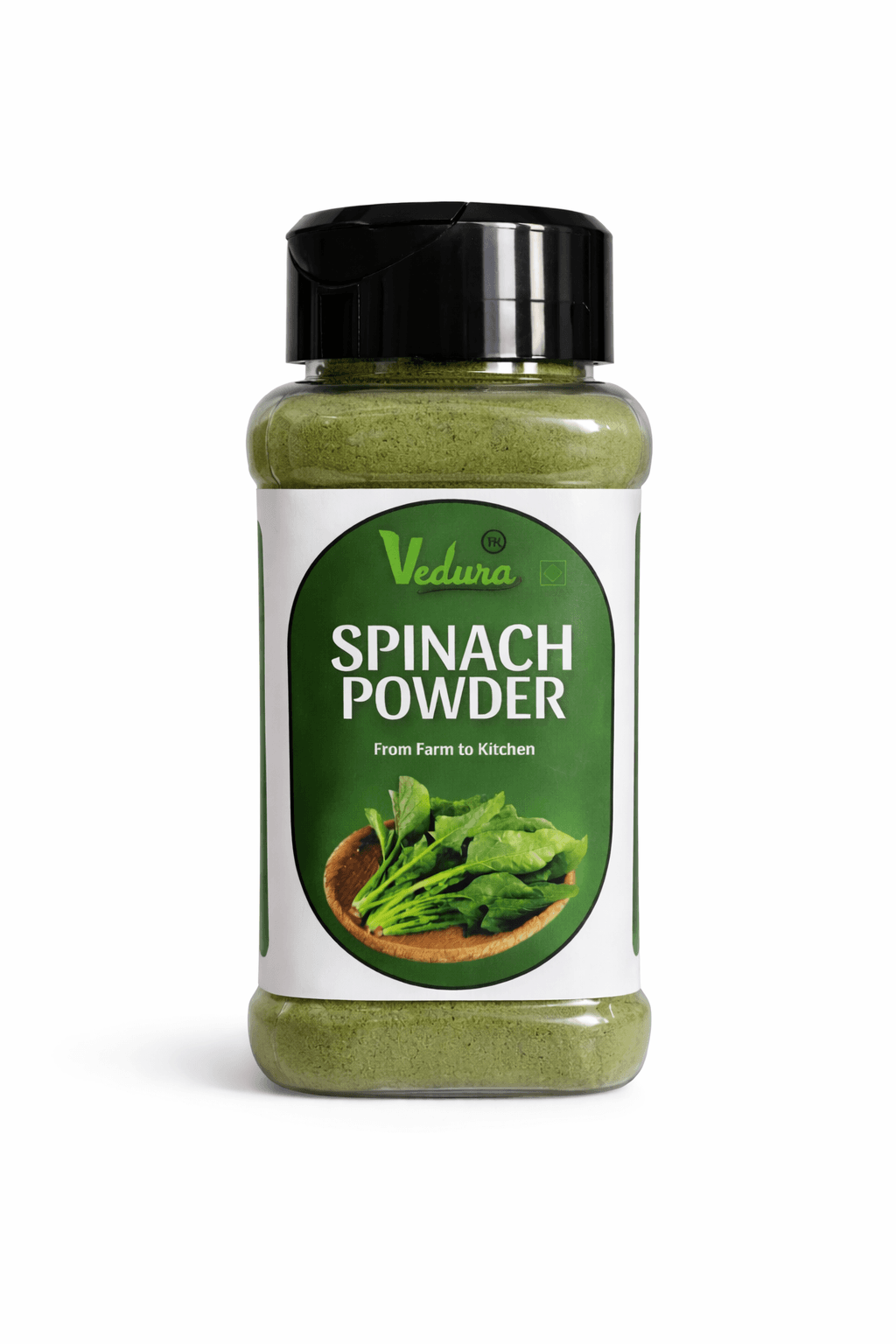
Spinach and Coriander: North Indian Agricultural Belt
Palak and dhaniya are grown across a wide North Indian belt covering UP, Haryana, MP, and Rajasthan - with peak quality in the cooler months (October-March) when lower temperatures slow growth and concentrate flavour.
We source from the Agra-Mathura-Lucknow belt in UP - a region with a strong tradition of leafy green production and the infrastructure for handling and quick processing that dehydration requires. The window between harvest and dehydration is critical: leafy greens begin losing Vitamin C and volatile compounds within hours of harvest. Proximity to processing reduces this window.
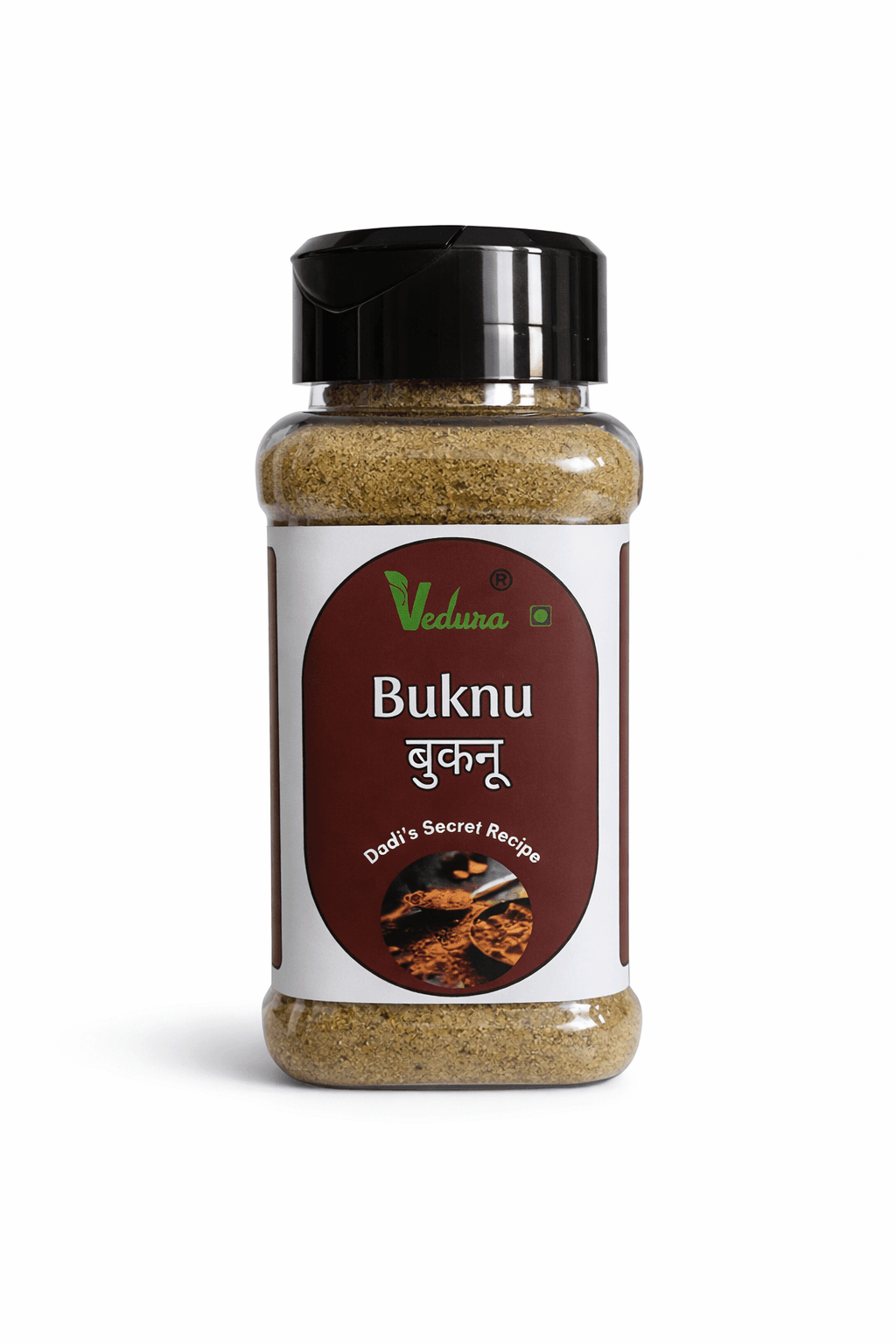
Buknu Spices: Varanasi-Lucknow Corridor, Uttar Pradesh
Buknu is not a single-origin ingredient but a multi-ingredient blend with a specific regional character. Its origin is the Purvanchal and Awadh regions of UP - the cooking tradition of Varanasi, Lucknow, Allahabad, and the cultural belt that connects them.
The specific spice ratio, the stone-grinding technique, and the inclusion of sendha namak and ajwain as integral rather than optional components reflect the regional culinary tradition that produced Buknu as a condiment over centuries. We formulate according to the regional standard - not a generic chaat masala with Buknu's name on it.
Why Provenance Is a Quality Commitment, Not a Story
Every ingredient origin on this page is a quality decision, not a narrative exercise. The Erode turmeric specification means higher curcumin. The January Punjab sourcing means peak glucosinolate content in sarso. The UP belt sourcing for leafy greens means shorter harvest-to-dehydration windows.
Provenance without specificity is marketing. Provenance with specificity - with the actual geography, the actual season, the actual variety - is a quality claim that can be tested against the product.
We are comfortable with that test.
Explore topics
Continue your Vedura journey
Explore product pages, practical recipes, and research-led explainers connected to this topic.
Comments
Be the first to comment.