
India's spice blending tradition is one of the most complex and regionally diverse in the world. The major blends - garam masala, chaat masala, sambar powder, rasam powder, Buknu, and the others - are not interchangeable variations on a common theme. They are distinct flavour systems designed for specific applications, built from different spice ratios, and achieving categorically different results.
Understanding these differences is the foundation of competent Indian cooking. Using chaat masala where garam masala belongs is not a minor substitution. It is using the wrong tool entirely.
Every Major Indian Spice Blend Explained
India's spice blending tradition is one of the most complex and regionally diverse in the world. The major blends - garam masala, chaat masala, sambar powder, rasam powder, Buknu, and the others - are not interchangeable variations on a common theme. They are distinct flavour systems designed for specific applications, built from different spice ratios, and achieving categorically different results.
Understanding these differences is the foundation of competent Indian cooking. Using chaat masala where garam masala belongs is not a minor substitution. It is using the wrong tool entirely.
Garam Masala - The Warm Aromatic Blend
Primary spices: Black pepper, cardamom, cinnamon, cloves, nutmeg, bay leaves, cumin, coriander.
Flavour profile: Warm, aromatic, complex, and slightly sweet. The name means "hot spices" but the "hot" refers to their Ayurvedic warming properties, not chilli heat. There is typically no chilli in garam masala.
Function: Garam masala is the finishing and depth spice of North Indian gravies and curries. It is added at two stages: a small amount at the beginning to build base flavour, and a larger pinch at the very end of cooking to restore the volatile aromatic compounds that cooking destroys.
Critical rule: Never rely solely on garam masala. It adds aromatic depth but not colour (needs turmeric), not sourness (needs amchur or lemon), and not heat (needs red chilli). It is one element of a system, not the system itself.
Chaat Masala - The Sharp Tangy Blend
Primary spices: Amchur (dry mango powder), kala namak (black salt), cumin, coriander, black pepper, dried ginger, hing.
Flavour profile: Sharp, tangy, slightly eggy from the kala namak, with a complex layered quality.
Function: A finishing condiment, never cooked. Used over chaat, fresh fruits, raita, lassi, and street food preparations. The dominant sourness of amchur and the sulphurous depth of kala namak make it unsuitable for cooking - heat destroys both characters.
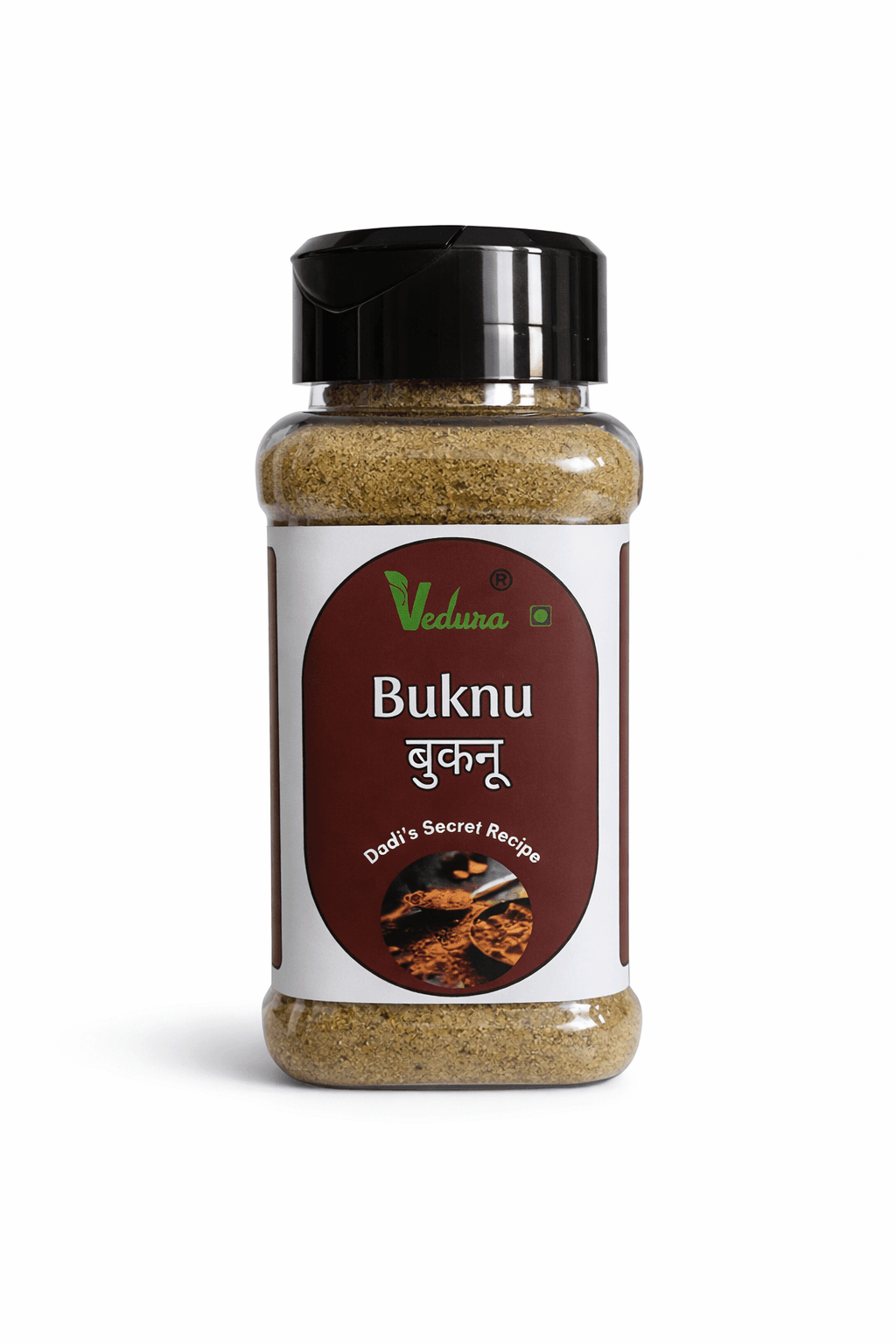
How it differs from Buknu: Chaat masala is commercially standardised and primarily amchur-forward. Buknu is a regional UP preparation with a more complex spice ratio, stone-ground for superior aroma, and with a more rounded flavour profile. Buknu is more aromatic; chaat masala is more aggressively sour. They are not substitutes for each other.
Buknu - The Heritage Condiment Blend
Primary spices: Cumin, amchur, black pepper, ajwain (carom seeds), sendha namak, coriander, dry ginger, black salt, optional regional additions.
Flavour profile: Multi-layered - tangy, warm, herbal, cooling, aromatic. More complex than any commercially standardised chaat masala. The specific ratio and stone-grinding process make each producer's version distinctive.
Function: Pure finishing condiment. Over chaat, fresh fruit, lassi, raita, roasted corn, nimbu paani. The flavour is too complex and volatile to survive cooking.
Why it is irreplaceable: Buknu's stone-ground volatile oils create an aromatic profile that no industrial blend can replicate. Use it specifically where chaat-style finishing is required and you want maximum complexity.
Sambar Powder - The South Indian Foundation Blend
Primary spices: Coriander (dominant), cumin, dried red chilli (high quantity), black pepper, urad dal, chana dal, mustard seeds, curry leaves (dried), hing, sometimes fenugreek.
Flavour profile: Deep, slightly roasted, complex with dal-umami from the fried lentils, and significant heat.
Function: The flavour foundation of sambar - the South Indian lentil and vegetable stew. Added during cooking, not as a finisher. A spoonful per person's serving of sambar.
Regional variations: Every South Indian state has its own sambar powder ratio. Tamil Nadu versions tend to be spicier; Karnataka versions sometimes include coconut; Kerala versions use black pepper more prominently than red chilli.
Rasam Powder - The South Indian Digestive Blend
Primary spices: Black pepper (dominant), cumin, coriander, dried red chilli, curry leaves, hing.
Flavour profile: Peppery, sharp, intensely aromatic, with hing's distinctive savoury depth.
Function: The spice base of rasam - a thin, watery, intensely spiced South Indian broth consumed as a digestive at the end of a meal or as a remedy for colds and respiratory illness. Black pepper's dominant role makes rasam one of the most pharmacologically active traditional preparations in Indian food.
Pav Bhaji Masala - The Western Street Food Blend
Primary spices: Coriander, cumin, dried red chilli, dry mango powder, black pepper, cinnamon, cloves, cardamom, fennel, bay leaves.
Flavour profile: Tangy, slightly sweet, complex with the same warm architecture as garam masala but more forward and less refined.
Function: The defining spice of Mumbai pav bhaji. Replaces a full spice combination in the bhaji-making process. Also works in other mashed vegetable preparations and in chole.
The Decision Framework
When choosing a spice blend, ask two questions:
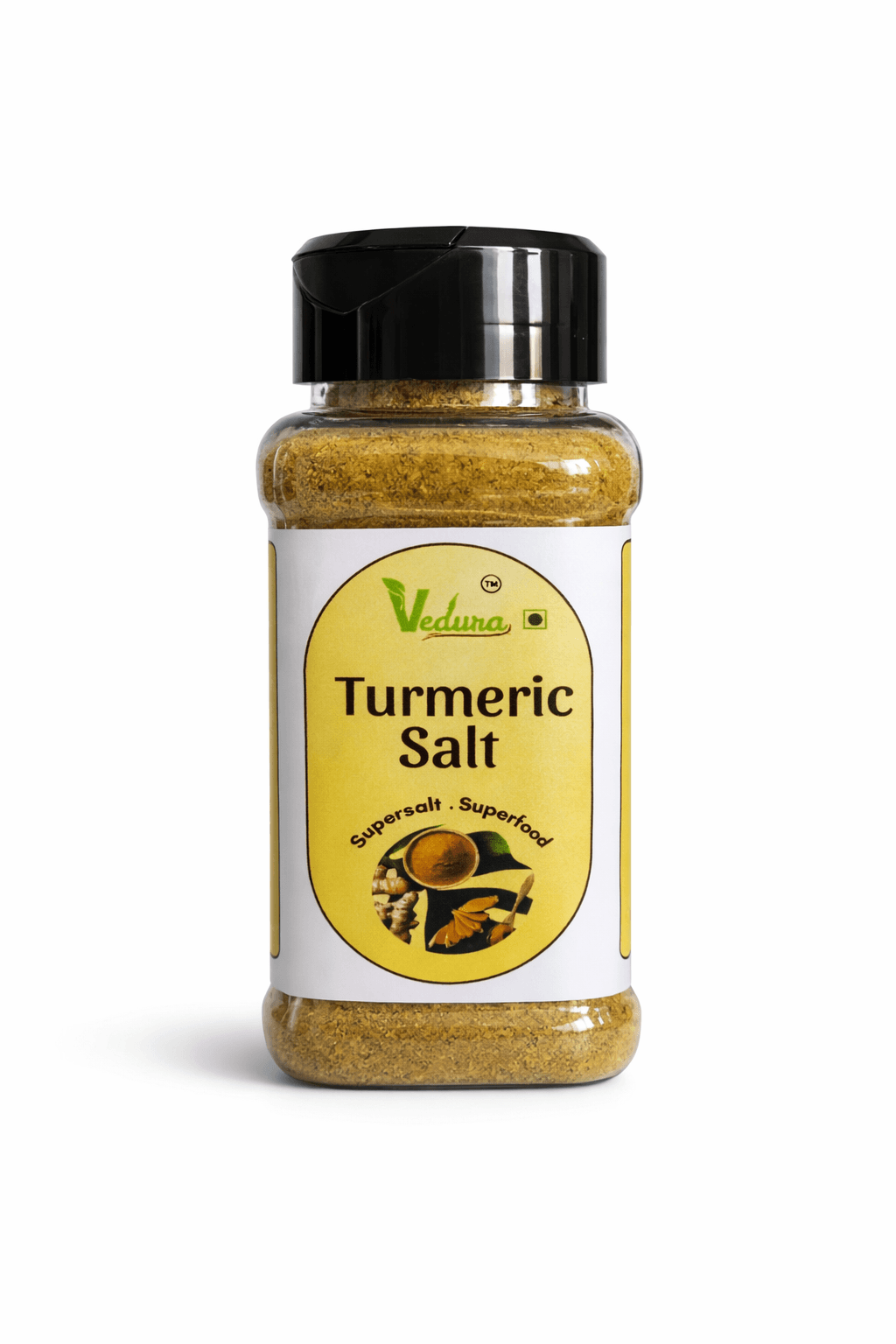
Is this going into cooking or finishing the dish? -> Garam masala, sambar powder, and rasam powder are cooking spices. Chaat masala, Buknu, and turmeric salt are finishing condiments.
Is the primary flavour goal warmth/depth, or tang/complexity? -> Warmth: garam masala. Tang: chaat masala or Buknu. Deep savoury: sambar or rasam powder.
The right blend at the right moment is the difference between good Indian food and excellent Indian food. Every blend on this list has a specific job. Use them specifically.
Explore topics
Continue your Vedura journey
Explore product pages, practical recipes, and research-led explainers connected to this topic.
Comments
Be the first to comment.