Most Indian meal plans fall into one of two failure modes. The first is the "clean eating" plan that replaces dal with protein shakes and roti with lettuce wraps - nutritionally valid in narrow terms, culturally alien, and abandoned within four days. The second is the "traditional" plan that accurately captures the flavour of Indian cooking but neglects to address the micronutrient gaps (iron, Vitamin D, B12 for vegetarians) that traditional diets sometimes leave open.
This plan does neither. It is built around entirely traditional Indian cooking, uses the full range of Indian ingredients, and is specifically designed to hit every major nutritional target across seven days.
A Complete One-Week Indian Meal Plan That Hits Every Nutritional Target
Most Indian meal plans fall into one of two failure modes. The first is the "clean eating" plan that replaces dal with protein shakes and roti with lettuce wraps - nutritionally valid in narrow terms, culturally alien, and abandoned within four days. The second is the "traditional" plan that accurately captures the flavour of Indian cooking but neglects to address the micronutrient gaps (iron, Vitamin D, B12 for vegetarians) that traditional diets sometimes leave open.
This plan does neither. It is built around entirely traditional Indian cooking, uses the full range of Indian ingredients, and is specifically designed to hit every major nutritional target across seven days.
The Nutritional Framework
Targets per day (adult, 60kg, moderate activity):
- Protein: 50-60g
- Iron: 17-21mg (women), 11mg (men)
- Calcium: 1000mg
- Folate: 400mcg
- Vitamin A: 900mcg
- Vitamin C: 65-90mg
- Vitamin K: 120mcg
Every day in this plan hits these targets from food alone. For B12 (vegetarians) and Vitamin D, supplementation is noted where relevant.
Monday - The Iron Day
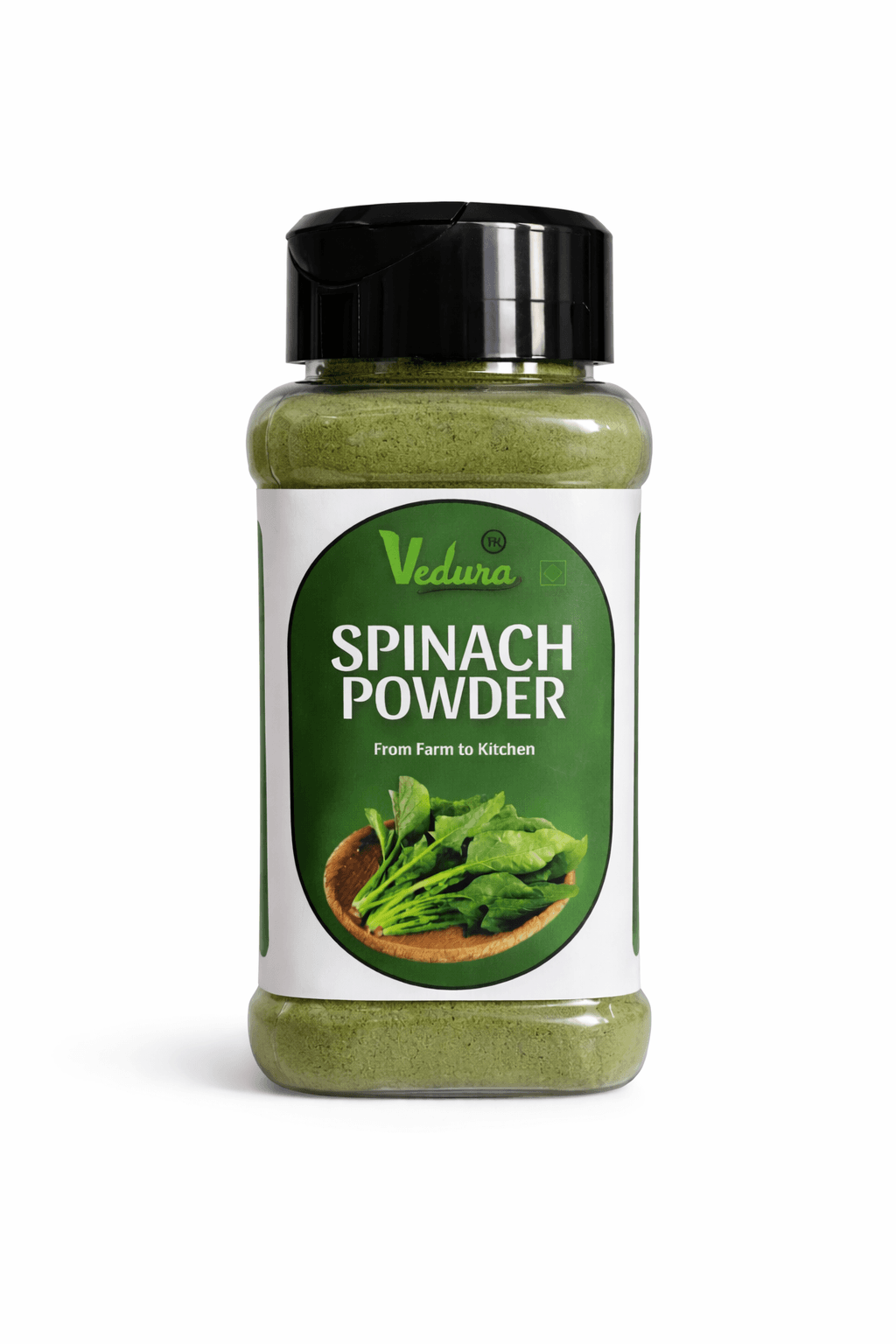
Breakfast: Palak paratha (1 tbsp spinach powder in atta) with fresh dahi
Lunch: Masoor dal with rice, lemon squeeze, fresh tomato raita, green coriander chutney
Dinner: Methi sabzi with makki ki roti, small bowl rajma
Nutrition highlight: Masoor dal delivers approximately 6mg iron per cup cooked. Spinach powder in paratha adds 4mg. Rajma adds 4mg. Lemon over dal multiplies iron absorption through Vitamin C. Total iron today: approximately 18-22mg. Target: met.
Tuesday - The Calcium Day
Breakfast: Dahi with honey and roasted cumin, 2 bathua parathas
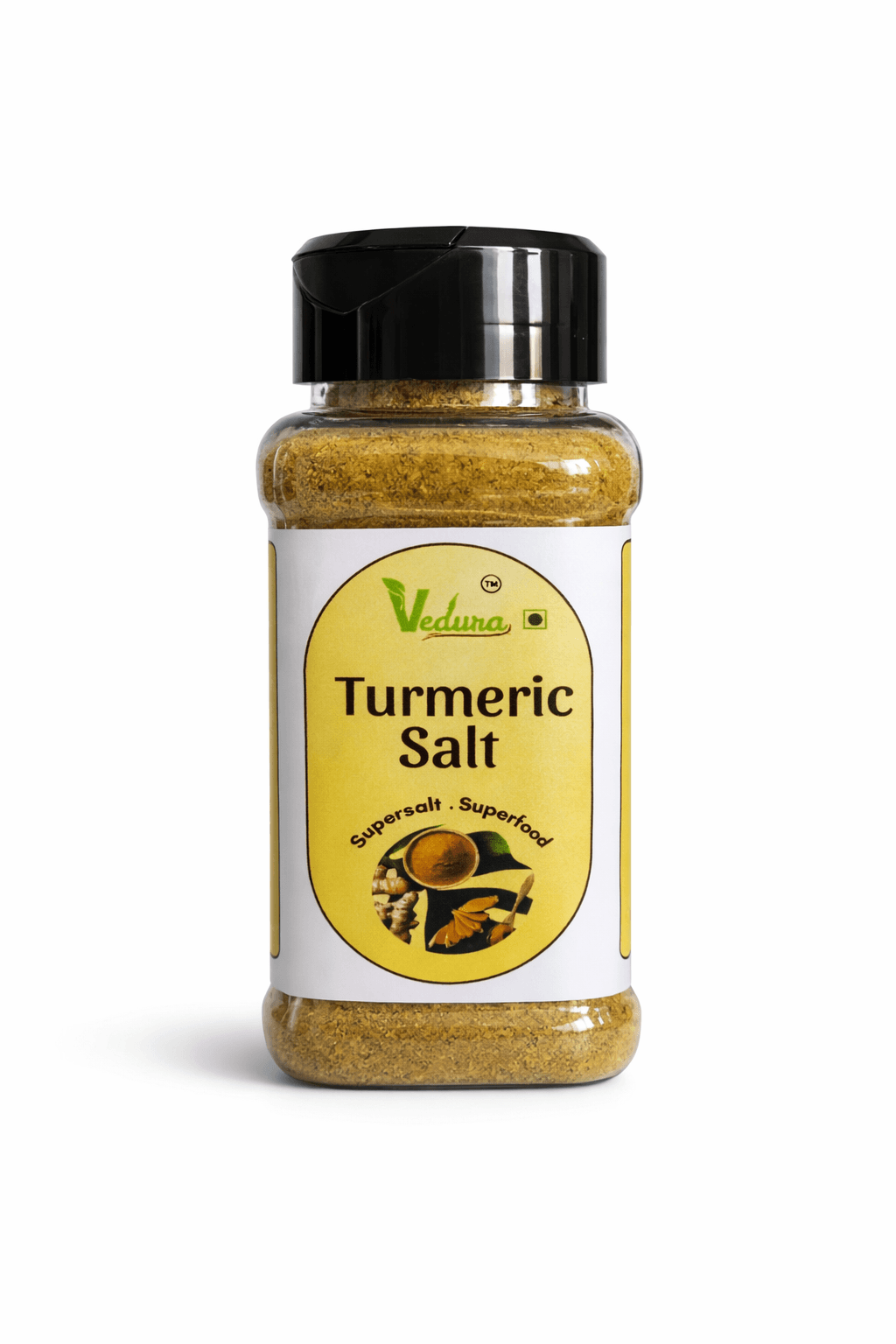
Lunch: Palak paneer with roti, chaas with turmeric salt
Dinner: Khichdi with ghee, bathua raita, roasted til (sesame) sprinkle
Nutrition highlight: Bathua has exceptional calcium density. Paneer provides approximately 200mg per 100g. Dahi adds 120mg per cup. Til seeds (2 tbsp) contribute 280mg calcium - often overlooked as a calcium source but extraordinary. Total calcium today: approximately 1,000-1,200mg. Target: met.
Wednesday - The Protein Day
Breakfast: Moong dal chilla with coriander powder, green chutney
Lunch: Rajma chawal with turmeric salt finishing seasoning, onion salad with lime
Dinner: Soya methi paratha with dahi, small bowl chana dal soup
Nutrition highlight: Moong chilla (2 pieces): 14g protein. Rajma (1 cup cooked): 15g. Soya methi paratha: 8-10g from soya. Dahi (1 cup): 8g. Total protein: 45-50g from meals alone, supplemented by incidental protein across all foods to 55-60g total. Target: met.
Thursday - The Vitamin A Day
Breakfast: Sarso paratha with ghee and white butter
Lunch: Gajar halwa (small serving, dessert), palak dal, roti
Dinner: Aloo methi sabzi, dal tadka with coriander powder finish, rice
Nutrition highlight: Sarso greens are extremely high in Vitamin A precursors (carotenoids). Gajar (carrot) is one of the highest Vitamin A sources available. Spinach in dal adds further. Total Vitamin A today: well above the 900mcg target from diverse beta-carotene sources.
Friday - The Antioxidant Day
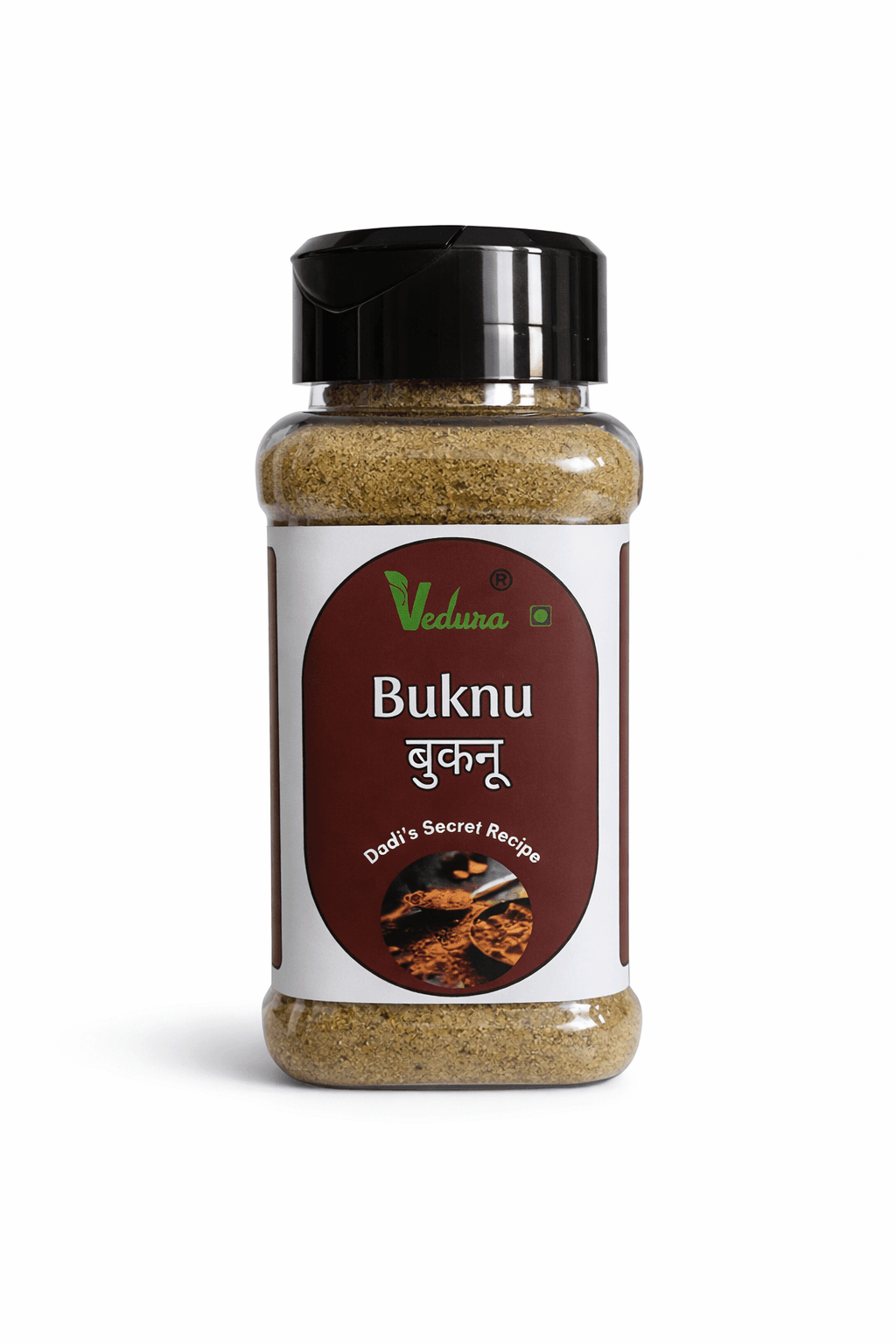
Breakfast: Fruit with Buknu (guava, apple, or mango depending on season), lassi with pinch of turmeric salt
Lunch: Chana chaat with green chilli flakes, turmeric salt, fresh coriander powder, and tamarind
Dinner: Palak matar with roti, dahi, and a finishing sprinkle of turmeric salt
Nutrition highlight: This is the highest-polyphenol day of the week. Curcumin from turmeric, quercetin from coriander, capsaicin from chilli, the polyphenols in tamarind and chickpeas - this day's eating is a multi-compound antioxidant delivery system dressed as a delicious meal.
Saturday - The Gut Health Day
Breakfast: Idli or dosa (fermented) with coconut chutney and sambar
Lunch: Jeera rice with dal makhani, dahi, green salad with lime and green chilli flakes
Dinner: Kadhi with methi pakora, roti
Nutrition highlight: Two fermented preparations (idli/dosa + dahi + kadhi) on the same day delivers a diverse probiotic input. Jeera, ajwain (in pakora), and methi are prebiotic-feeding spices that support the gut microbial environment the probiotics are building.
Sunday - The Comfort + Nourishment Day
Breakfast: Besan chilla with coriander powder and green chilli flakes, masala chai
Lunch: Dal makhani (slow-cooked), makki ki roti with sarso powder mixed in, pickle, chaas
Dinner: Khichdi with ghee, bathua raita, seasonal sabzi with turmeric salt finishing
The Sunday principle: The most nourishing day is also the most satisfying. There is no tension between the two. Indian food culture understood this - comfort and nutrition are not opposites. They are the same thing, cooked correctly.
Making This Work Practically
The one-week plan requires approximately 45 minutes of cooking per day - less if components are batch-cooked on Sunday. The shopping list is entirely available at any Indian grocery store or kirana. The total weekly food cost for two adults is approximately Rs 1,500-2,500 depending on city.
The pantry essentials that make this plan work without daily shopping: dehydrated spinach powder, coriander powder, sarso powder, methi powder, turmeric salt, green and red chilli flakes. With these six items, the nutritional targets for any day are achievable regardless of what is in the fresh vegetable drawer.
The Indian kitchen is complete. It just needs to be used completely.
Explore topics
Continue your Vedura journey
Explore product pages, practical recipes, and research-led explainers connected to this topic.
Comments
Be the first to comment.