India's culinary landscape has always celebrated the goodness of greens, from the ubiquitous palak to the less common but highly prized drumstick leaves (moringa). In recent years, the convenience and concentrated nutrition of green powders have seen a surge in popularity, fitting seamlessly into modern, health-conscious lifestyles. These powders offer an easy way to incorporate vital nutrients into daily meals, bypassing seasonal availability or the need for extensive preparation. Both moringa and spinach, in their powdered forms, promise a powerful boost to health, prompting many to ask: which one is truly better?
To make an informed choice, it's crucial to delve into the nutritional profiles of these two green giants. While both are undeniably healthy, they offer different strengths. Moringa (Moringa oleifera), often dubbed the "miracle tree," is renowned for its exceptional nutrient density, particularly its high levels of antioxidants, vitamins, and minerals. Spinach (Spinacia oleracea), a beloved leafy green, is celebrated for its rich iron content, vitamins, and dietary fiber.
Quick Summary
Moringa and spinach powder both stand out as potent sources of essential nutrients, each offering distinct health benefits. While moringa often provides higher concentrations of specific vitamins and minerals, spinach remains a widely accessible and versatile nutritional powerhouse. The optimal choice between them ultimately depends on your individual dietary needs, culinary preferences, and budget.
The Rise of Green Powders in Indian Diets
India's culinary landscape has always celebrated the goodness of greens, from the ubiquitous palak to the less common but highly prized drumstick leaves (moringa). In recent years, the convenience and concentrated nutrition of green powders have seen a surge in popularity, fitting seamlessly into modern, health-conscious lifestyles. These powders offer an easy way to incorporate vital nutrients into daily meals, bypassing seasonal availability or the need for extensive preparation. Both moringa and spinach, in their powdered forms, promise a powerful boost to health, prompting many to ask: which one is truly better?
Nutritional Face-Off: Moringa Powder vs. Spinach Powder
To make an informed choice, it's crucial to delve into the nutritional profiles of these two green giants. While both are undeniably healthy, they offer different strengths. Moringa (Moringa oleifera), often dubbed the "miracle tree," is renowned for its exceptional nutrient density, particularly its high levels of antioxidants, vitamins, and minerals. Spinach (Spinacia oleracea), a beloved leafy green, is celebrated for its rich iron content, vitamins, and dietary fiber.
The nutritional values can vary based on growing conditions, processing, and specific product, but general comparisons highlight their differences. According to data from institutions like the Indian Council of Medical Research - National Institute of Nutrition (ICMR-NIN), both are excellent, yet distinct.
Nutrient Comparison Table
| Nutrient (per 100g powder) | Moringa Powder (approx.) | Spinach Powder (approx.) |
|---|---|---|
| Protein (g) | 25-30 | 25-35 |
| Dietary Fibre (g) | 25-30 | 20-25 |
| Calcium (mg) | 2000-2500 | 1000-1500 |
| Iron (mg) | 20-30 | 20-25 |
| Vitamin A (mcg RAE) | 6000-7000 | 5000-6000 |
| Vitamin C (mg) | 150-200 | 100-150 |
| Potassium (mg) | 1200-1500 | 2500-3000 |
*Note: Nutritional values can vary based on growing conditions, processing methods, and specific product formulations. These figures are illustrative averages.*As the table illustrates, moringa powder typically boasts higher levels of calcium, iron, and Vitamin A. This makes it particularly beneficial for addressing deficiencies common in some diets. Spinach powder, while still rich in these nutrients, often shows higher potassium content and can be comparable in protein. Both are excellent sources of dietary fiber, crucial for digestive health, and contain a spectrum of antioxidants that combat oxidative stress in the body, as recognized by the Food Safety and Standards Authority of India (FSSAI) for their general health benefits.
Taste, Texture, and Culinary Versatility
Beyond nutrition, the practical application of these powders in the kitchen is key. Their distinct taste and texture profiles dictate how best to incorporate them into daily meals.
Moringa's Earthy Profile
Moringa powder has a distinctive, slightly earthy, and grassy taste. Some describe it as a more intense version of spinach. Its fine, often bright green powder can be quite potent. It blends well into smoothies, fruit juices, or detox concoctions, where its strong flavour can be mellowed by other ingredients. In Indian cooking, it can be added to dal, sambar, curries, or even kneaded into dough for parathas, offering a hidden nutritional boost. For high-quality moringa powder, consider Vedura Foods' pure moringa-powder, available at https://www.vedurafoods.com/product/moringa-powder.
Spinach's Milder Character
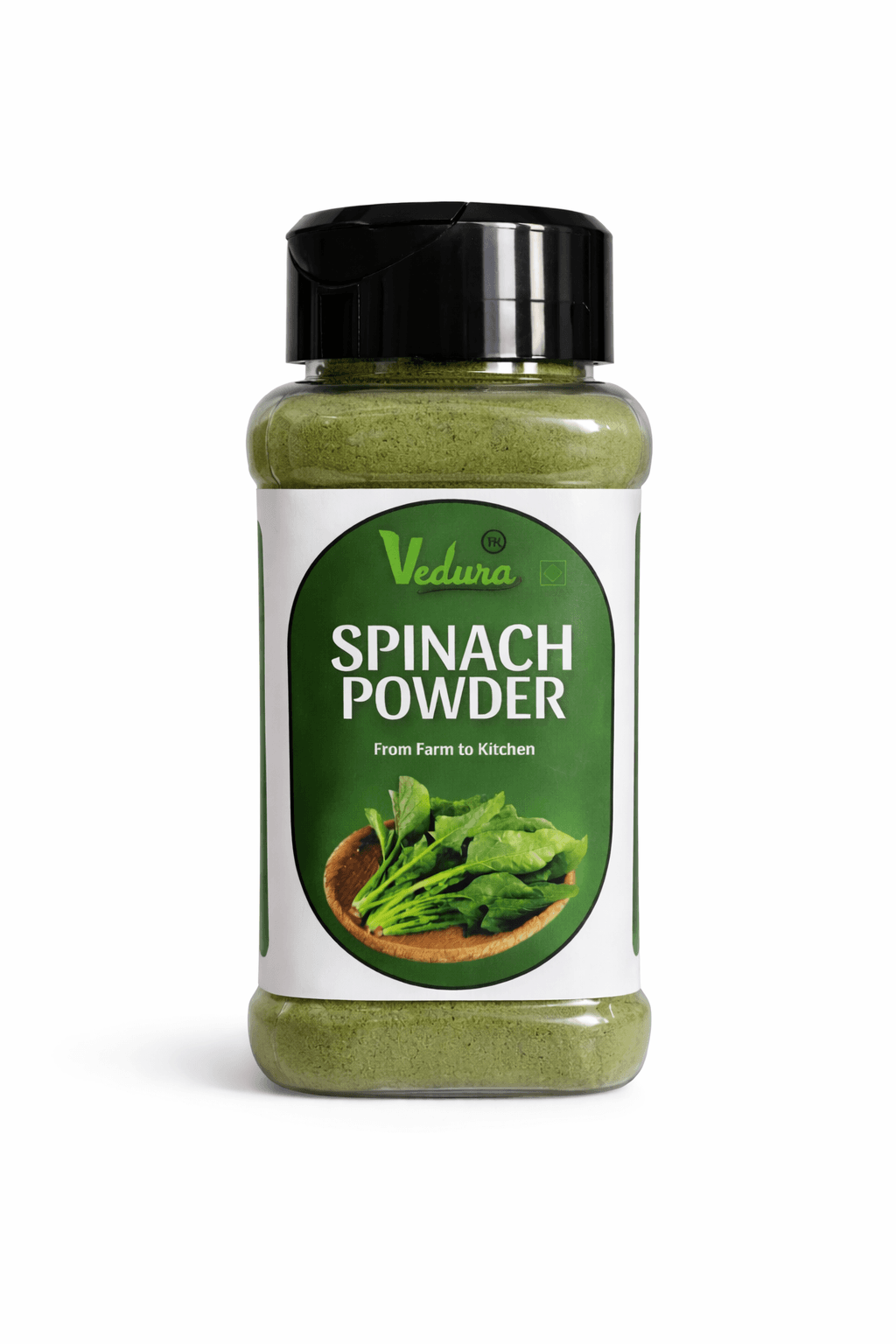
Spinach powder, in contrast, typically has a milder, subtler flavour. It's less earthy than moringa and often carries a slightly sweet undertone, making it exceptionally versatile. Its neutral taste allows it to blend seamlessly into a wide array of dishes without overpowering other flavours. It's a natural fit for traditional Indian preparations like palak paneer (by incorporating it into the gravy), saag, or even as a natural green colouring and nutrient enhancer in rotis, soups, and pasta sauces.
Cost, Sourcing, and Sustainability
When considering long-term use, the cost and sourcing of these powders also play a role. Moringa, often marketed as a "superfood," can sometimes be priced higher, reflecting the perception of its concentrated benefits and, at times, its specific cultivation and processing methods.
Spinach, being a widely cultivated and staple leafy green across India, often translates to more affordable powder options. Both powders offer excellent shelf stability compared to fresh greens, reducing waste and ensuring a consistent supply of nutrients. Vedura Foods is committed to sourcing natural ingredients, ensuring both quality and sustainable practices.
Making Your Choice: When to Pick Which Green
Ultimately, the choice between moringa and spinach powder isn't about declaring a single winner, but rather understanding which best suits your individual needs and lifestyle. Both are invaluable additions to a balanced diet.
Choose Moringa If:
You are specifically looking to address potential deficiencies in calcium, iron, or Vitamin A, as moringa often provides these in higher concentrations.
You are seeking potent anti-inflammatory and antioxidant benefits, which moringa is widely studied for.
You don't mind a stronger, earthier taste profile or plan to mix it with strong-flavoured beverages or dishes where it can blend in.
You want a powerful nutrient boost in a relatively small serving.
Choose Spinach If:
You prefer a milder, more neutral taste that seamlessly integrates into a wide variety of dishes without altering their primary flavour.
You are looking for a good source of potassium and a balanced profile of other essential vitamins and minerals, including respectable amounts of iron and Vitamin A.You prioritize a more budget-friendly daily green supplement that is easily accessible.
You want a versatile ingredient that fits effortlessly into traditional Indian cooking, from gravies to doughs.
In many cases, incorporating both into your diet at different times or in different preparations can offer the most comprehensive range of nutrients.
FAQs
Q: Can I use moringa powder and spinach powder together?
A: Yes, absolutely! Combining moringa and spinach powder can offer a broader spectrum of nutrients and antioxidants. Many people blend them into smoothies or add small amounts of both to dishes to enhance their nutritional value without significantly altering the taste profile.
Q: Is moringa powder better than fresh moringa leaves?
A: Moringa powder is a concentrated form of the fresh leaves, meaning a smaller quantity of powder delivers more nutrients. It also offers convenience and a longer shelf life. While fresh leaves provide additional moisture and slightly different textural benefits, the powder is an excellent alternative for consistent daily intake, especially when fresh leaves are not in season.
Q: How much moringa or spinach powder should I consume daily?
A: For moringa powder, a common recommendation is 1-2 teaspoons (approximately 2-6 grams) daily, gradually increasing if desired. For spinach powder, similar amounts, around 1-2 tablespoons (5-10 grams), can be easily incorporated. It's always advisable to start with a smaller dose and observe your body's response, and consult a healthcare professional for personalized advice.
Q: Are there any side effects of consuming moringa or spinach powder?
A: Both are generally safe for consumption. However, high doses of moringa might interact with certain medications, and its laxative properties can cause mild digestive upset in some individuals. Spinach, being high in oxalates, should be consumed in moderation by individuals prone to kidney stones, though the amounts in powder form are typically small. Always consume in recommended quantities.
Q: Where do moringa and spinach powders fit into traditional Indian cuisine?
A: Both powders can be seamlessly integrated. Moringa powder can enrich dals, curries, paratha dough, and even lassi. Spinach powder is perfect for fortifying palak-based dishes, adding to roti or puri dough for a vibrant green colour and nutrients, or thickening soups and gravies without altering the taste significantly. They offer a convenient way to boost the nutrition of everyday meals.
Explore topics
Continue your Vedura journey
Explore product pages, practical recipes, and research-led explainers connected to this topic.
Comments
Be the first to comment.