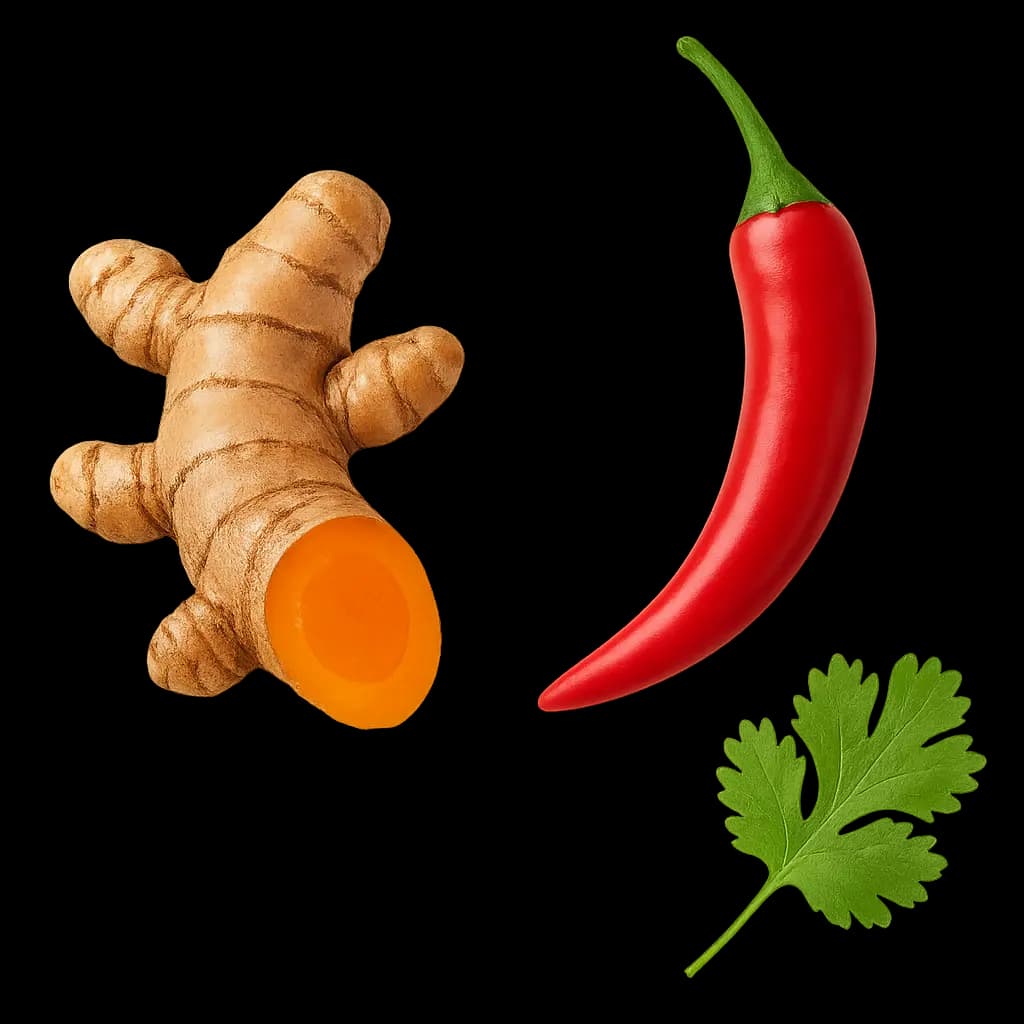

The domestic market is a powerhouse in itself, fueled by a diverse culinary landscape where spices are integral to daily cooking across households. According to the Spice Board of India, the country produces over 75 varieties of spices out of the 109 listed by the International Organization for Standardization (ISO). This vast production base supports a thriving internal market while also catering to an ever-increasing international demand.
Globally, the increasing awareness of spices' health benefits – from anti-inflammatory properties of turmeric to the digestive aid of cumin – is boosting their appeal beyond just flavor. This health and wellness trend is particularly strong in developed markets, influencing export demand. Furthermore, the expansion of the food processing industry in India, from ready-to-eat meals to snack foods, integrates spices as core ingredients, thereby increasing industrial demand.
Quick Summary
India's spice market is poised for significant growth, driven by both robust domestic consumption and expanding export demand. Projections indicate a healthy compound annual growth rate (CAGR) towards 2026, fueled by rising health consciousness, urbanization, and a global appreciation for Indian flavors. Key growth segments include organic, dehydrated, and ready-to-use spice blends, presenting substantial opportunities for entrepreneurs and MSMEs.
India's Dominance in the Global Spice Arena
India has long held the undisputed title of the 'Spice Bowl of the World,' a legacy rooted in its rich biodiversity and ancient trade routes. Today, this heritage translates into a formidable presence in the global spice trade, with India being the largest producer, consumer, and exporter of spices. The sheer variety, quality, and aroma of Indian spices remain unmatched, making them a cornerstone of global cuisine and a vital component of the nation's agricultural economy.
The domestic market is a powerhouse in itself, fueled by a diverse culinary landscape where spices are integral to daily cooking across households. According to the Spice Board of India, the country produces over 75 varieties of spices out of the 109 listed by the International Organization for Standardization (ISO). This vast production base supports a thriving internal market while also catering to an ever-increasing international demand.
Driving Factors Behind Market Expansion
Several macro and micro factors are converging to propel the Indian spice market's growth trajectory towards 2026 and beyond. A burgeoning population, coupled with rising disposable incomes, continues to drive domestic consumption. Urbanization and changing lifestyles have led to a greater demand for convenience, impacting how spices are bought and used.
Globally, the increasing awareness of spices' health benefits – from anti-inflammatory properties of turmeric to the digestive aid of cumin – is boosting their appeal beyond just flavor. This health and wellness trend is particularly strong in developed markets, influencing export demand. Furthermore, the expansion of the food processing industry in India, from ready-to-eat meals to snack foods, integrates spices as core ingredients, thereby increasing industrial demand.
Key Growth Segments: The Future of Spices
The future growth of the Indian spice market is not uniform across all categories. Specific segments are exhibiting accelerated growth, driven by evolving consumer preferences and technological advancements. These areas represent significant opportunities for new ventures and existing businesses looking to innovate.
| Segment | Growth Drivers | Market Opportunity |
| :------------------- | :----------------------------------------------- | :------------------------------------------------ |
| Organic Spices | Health consciousness, clean label demand, sustainability | Premium pricing, niche markets, direct-to-consumer |
| Dehydrated Spices | Convenience, longer shelf life, industrial use, reduced wastage | Ready-to-cook mixes, food service, export |
| Ready Blends | Urbanization, busy lifestyles, culinary experimentation | Value-added products, international cuisine blends, convenience stores |
Organic Spices: A Healthier Harvest
The demand for organic products is on an upward trend globally, and spices are no exception. Consumers are increasingly seeking products free from pesticides and chemical fertilizers, driven by health concerns and environmental consciousness. This shift presents a premium market segment for organic spices, which command higher prices and cater to a discerning clientele. India, with its vast agricultural land and traditional farming practices, is well-positioned to capitalize on this trend, supported by certifications from bodies like APEDA (Agricultural and Processed Food Products Export Development Authority) under the National Programme for Organic Production (NPOP).
Dehydrated Greens and Spices: Convenience and Longevity
Dehydrated spices and greens offer unparalleled convenience, extended shelf life, and ease of storage, making them attractive to both home cooks and the food service industry. The process of dehydration locks in flavor and nutrients while significantly reducing weight and volume, which is advantageous for logistics and cost efficiency. This segment is seeing strong growth, especially for products like dehydrated onion, garlic, ginger, and various leafy greens, which simplify cooking processes and reduce preparation time in modern kitchens. For entrepreneurs, investing in state-of-the-art drying technologies and ensuring quality control are crucial for success in this segment.
Ready Blends and Value-Added Products: The Modern Kitchen's Choice
The fast-paced urban lifestyle has created a significant demand for ready-to-use spice blends. These pre-mixed masalas for specific dishes (e.g., garam masala, chole masala, sambar powder) offer consistency, convenience, and authenticity without the need for individual spice grinding and blending. Beyond traditional Indian blends, there's a growing market for exotic and international spice mixes as culinary explorations broaden. Value-added products, which include roasted, ground, or processed spices, are also gaining traction, moving beyond raw commodities to consumer-ready formats.
Export Opportunities and Policy Support
India's spice exports are a critical component of its market growth. The Spice Board of India consistently reports impressive figures, reflecting strong global demand for Indian spices. Countries across North America, Europe, the Middle East, and Southeast Asia are major importers. The government, through the Ministry of Food Processing Industries (MoFPI) and APEDA, offers various schemes and support mechanisms to boost food processing and exports, including subsidies for infrastructure development, quality improvement, and market promotion. These initiatives aim to enhance India's competitiveness in the global market, encouraging MSMEs to meet international quality standards and explore new export destinations.
Challenges and Way Forward for Entrepreneurs
While the opportunities are vast, entrepreneurs entering or expanding in the spice market must navigate certain challenges. Ensuring consistent quality, maintaining competitive pricing, and building a strong brand identity are paramount. Supply chain management, especially for organic and specialized spices, requires robust systems to ensure traceability and authenticity. Adherence to national and international food safety standards (like those mandated by FSSAI in India) is non-negotiable. For a sustainable future, innovation in product development, leveraging technology for processing and packaging, and focusing on niche markets will be key differentiators.
FAQs
Q: What is the current size of the Indian spice market?
A: Estimates suggest the Indian spice market is substantial and growing, though exact figures can vary by reporting agency. Reports from industry bodies like IBEF indicate that India is the world's largest producer and consumer, with the market continuing to expand at a healthy CAGR, driven by both domestic demand and robust exports.
Q: Which spice segments are growing fastest in India?
A: The fastest-growing segments in the Indian spice market include organic spices, dehydrated spices, and ready-to-use spice blends. These categories are benefiting from consumer trends towards health, convenience, and value-added products, offering significant opportunities for innovation and market penetration.
Q: How does India's spice export market perform?
A: India's spice export market performs robustly, consistently setting new benchmarks. The Spice Board of India regularly publishes data highlighting significant volumes and values of spice exports to numerous countries, demonstrating India's strong position as a leading global supplier of diverse spices.
Q: What role does government policy play in spice market growth?
A: Government policies play a crucial role in supporting the spice market through various schemes and initiatives. Ministries like the Ministry of Food Processing Industries (MoFPI) and organizations like APEDA provide financial assistance, infrastructure development, quality certification support, and market promotion activities to boost both domestic processing and international exports.
Q: Are organic spices a significant trend in India?
A: Yes, organic spices represent a significant and growing trend in India. Driven by increasing health consciousness, environmental concerns, and a demand for chemical-free food products, this segment commands premium prices and offers considerable potential for farmers and processors who adhere to certified organic production standards.
Q: What are the opportunities for MSMEs in the Indian spice market?
A: MSMEs have abundant opportunities in the Indian spice market, particularly in value addition. This includes processing and packaging organic spices, developing dehydrated spice products, creating innovative ready-to-use blends, and exploring direct-to-consumer models for both domestic and export markets. Focusing on quality, branding, and niche segments can lead to significant success.
Explore topics
Continue your Vedura journey
Explore product pages, practical recipes, and research-led explainers connected to this topic.
Comments
Be the first to comment.