
The post-Galwan era of India-China relations - following the 2020 border confrontation in the Galwan Valley that resulted in casualties on both sides - created a shift in Indian consumer sentiment that has accelerated since and shows no sign of reversing.
The banning of Chinese apps (including TikTok and dozens of others), the tightening of FDI rules for Chinese investors, and the broader "Vocal for Local" and "Atmanirbhar Bharat" campaigns launched by the government all represent both policy signals and genuine consumer sentiment: a preference, sometimes a strong one, for Indian-made products over Chinese or Chinese-linked alternatives.
India-China Tensions and the Rise of India's Domestic Consumer Culture
The post-Galwan era of India-China relations - following the 2020 border confrontation in the Galwan Valley that resulted in casualties on both sides - created a shift in Indian consumer sentiment that has accelerated since and shows no sign of reversing.
The banning of Chinese apps (including TikTok and dozens of others), the tightening of FDI rules for Chinese investors, and the broader "Vocal for Local" and "Atmanirbhar Bharat" campaigns launched by the government all represent both policy signals and genuine consumer sentiment: a preference, sometimes a strong one, for Indian-made products over Chinese or Chinese-linked alternatives.
The Domestic Consumer Preference Shift
The data points on this shift are meaningful:
Consumer surveys through 2022-24 consistently show elevated "preference for Indian-made goods" sentiment among Indian consumers - particularly in urban markets, and particularly among the 25-45 age bracket that drives most premium consumer spending.
The smartphone market saw a significant shift toward domestic assembly (even for international brands) and toward brands emphasising Indian manufacturing. The electronics and appliance categories saw similar dynamics.
In food and consumer packaged goods, the shift has manifested as increased scrutiny of import origins, a preference for brands that can demonstrate domestic sourcing, and genuine commercial success for brands built on Indian ingredients with transparent provenance.
How This Benefits Domestic Food Brands
For an Indian food brand built on entirely domestic ingredients - Indian spices, Indian greens, Indian processing - the current geopolitical environment is a genuine commercial tailwind.
The consumer who is choosing Indian smartphones, Indian apps, and Indian consumer goods over Chinese alternatives is operating with the same mental framework when they reach the food aisle. "Where is this made? Where are the ingredients from? Is this Indian?"
A brand that can answer those questions clearly and confidently - yes, grown in India, processed in India, made by an Indian company, from Indian farms - is positioned exactly where consumer preference is moving.
The Atmanirbhar Kitchen
"Atmanirbhar Bharat" (Self-Reliant India) as a government policy initiative has a food dimension that is not always made explicit. India's food system is already substantially self-reliant in the most important categories - and building a domestic preference for domestic food ingredients strengthens that self-reliance commercially as well as politically.
When Indian consumers buy Indian spices from Indian brands rather than imported spice products, they are creating demand that sustains Indian farmers, Indian processing facilities, and Indian supply chains. The economic nationalism that drives the Vocal for Local sentiment has genuine systemic value when applied to food.
The Vedura Foods principle - Indian ingredients from Indian farms, transparently sourced, processed in India - is not a marketing strategy borrowed from geopolitics. It is the brand's genuine operating philosophy. But in the current environment, that philosophy resonates with a consumer sentiment that is broader, more politically supported, and more commercially significant than it has been at any point in recent memory.
The Transparent Provenance Advantage
One of the practical consequences of the domestic preference shift is that consumers are asking harder questions about provenance - questions that brands with genuinely domestic, transparent supply chains can answer and brands that are nominally Indian but actually import-dependent cannot.
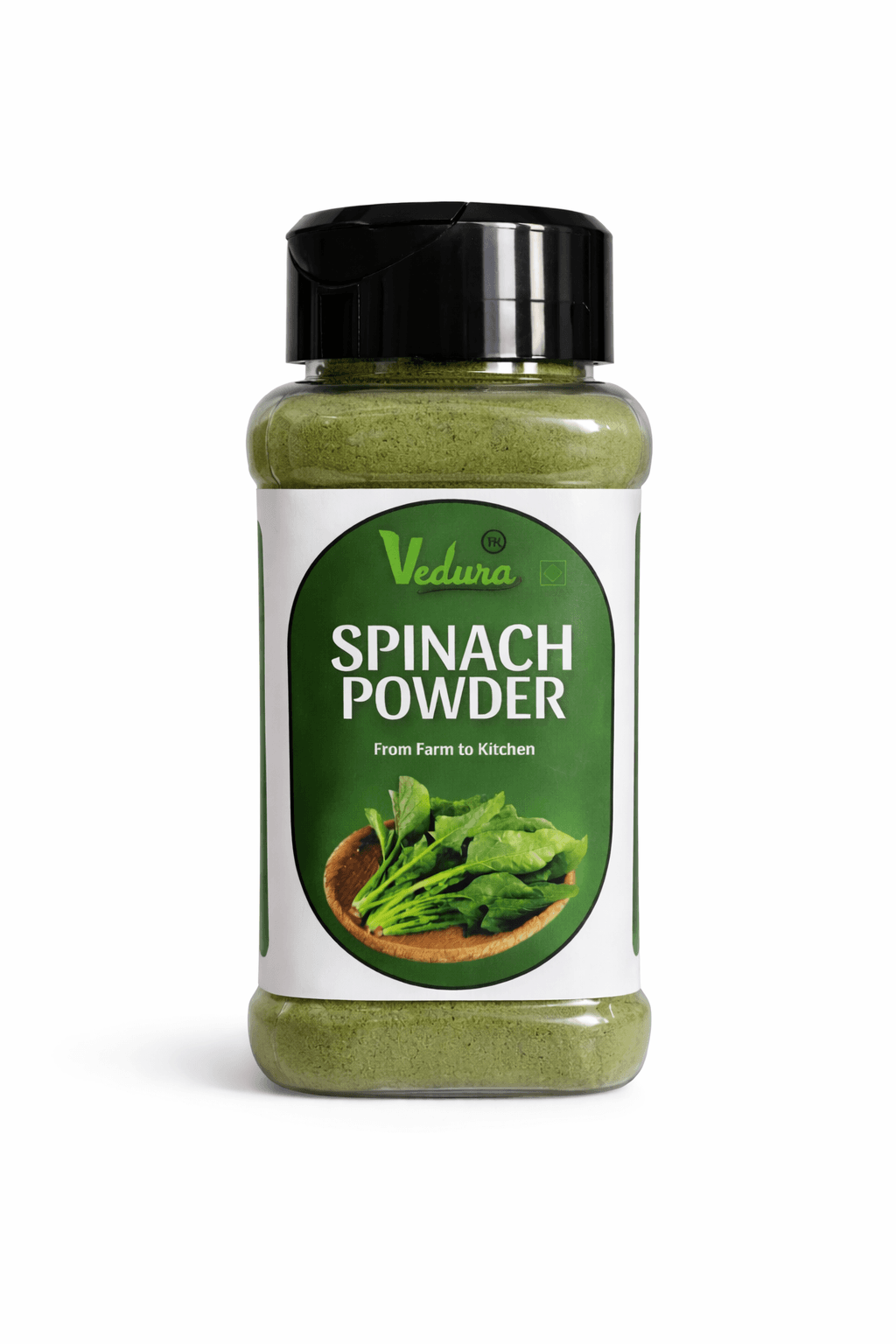
"Where does your turmeric come from?" Erode, Tamil Nadu. "Where is your spinach grown?" North India, during peak season, by contract farmers. "Are your spices stone-ground in India?" Yes, in small batches, by a domestic process we can show you.
These answers - specific, verifiable, and genuinely Indian - are increasingly valuable in a market where the preference for domestic authenticity is a real purchasing driver.
The geopolitical environment did not create this preference. It amplified one that was developing independently. Either way, the kitchen that builds on it wins.
Explore topics
Continue your Vedura journey
Explore product pages, practical recipes, and research-led explainers connected to this topic.
Comments
Be the first to comment.