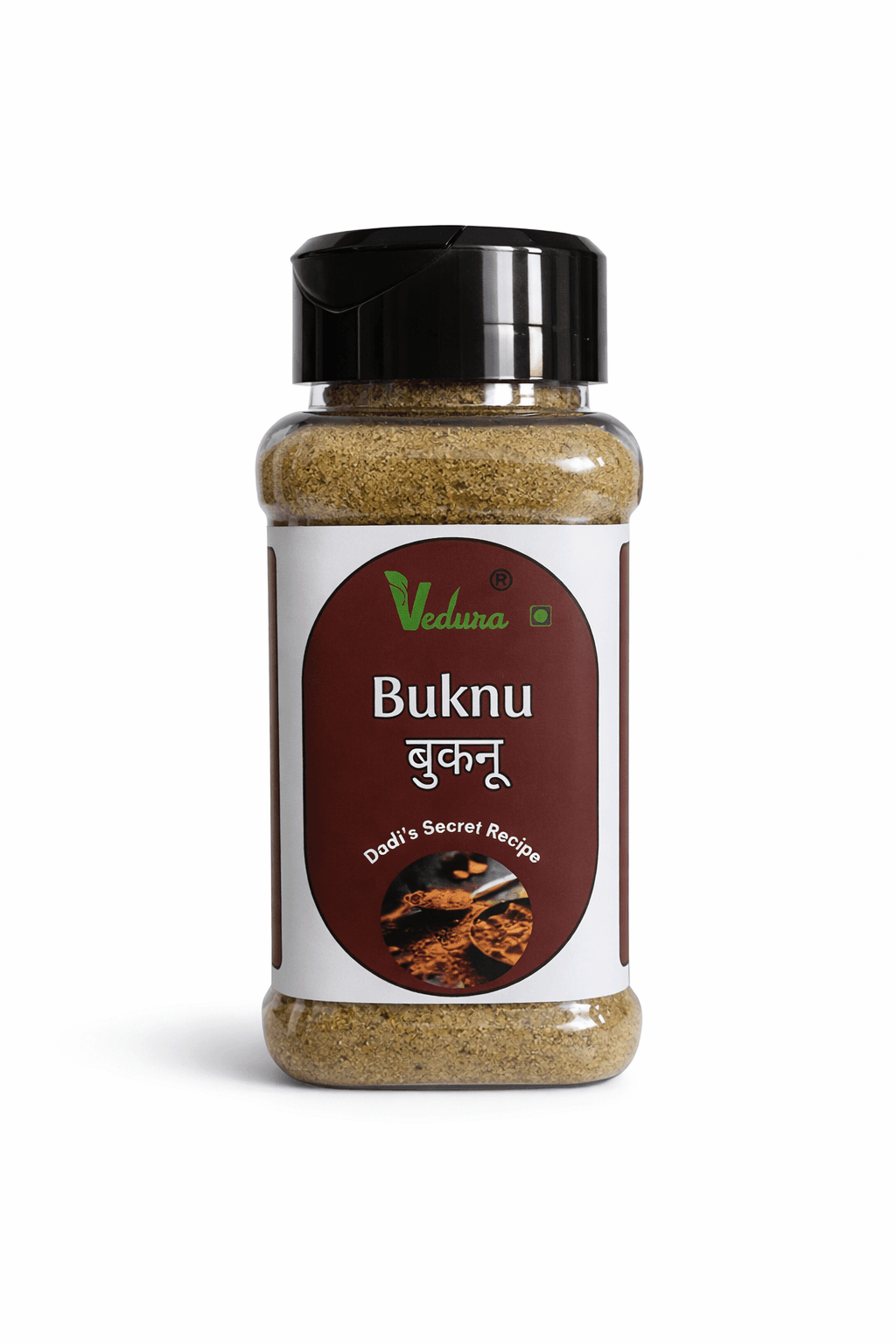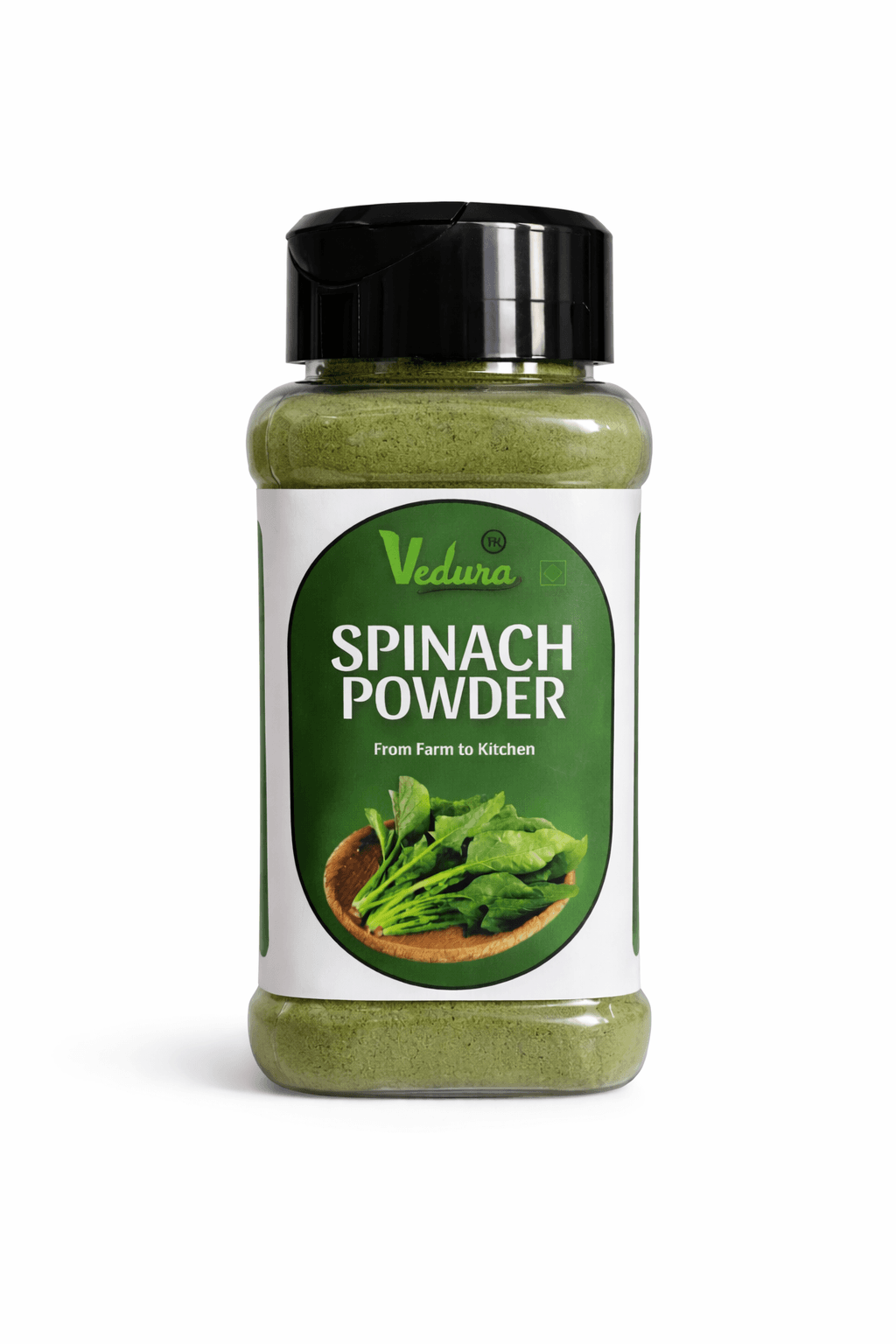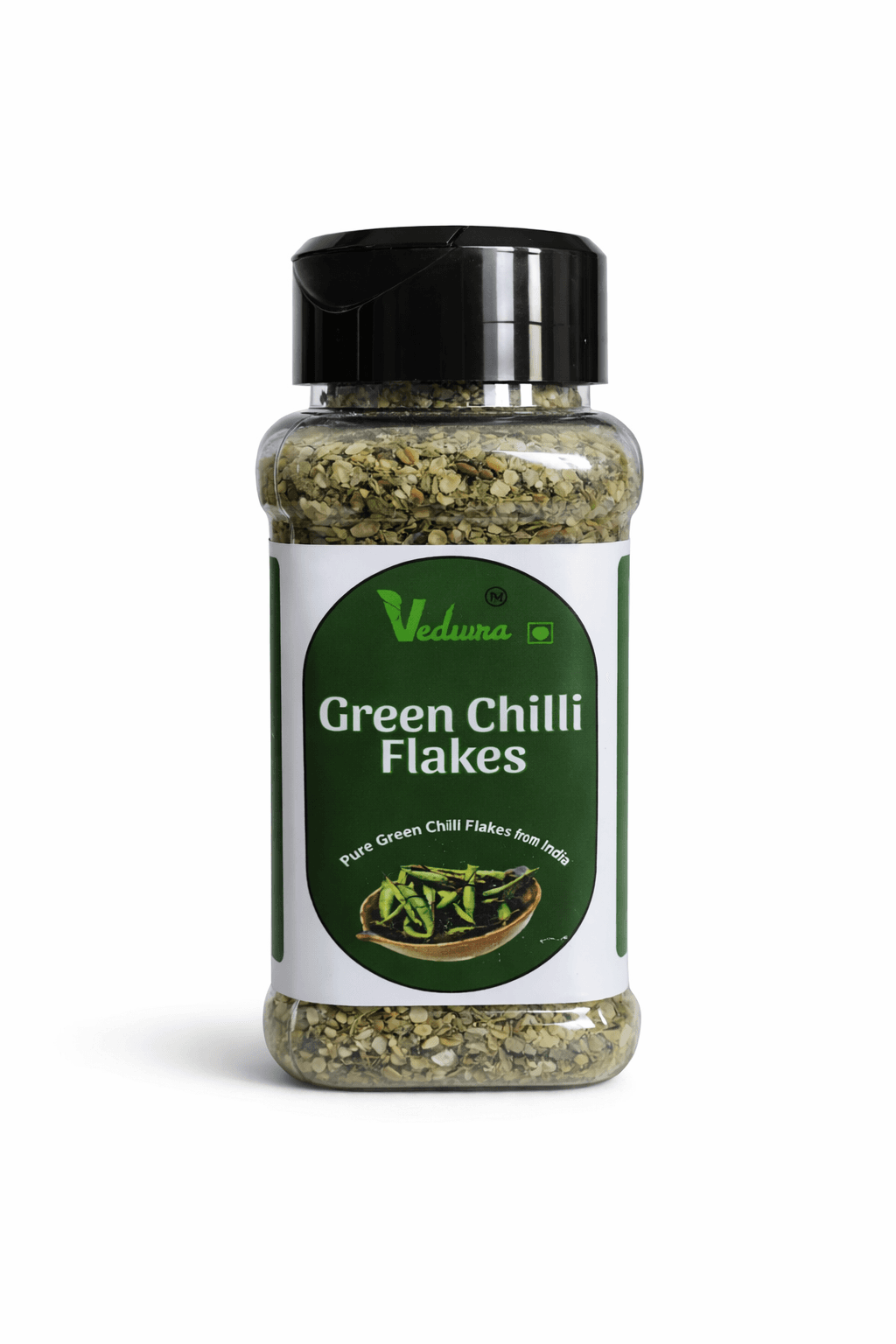

This simple process transforms a perishable commodity into a stable, high-value ingredient. For instance, 10 kg of fresh spinach might yield roughly 1 kg of dehydrated spinach. While fresh spinach might sell for ₹20-30/kg, the dehydrated product can command significantly higher prices per kg, translating into a 5x to 10x margin uplift on a weight-equivalent basis. This model, similar to the one Vedura Foods employs for its dehydrated greens, not only preserves produce but also opens up new markets for convenient, ready-to-use ingredients for home cooks and food manufacturers alike.
Furthermore, the art of blending spices into unique masalas (spice mixes) adds another layer of value. A simple chilli powder can become a 'Kashmiri Chilli Powder' or a 'Byadagi Chilli Powder' with specific processing, or it can be combined with other spices to create a 'Garam Masala' or 'Sambhar Powder'. This requires an understanding of consumer preferences, quality control (adhering to FSSAI standards), and consistent branding. The margin uplift here can be substantial; a kilogram of whole turmeric might sell for ₹60-80, but as turmeric powder, it can fetch ₹150-250 or more, often doubling or tripling the value per unit weight. Blended masalas can achieve even higher premiums due to proprietary recipes and brand loyalty.
Quick Summary
Value addition in agriculture transforms raw farm produce into higher-value products, significantly boosting farmer incomes and reducing post-harvest losses. This post explores concrete examples like drying, grinding, and blending, showcasing the margin uplift achievable and highlighting the role of government support for aspiring agri-entrepreneurs in India.
The Imperative of Value Addition in Indian Agriculture
India's agricultural sector, a cornerstone of its economy, faces persistent challenges such as price volatility, market gluts, and substantial post-harvest losses. Estimates suggest that up to 15-20% of agricultural produce can be lost annually due to inadequate processing and storage infrastructure. Value addition, which involves converting raw agricultural commodities into processed or semi-processed products, offers a powerful solution to these issues. By adding value, farmers and micro, small, and medium enterprises (MSMEs) can capture a larger share of the consumer rupee, stabilize incomes, and create employment opportunities in rural areas. This shift from mere producers to processors is vital for India's food security and economic resilience. NITI Aayog has consistently emphasized the critical role of food processing in doubling farmer incomes and fostering inclusive growth across the country.
Drying and Dehydration: A Proven Pathway to Higher Margins
Drying and dehydration are among the oldest and most effective methods of value addition, extending shelf life and concentrating flavors and nutrients. For many Indian farmers, especially those dealing with highly perishable items like leafy greens, fruits, and vegetables, dehydration offers a robust solution to market gluts and spoilage. Imagine a small processing unit near a cluster of farms: fresh spinach, methi (fenugreek leaves), or even tomatoes, which might fetch low prices during peak season, are cleaned, blanched, and then dried using solar dryers or more advanced mechanical dehydrators. The resulting dehydrated greens or tomato flakes can be stored for months, reducing waste and allowing farmers to sell when prices are more favorable.
This simple process transforms a perishable commodity into a stable, high-value ingredient. For instance, 10 kg of fresh spinach might yield roughly 1 kg of dehydrated spinach. While fresh spinach might sell for ₹20-30/kg, the dehydrated product can command significantly higher prices per kg, translating into a 5x to 10x margin uplift on a weight-equivalent basis. This model, similar to the one Vedura Foods employs for its dehydrated greens, not only preserves produce but also opens up new markets for convenient, ready-to-use ingredients for home cooks and food manufacturers alike.
Grinding and Blending: The Spice of Indian Entrepreneurship
India is renowned as the land of spices, and processing whole spices into ground powders and custom blends is a classic example of value addition. Farmers growing turmeric, chilli, or coriander often sell their produce in its raw, dried form to intermediaries. However, by investing in simple grinding and packaging machinery, they can process these spices into powders, which command a much higher price per kilogram. The process involves cleaning, drying, grinding, and sifting, followed by packaging in consumer-friendly formats.
Furthermore, the art of blending spices into unique masalas (spice mixes) adds another layer of value. A simple chilli powder can become a 'Kashmiri Chilli Powder' or a 'Byadagi Chilli Powder' with specific processing, or it can be combined with other spices to create a 'Garam Masala' or 'Sambhar Powder'. This requires an understanding of consumer preferences, quality control (adhering to FSSAI standards), and consistent branding. The margin uplift here can be substantial; a kilogram of whole turmeric might sell for ₹60-80, but as turmeric powder, it can fetch ₹150-250 or more, often doubling or tripling the value per unit weight. Blended masalas can achieve even higher premiums due to proprietary recipes and brand loyalty.
Innovative Packaging and Branding: Beyond the Commodity
Once a product is processed, how it is presented to the consumer plays a crucial role in its perceived value and market success. Effective packaging goes beyond mere containment; it protects the product, extends shelf life, provides crucial information (ingredients, nutritional facts, FSSAI license), and acts as a silent salesperson. For agri-entrepreneurs, investing in good quality, attractive, and functional packaging can elevate a product from a generic commodity to a branded item with a loyal customer base. This is particularly true for items like spices, dehydrated foods, and ready-to-cook mixes.
Consider the difference between buying loose chilli powder and a hygienically packed, branded pack with an appealing design. The latter instills trust, assures quality, and offers convenience. Innovations like stand-up pouches, resealable packs, and single-serve sachets cater to modern consumer lifestyles. Branding, coupled with consistent quality, allows businesses to differentiate their products in a crowded market and command premium pricing, moving beyond price-based competition. This strategic approach transforms commodities into experiences, capturing significant additional margins.
Government Support for Agri-Entrepreneurs
The Indian government actively promotes food processing through various schemes to support MSMEs and farmer producer organizations (FPOs). The Pradhan Mantri Formalisation of Micro food processing Enterprises (PM FME) Scheme, under the Ministry of Food Processing Industries (MoFPI), is a flagship initiative designed to help unorganised micro food processing units formalise and upgrade. It offers a credit-linked subsidy of 35% of the eligible project cost, with a maximum subsidy of ₹10 lakh per unit. The scheme also provides support for common infrastructure, branding, and marketing. Aspiring entrepreneurs can learn more and apply through the official portal: `https://pmfme.mofpi.gov.in`.
Beyond PM FME, institutions like NABARD (National Bank for Agriculture and Rural Development) provide financial assistance and capacity-building programs for rural enterprises, including food processing units. State governments also offer specific incentives and subsidies. These initiatives are crucial for mitigating the initial capital investment challenges faced by agri-entrepreneurs, making value addition more accessible and fostering a vibrant ecosystem of food processing in India.
Value Addition Examples and Margin Uplift
| Product Category | Raw Produce (₹/kg approx) | Value-Added Product (₹/kg approx) | Margin Uplift Factor (Indicative) |
| :--------------- | :------------------------ | :-------------------------------- | :------------------------------- |
| Spinach | 20-30 | Dehydrated Spinach | 5x - 10x |
| Turmeric | 40-60 | Turmeric Powder | 2x - 4x |
| Green Chillies | 50-80 | Chilli Powder (processed) | 2x - 3x |
| Mango | 30-70 | Dried Mango Slices | 4x - 8x |
| Amla | 25-40 | Amla Candy/Powder | 3x - 6x |
*Note: Prices are indicative and vary significantly based on region, season, and market conditions.*
FAQs
Q: What is value addition in agriculture?
A: Value addition in agriculture involves transforming raw agricultural products into processed, semi-processed, or differentiated goods that command a higher market price. This can include physical changes like drying, grinding, or packaging, as well as qualitative changes like organic certification or branding.
Q: How does value addition benefit farmers?
A: Value addition benefits farmers by reducing post-harvest losses, increasing their income through higher selling prices for processed goods, creating new market opportunities, and providing greater stability against price fluctuations of raw commodities. It also fosters rural employment and entrepreneurship.
Q: What are some common examples of value-added agricultural products in India?
A: Common examples include dehydrated vegetables and fruits (like spinach, fenugreek, mango), ground spices and blended masalas (turmeric powder, garam masala), fruit pulps and juices, pickles, jams, and ready-to-eat snacks derived from grains or millets.
Q: Are there government schemes to support food processing units for MSMEs?
A: Yes, the Indian government offers several schemes. A prominent one is the Pradhan Mantri Formalisation of Micro food processing Enterprises (PM FME) Scheme, which provides credit-linked subsidies, technical support, and assistance for branding and marketing to micro food processing units.
Q: What are the main challenges for agri-entrepreneurs in value addition?
A: Key challenges include access to affordable finance, lack of technical knowledge in processing and packaging, inconsistent raw material supply, difficulty in meeting stringent quality and food safety standards (like FSSAI), and establishing strong market linkages for their processed products.
Q: How can a small farmer or entrepreneur start a value addition unit?
A: Starting a value addition unit involves identifying a suitable product, understanding market demand, acquiring basic processing equipment, ensuring compliance with food safety regulations (FSSAI), securing funding (potentially through schemes like PM FME), and developing a marketing and distribution strategy. It often begins with small-scale, locally sourced processing.
Explore topics
Continue your Vedura journey
Explore product pages, practical recipes, and research-led explainers connected to this topic.
Comments
Be the first to comment.